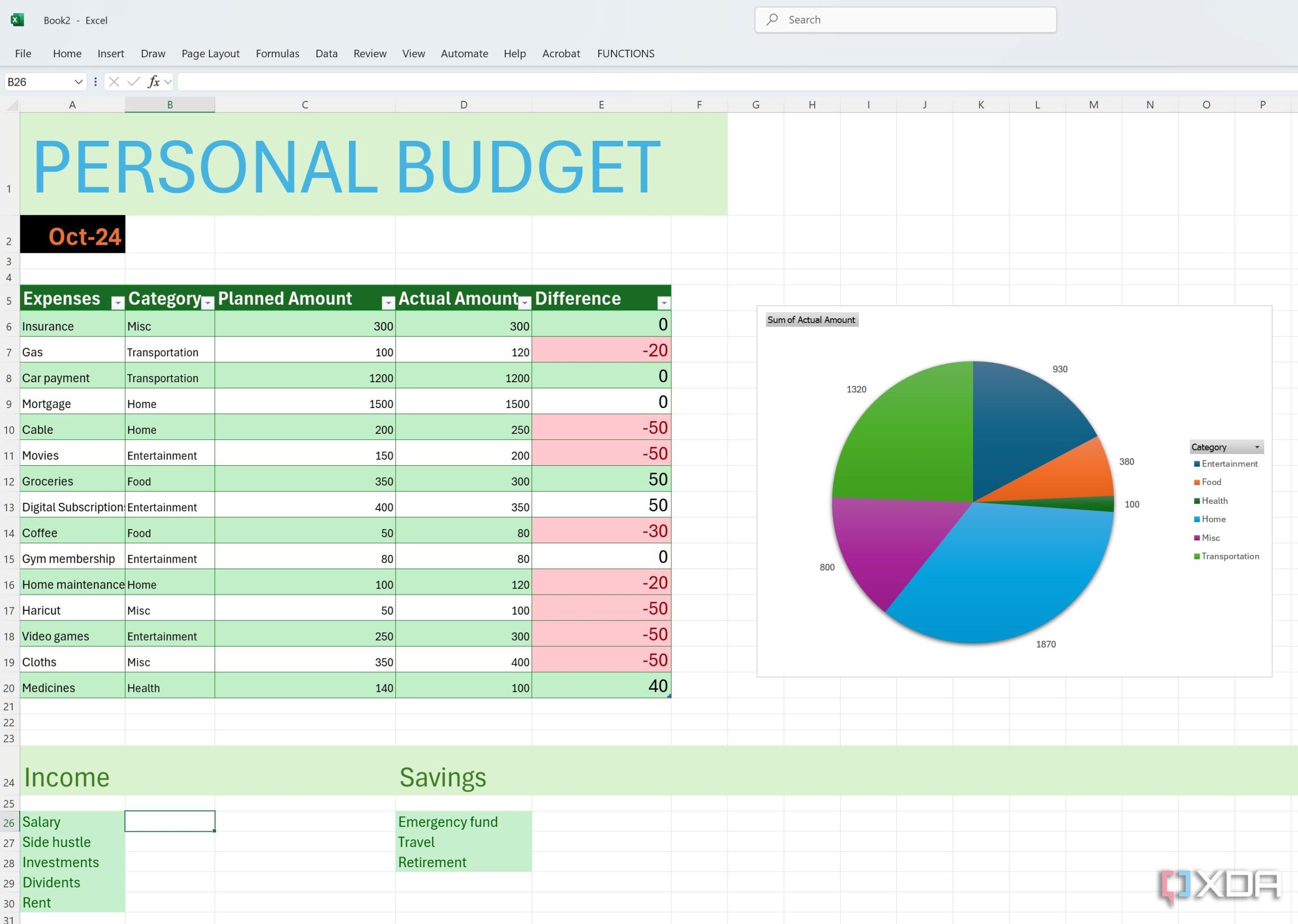
When Sarah, a dedicated homeschooling parent, sat down at her kitchen table, she found herself overwhelmed with the financial planning needed for the upcoming school year. With expenses for supplies, extracurricular activities, and household bills piling up, she realized that Making A Budget Worksheet In Excel could be the solution she needed to gain control over her finances. This powerful tool not only simplifies tracking income and expenses but also empowers users to make informed financial decisions.
Understanding the Basics of a Budget Worksheet
A budget worksheet serves as a practical tool for recording and managing financial information. It helps users categorize their income and expenses, allowing for a clearer understanding of their financial situation. In an educational context, budget worksheets can be particularly useful for teachers and parents who need to manage classroom supplies or family expenses effectively.
Key Components of a Budget Worksheet
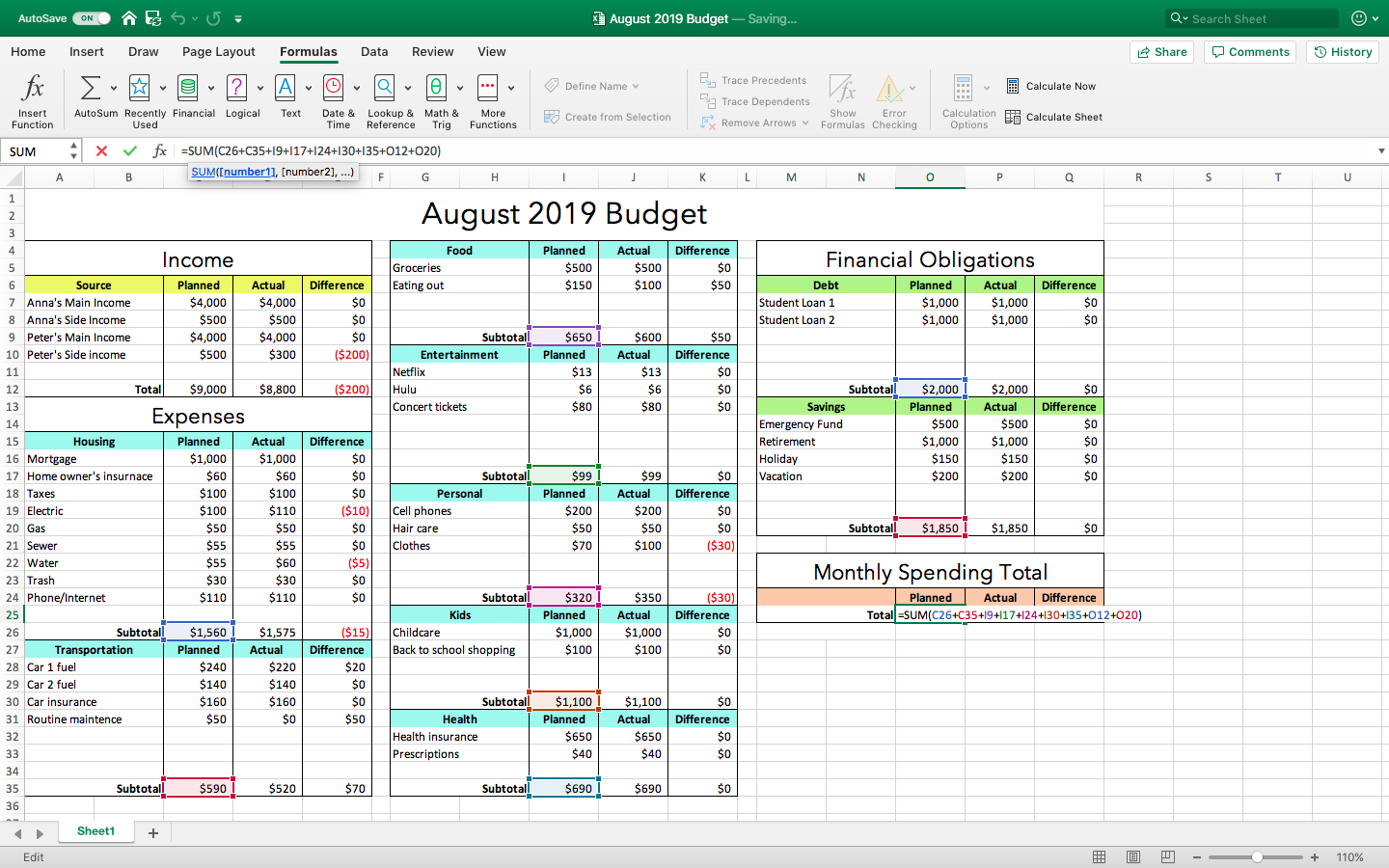
- Income Sources: This section includes all potential income, such as salaries, allowances, or any other financial support.
- Fixed Expenses: These are regular payments that remain constant each month, like rent or mortgage, utilities, and insurance.
- Variable Expenses: Unlike fixed expenses, these can fluctuate. This category may include groceries, entertainment, and school supplies.
- Savings Goals: Setting aside money for future needs or emergencies can help promote financial literacy among students.
- Net Income: This is calculated by subtracting total expenses from total income, showing how much money is left after all obligations.
Creating Your Budget Worksheet in Excel
Making a Budget Worksheet In Excel is straightforward and user-friendly. Here’s how to create one step by step:
Step 1: Open Excel and Set Up Your Document
Start by opening a new Excel worksheet. It’s best to use a blank template to customize your budget according to your specific needs.
Step 2: Create Headings for Your Columns
Label the first row of your worksheet with the following headings:
- Category: For example, Income, Fixed Expenses, Variable Expenses, Savings Goals.
- Amount: The monetary value for each category.
- Notes: Any additional information about specific expenses or income sources.
Step 3: Input Your Income and Expenses
Begin filling in your budget categories with the relevant income and expenses. For instance, under income, you might include your salary or any other sources of funds. Under expenses, list out your fixed and variable costs.
Step 4: Use Formulas for Easy Calculations
Excel allows users to perform calculations effortlessly. To find your total income, you might use the SUM function. For example, in the cell designated for total income, type `=SUM(B2:B5)` if your income sources are listed in cells B2 to B5.
Step 5: Track Your Progress
Regularly update your worksheet to reflect actual spending and income. This helps in tracking whether you are sticking to your budget and where adjustments might be necessary.
Tips for Effective Budgeting in Excel
- Keep It Simple: Start with basic categories, and expand as you become more comfortable with budgeting.
- Use Color Coding: Different colors for income, expenses, and savings can visually enhance understanding.
- Review Regularly: Set a specific time each week or month to review your budget, making necessary adjustments as life changes.
Integrating Budget Worksheets in the Classroom
Teachers can also use Making A Budget Worksheet In Excel as a practical tool for financial literacy lessons. Here’s how it can be integrated into the curriculum:
Classroom Activities
- Group Projects: Students can work in teams to create their own budget worksheets, simulating real-life scenarios such as planning a field trip or managing classroom resources.
- Guest Speakers: Invite financial experts to discuss the importance of budgeting and financial planning.
- Real-Life Applications: Discuss how budgeting affects personal goals and future planning, helping students understand the relevance of financial literacy.
Age Appropriateness
While budgeting concepts can be introduced at various levels, elementary students can start learning basic money management skills. Middle and high school students can delve deeper into budgeting for larger expenses, like college or personal projects.
Resources for Downloadable Budget Worksheets
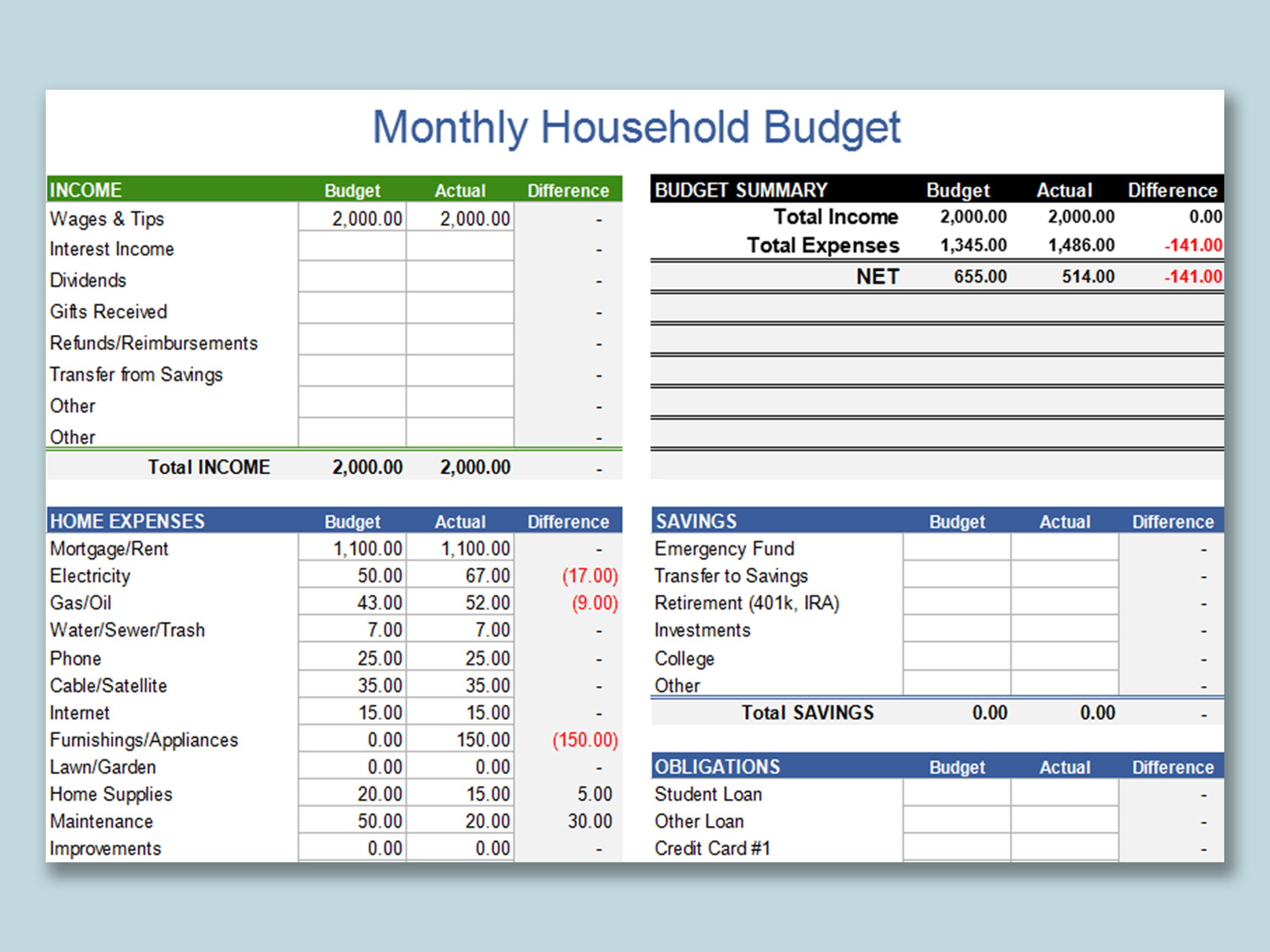
For those ready to get started, numerous printable resources and templates are available online. Websites specializing in educational resources often provide free or low-cost templates that can be easily adapted in Excel.
- Budget Templates: Many sites offer pre-made Excel templates that can save time and provide a clear structure.
- Interactive Worksheets: Some resources allow users to input their data directly into a template, making it easy to customize and save.