When you want to manage your finances effectively, a great starting point is to make your own monthly budget worksheet. This resource is perfect for teachers, parents, or anyone looking to instill good budgeting habits in their children or students. A personalized worksheet not only helps track income and expenses but also fosters financial literacy in a fun and engaging way.
Understanding the Basics of a Monthly Budget Worksheet
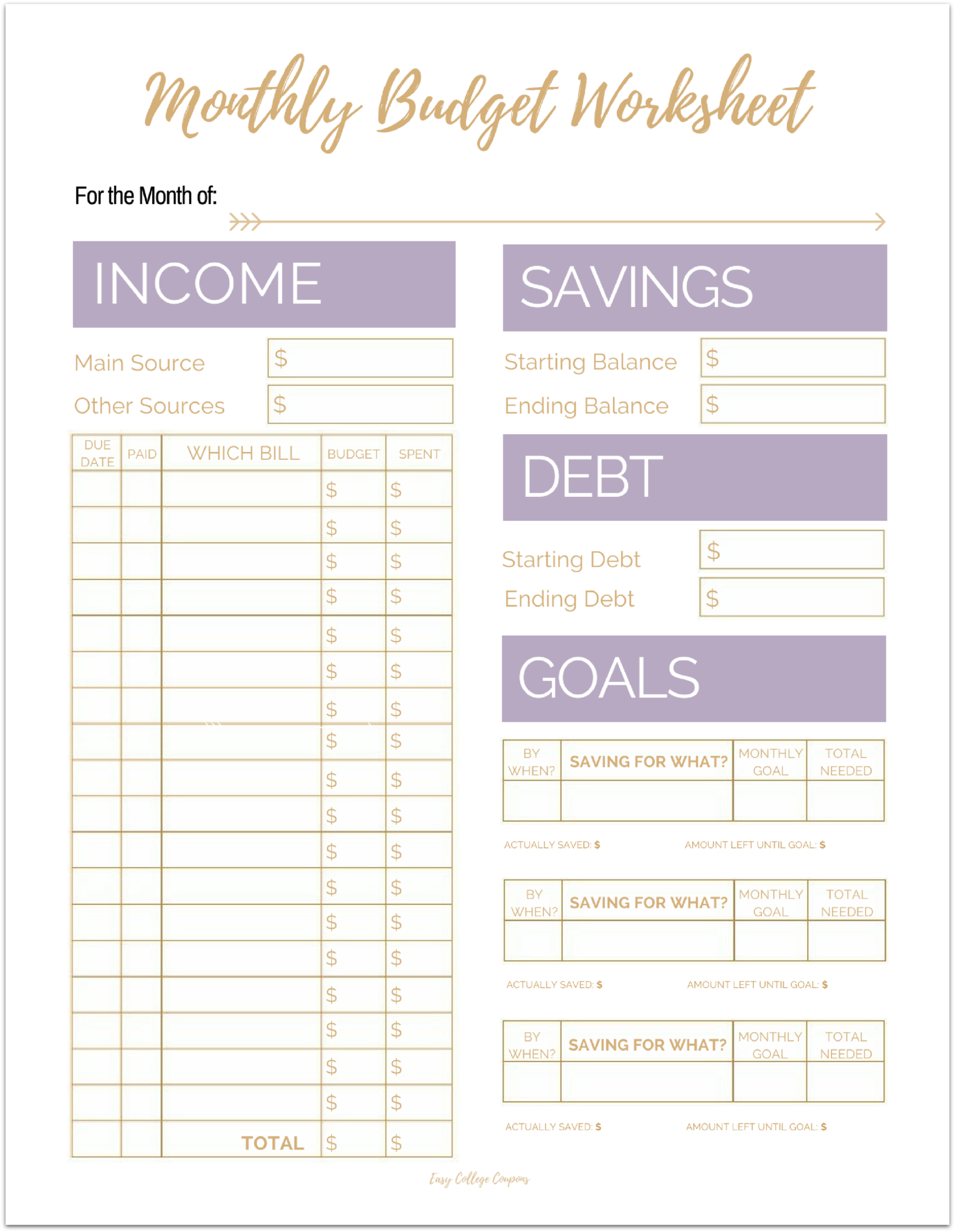
A monthly budget worksheet is a tool that allows you to outline your income, expenses, and savings goals for the month. It typically includes sections for different categories like housing, food, transportation, and discretionary spending. By filling in these details, you can gain a clearer view of your financial situation and make informed decisions about your spending.
Why Create Your Own Worksheet?
While there are plenty of pre-made budgeting templates available online, creating your own monthly budget worksheet can be more beneficial. Here’s why:
- Customization: You can tailor it to fit your specific needs and preferences. For instance, you might want to add categories that are relevant to your household or family.
- Engagement: Involving children or students in the creation process can make the concept of budgeting more relatable and engaging.
- Creativity: You can design it in a way that makes sense to you, whether that means using colors, charts, or unique layouts.
Components of an Effective Monthly Budget Worksheet
When designing your worksheet, consider including the following sections:
- Income: List all sources of income, such as salaries, allowances, or other earnings.
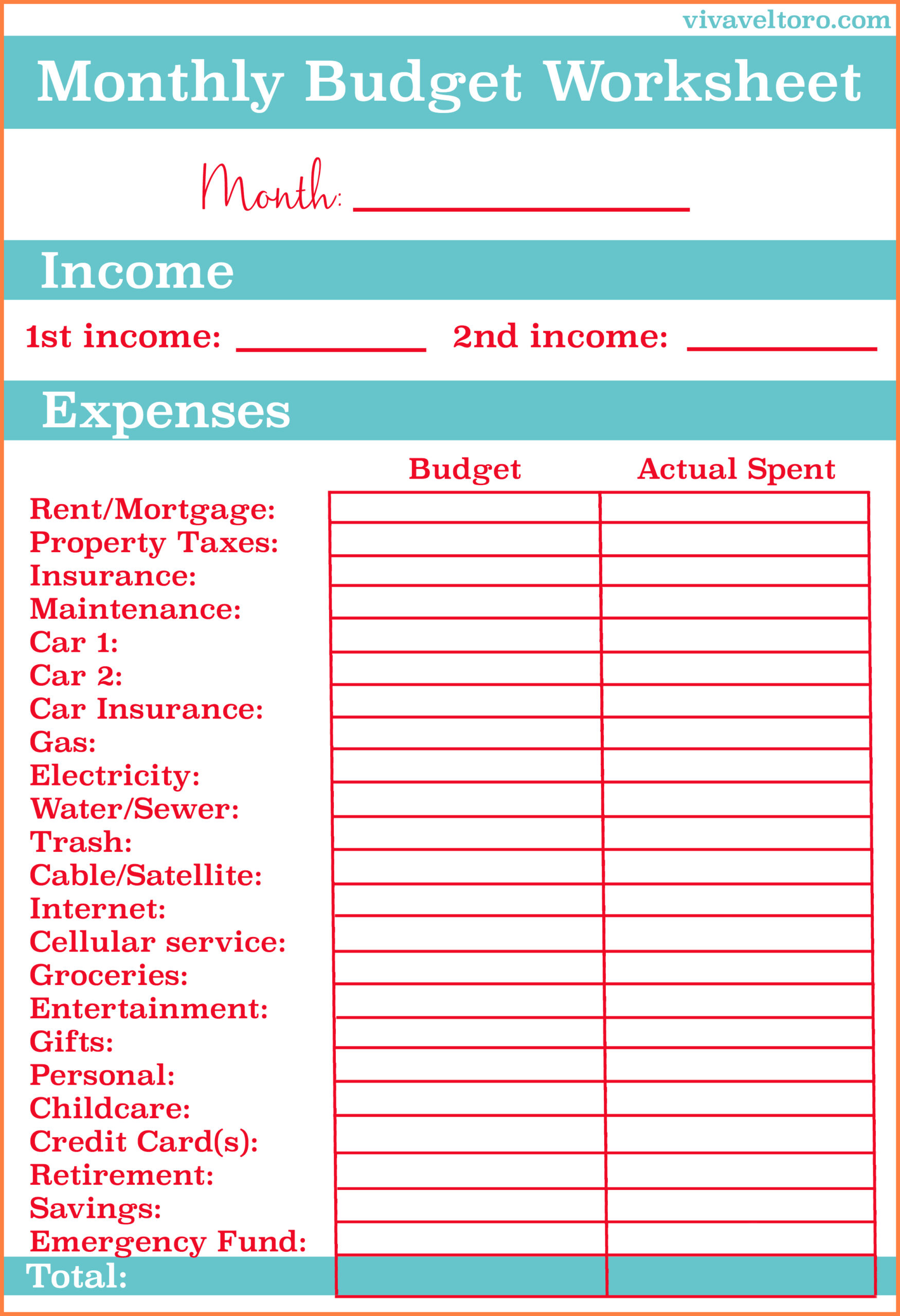
- Fixed Expenses: Include monthly bills like rent, utilities, and insurance.
- Variable Expenses: Capture costs that fluctuate each month, such as groceries, entertainment, and personal care.
- Savings Goals: Dedicate a section to outline how much you want to save each month and what for (e.g., emergency fund, vacation, or education).
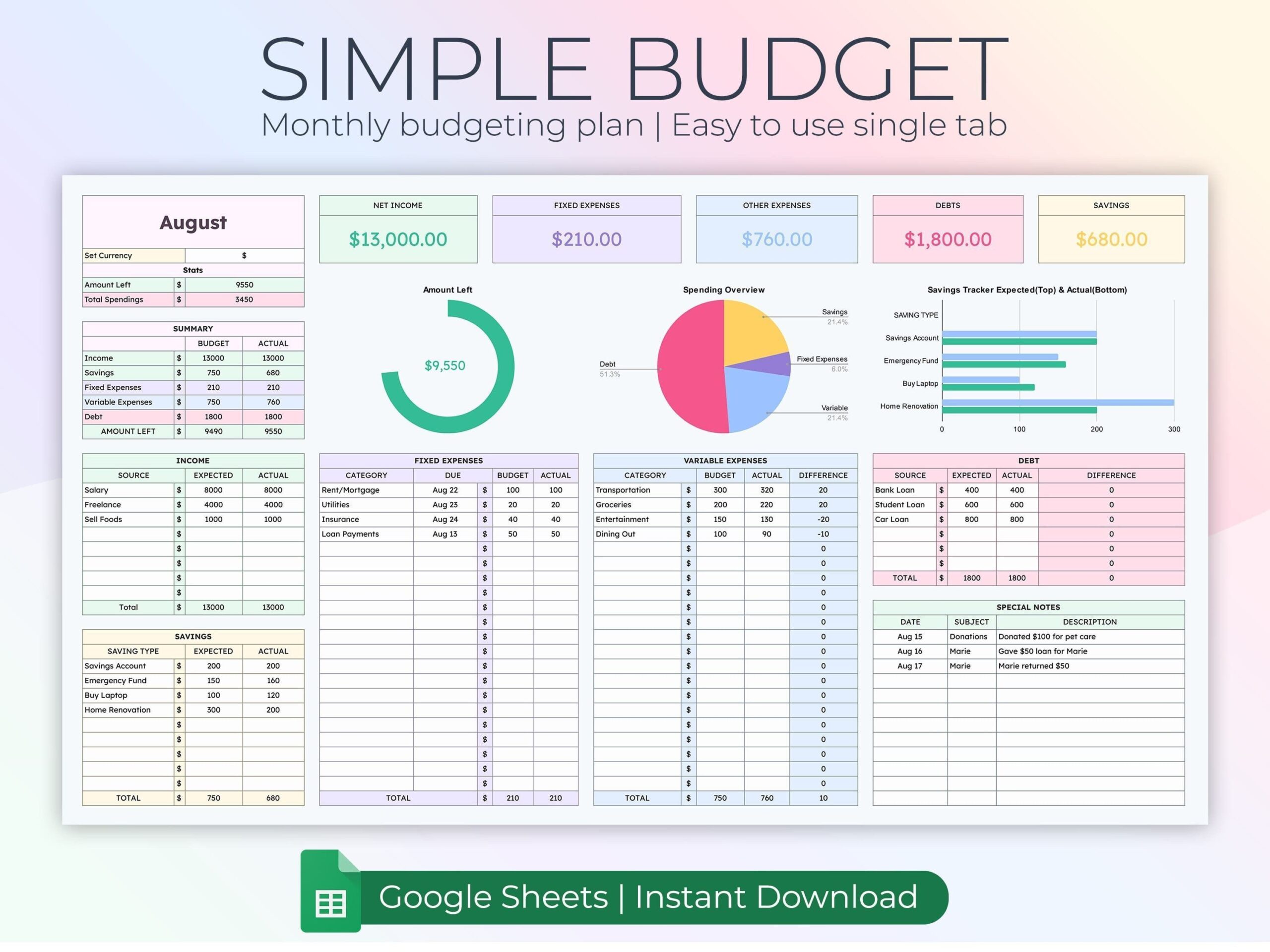
- Summary Section: At the end of the month, include a summary where you can compare your planned budget versus actual spending.
Suggested Layout and Format
A user-friendly layout can enhance usability. Here are some tips for your worksheet:
- Portrait Orientation: This layout tends to work better for most home printers, allowing you to fit more information neatly on a single page.
- Clear Sections: Use headings and boxes to separate different parts of the budget. This makes it easier to read.
- Visual Elements: Incorporate graphs or charts if you want to visualize your spending patterns.
How to Use Your Monthly Budget Worksheet
Once you’ve created or downloaded your monthly budget worksheet, it’s time to put it to use. Here’s a step-by-step guide:
- Fill in Your Income: Start by entering your total income for the month. Be sure to include all sources.
- Estimate Your Expenses: Look back at previous months to estimate your fixed and variable expenses. This helps you create a realistic budget.
- Set Savings Goals: Determine how much you’d like to save and adjust your spending categories accordingly.
- Track Your Spending: Throughout the month, keep your worksheet handy to record any expenses as they occur. This real-time tracking can help you stay within budget.
- Review and Adjust: At the end of the month, review your worksheet. Compare your planned budget against actual expenses and make adjustments for the next month as needed.
Tips for Success
- Be Honest: When recording your expenses, it’s crucial to be honest with yourself. This is a tool to help you, not to judge you.
- Regular Updates: Make it a habit to update your worksheet regularly—ideally, daily or weekly. This keeps your budget accurate and relevant.
- Involve Others: If you’re using this worksheet as part of a family or classroom activity, encourage everyone to contribute. This can foster a sense of teamwork and accountability.
Additional Resources
To further enhance your budgeting experience, consider utilizing additional resources:
- Printable Templates: Many websites offer free downloadable budget worksheets. You can use these as a starting point and modify them to fit your needs.
- Budgeting Apps: There are numerous apps available that can complement your worksheet by providing real-time tracking and alerts.
- Workshops or Classes: Look for local or online workshops that focus on financial literacy. These can provide additional strategies for effective budgeting.