Creating a home budget can feel overwhelming, especially if you’re not sure where to start. A well-structured home budget worksheet makes tracking expenses and income straightforward. If you are a teacher looking to incorporate budgeting lessons into your curriculum or a parent guiding your child in financial literacy, making a home budget worksheet can be an invaluable tool. Let’s explore how to create and use this resource effectively.
Understanding the Basics of a Home Budget Worksheet
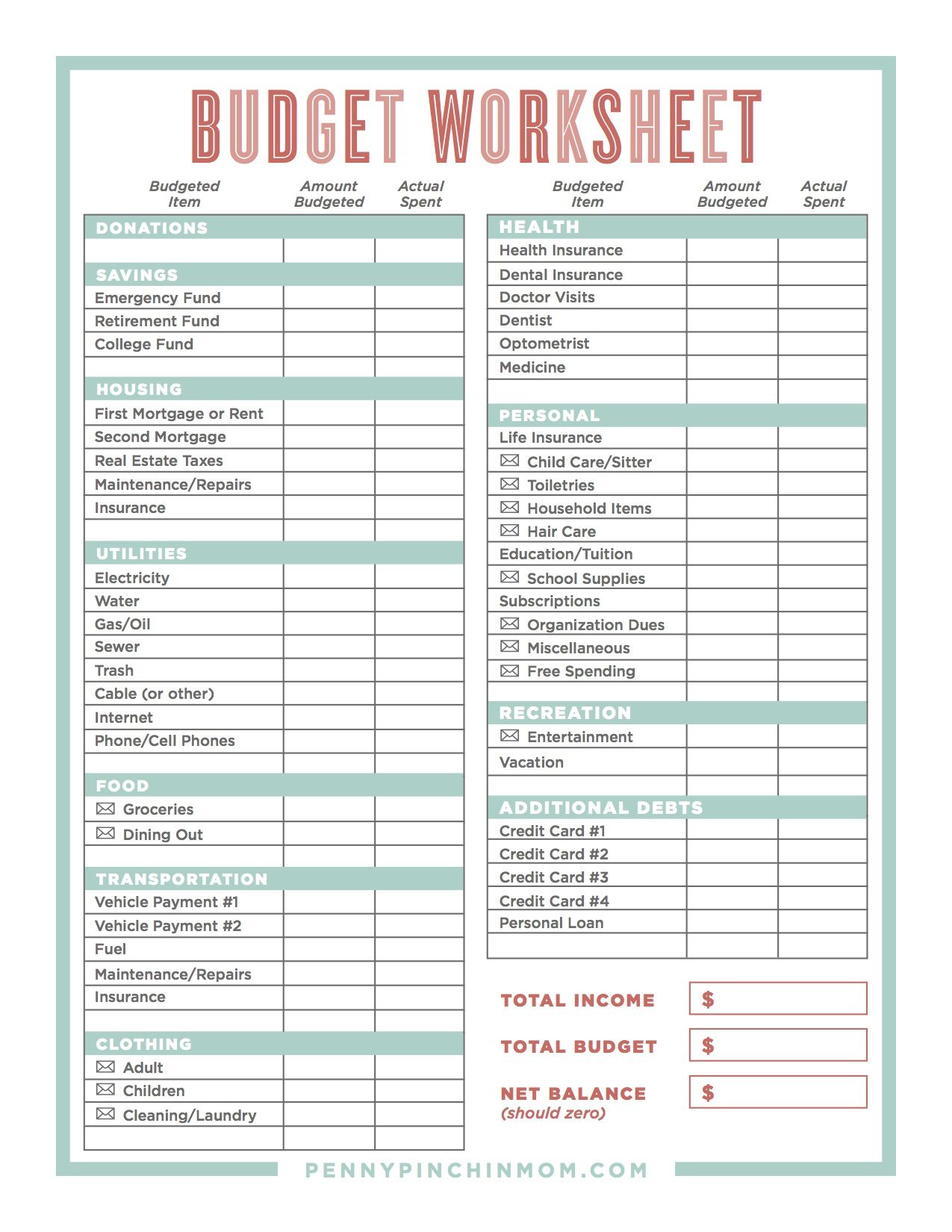
A home budget worksheet is a tool that helps individuals or families track their income and expenses over a certain period, typically monthly. This resource is designed to assist users in understanding their financial situation, allowing them to spend wisely and save for future goals.
Key Components of a Budget Worksheet
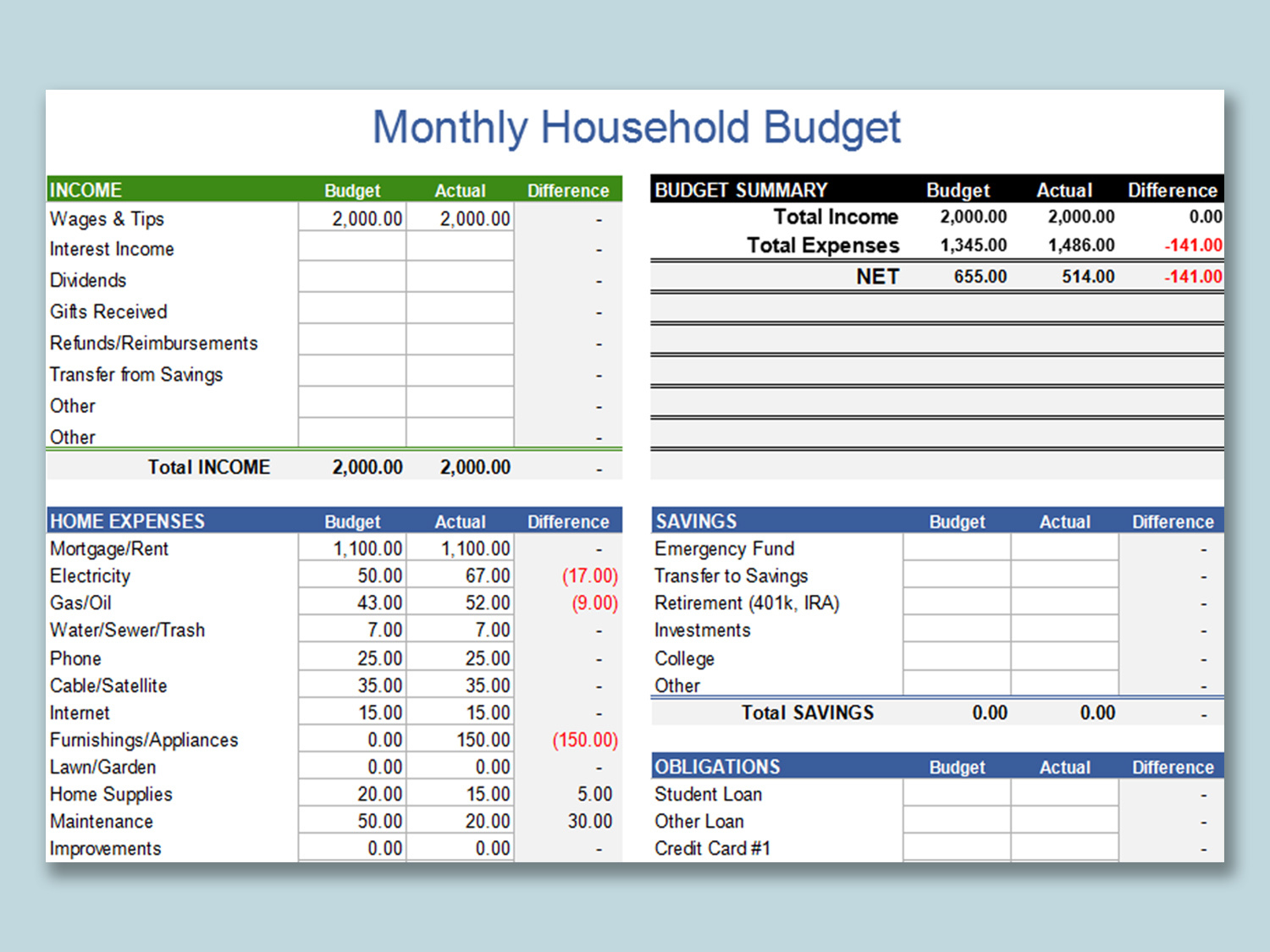
When making a home budget worksheet, you’ll want to include several key components:
- Income: List all sources of income, such as salaries, bonuses, or side gigs.
- Fixed Expenses: These are regular, unchanging expenses like rent or mortgage payments, insurance, and subscriptions.
- Variable Expenses: These can fluctuate month to month, including groceries, utilities, and entertainment.
- Savings Goals: Allocate a portion of your budget towards savings for emergencies, retirement, or specific goals like vacations or education.
- Debt Repayment: If applicable, include sections for credit card payments, loans, or other debts.
Each of these areas is essential for creating a comprehensive view of your financial situation.
How to Create Your Home Budget Worksheet
Creating your budget worksheet can be a simple, step-by-step process. Here’s how to do it:
Step 1: Choose a Format
Decide whether you want to create a digital or paper version of your worksheet. Many people prefer a printable format for ease of use. Consider using a PDF template that you can download and print. This will allow for easy updates and adjustments as needed.
Step 2: Download a Template
Look for a pre-made home budget worksheet template that suits your needs. There are many free resources available online. Ensure that the template has sections for all the key components mentioned earlier.
Step 3: Fill in Your Income
Start by entering all sources of income. Be as detailed as possible. If you have a regular salary, note the amount after taxes. Include any additional income streams as well, such as freelance work or child support.
Step 4: List Your Expenses
Next, categorize your expenses into fixed and variable. For fixed expenses, use the amounts as they are typically consistent. For variable expenses, review past bills or receipts to estimate what you usually spend. This will help in creating a realistic budget.
Step 5: Set Your Savings Goals
Determine how much you can realistically save each month. This may require some trial and error, especially if you’re new to budgeting. Aim to set aside a percentage of your income, even if it’s a small amount.
Step 6: Review and Adjust
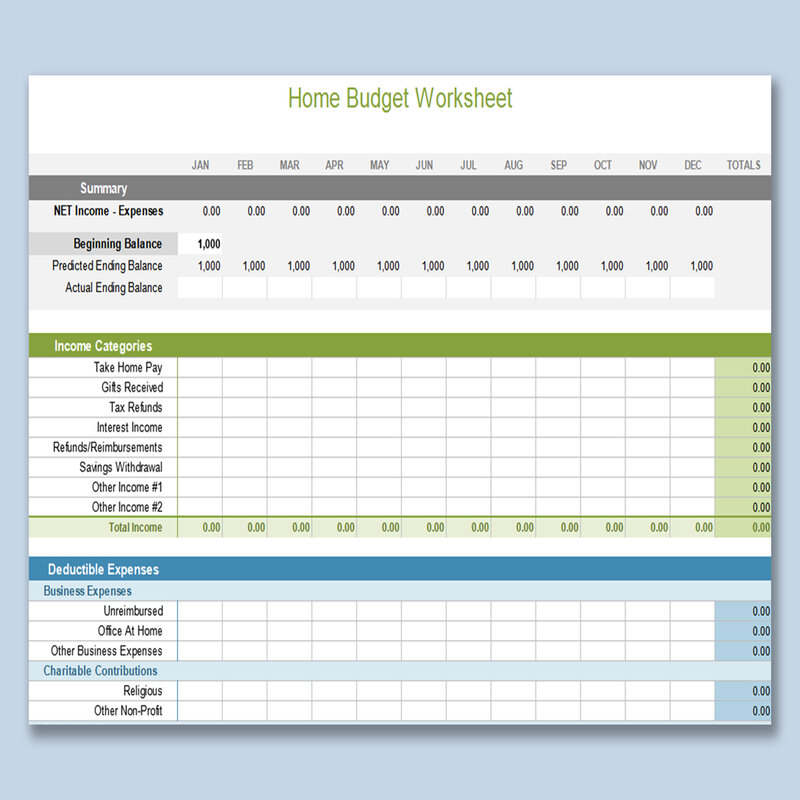
A budget is not set in stone. After filling out your worksheet, review it regularly. Track your actual spending against your budget to see where adjustments are needed. This will help you stay on track and make informed financial decisions.
Using the Home Budget Worksheet in Education
Incorporating budgeting into your teaching can enhance financial literacy among students. Here’s how to effectively use the worksheet in a classroom or homeschool setting:
Age Appropriateness
Introduce the concept of budgeting to students around grades 4 to 6. At this age, they can grasp basic financial concepts and understand the value of money.
Practical Activities
Engage students by allowing them to create their own budget worksheets. You can simulate a “real-world” scenario where they have a set income and must allocate it to different expenses. This hands-on approach helps solidify their understanding of budgeting.
Group Discussions
After completing the worksheets, hold discussions about the choices students made. What were the hardest decisions? Did they find it easy to save? This reflection will encourage critical thinking about financial priorities.
Tips for Effective Budgeting
Here are some practical tips to keep in mind when making a home budget worksheet:
- Be Realistic: Don’t overestimate your income or underestimate your expenses. A budget only works if it reflects reality.
- Include All Expenses: It’s easy to forget small, irregular expenses. Make sure to include everything, even if it seems minor.
- Use Technology: While a paper worksheet is great, consider using budgeting apps for real-time tracking. This can enhance the learning experience for students.
- Stay Flexible: Life changes, and so will your budget. Adjust it as necessary to fit your current financial situation.