Creating and managing a budget can seem daunting, but knowing how to fill out a budget sheet makes the process much simpler. Whether you’re teaching students about financial literacy or helping your children learn to manage their allowances, a budget sheet can be an invaluable tool. This guide will walk you through the essential steps to fill out a budget sheet, making it easy to integrate into classroom or home learning.
Understanding the Purpose of a Budget Sheet
A budget sheet is a document that helps track income and expenses. It allows you to see where money is coming from and where it is going, helping to plan for future needs. This is particularly useful in a classroom setting, where students can learn about financial responsibility and planning.
When introducing a budget sheet to students or children, it’s important to explain its purpose. You might say something like, “A budget helps us understand how much money we have, how much we spend, and how we can save for things we want.” This foundation helps them grasp the importance of managing finances, setting goals, and making informed decisions.
Components of a Budget Sheet
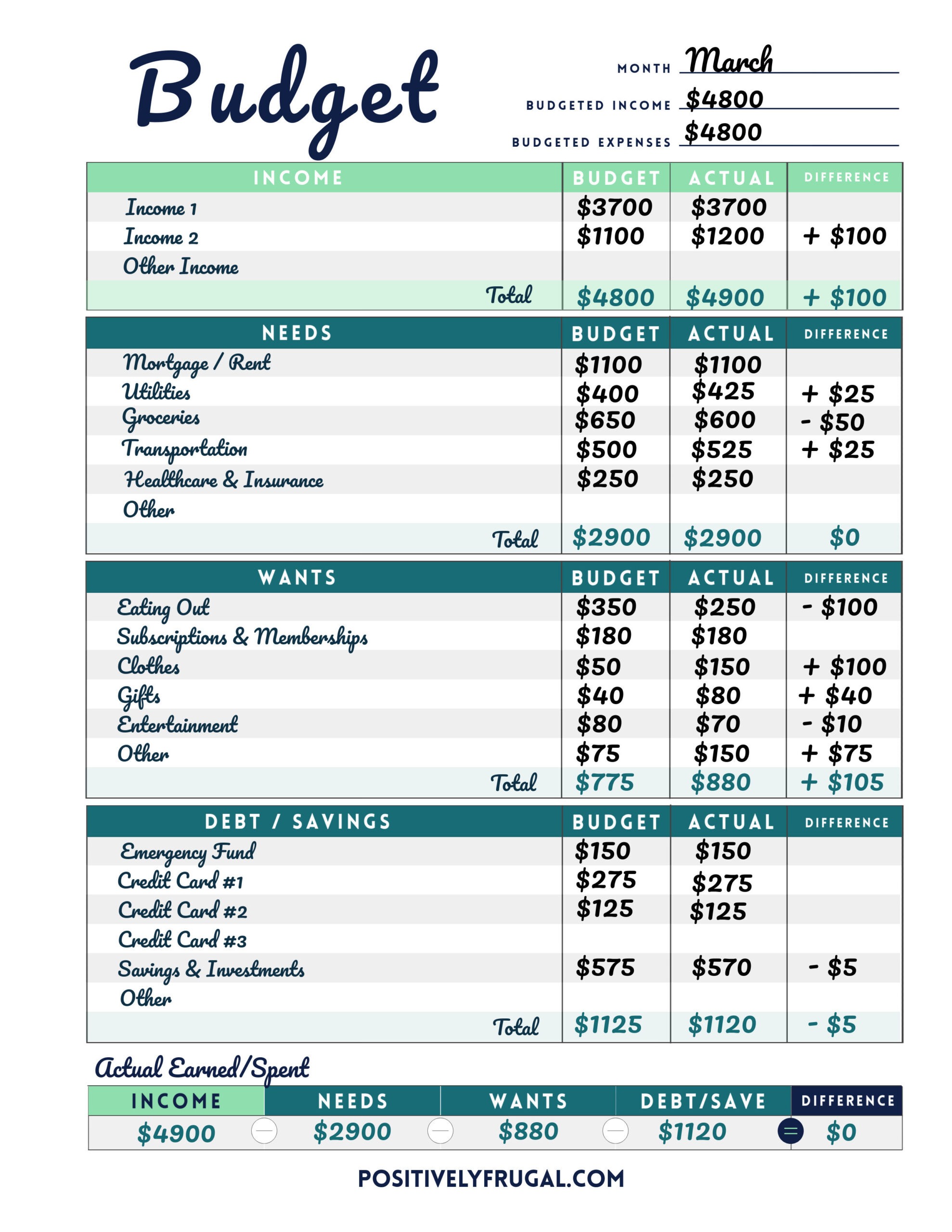
To successfully fill out a budget sheet, you need to understand its key components. A typical budget sheet will include:
- Income: This section lists all sources of income, such as allowances, part-time jobs, or any other money received.
- Fixed Expenses: These are regular, unchanging costs like rent, subscriptions, or tuition fees.
- Variable Expenses: This includes costs that can fluctuate, such as groceries, entertainment, and clothing.
- Savings: A section dedicated to setting aside money for future goals or emergencies.
- Total Balance: This is a calculation of total income minus total expenses, showing how much money is left.
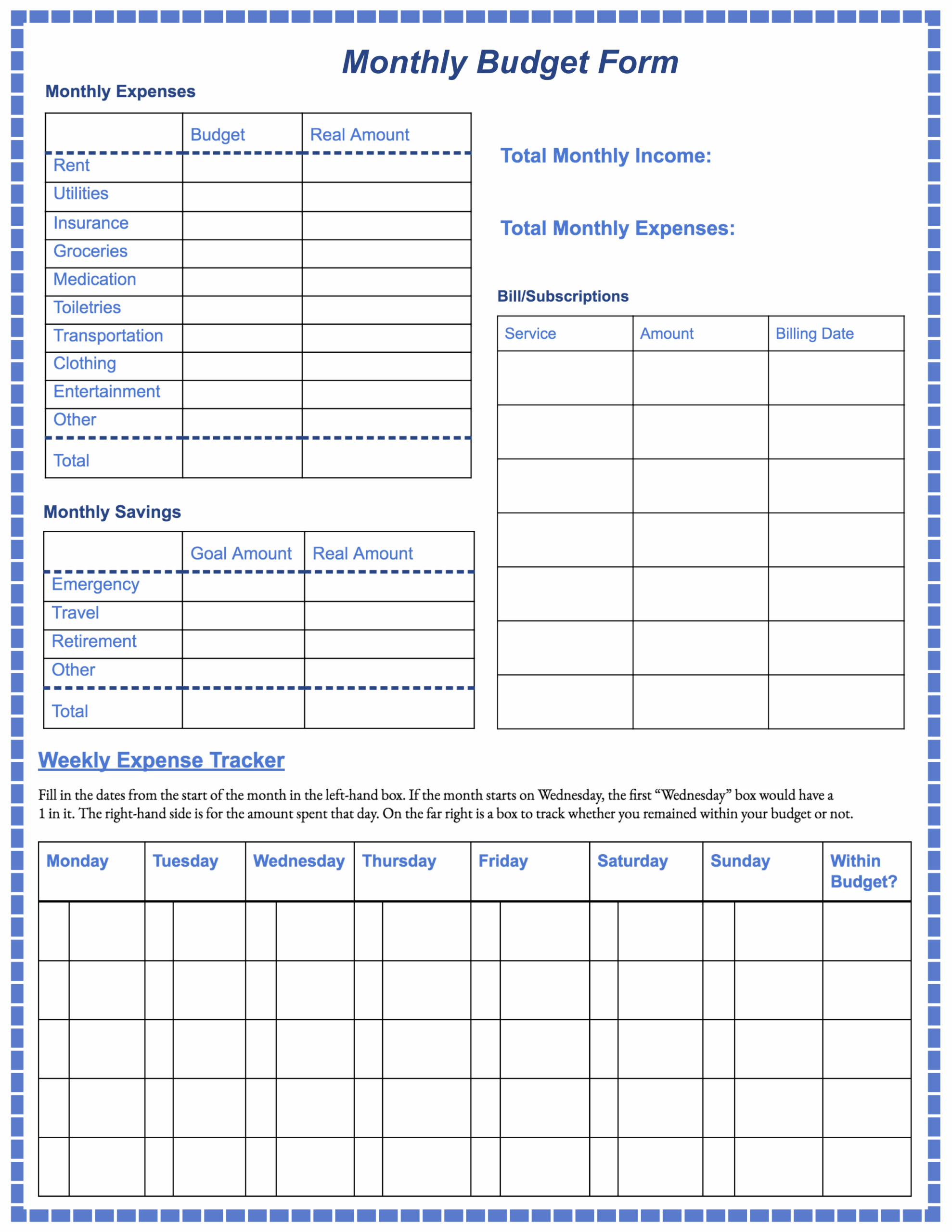
When teaching or using this resource, you can create a simple budget sheet template that includes these categories. Make sure to use clear headings and space for students to write in their amounts, which will encourage them to engage with the material.
Step-by-Step Guide to Filling Out a Budget Sheet
Now that you know the components, here’s a practical step-by-step guide on how to fill out a budget sheet effectively.
1. List Your Income
Start by writing down all sources of income. This could include:
- Allowances
- Part-time job earnings
- Gifts or other funds
Make sure students understand that they need to be honest and thorough in this section. Encourage them to add up their total income at the bottom of this section.
2. Identify Fixed Expenses
Next, have students identify their fixed expenses. These are expenses that do not change month to month. Examples include:
- Rent or mortgage payments
- Insurance premiums
- Subscription services (like Netflix or Spotify)
By making a list of these expenses, students can clearly see their non-negotiable bills. It’s beneficial to discuss why these expenses are vital and how they impact their finances.
3. Calculate Variable Expenses
After fixed expenses, it’s time to tackle variable expenses. This can be a bit trickier since these costs can change. Encourage students to think about:
- Food costs
- Transportation (gas, public transport)
- Entertainment (movies, games)
You might suggest they look at their spending from the previous month to estimate these amounts accurately. It’s a great opportunity to teach them about tracking their spending habits.
4. Set Savings Goals
Encourage students to think about their savings. Ask them what they would like to save for, whether it’s a new video game, a bike, or college. This section should include:
- Short-term goals (saving for a toy)
- Long-term goals (saving for college)
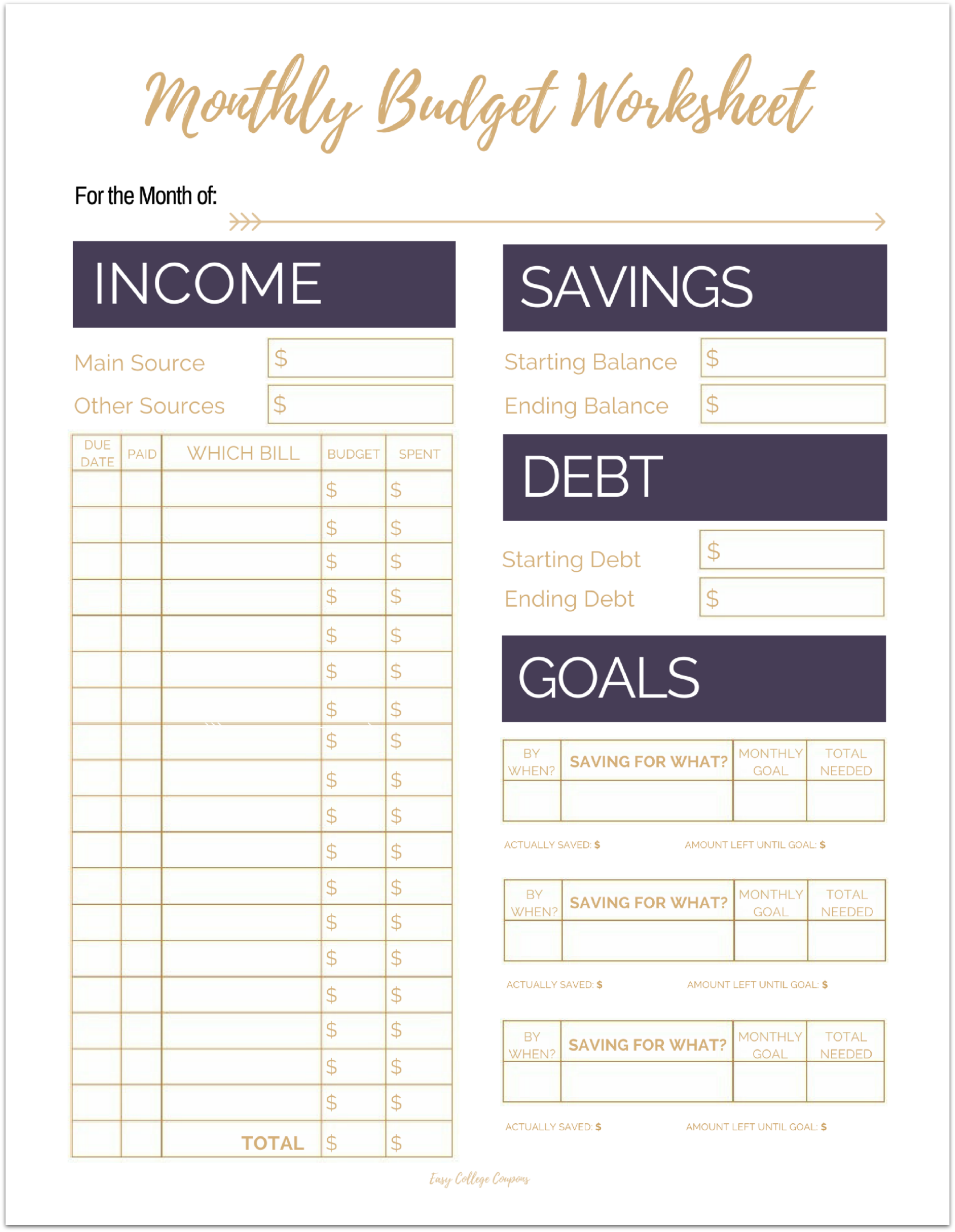
Setting savings goals helps students understand the importance of planning for their future. They can write down their goals and the amounts they want to save each month.
5. Total It Up
Once all sections are filled out, guide students to calculate their total expenses and total savings. The next step is to subtract total expenses from total income to find out how much money they have left over. This total balance can help them see if they are living within their means or if they need to adjust their spending.
Tips for Using a Budget Sheet in the Classroom or at Home
Using a budget sheet effectively requires some practical strategies. Here are a few tips for teachers and parents:
- Regular Review: Set aside time each week or month to review the budget sheet. This practice encourages accountability and adjustments as needed.
- Discuss Adjustments: If students find they are spending too much in a particular area, help them brainstorm ways to cut back. This promotes critical thinking and problem-solving.
- Celebrate Success: When students reach their savings goals, celebrate their achievements. This reinforcement can motivate them to continue managing their finances responsibly.
Making Budgeting Fun
Budgeting doesn’t have to be boring! Consider integrating games or challenges into your lessons. For instance, you might create a classroom competition where students can save the most money over a month. This gamification can make learning about budgeting more engaging.
You can also incorporate digital tools. Many apps and online tools can help track budgets and expenses visually, which can be particularly appealing to older students.