A budget worksheet is a practical tool that can help you manage finances effectively. Understanding how to do a budget worksheet is essential for teachers and parents who want to instill good financial habits in their students or children. This guide will break down the process into simple steps, making it easy for anyone, even kids, to follow.
Understanding the Budget Worksheet
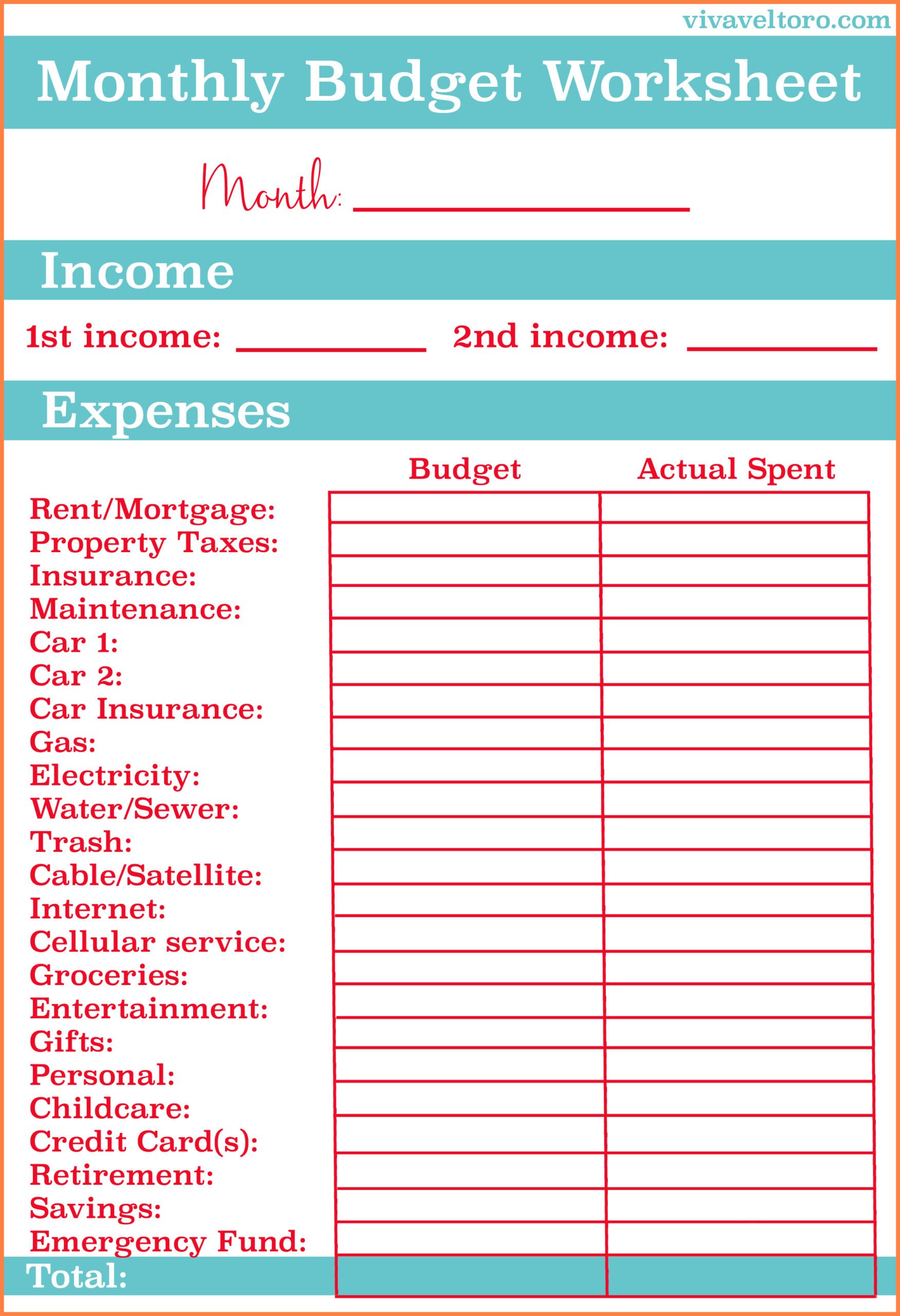
Before diving into the steps, it’s crucial to understand what a budget worksheet is. A budget worksheet typically includes sections for income, expenses, savings, and goals. By filling it out, you can get a clear overview of how money comes in and goes out, allowing for informed financial decisions.
Key Components of a Budget Worksheet
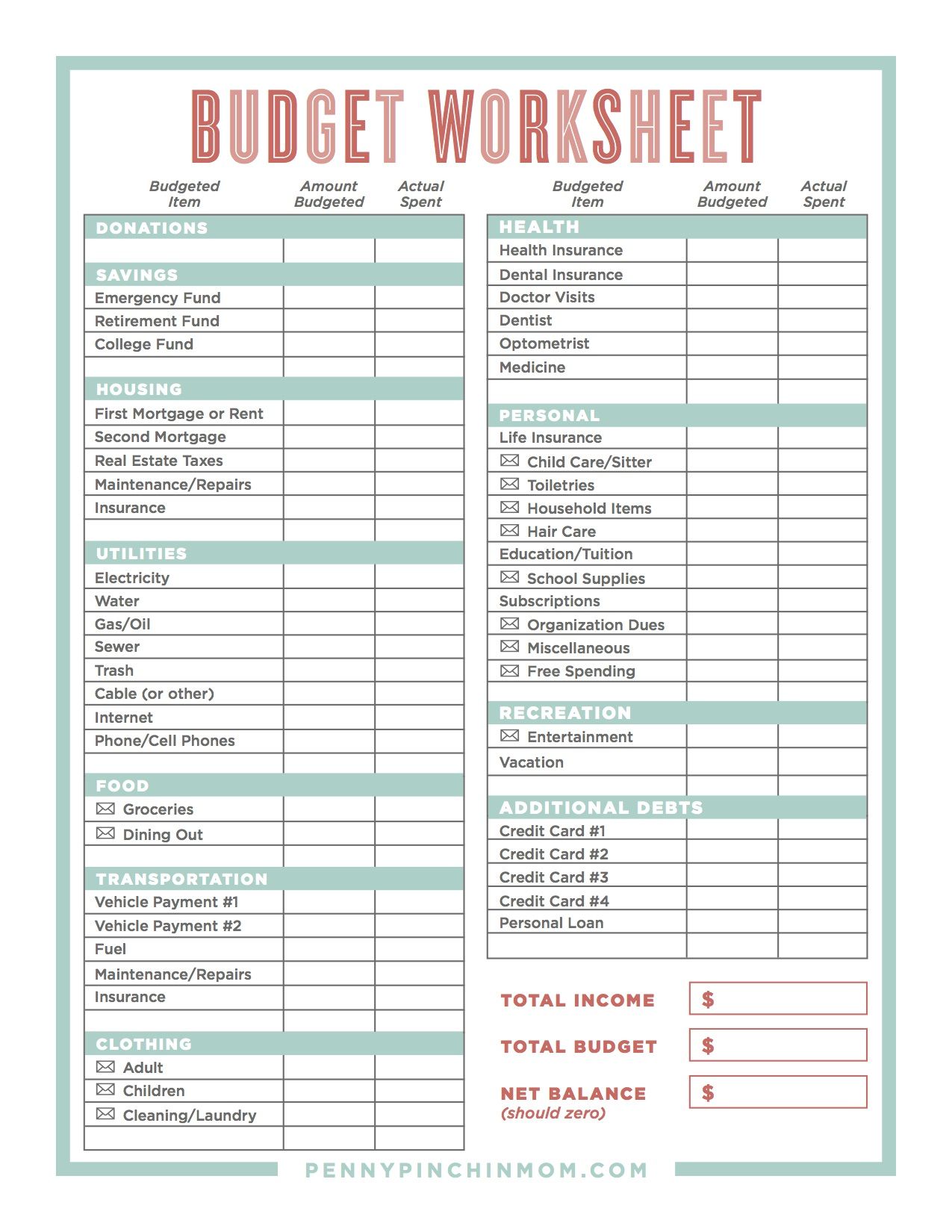
A well-structured budget worksheet usually contains the following components:
- Income Section: This is where you list all sources of income, including salaries, allowances, or any side jobs.
- Expense Section: Here, you categorize your expenses into fixed (like rent or utilities) and variable (like groceries or entertainment).
- Savings Goals: This section helps track savings for specific goals, such as a vacation or a new gadget.
- Comparison: A comparison area allows you to see how your income stacks up against your expenses.
Step 1: Choose the Right Template
The first step in using a budget worksheet is to select a template that fits your needs. Printable budget worksheets are widely available online and can be downloaded in formats such as PDF or Excel. When selecting a template, consider the following:
- Age Appropriateness: Ensure the worksheet is suitable for the age group you are working with. Younger students may need a simpler format.
- Customization Options: Look for templates that allow you to add or remove categories based on your specific needs.
- Print Format: Choose a layout that works well with your printer settings. Portrait orientation often fits standard paper sizes better.
Step 2: Download and Print
Once you have selected your template, it’s time to download and print it. Here are some tips for this step:
- File Format: If you’re using a PDF, it will maintain its formatting better than an image file when printed.
- Paper Size: Use standard letter size (8.5” x 11”) for easy printing. If you plan to laminate it for repeated use, consider using cardstock for durability.
- Printer Settings: Make sure to select the correct paper size in your printer settings to avoid any cropping issues.
Step 3: Gather Financial Information
Before filling out your budget worksheet, gather all necessary financial information. This may include:
- Income Sources: Collect any documentation of income, such as pay stubs or allowance records.
- Expense Records: Review bank statements or receipts to accurately list monthly expenses.
- Savings Goals: Think about what you want to save for and how much you will need.
This preparation step is vital, as it ensures that you have a complete picture of your financial situation.
Step 4: Fill Out the Income Section
Start by filling out the income section of the worksheet. Be honest and thorough. Here’s how to approach it:
- List All Sources: Include all forms of income, not just salary. For students, this might include allowances or money earned from chores.
- Calculate Total Income: Add up all the sources to find your total income for the month. This number will be crucial in determining how much you can spend and save.
Step 5: Document Expenses
Next, move on to the expenses section. Categorize your expenses to make the process easier:
- Fixed Expenses: These are regular payments that do not change, like rent or subscriptions. Fill these in first.
- Variable Expenses: These can fluctuate each month, such as groceries or entertainment. Estimate these based on past spending.
- Total Expenses: Add these up to find your total monthly expenses.
Step 6: Set Savings Goals
After documenting your income and expenses, it’s time to focus on savings. Setting goals is a critical part of budgeting:
- Identify Goals: Decide what you want to save for. It could be a new game, a trip, or even a future investment.
- Determine Amount: Specify how much you need to save each month to reach your goals within a certain time frame.
- Track Progress: Consider using a separate section of your worksheet to track how much you have saved towards your goals.
Step 7: Compare Income and Expenses
Now that you have filled out the income and expenses sections, it’s time to compare the two:
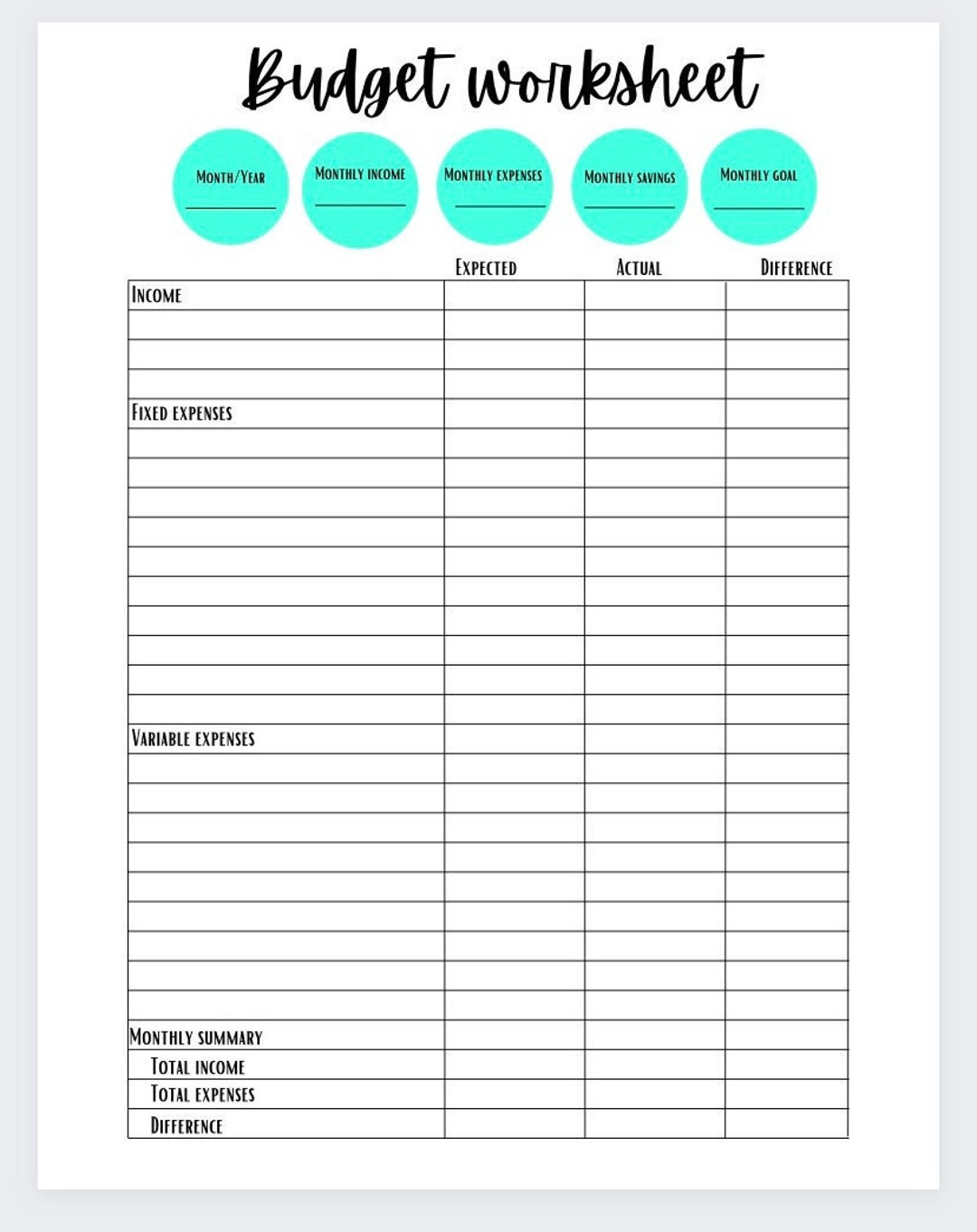
- Calculate Surplus or Deficit: Subtract total expenses from total income. If you have a surplus, that’s great! If you have a deficit, you’ll need to adjust your expenses or find ways to increase your income.
- Adjust Accordingly: If expenses exceed income, look for areas where you can cut back. This could mean spending less on entertainment or shopping.
Step 8: Review and Adjust Regularly
Budgeting is not a one-time task; it requires continual review and adjustment. Here’s how to stay on track:
- Monthly Check-Ins: Set a date each month to review your budget. This will help you stay accountable.
- Adapt to Changes: Life changes, and so will your finances. Be ready to adapt your budget as needed.
- Involve Others: If you’re teaching students, consider making this a group activity where everyone can share their experiences and tips.
Step 9: Use Budgeting Tools
In addition to the budget worksheet, consider using additional tools to enhance your budgeting experience:
- Apps and Software: There are numerous budgeting apps available that can sync with your bank accounts for real-time tracking.
- Visual Aids: Charts or graphs can help visualize your income versus expenses, making it easier to understand financial health.
- Educational Resources: Many organizations offer free resources for teaching financial literacy, which can complement your budgeting efforts.
Step 10: Celebrate Achievements
Finally, make sure to celebrate your financial milestones. Recognizing your achievements, whether big or small, can motivate you to continue budgeting effectively. This could be as simple as treating yourself to something small when you meet a savings goal or enjoying a fun outing when you successfully stick to your budget for a month.
Remember, budgeting is a learning process. The more you practice, the more adept you’ll become at managing your finances. By understanding how to do a budget worksheet, you’re laying the groundwork for a financially responsible future.