Creating a monthly budget sheet can transform how finances are managed, whether in a classroom, at home, or during homeschooling sessions. When teachers want to help students understand the importance of budgeting, or parents wish to instill financial literacy in their children, knowing How To Create A Monthly Budget Sheet becomes essential. This guide will provide practical steps, templates, and tips that can be immediately applied.
Understanding the Basics of a Monthly Budget Sheet
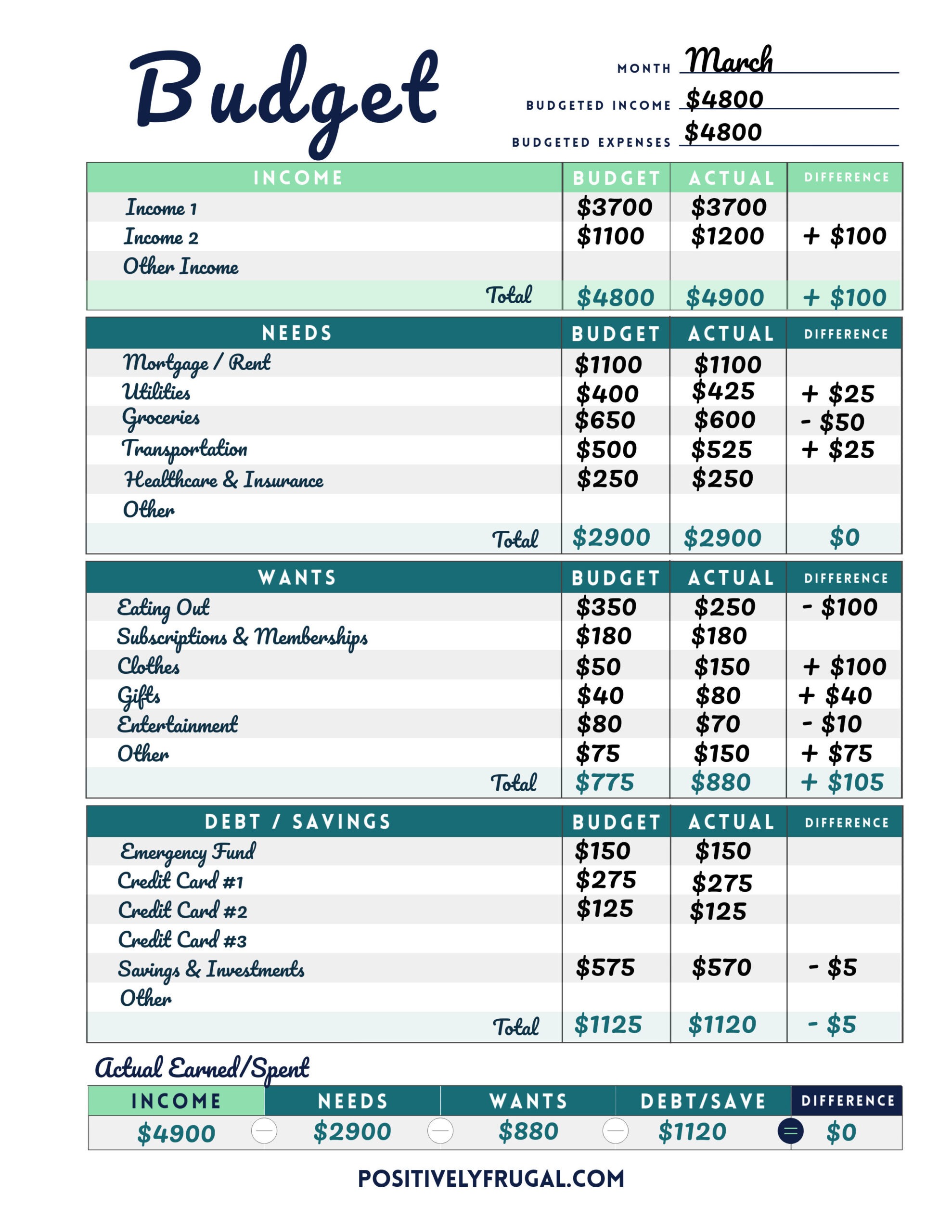
A monthly budget sheet is a simple tool that helps track income and expenses over a month. It serves as a visual representation of financial activities, allowing users to see where their money goes. For students, learning to create and manage a budget sheet not only promotes responsibility but also encourages critical thinking and decision-making skills.
When creating a budget sheet, it’s essential to start with the basics. Here are some fundamental components to include:
- Income Sources: List all sources of income, such as allowances, part-time jobs, or gifts.
- Fixed Expenses: Include regular, unchanging expenses like rent, utilities, or subscriptions.
- Variable Expenses: Track costs that fluctuate, such as groceries, entertainment, and miscellaneous purchases.
- Savings Goals: Encourage setting aside money for savings or future goals.
Choosing the Right Format for Your Budget Sheet
Selecting the appropriate format for a budget sheet depends on the user’s preference and the intended use. Several options are available, each with its advantages:
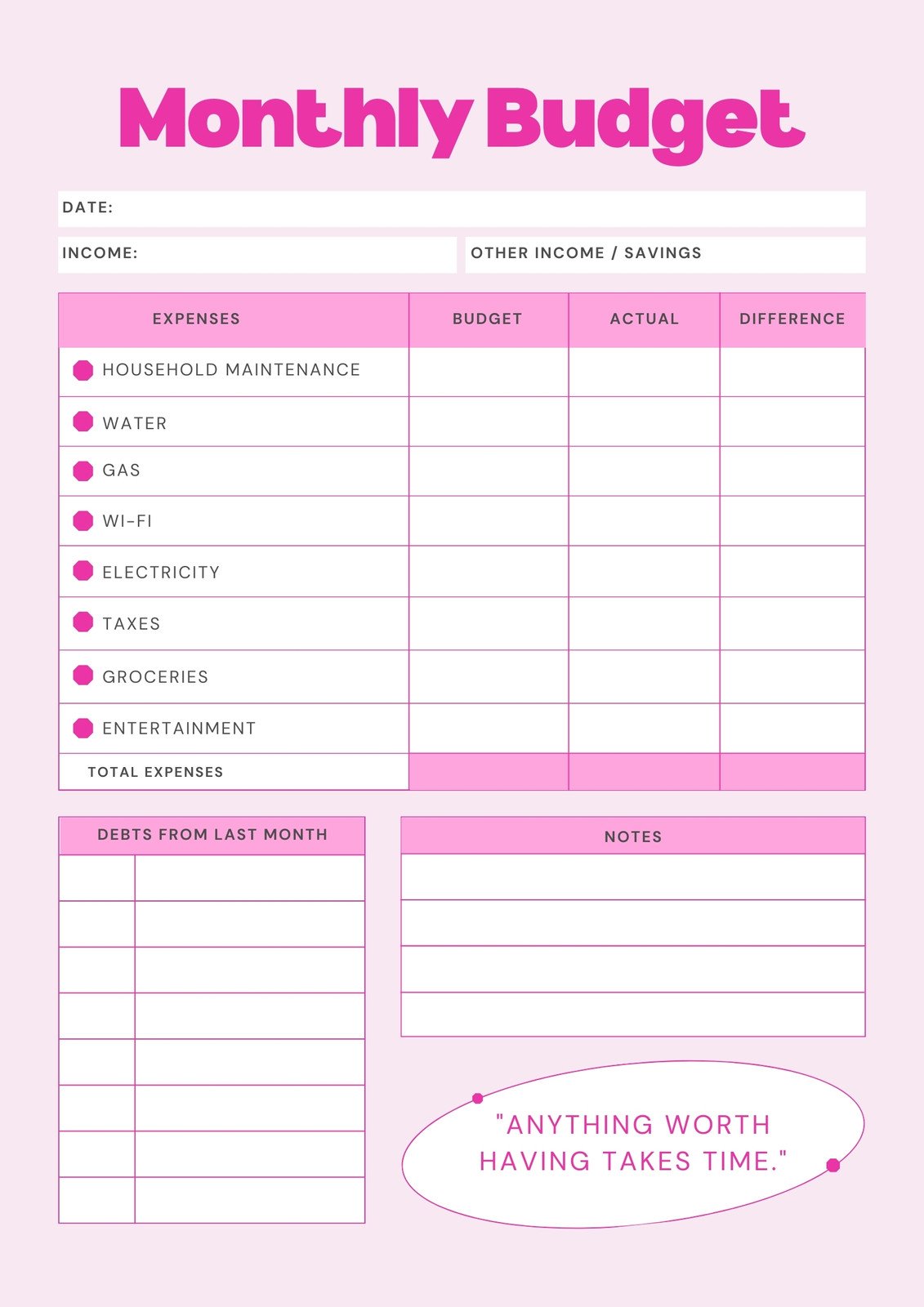
- Printable Templates: These are ideal for those who prefer a physical copy. A printed budget sheet can be filled out manually, giving a tactile experience that some find beneficial.
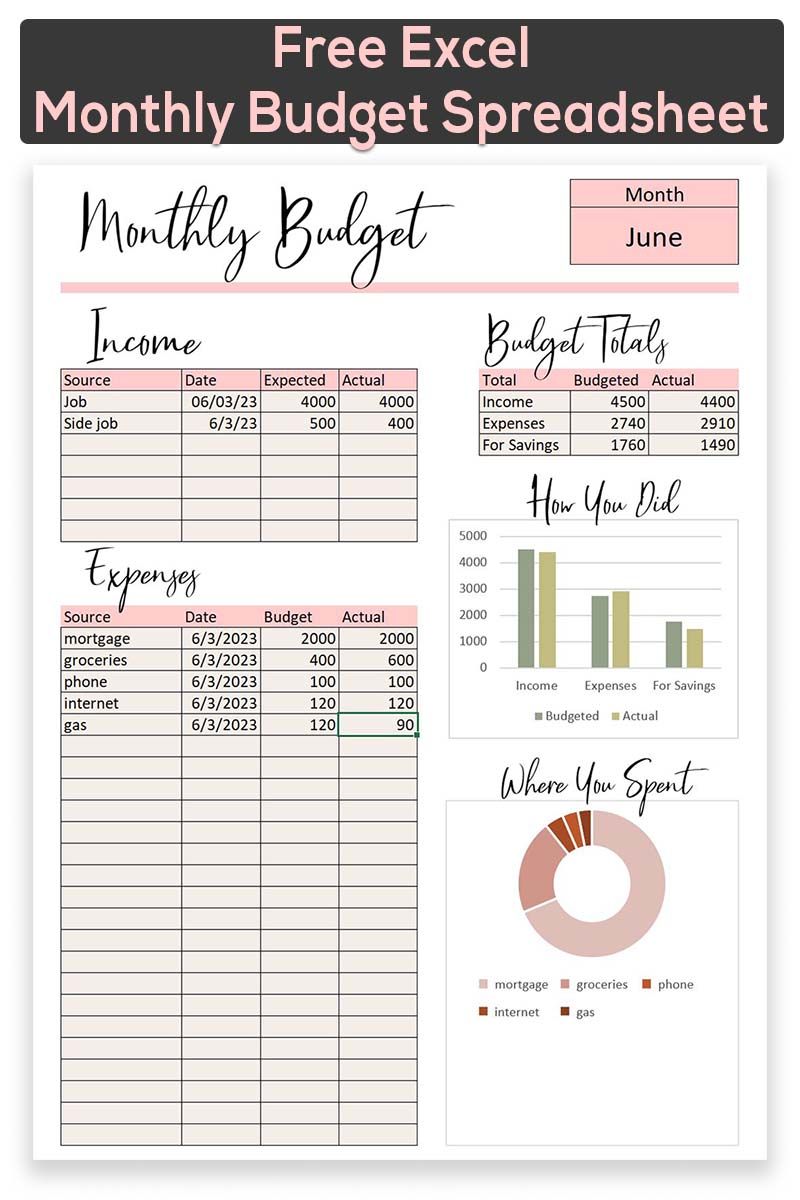
- Digital Spreadsheets: Programs like Microsoft Excel or Google Sheets offer flexibility and ease of use. They can automatically calculate totals and percentages, making it easier to manage finances.
- Apps: Numerous budgeting apps are available that can help track finances on the go. These often come with additional features like alerts for overspending.
For classroom settings, printable templates may be more effective for younger students who are just beginning their financial literacy journey. In contrast, older students might benefit from digital formats that allow for more complex calculations and tracking.
Step-by-Step Guide on How to Create a Monthly Budget Sheet
Creating a monthly budget sheet involves several straightforward steps. This process can be done individually or collaboratively in a classroom or home setting.
- Gather Necessary Information: Collect details about all sources of income and expenses. This might include pay stubs for income and recent bills for expenses.
- Choose a Template: Select a printable template or set up a digital spreadsheet. Ensure the chosen format is user-friendly and visually appealing to encourage regular use.
- Fill in Income: Start by entering all income sources at the top of the sheet. Be sure to use monthly totals rather than weekly or daily figures for consistency.
- List Expenses: Create two columns for fixed and variable expenses. Enter amounts for each category. This step can be educational, as students learn to categorize their spending.
- Calculate Totals: If using a digital spreadsheet, utilize formulas to automatically calculate total income, total expenses, and the difference between them. For printable sheets, add the totals manually.
- Review and Adjust: Encourage reviewing the budget regularly. Discuss what expenses can be reduced and how to increase savings. This reflection helps develop critical financial skills.
- Set Savings Goals: Allocate a portion of the budget for savings. Whether it’s for a special purchase or an emergency fund, having a savings goal instills good habits early on.
Tips for Effective Budgeting
To make the most out of a monthly budget sheet, consider these practical tips:
- Engage Students with Real-Life Scenarios: Use hypothetical situations to teach budgeting concepts. For example, simulate a monthly income and expenses for a fictional character.
- Revisit the Budget Regularly: Encourage a monthly review session to assess spending habits and make necessary changes. This promotes accountability.
- Use Visual Aids: Incorporate charts or graphs to represent income and expenses visually. This can aid understanding, especially for visual learners.
- Encourage Collaboration: In a classroom setting, students can work in pairs or small groups to create and discuss their budgets. This fosters teamwork and collective problem-solving.
Resources for Printable Budget Sheets
Many resources offer downloadable and printable budget sheets that cater to different age groups and needs. Here are a few types to consider:
- Basic Budget Templates: Ideal for beginners, these templates often include simple categories and can be filled out easily.
- Advanced Budget Worksheets: For older students, these may include sections for tracking investments, debt payments, and more complex financial situations.
- Customizable Budget Sheets: Look for templates that allow users to add or remove categories as needed, providing flexibility based on individual circumstances.
When selecting a resource, ensure it is age-appropriate and easy to understand. A cluttered or overly complex sheet can overwhelm younger users, whereas a more straightforward design encourages engagement.