Creating and managing a budget is an essential skill for anyone, especially in educational settings where resources are limited. Understanding how to fill out a budget worksheet can empower teachers, parents, and students to take control of their finances. guide you through the process, offering practical steps, tips, and insights to make budgeting accessible for all.
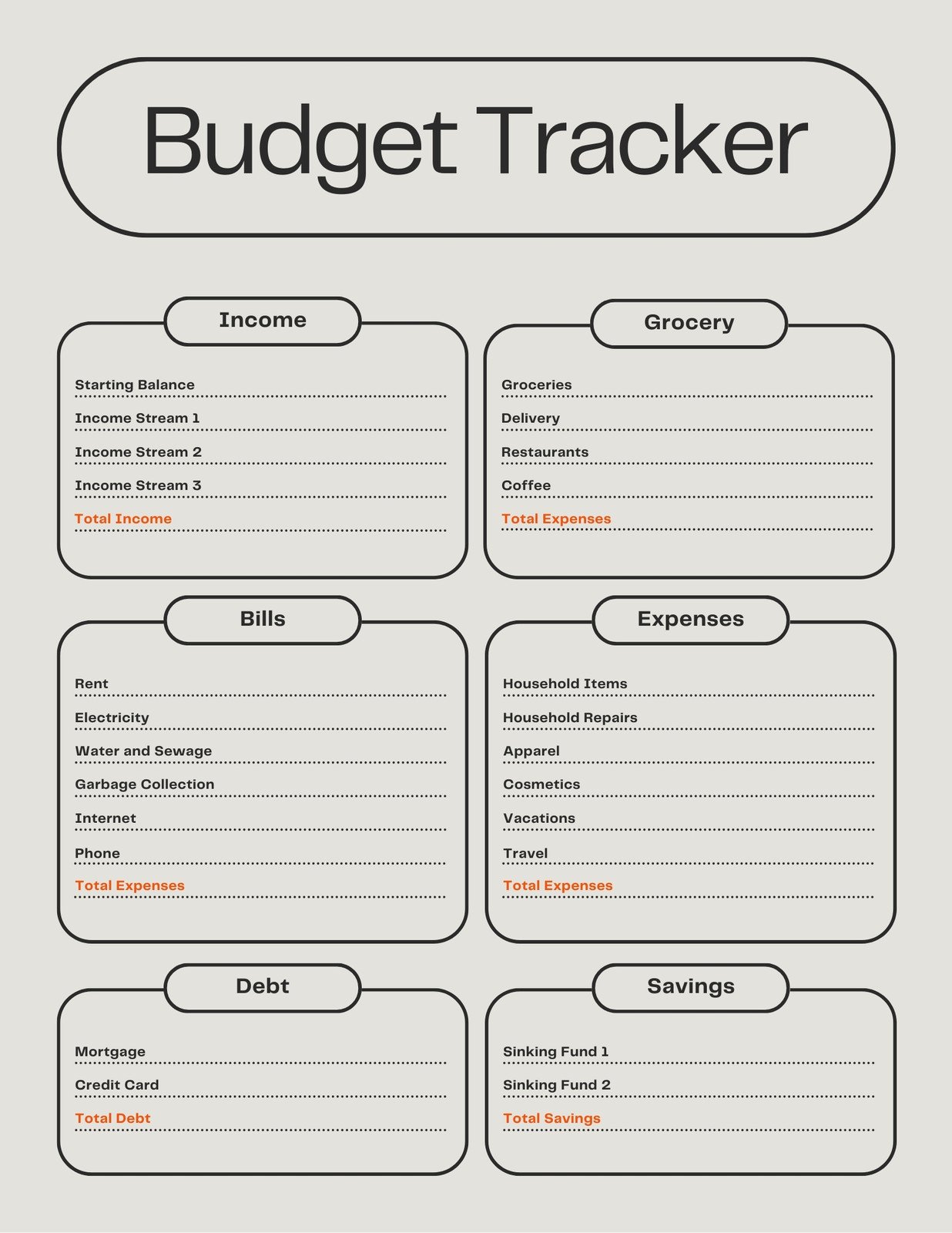
Understanding the Purpose of a Budget Worksheet
A budget worksheet serves as a tool to track income and expenses, helping users visualize their financial situation. It’s beneficial for teachers who want to manage classroom funds, parents overseeing household budgets, or students learning financial literacy. By filling out a budget worksheet, you can identify spending patterns, plan for future expenses, and save for specific goals.
The primary components of a budget worksheet typically include sections for income, fixed expenses, variable expenses, and savings. Each section serves a distinct purpose:
- Income: List all sources of income, including salaries, allowances, or any additional funds.
- Fixed Expenses: These are regular monthly payments that remain constant, such as rent, utilities, and insurance.
- Variable Expenses: These fluctuate monthly, such as groceries, entertainment, and supplies.
- Savings: It’s crucial to allocate a portion of your budget for savings, either for emergencies or future goals.
Preparing to Fill Out the Worksheet
Before diving into filling out the budget worksheet, gather all necessary documents and information. This may include:
- Recent pay stubs or income statements
- Bank statements
- Bills and invoices
- Receipts for variable expenses
Once you have this information on hand, you can more accurately assess your financial situation. Setting aside a quiet time to work on your budget will also help you focus and ensure accuracy.
Step-by-Step Guide to Filling Out a Budget Worksheet
Step 1: Calculate Your Total Income
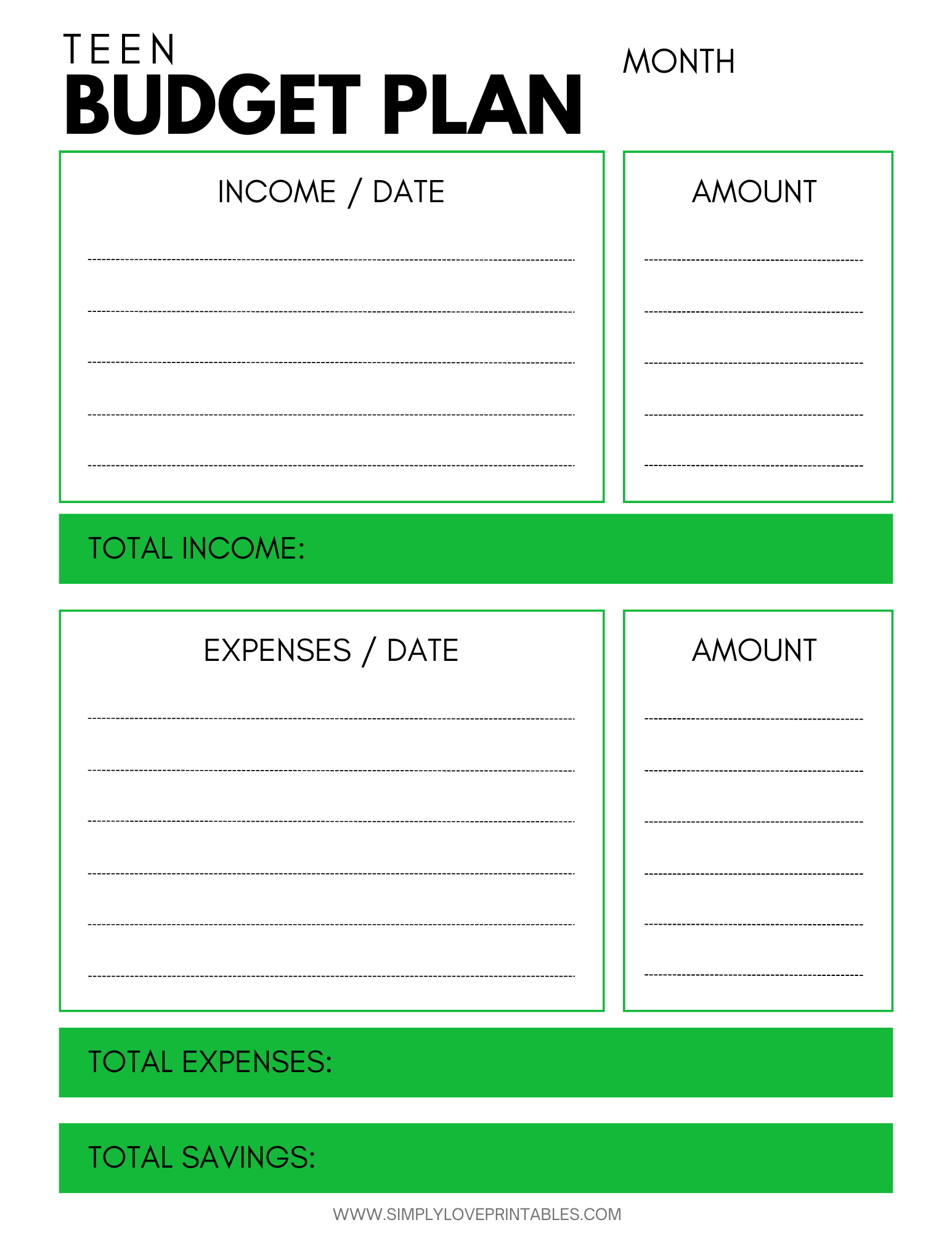
Begin by listing all sources of income on the worksheet. For teachers, this may include your salary, stipends for extra activities, or funds from grants. Be sure to include:
- Monthly salary (after taxes)
- Any side jobs or freelance work
- Additional income sources (e.g., investments)
Add all these amounts to determine your total monthly income. This figure is crucial as it sets the foundation for your budget.
Step 2: List Fixed Expenses
Next, identify your fixed expenses. These are typically consistent each month, making them easier to estimate. Common fixed expenses include:
- Rent or mortgage payments
- Insurance premiums
- Car payments
- Subscriptions (like Netflix or educational resources)
Write these down in the designated section of your budget worksheet. Be as accurate as possible, as these expenses will significantly impact your overall budget.
Step 3: Estimate Variable Expenses
Variable expenses can be trickier to predict, as they can fluctuate from month to month. Take a look at your past spending habits to estimate these costs. Common variable expenses include:
- Groceries
- Dining out
- School supplies or materials for your classroom
- Entertainment (movies, events, etc.)
It’s helpful to review bank statements or receipts from the past few months to get a clearer picture of your typical spending in these areas.
Step 4: Set Savings Goals
Saving is a crucial part of any budget. Determine how much you want to save each month. This could be for an emergency fund, a special purchase, or future educational expenses. Consider using the 50/30/20 rule as a guideline:
- 50% of your income for needs (fixed and variable expenses)
- 30% for wants (discretionary spending)
- 20% for savings and debt repayment
Allocate your savings in the budget worksheet accordingly. If you’re working with students, encourage them to think about short-term and long-term savings goals.
Step 5: Review and Adjust Your Budget
After filling in all sections of the budget worksheet, take a moment to review the totals. Does your total income cover your fixed and variable expenses, along with your savings goals? If not, you may need to make adjustments.
Consider areas where you can cut back on variable expenses. Perhaps you could limit dining out or find more affordable options for classroom supplies. Adjusting your budget is a normal part of the process, so don’t hesitate to make changes as needed.
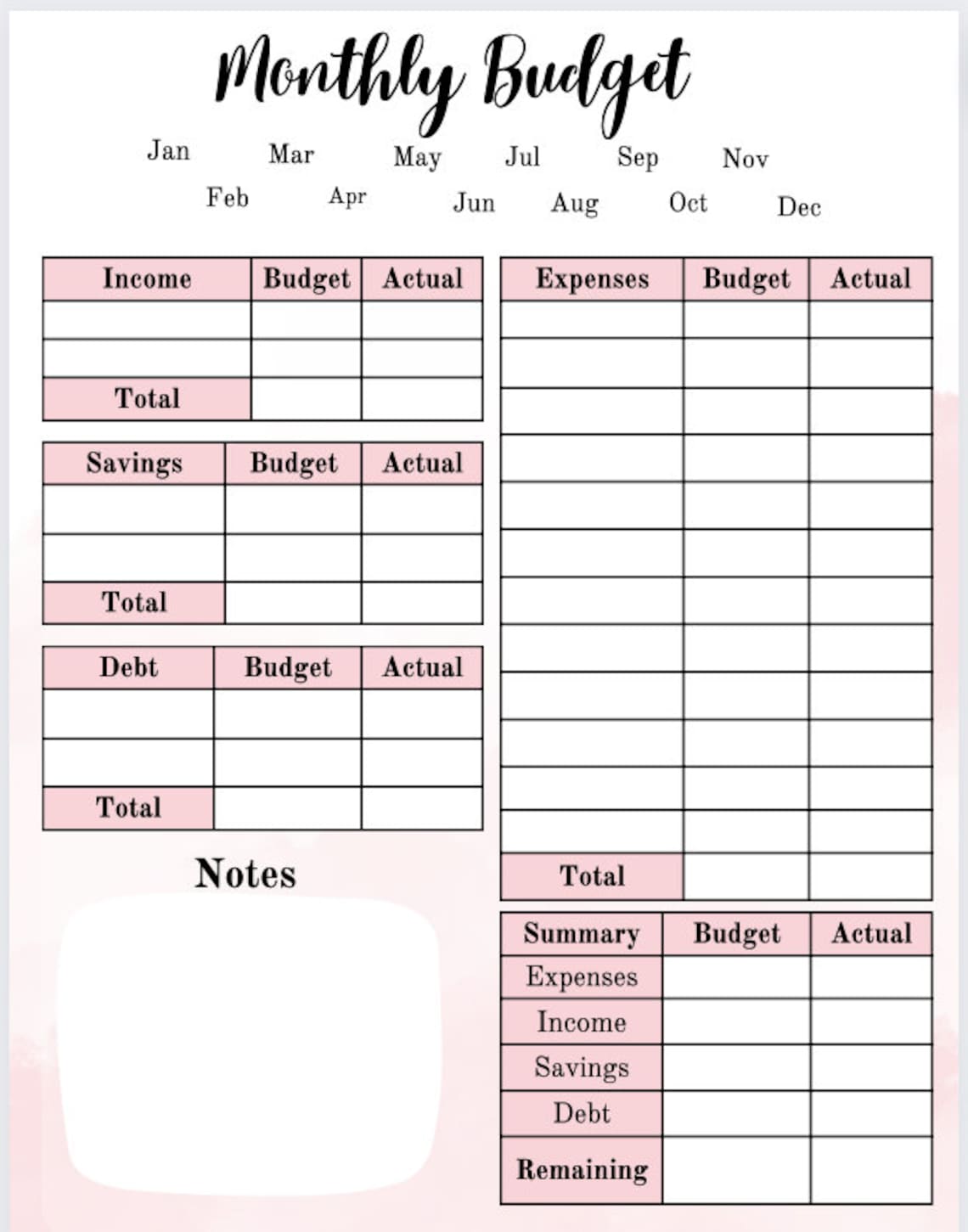
Tips for Using Your Budget Worksheet Effectively
- Keep it Updated: Make it a habit to update your budget worksheet regularly. This could be monthly or quarterly, depending on your needs. Adjusting for changes in income or expenses will help you stay on track.
- Use Visual Aids: Some people find it helpful to use charts or graphs to visualize their budget. This can be especially effective in a classroom setting, where students can see their progress toward savings goals.
- Involve Students in the Process: If you’re a teacher, consider incorporating budgeting lessons into your curriculum. Use the budget worksheet as a hands-on tool to teach students about financial literacy.
- Celebrate Milestones: Whether it’s reaching a savings goal or successfully sticking to your budget for a month, celebrate these achievements. This positive reinforcement can motivate you to continue managing your finances wisely.
- Consider Digital Tools: While a paper budget worksheet is effective, various apps and online tools can simplify the process. Explore options that allow for easy tracking and adjustments.