Creating a home budget worksheet is essential for anyone looking to gain control over their finances. Whether you’re teaching this skill in a classroom, homeschooling, or managing your family’s finances, having a structured worksheet can make the process much easier. A well-designed home budget worksheet helps you track income, expenses, and savings goals, which is crucial for financial literacy.
Understanding the Basics of a Home Budget Worksheet
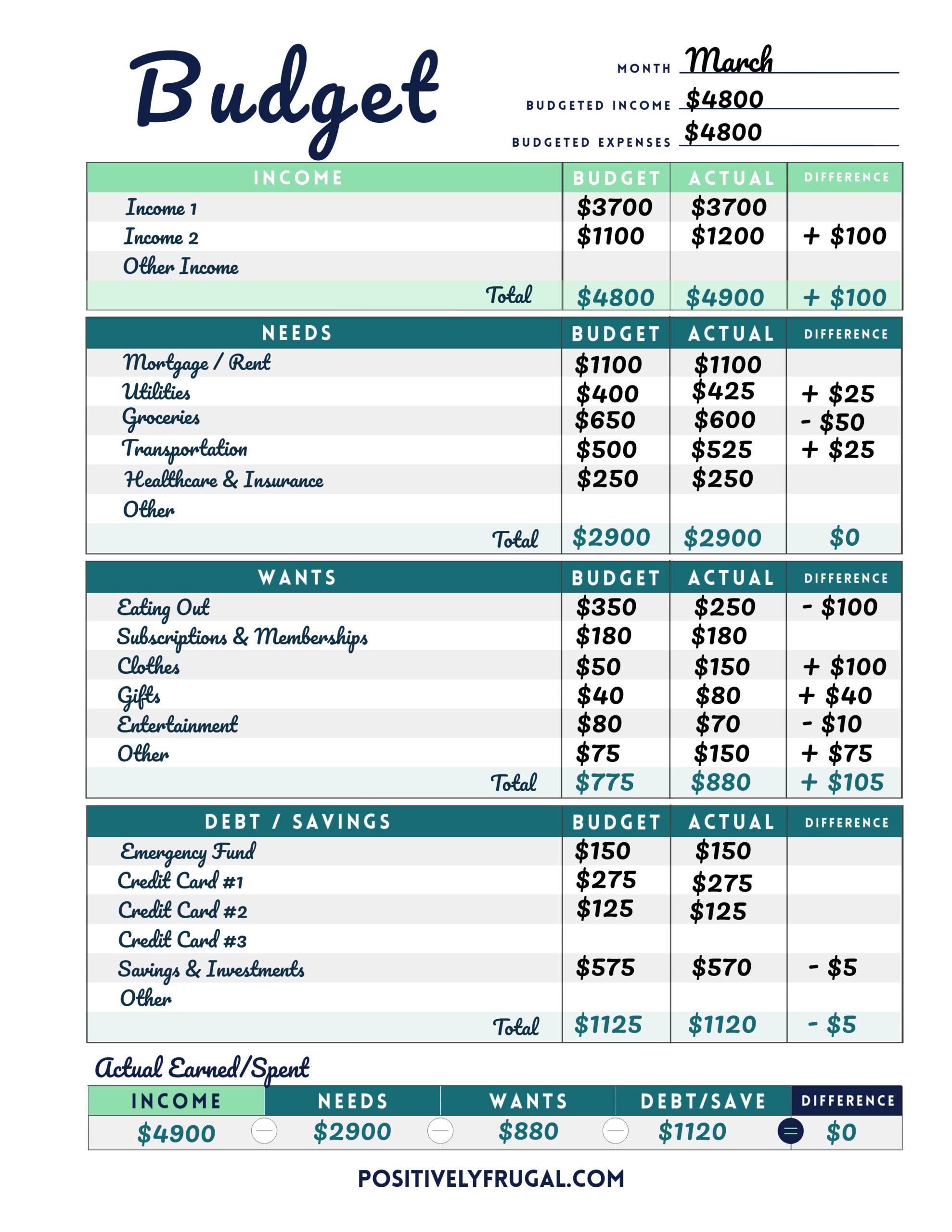
A home budget worksheet serves as a tool to organize your financial activities. It typically includes sections for income sources, fixed expenses, variable expenses, and savings goals. Understanding these categories is vital. Fixed expenses are those that remain constant each month, like rent or mortgage payments, while variable expenses can fluctuate, such as groceries or entertainment.
When creating your own budget worksheet, consider using a simple layout that allows for easy tracking. You can choose between digital formats like Excel or Google Sheets, or you might prefer a printable version. Each format has its benefits, but a printable worksheet can be a tangible way to keep track of your finances at home or in the classroom.
Key Components of a Home Budget Worksheet
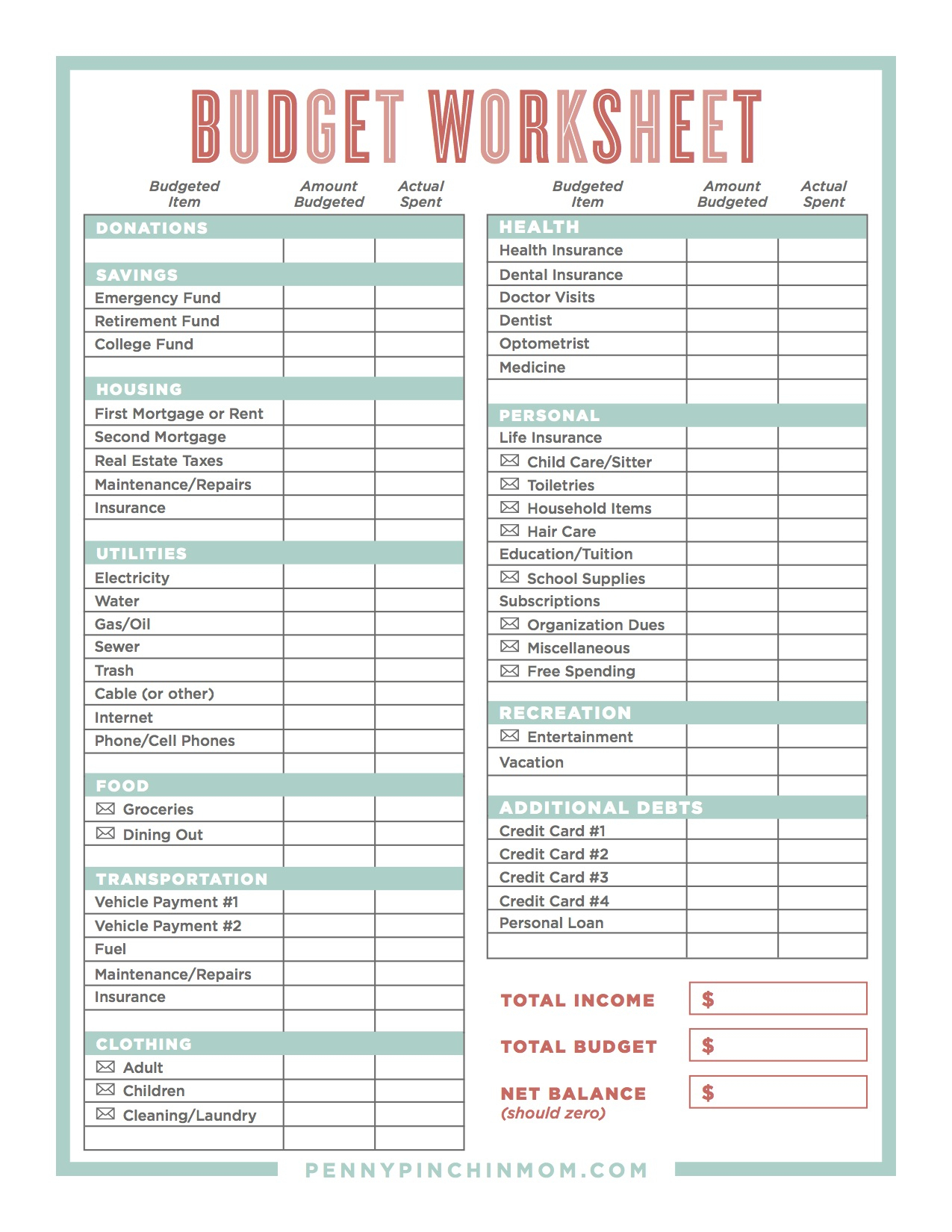
To effectively create a home budget worksheet, it’s important to include specific components that will help you manage your finances. Here’s a breakdown of what to include:
- Income Section: List all sources of income, including salaries, side jobs, or any passive income streams. This will give you a clear picture of how much money you have coming in each month.
- Fixed Expenses: These are regular payments that don’t change month to month. Examples include rent or mortgage, insurance, and loan payments. It’s crucial to know these amounts to ensure you’re not overspending.
- Variable Expenses: Unlike fixed expenses, these can change. Common variable expenses include groceries, utilities, and entertainment. Tracking these can help identify areas where you can cut back if needed.
- Savings Goals: Allocating a portion of your income to savings is essential. Include a section for savings goals, such as an emergency fund, retirement, or a vacation.
- Total Expenses and Net Income: At the bottom of your worksheet, calculate the total of your fixed and variable expenses and subtract this from your total income. This will show you if you’re living within your means or overspending.
Designing Your Home Budget Worksheet
Creating a home budget worksheet can be a fun and educational activity, whether you’re doing it in a classroom or at home. Here are some tips on how to design it effectively:
- Format: Choose a layout that is easy to read. Most worksheets are best in landscape mode as it provides more space for categories.
- Paper Size: Standard letter size (8.5″x11″) works well for printing. If you’re using a binder, consider using A4 size for easy organization.
- Color Coding: Using different colors for various sections can make your worksheet visually appealing and easier to navigate. For instance, use green for income, red for expenses, and blue for savings.
- Printable Options: If you’re looking for immediate use, consider downloading a pre-made template. Many websites offer free or low-cost printable budget worksheets that you can customize.
Implementing the Budget Worksheet
Now that you have a budget worksheet designed, it’s time to implement it into your routine. Here’s how you can effectively use it:
- Monthly Review: Set aside time each month to review your budget. This allows you to compare your actual spending against your budgeted amounts.
- Adjust as Necessary: If you find that your variable expenses are consistently higher than planned, consider adjusting your budget to reflect your reality.
- Track Progress: Keep an eye on your savings goals. Celebrate small wins, like reaching a specific savings milestone, to stay motivated.
- Involve the Family: If you’re using this worksheet at home, involve your family. Discuss financial goals together and ensure everyone understands the budget. This not only fosters unity but also teaches children about financial responsibility.
Teaching Financial Literacy With a Home Budget Worksheet
For teachers, incorporating a home budget worksheet into your curriculum can be a valuable way to teach financial literacy. Here’s how to approach it:
- Age Appropriateness: Tailor your lessons based on the age group. Younger students might focus on simple concepts like saving and spending, while older students can handle complex budgeting strategies.
- Group Activities: Use the worksheet in group settings where students can work together to create a budget. This promotes teamwork and discussion about financial priorities.
- Real-World Applications: Encourage students to apply what they learn by creating a budget for a hypothetical scenario, such as planning a class trip or a community project.
- Feedback and Reflection: After completing the budget worksheet, have students reflect on what they learned. This could be through a discussion or a written assignment. Understanding the importance of budgeting will serve them well in the future.
Finding Resources and Templates
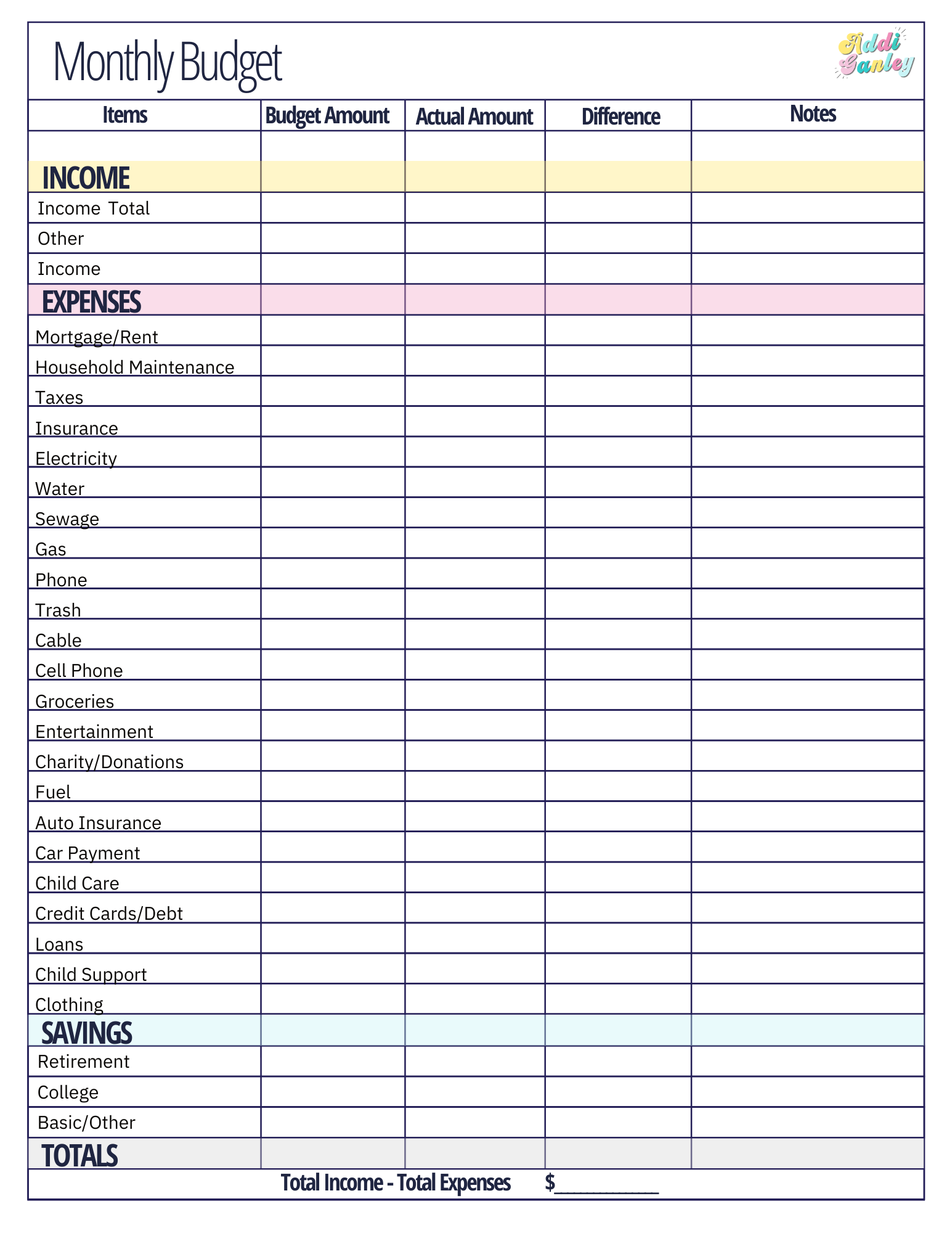
There are numerous resources available online for creating a home budget worksheet. Websites that specialize in printable resources often have templates that are easy to download and print. When searching for a suitable template, consider the following:
- Free vs. Paid: Many websites offer free templates, but some may charge a fee for premium designs. Assess your needs and choose accordingly.
- Customization: Look for templates that allow you to easily add or remove sections. This flexibility can be beneficial as your financial situation changes.
- Format Availability: Ensure the resource is available in a format that suits your needs, whether that’s PDF for printing or Excel for digital use.
- User Reviews: Check reviews or feedback from other users to gauge the effectiveness of the template. This can save you time and frustration.
Creating a home budget worksheet is a foundational skill that promotes financial literacy. By understanding its components, designing an effective layout, and implementing it in your daily life or classroom, you can manage your finances more effectively. Start with a simple template, and make adjustments as you learn what works best for you. One immediate tip is to set a specific date each month to review and update your budget—this consistency will help you stay on track.