When Lucy sat down at her kitchen table with a stack of bills and a hopeful heart, she knew it was time to take control of her family’s finances. Creating a Household Budget Worksheet was the first step she needed to make sense of the chaos. This simple yet effective tool can help families, teachers, and caregivers alike transform their financial management from overwhelming to manageable. With the right guidance, anyone can craft a personalized budget worksheet that fits their unique needs.
Understanding the Importance of a Household Budget
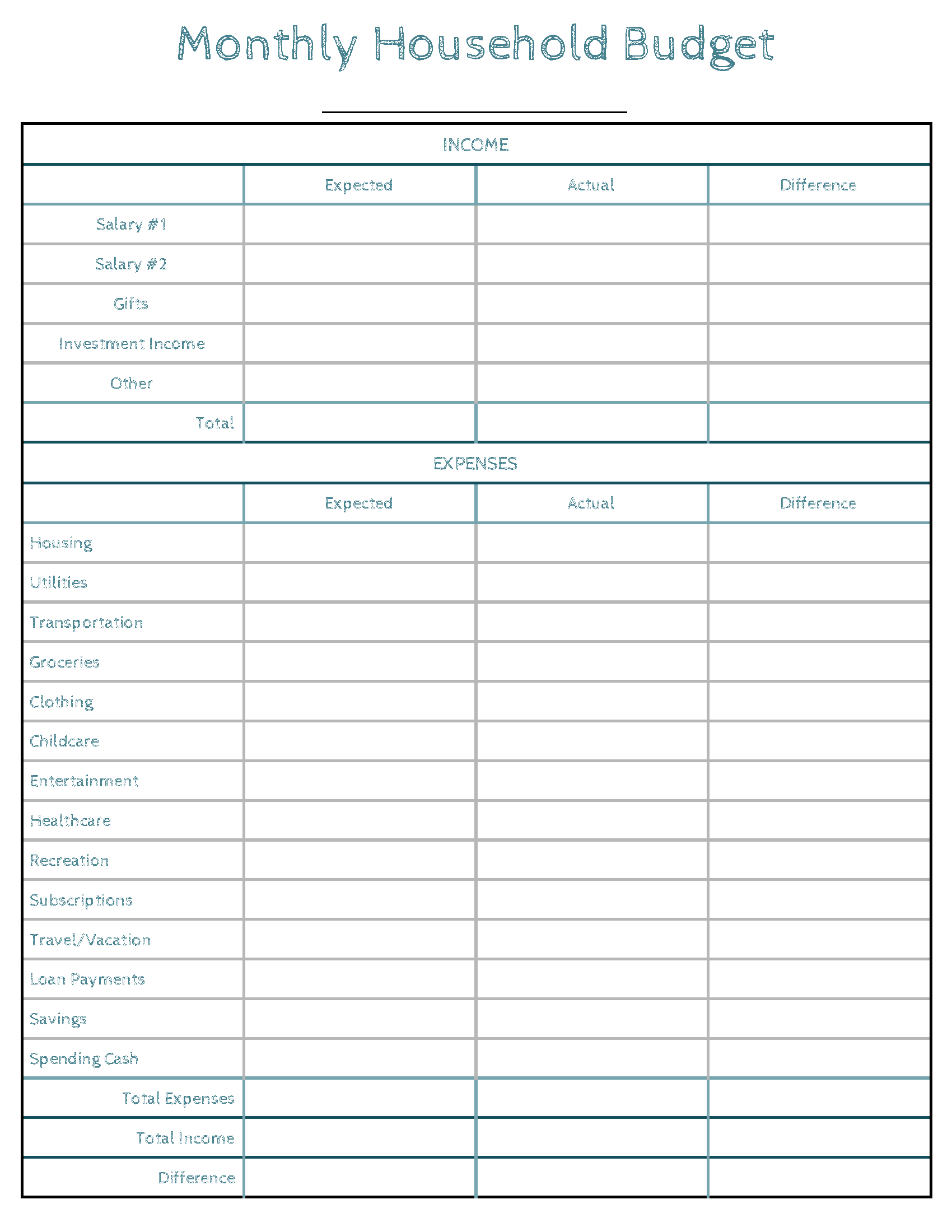
Creating a household budget is more than just balancing numbers; it’s about understanding your spending habits and making informed financial decisions. A budget worksheet helps you track income, expenses, savings, and even debt repayment. It can be a powerful tool for teachers and parents who want to model good financial behavior for their children.
By using a budget, you can:
- Identify unnecessary spending
- Set realistic savings goals
- Prepare for unexpected expenses
- Teach children about managing money
Having a clear picture of your finances can ease stress and empower you to make better financial choices.
Key Components of a Household Budget Worksheet
When you’re ready to create your budget worksheet, there are several key components to consider. Each section will help you gain clarity on your financial situation.
Income
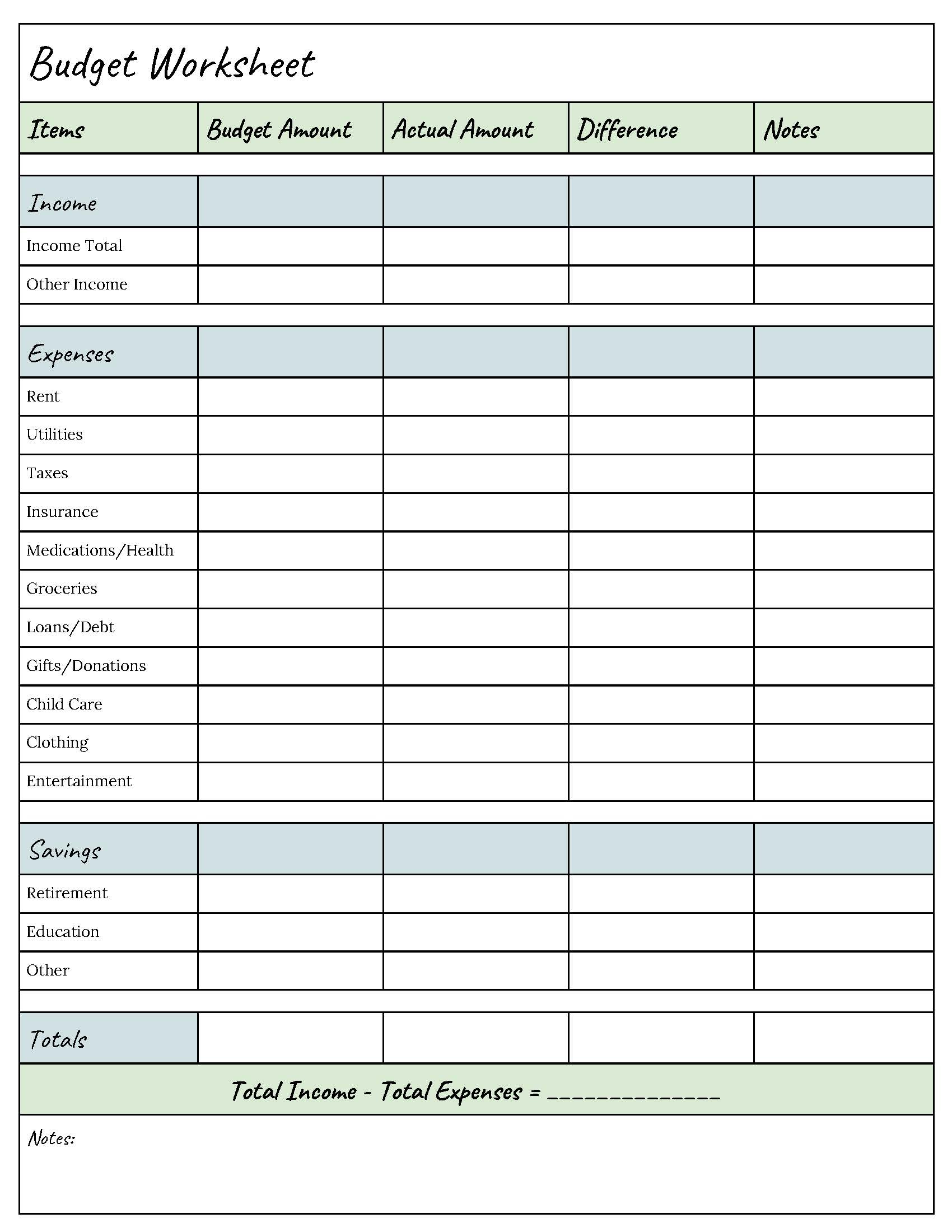
Start with a detailed list of all sources of income. This might include:
- Salary or wages
- Bonuses or commissions
- Side gigs or freelance work
- Child support or alimony
- Interest or investment income
Ensure you calculate your total monthly income after taxes. This will be the foundation upon which you build your budget.
Fixed Expenses
Next, identify your fixed expenses. These are costs that remain constant each month and can include:
- Rent or mortgage payments
- Utilities (electricity, water, gas)
- Insurance (health, auto, home)
- Loan payments (student loans, car loans)
Make sure to capture the exact amounts for each of these expenses to avoid surprises.
Variable Expenses
Variable expenses can fluctuate from month to month. Common categories include:
- Groceries
- Dining out
- Entertainment
- Clothing
- Personal care
Track your spending in these areas for a few months to get a realistic estimate of what you typically spend.
Savings and Debt Repayment
Setting aside money for savings and debt repayment is crucial. Create sections in your worksheet for:
- Emergency fund contributions
- Retirement savings
- Savings for specific goals (vacations, education)
- Debt payments (credit cards, loans)
Aim to prioritize these areas within your budget to build financial stability.
How to Design Your Household Budget Worksheet
Creating a household budget worksheet doesn’t have to be complicated. You can design your own using simple tools or templates available online. Here are some practical tips:
Choose a Format
Decide whether you prefer a digital or paper format. Digital formats like spreadsheets can be easily updated and calculated automatically. On the other hand, a printed worksheet can offer a tactile experience that some find helpful.
Layout
A well-organized layout can make a significant difference. Consider using a portrait layout as it prints neatly on standard letter-size paper (8.5 x 11 inches). You may also want to divide your worksheet into clear sections for income, fixed expenses, variable expenses, savings, and debt repayment.
Include Formulas
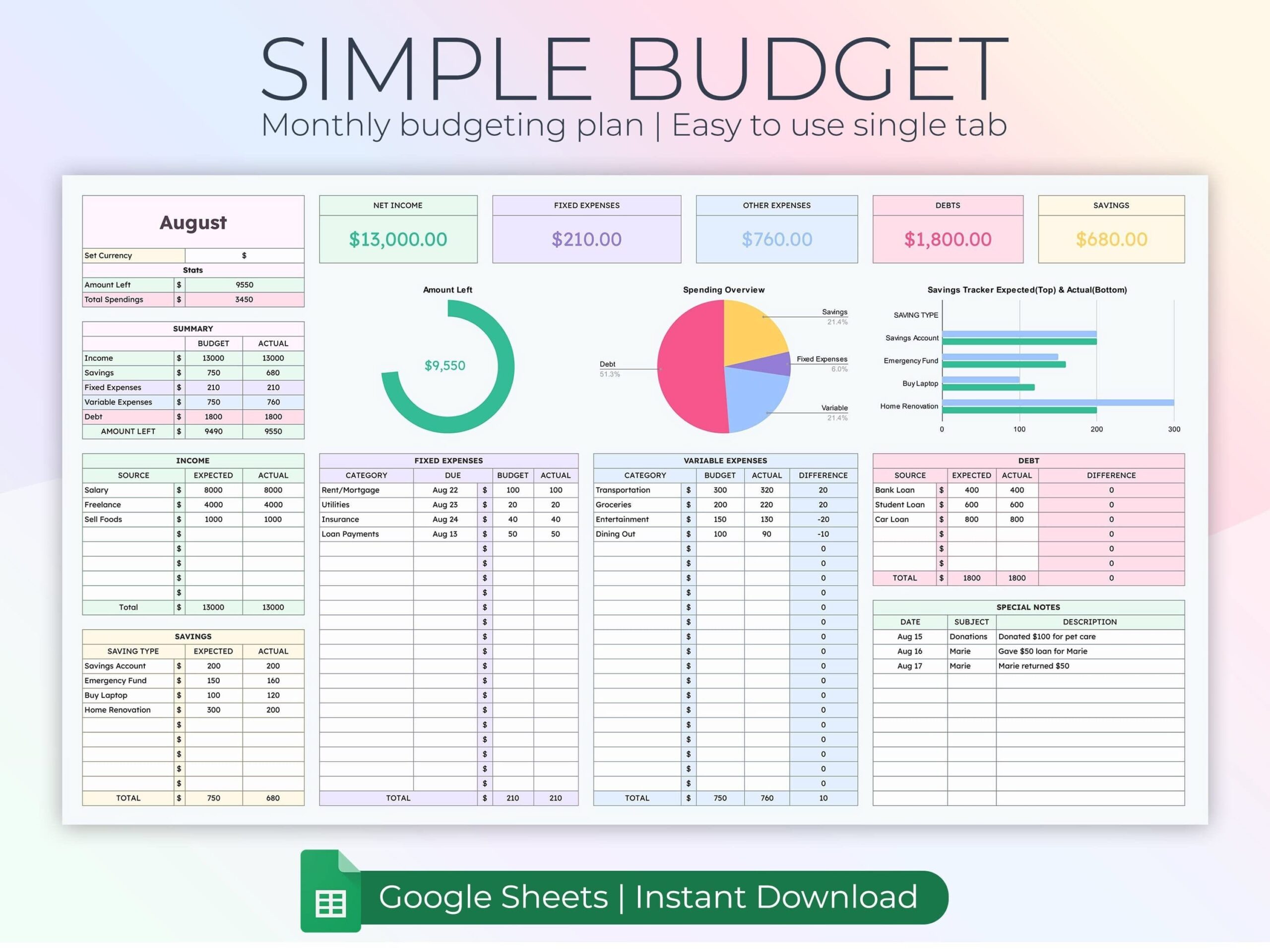
If you’re using a spreadsheet application like Excel or Google Sheets, take advantage of formulas. For instance, you can set up automatic calculations to sum your total income and expenses, making it easier to see where you stand financially.
Tips for Using Your Household Budget Worksheet Effectively
Once your worksheet is ready, it’s time to put it to use. Here are some practical tips to help you stay on track:
Review Regularly
Set aside time each month to review your budget. This allows you to adjust for any changes in income or expenses and reinforces good habits.
Be Realistic
Set achievable goals based on your current financial situation. It’s better to start small and gradually increase your goals than to set yourself up for failure.
Involve the Family
If you have children, involve them in the budgeting process. Teach them about saving and spending priorities. This can be a valuable lesson that helps them develop financial literacy from a young age.
Use Additional Resources
Consider using additional resources such as budgeting apps or online calculators to complement your worksheet. Many of these tools can provide insights and help you stay accountable.
Making Adjustments to Your Budget
Life is dynamic, and so are your financial needs. Regularly revisit your budget worksheet to ensure it reflects your current situation. Here’s how to adapt:
Track Changes
Make a habit of tracking any changes to your income or expenses. This could be due to a new job, an increase in utility costs, or an unexpected expense.
Adjust Categories
If you find that you’re consistently overspending in a particular area, consider adjusting your budget categories. For example, if your grocery budget is too low, reallocate funds from another category to accommodate your needs.
Celebrate Milestones
As you achieve your budgeting goals, take time to celebrate those milestones. Whether it’s paying off a debt or reaching a savings goal, recognizing your successes can motivate you to stick with your budgeting efforts.
Resources for Creating A Household Budget Worksheet
To make the process even easier, you can find various printable templates for household budget worksheets online. Many educational websites offer free downloads that you can customize to fit your needs. Look for templates that include all the necessary sections and are easy to fill out.
Additionally, there are budgeting apps available that can sync with your bank accounts and help track your expenses in real time. These tools can complement your worksheet and provide valuable insights into your spending habits.
If you’re looking for a quick start, many websites offer step-by-step guides and examples that can help you create an effective household budget worksheet tailored to your family’s needs.
By embracing the practice of creating a household budget worksheet, you can gain control over your finances while instilling good habits for future generations. Start today and watch how budgeting can change your financial outlook for the better. Remember, the key is to get started and make adjustments along the way. Consider printing out a worksheet to begin tracking your income and expenses right away.