Managing finances can be daunting for young adults, especially when they’re just starting to navigate the complexities of income, expenses, and savings. A Budget Worksheet For Young Adults is a valuable tool that can help them plan their finances effectively. This resource not only aids in tracking spending but also fosters essential skills for financial independence. In this article, we’ll explore how to make the most of this worksheet, ensuring young adults can create a budget that works for them.
Understanding the Importance of Budgeting
Before diving into the specifics of using a budget worksheet, it’s vital to understand why budgeting is crucial for young adults. Many young people enter college or the workforce without a solid grasp of financial management. A budget helps them make informed decisions about spending and saving, leading to better financial health in the long run.
A budget worksheet provides a structured way to monitor income sources, such as part-time jobs or allowances, alongside fixed and variable expenses, such as rent, utilities, groceries, and entertainment. This clarity allows young adults to see where their money goes and make adjustments as needed.
Choosing the Right Budget Worksheet
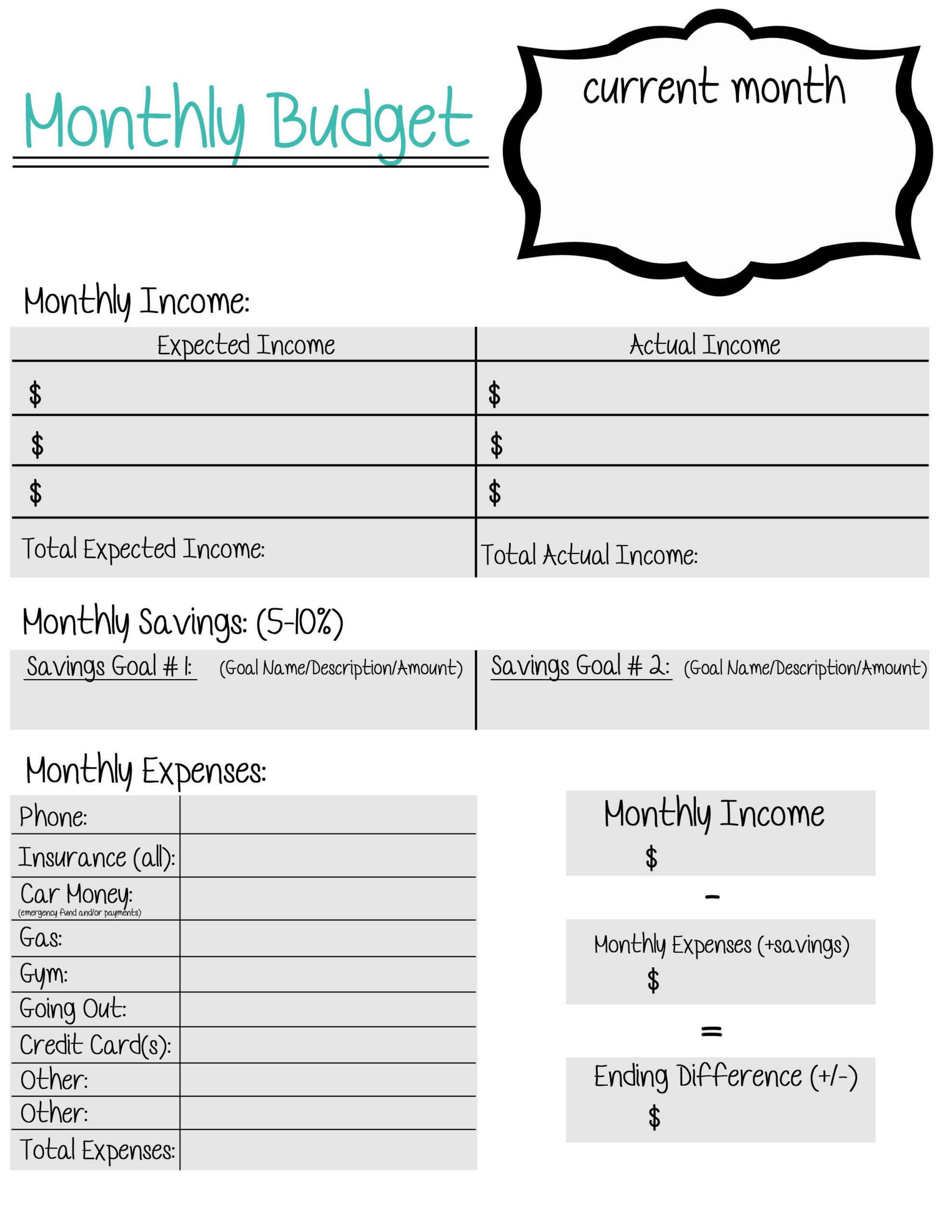
Selecting the right Budget Worksheet For Young Adults is essential for effective budgeting. Look for a worksheet that is user-friendly and includes sections for:
- Income Tracking: A place to list all sources of income.
- Expense Categories: Clear categories for fixed (e.g., rent, insurance) and variable expenses (e.g., food, entertainment).
- Savings Goals: Space to set and track savings objectives like an emergency fund or future purchases.
- Monthly Summary: A section to review monthly totals for income, expenses, and savings.
Many worksheets are available in PDF format, which is ideal for printing. A standard letter size (8.5” x 11”) works well for most home printers, allowing easy handling and organization.
Downloading and Printing Your Budget Worksheet
Once you’ve selected a suitable Budget Worksheet For Young Adults, the next step is downloading and printing it. Most worksheets can be found on educational websites or financial literacy platforms. Here’s how to proceed:
- Download the File: Ensure you’re downloading a PDF version. PDFs maintain formatting and are easy to print.
- Check Printer Settings: Set your printer to portrait layout for best results. Use standard paper size (8.5” x 11”).
- Print the Worksheet: Print a few copies to have on hand for different budgeting periods.
If you prefer a digital format, consider using an app or spreadsheet program that mimics the worksheet’s layout. This can be especially useful for on-the-go adjustments.
Setting Up the Budget Worksheet
Now that you have your Budget Worksheet printed, it’s time to set it up for use. Here’s a step-by-step guide on how to fill it out effectively:
Step 1: List Your Income
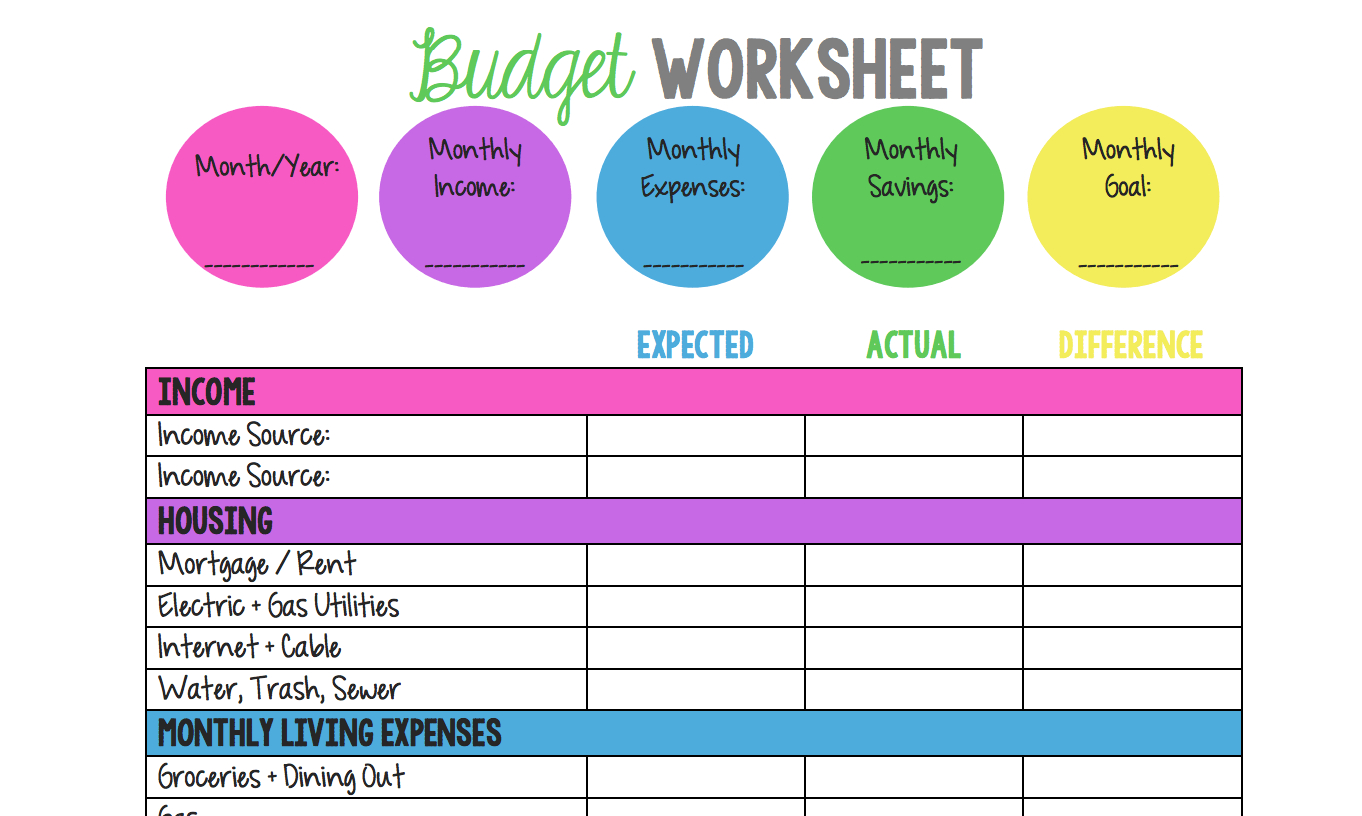
Start by identifying all sources of income. This could include:
- Part-time job earnings
- Allowances from parents
- Scholarships or grants (for students)
- Any freelance work or side gigs
Write down the amounts for each source and calculate the total monthly income.
Step 2: Detail Your Expenses
Next, categorize and list your expenses. Common categories include:
- Fixed Expenses: Rent, utilities, insurance, subscriptions.
- Variable Expenses: Groceries, dining out, entertainment, transportation.
- Savings Contributions: Amount set aside for savings or emergencies.
Be realistic and thorough when estimating these figures. This will provide a clearer picture of your financial situation.
Step 3: Calculate the Balance
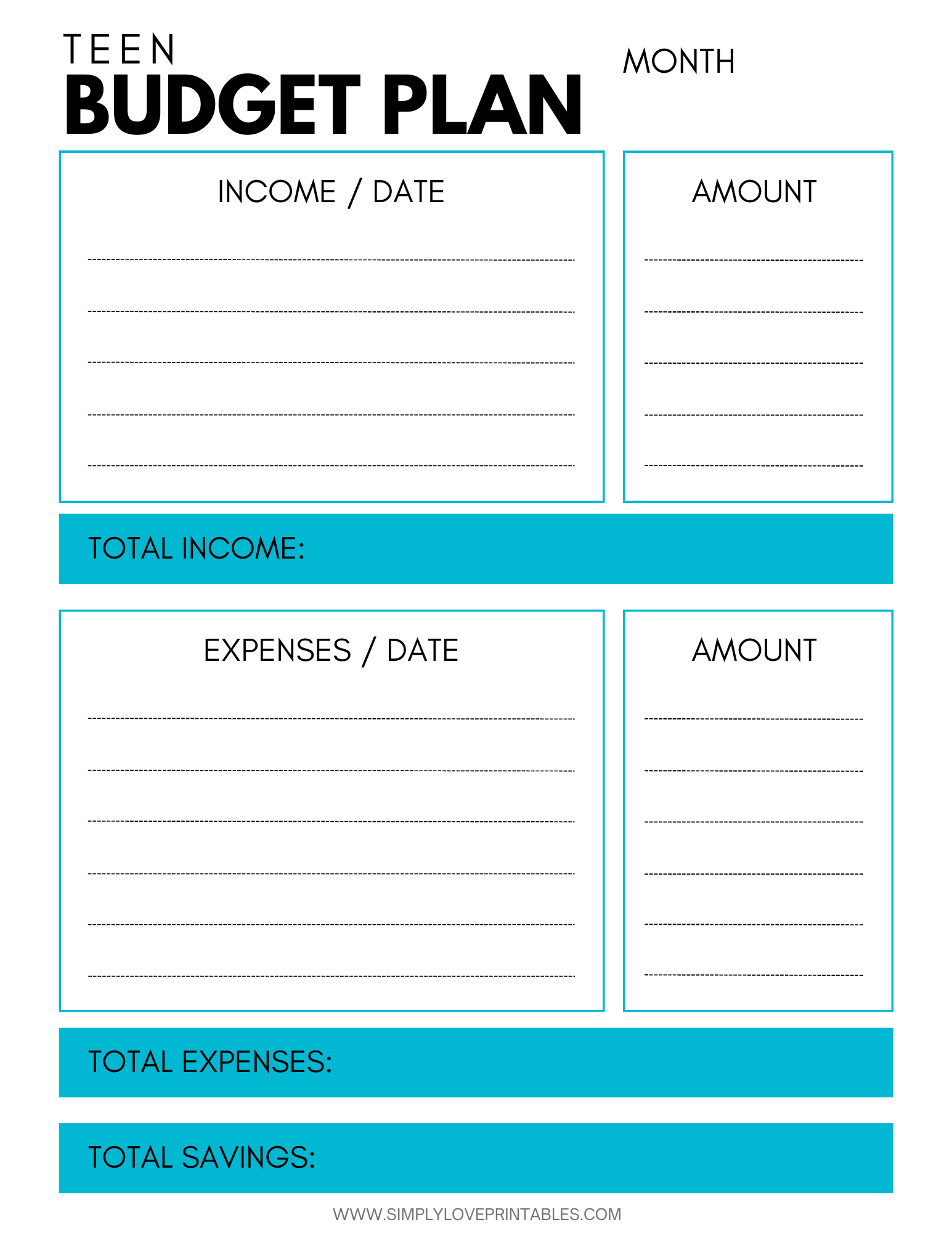
Once you’ve filled in your income and expenses, it’s time to crunch the numbers. Subtract your total expenses from your total income. This balance will show whether you’re overspending or have money left over for savings or discretionary spending.
Step 4: Review and Adjust
This step is crucial. At the end of each month, review your budget. Did you stick to your spending limits? Where did you overspend? Use this reflection to adjust your budget for the next month. Learning to adapt and modify your financial plan is a key skill for young adults.
Incorporating Goals Into Your Budget
Budgeting isn’t just about tracking income and expenses; it’s also about setting and reaching financial goals. Encourage young adults to include specific savings goals in their Budget Worksheet. These could include:
- Building an emergency fund (aim for three to six months of expenses).
- Saving for a vacation or a big purchase (like a car or a laptop).
- Contributing to a retirement account, even if it’s a small amount.
Setting tangible goals provides motivation and a sense of achievement when they reach those milestones.
Teaching Financial Literacy Alongside Budgeting
Using a Budget Worksheet For Young Adults can seamlessly integrate lessons on financial literacy. Here are some teaching strategies to reinforce these concepts:
- Discuss Needs vs. Wants: Help young adults differentiate between essential expenses (needs) and discretionary spending (wants). This understanding can lead to more informed budgeting choices.
- Introduce the Concept of Debt: Teach about the implications of credit cards and loans. Discuss how budgeting can help manage debt responsibly.
- Explore Investing Basics: Introduce basic investing concepts, even if just briefly. Understanding how investments work can inspire young adults to think about their long-term financial health.
- Create Real-Life Scenarios: Use case studies or hypothetical situations to practice budgeting. For instance, simulate unexpected expenses and ask them how they would adjust their budget.
Final Tips for Successful Budgeting
As young adults embark on their budgeting journey, here are some practical tips to enhance their experience:
- Stay Consistent: Encourage regular updates to the budget. Monthly reviews keep financial goals at the forefront.
- Be Honest: It’s essential to be truthful about spending habits. This honesty will lead to a more accurate and effective budget.
- Celebrate Successes: When a financial goal is met, celebrate it! This reinforces positive budgeting behaviors and motivates ongoing efforts.
- Use Technology: Consider using budgeting apps that can complement the worksheet. These tools can make tracking expenses simpler and more interactive.
Budgeting is a critical life skill for young adults. With the help of a Budget Worksheet For Young Adults, they can learn to manage their finances wisely, set achievable goals, and gain confidence in their financial decisions. Encourage them to start today and take control of their financial future with a well-structured budget!