High school students are at a pivotal point in their lives, where learning to manage money becomes essential. A Budget Worksheet For High School Students is a practical tool that helps them understand their income, expenses, and savings goals. This resource not only supports financial literacy but also empowers students to make informed decisions about their money.
Understanding the Importance of Budgeting
Budgeting is a foundational skill that students need as they prepare for adulthood. It enables them to track their spending, plan for future expenses, and avoid debt. A well-structured budget worksheet can make this process easier and more engaging.
When students create a budget, they learn to differentiate between needs and wants. They will also understand the value of saving and how to allocate funds wisely. This process builds responsibility and discipline, essential traits for financial success in the future.
Key Components of a Budget Worksheet
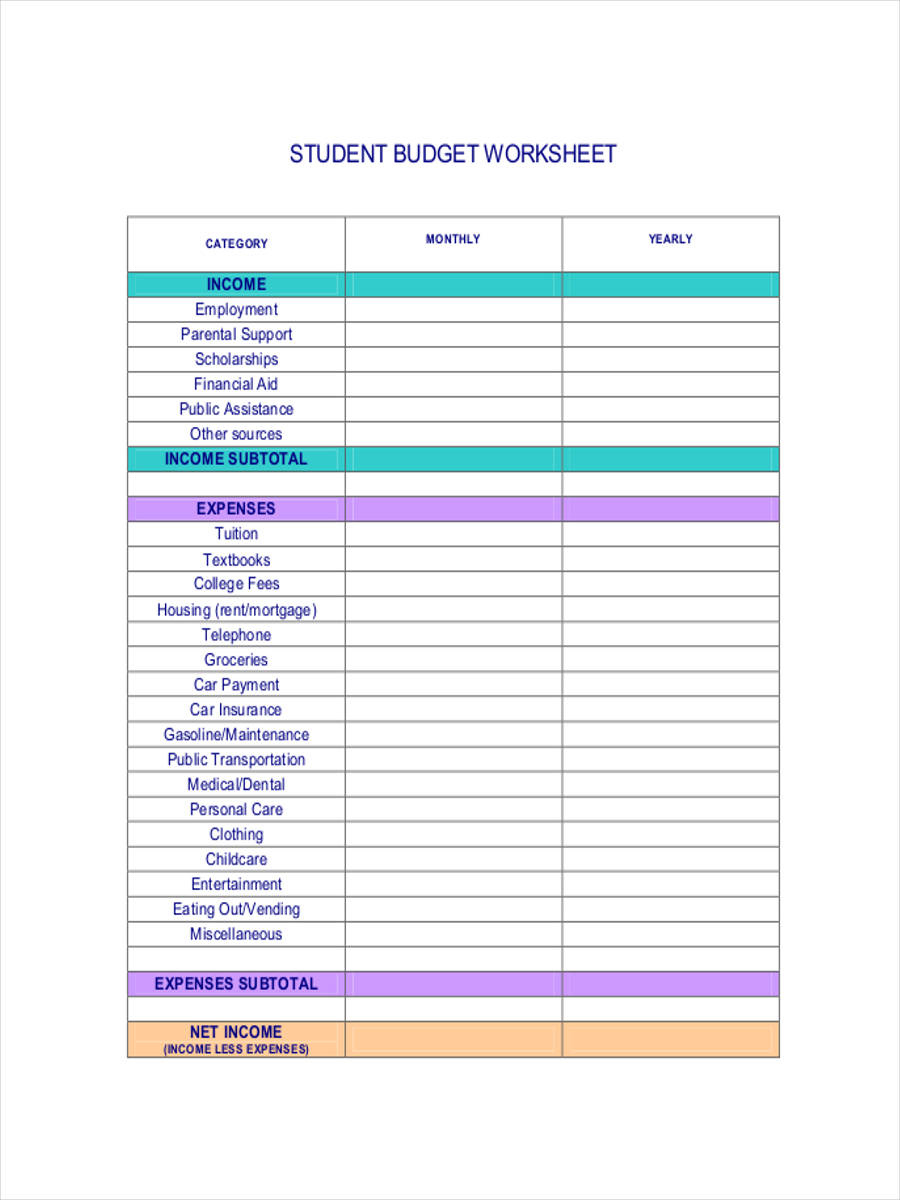
A comprehensive Budget Worksheet For High School Students should include several key components to facilitate effective financial planning:
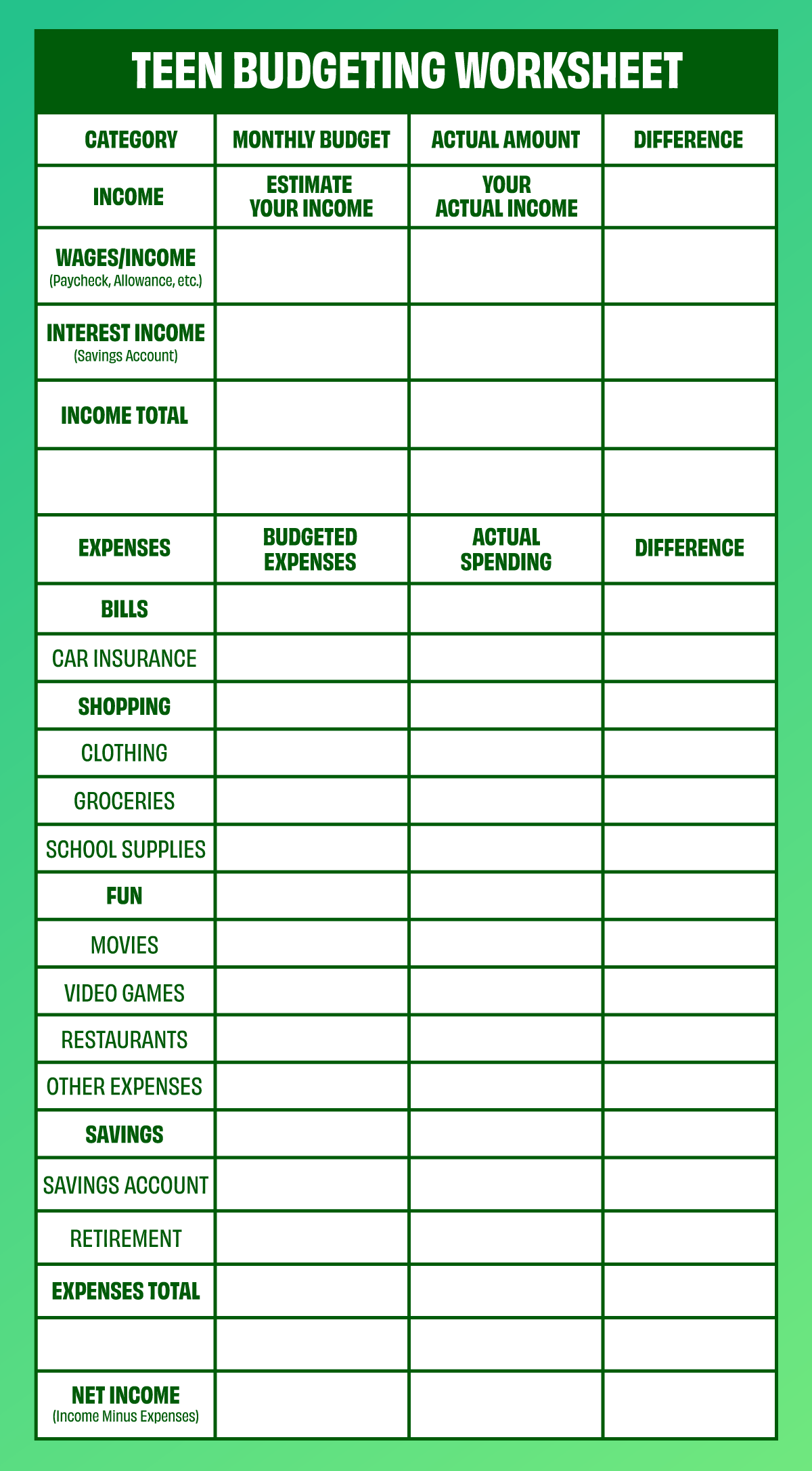
- Income Section: This area allows students to list all sources of income, such as allowances, part-time jobs, or gifts. Understanding their total income is crucial for setting realistic spending limits.
- Expense Categories: It’s important to break down expenses into categories like food, entertainment, transportation, and education. This helps students see where their money is going and identify areas for potential savings.
- Savings Goals: Including a section for savings encourages students to set aside money for future needs or wants. Whether it’s for a new phone, college funds, or a planned trip, having clear savings goals motivates them to stick to their budget.
- Total Calculation: A summary section that totals income and expenses helps students visualize their financial standing. This can also include a calculation of remaining funds after expenses, reinforcing the importance of living within their means.
How to Use the Budget Worksheet
Using the Budget Worksheet effectively can significantly enhance a student’s understanding of money management. Here’s a step-by-step guide on how to implement it:
- Download and Print: Find a suitable budget worksheet template online that is user-friendly and visually appealing. Ensure it’s in a format that’s easy to print, such as PDF.
- Fill Out Income: Start by entering all sources of income. This could be a monthly allowance or earnings from a part-time job. It’s essential to be honest and accurate for the budget to be effective.
- List Expenses: Next, students should list their expected monthly expenses in each category. Encourage them to think critically about their spending habits and to include both regular and occasional expenses.
- Set Savings Goals: Have students determine how much they would like to save each month. This could be a fixed amount or a percentage of their income. Setting a goal helps them stay focused on saving.
- Review and Adjust: At the end of each month, students should review their worksheet. Did they stay within their budget? Were there unexpected expenses? This reflection is vital for learning and adjusting future budgets.
Tips for Effective Budgeting
To maximize the benefits of a Budget Worksheet For High School Students, consider these practical tips:
- Use Realistic Figures: When filling out the worksheet, students should use realistic estimates. Inflated income or underestimated expenses can lead to frustration and a lack of trust in the budgeting process.
- Track Spending: Encourage students to track their actual spending throughout the month. This can be done using a simple notebook or a mobile app. Comparing actual spending to the budget will provide invaluable insights.
- Involve Parents: If students are struggling, parents can provide guidance. They can help review the budget and offer advice based on their own experiences. This collaboration reinforces the importance of budgeting as a family value.
- Be Flexible: Life is unpredictable, and budgets may need to be adjusted. Teach students that it’s okay to revise their budgets as circumstances change. Flexibility can reduce stress and encourage ongoing adherence to budgeting practices.
Benefits of Using a Budget Worksheet
Implementing a Budget Worksheet For High School Students offers numerous benefits:
- Enhanced Financial Literacy: Students will develop a deeper understanding of financial concepts, preparing them for real-world challenges.
- Improved Decision-Making: By analyzing their spending, students become better decision-makers. They learn to prioritize their spending and make choices aligned with their financial goals.
- Greater Accountability: A budget worksheet holds students accountable for their financial choices. They will learn the consequences of overspending and the rewards of saving.
- Skill Development: As students regularly use the worksheet, they will develop skills that will benefit them throughout life, including planning, organization, and critical thinking.
Where to Find Budget Worksheets
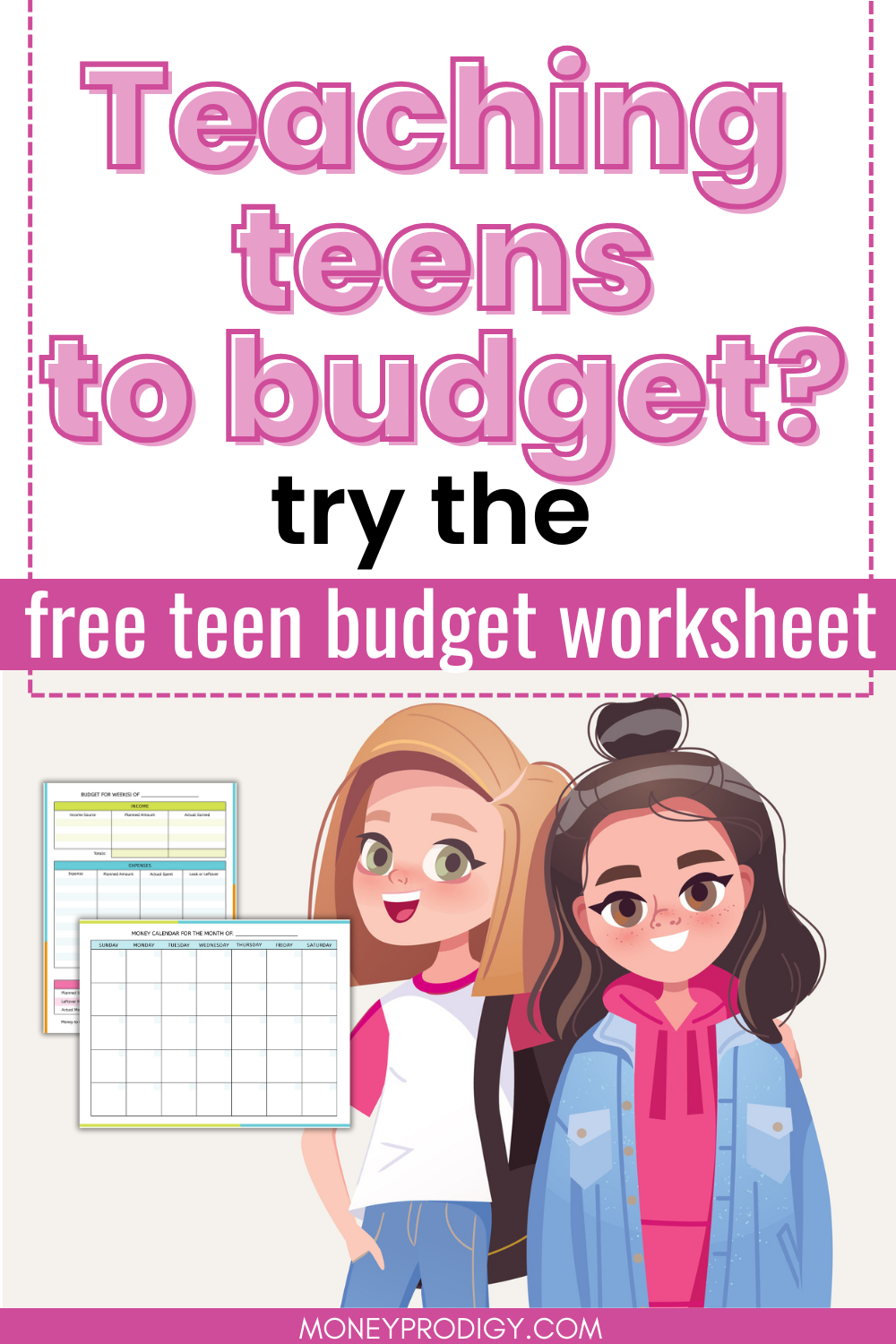
You can find a variety of Budget Worksheets For High School Students online. Look for resources that are free and easy to download. Websites dedicated to educational materials often provide customizable templates that you can adapt to your student’s needs.
When selecting a worksheet, consider the following:
- User-Friendly Design: The worksheet should be visually appealing and easy to navigate. A cluttered layout can be overwhelming and deter students from using it.
- Printable Format: Ensure the worksheet is available in a printable format, like PDF, to avoid formatting issues when printing.
- Adaptability: A good budget worksheet will allow space for students to add or modify categories based on their unique circumstances.