When it comes to managing finances, a Monthly Budget Worksheet Free Printable can be an invaluable tool for both educators and students. This resource not only helps individuals keep track of their expenses and income but also teaches essential budgeting skills. With a well-structured worksheet, you can facilitate discussions about financial literacy in your classroom or at home.
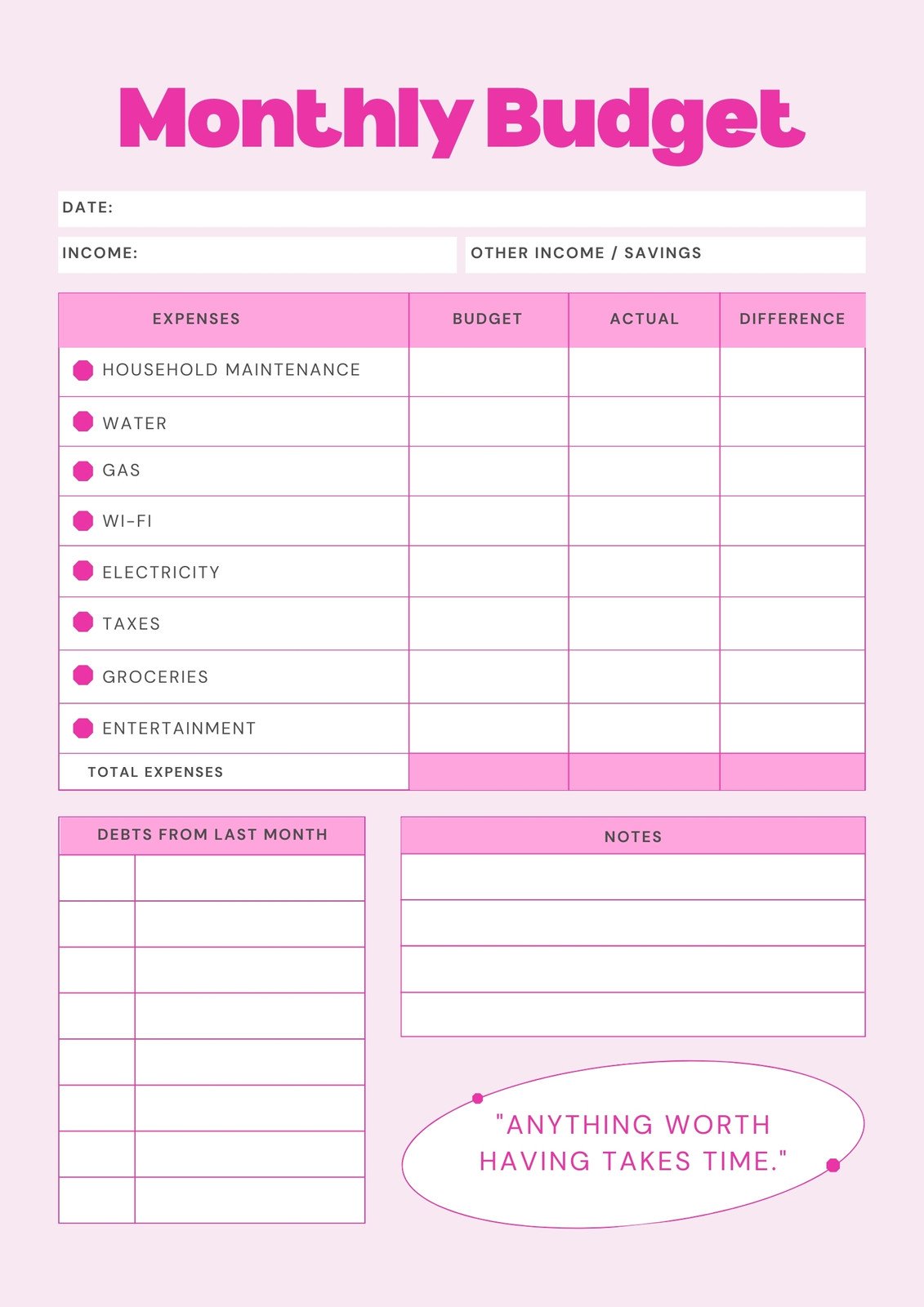
Understanding the Layout of the Monthly Budget Worksheet
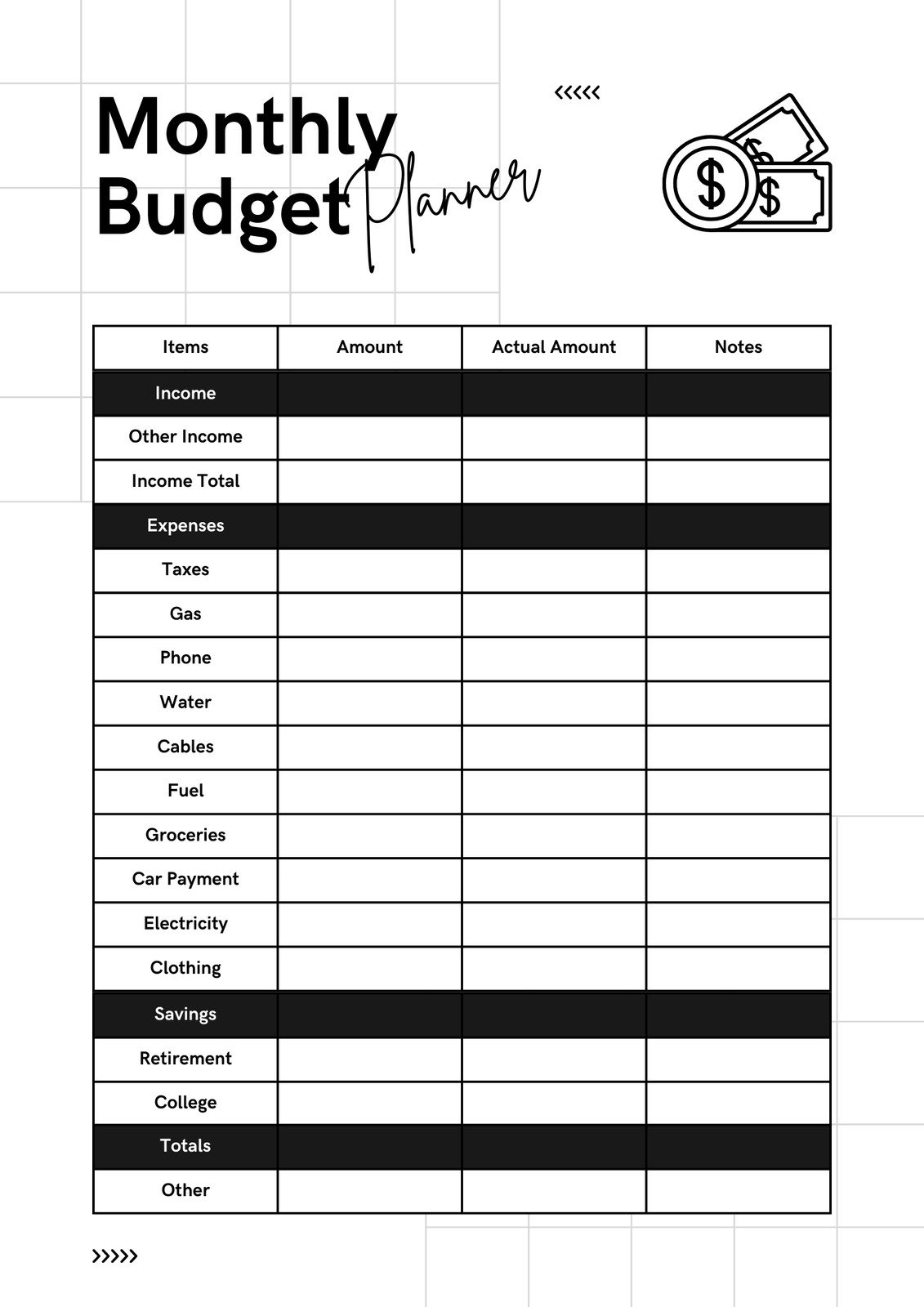
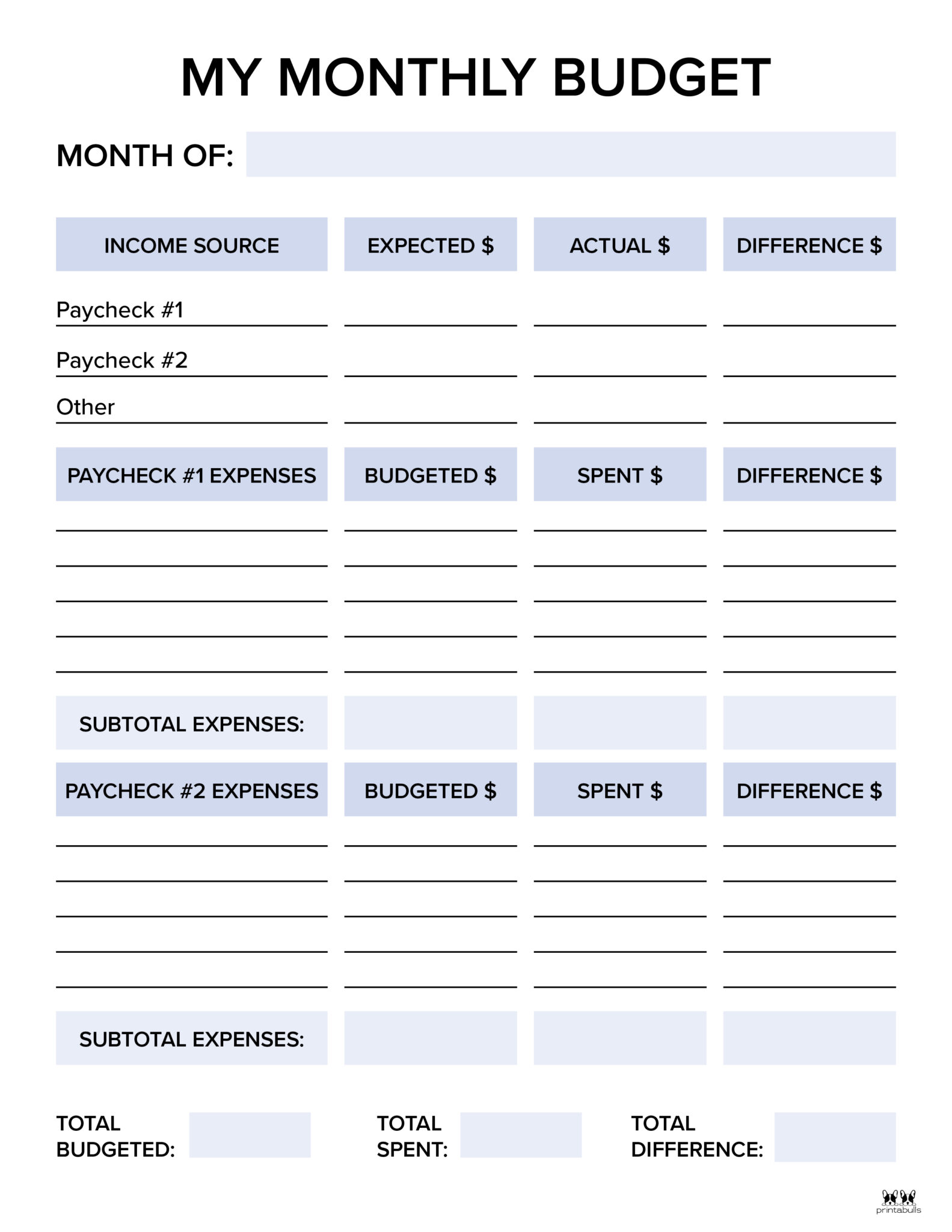
The Monthly Budget Worksheet is typically designed in a clean, easy-to-read format that allows users to fill in their financial information effortlessly. Most worksheets are organized into sections that include:
- Income Sources: This section allows users to list various income streams, such as salaries, allowances, or freelance work.
- Fixed Expenses: Here, you can record consistent monthly costs like rent, utilities, and subscriptions.
- Variable Expenses: This part is dedicated to fluctuating costs, such as groceries, entertainment, and dining out.
- Savings and Investments: Users can plan for their future by allocating funds for savings accounts or investment opportunities.
- Summary: A final section that calculates total income, total expenses, and the remaining balance, helping users understand their financial standing.
The layout is typically in portrait orientation, making it easy to print on standard 8.5″ x 11″ paper. This size is ideal for home printing and can be used in bulk for classroom settings.
Practical Applications in the Classroom
Introducing a Monthly Budget Worksheet in the classroom can serve multiple educational purposes. Whether you’re teaching high school economics or a middle school personal finance course, this worksheet can be a hands-on tool for teaching budgeting skills. Here are a few ways to use it effectively:
- Group Activities: Divide students into small groups and have them complete the worksheet together. This promotes teamwork and discussion about financial priorities.
- Real-Life Scenarios: Present students with various income and expense scenarios and ask them to fill out their worksheets based on those situations. This will help them learn to adapt their budgets to real-world situations.
- Individual Projects: Assign students to track their personal expenses for a month and complete the worksheet as a final project. This gives them a practical understanding of budgeting and financial responsibility.
Tips for Printing and Using the Worksheet
When preparing to print the Monthly Budget Worksheet, consider the following tips to ensure a smooth process:
- Paper Choice: For regular use, standard printer paper works well. However, if you plan to use the worksheet repeatedly, consider printing it on cardstock, which is sturdier.
- Color vs. Black and White: If your printer supports it, printing in color can make the worksheet more visually appealing. However, black and white is often sufficient and more cost-effective.
- Bulk Printing: If you’re using this worksheet for a larger class, ensure you have access to a reliable printer that can handle bulk printing. You might also want to check for any printing limits your institution may have.
Grading and Review Considerations
As an educator, reviewing the completed Monthly Budget Worksheets can provide insights into your students’ understanding of budgeting concepts. Here are some points to consider when grading or providing feedback:
- Accuracy: Check if the income and expenses are calculated correctly. This will help reinforce the importance of accuracy in financial planning.
- Realism: Evaluate whether the budgets created are realistic. Encourage students to justify their choices regarding income and expenses.
- Creativity: Allow for some flexibility in how students present their budgets. Creative presentations can lead to deeper engagement with the material.
Encouraging Healthy Financial Habits at Home
For parents looking to instill good financial habits in their children, using a Monthly Budget Worksheet at home can be a great start. Here are some practical ways to engage your children in budgeting:
- Family Budget Meetings: Set aside time each month to review the family budget together. This can help children understand the family’s financial situation and the importance of budgeting.
- Allowance Management: Encourage children to use the worksheet to manage their allowance. They can learn how to allocate funds for saving, spending, and sharing.
- Goal Setting: Help children set financial goals, such as saving for a toy or a game. The worksheet can be a visual representation of their progress toward these goals.
By incorporating a Monthly Budget Worksheet Free Printable into your teaching or home routine, you’re not just helping to manage finances; you’re also equipping students and children with essential life skills that will serve them well in the future. Whether in a classroom or at home, this practical tool can foster a deeper understanding of financial literacy and responsible money management.
Consider the different ways to use this resource effectively, whether in a group setting, as an individual project, or as part of family discussions. The choice of paper and printing options can also affect how you implement this tool, so think about what will work best for your needs.