Creating a budget can often feel overwhelming, especially for young learners just beginning to understand money management. The Budget Basics Worksheet 1 Answers serves as a practical tool to demystify the budgeting process and reinforce fundamental financial skills. This resource not only aids in teaching budgeting but also provides an engaging way for students to practice and apply their knowledge.
Understanding the Budget Basics Worksheet
The Budget Basics Worksheet is specifically designed for students, typically in grades 4-8, although younger children can also benefit with some guidance. This worksheet introduces essential concepts like income, expenses, savings, and budgeting techniques, making it suitable for both classroom and home education settings.
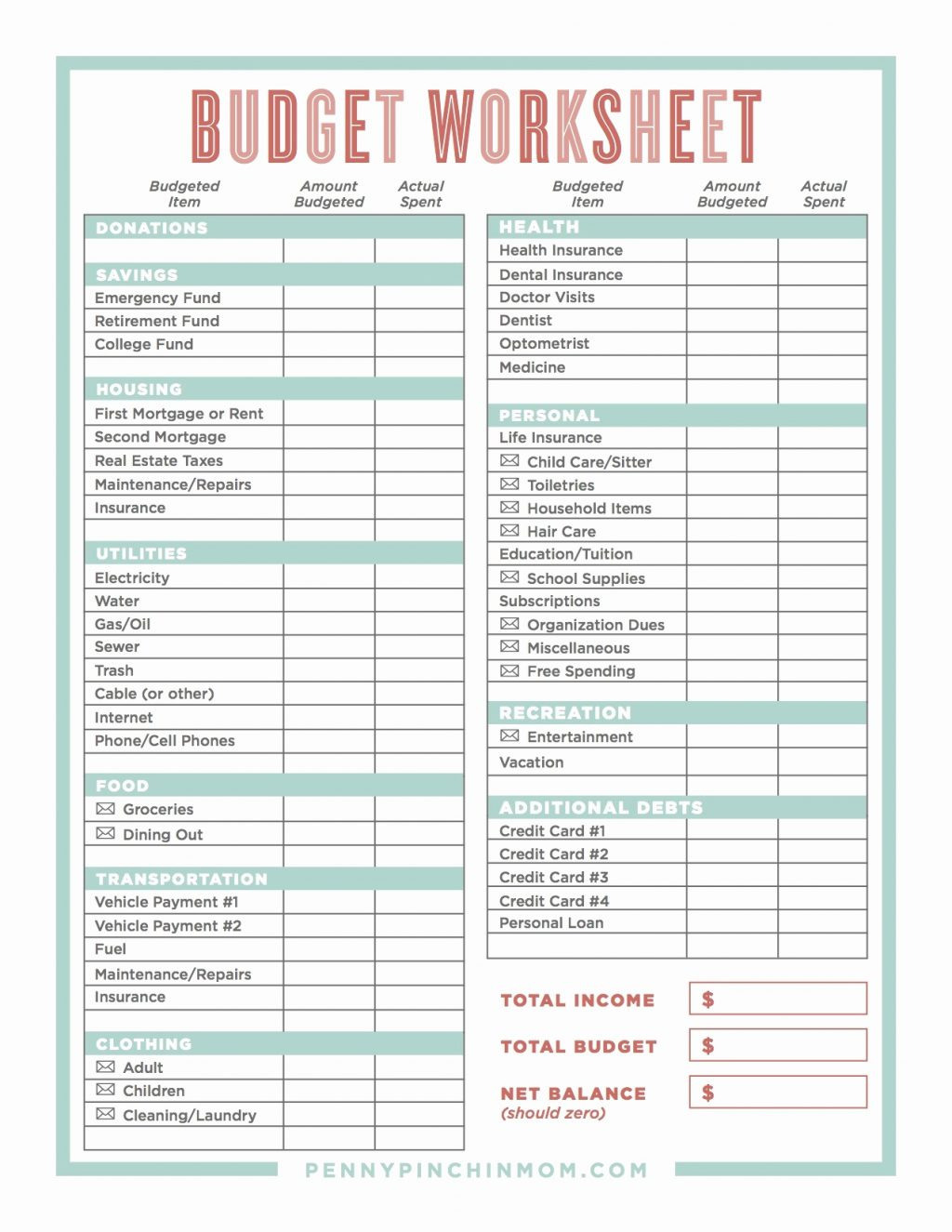
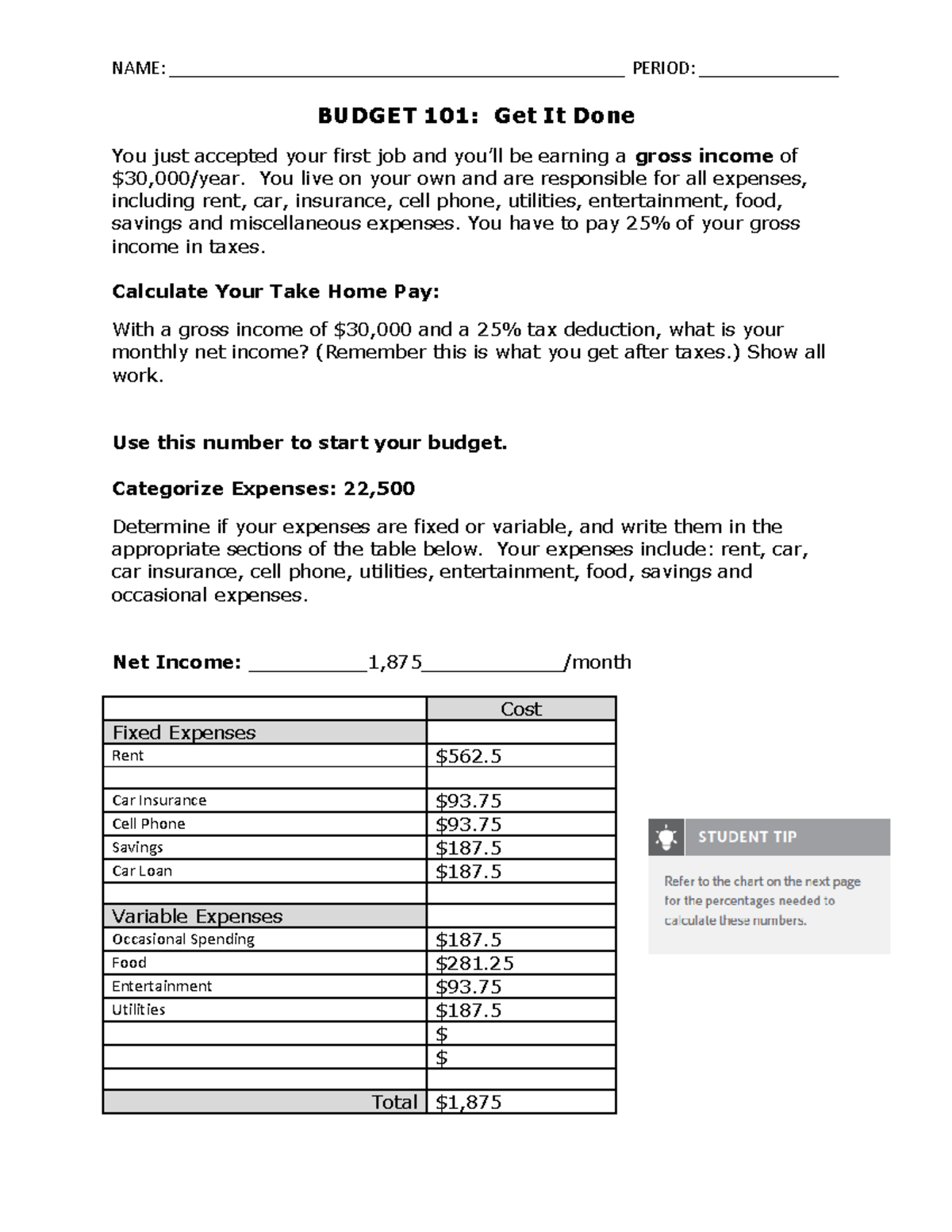
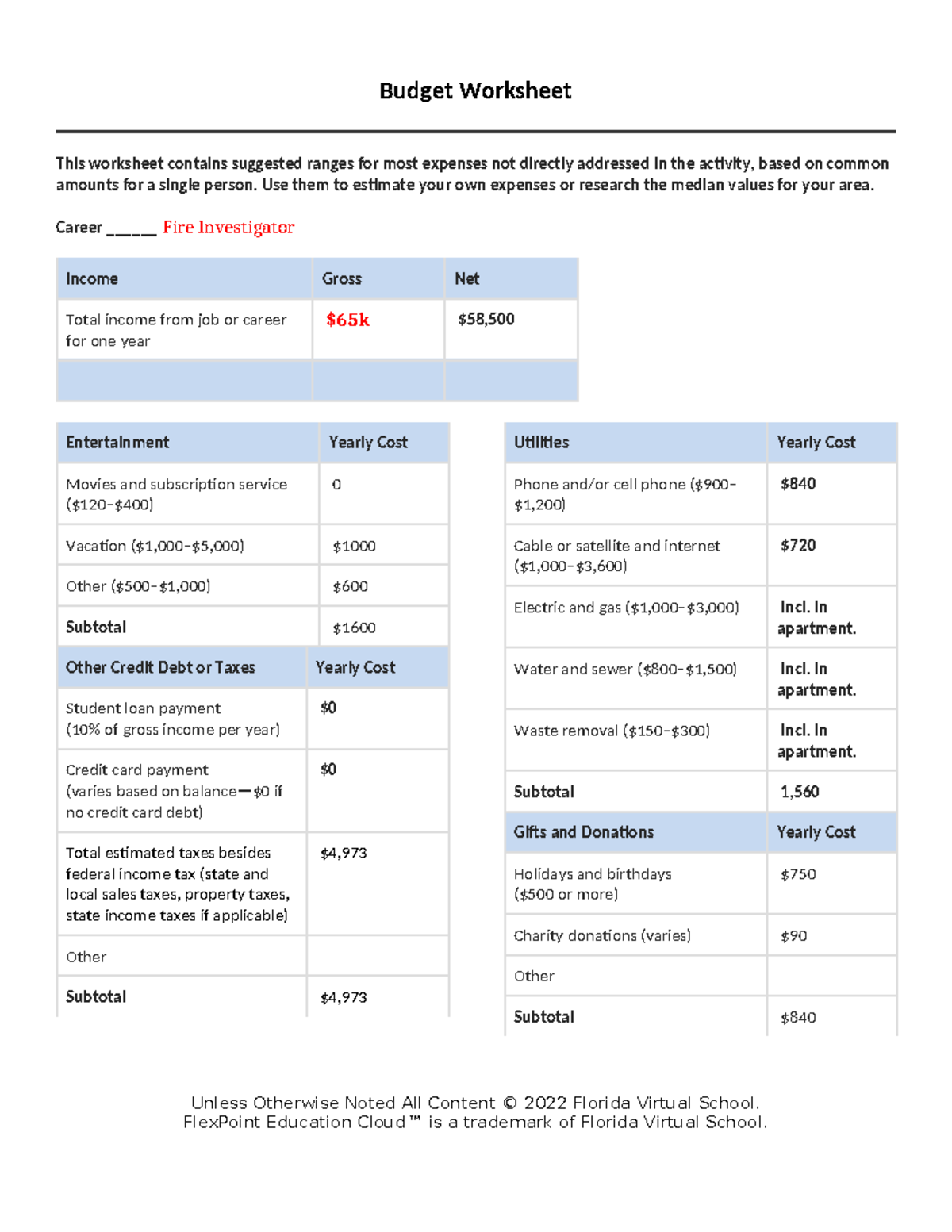
What makes this worksheet particularly effective is its straightforward format. It typically includes sections for students to list their income sources, categorize their expenses, and set savings goals. This structure helps students visualize their financial situation and understand the importance of tracking their money.
How to Use the Budget Basics Worksheet
Using the Budget Basics Worksheet effectively involves several steps that ensure students not only complete it but also grasp the underlying concepts.
- Download the Worksheet: Start by downloading the Budget Basics Worksheet from a reliable printable-resource website. Ensure you have the correct format, usually a PDF, which maintains the layout when printed.
- Print the Worksheet: Use standard 8.5 x 11 inch paper for easy handling. If you plan to use it repeatedly, consider printing on cardstock for durability. A color printer can enhance the visual appeal, but a black-and-white print works just as well.
- Set Up a Budgeting Session: Create a conducive learning environment. Dedicate a quiet space where students can focus. Setting aside a specific time each week for budgeting practice can help reinforce this skill.
- Introduce Basic Concepts: Before diving into the worksheet, discuss key terms such as income, fixed expenses, variable expenses, and savings. Use real-life examples that students can relate to, like allowance, chores, or gifts.
- Guide Them Through the Worksheet: As students fill out the worksheet, walk them through each section. Encourage them to think critically about their income sources and necessary expenses. Ask questions like, “What are some things you spend money on each month?” This helps them connect the worksheet to their personal experiences.
- Review and Discuss Answers: Once they’ve completed the worksheet, review their answers together. Discuss the importance of saving and how budgeting can help them achieve their financial goals. This reinforces the practical application of what they’ve learned.
Tips for Effective Budgeting Practice
To maximize the benefits of the Budget Basics Worksheet 1 Answers, consider incorporating these tips into your sessions:
- Use Visual Aids: Charts and graphs can help students visualize their income versus expenses. Consider using colored pencils or markers to differentiate between categories.
- Role-Playing: Engage students in role-playing scenarios where they must make financial decisions based on a given budget. This interactive approach can enhance understanding and retention.
- Set Realistic Goals: Help students set achievable savings goals. Discuss what they might want to save for, like a new toy or game, and how budgeting can help them reach that goal.
- Incorporate Technology: If resources allow, introduce budgeting apps designed for children. This can provide a modern twist to traditional budgeting methods and keep students engaged.
Adapting the Worksheet for Different Age Groups
While the Budget Basics Worksheet is suitable for various grade levels, it’s essential to adapt the complexity of the task based on the students’ ages and experiences.
- Younger Students (Grades 4-5): Focus on basic concepts such as identifying income sources and simple expenses. Use visuals and examples they can easily relate to, like saving for a favorite snack.
- Middle School Students (Grades 6-8): Introduce more complex scenarios that include discretionary spending and savings for larger goals. Encourage them to think critically about their spending habits and explore the consequences of overspending.
Reinforcing the Learning Experience
To ensure that the lessons from the Budget Basics Worksheet stick, consider follow-up activities:
- Monthly Budget Challenges: Create challenges where students must stick to a budget for a month, documenting their spending and savings. This can foster accountability and reinforce budgeting skills.
- Family Involvement: Encourage students to share what they’ve learned with family members. This not only reinforces their understanding but also opens discussions about family budgeting.
- Feedback Sessions: After a few weeks of using the worksheet, have feedback sessions where students can share their experiences. Discuss what worked well and what challenges they faced.
Additional Resources for Budgeting Skills
To further support the development of budgeting skills beyond the Budget Basics Worksheet 1 Answers, consider these additional resources:
- Books on Personal Finance for Kids: Look for engaging stories that teach financial principles in an age-appropriate manner.
- Online Budgeting Games: There are several educational websites that offer interactive games focused on budgeting and money management.
- Local Workshops: Check if community centers or libraries offer workshops on financial literacy for kids and teens.
By using the Budget Basics Worksheet 1 Answers effectively, you can help students develop essential budgeting skills that will serve them well into adulthood. This resource not only aids in understanding budgeting concepts but also encourages responsible financial behavior from an early age. Incorporating these practices into regular routines can make learning about finances an enjoyable and rewarding experience for both students and educators.