In the realm of financial literacy resources, the Budget Busters Worksheet Answer Key stands out as a practical tool for teaching students about budgeting and spending habits. This resource is designed to help educators and parents guide learners through understanding their financial choices. The worksheet typically includes various scenarios and questions that prompt students to evaluate their spending, making it an engaging way to reinforce important financial concepts.
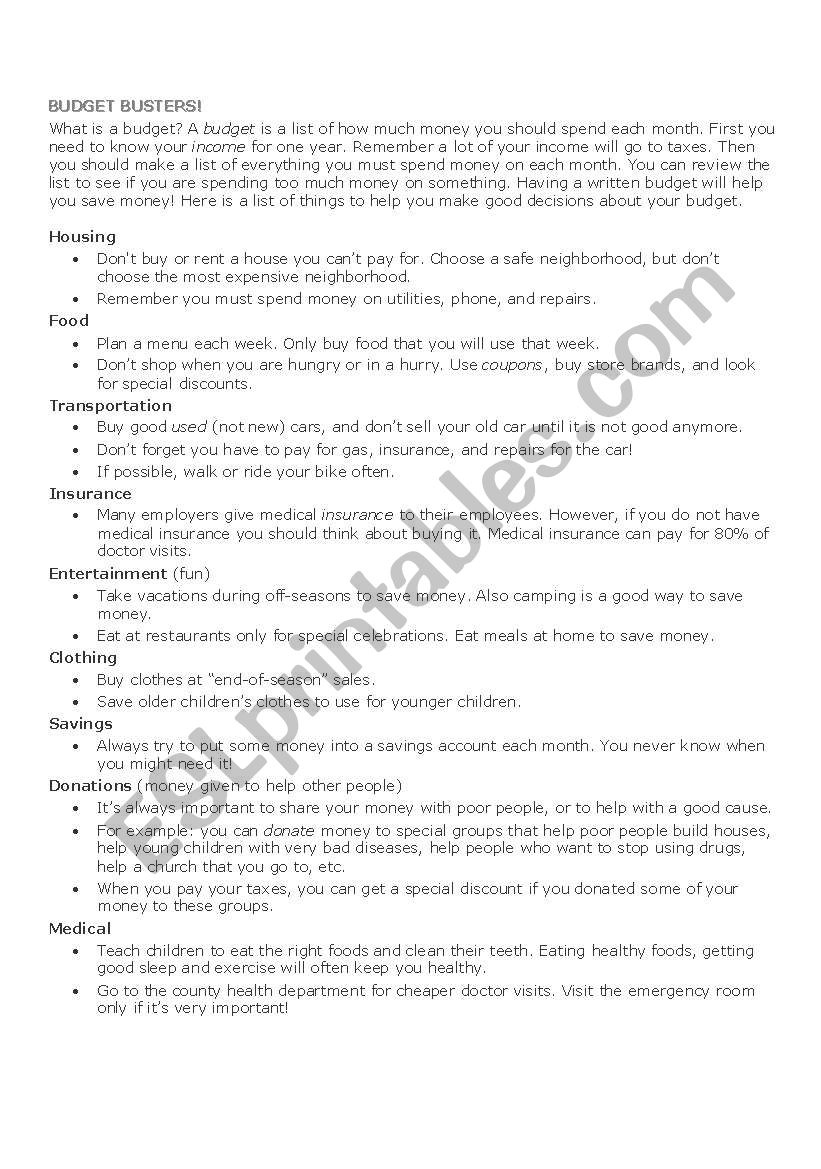
Understanding the Budget Busters Worksheet
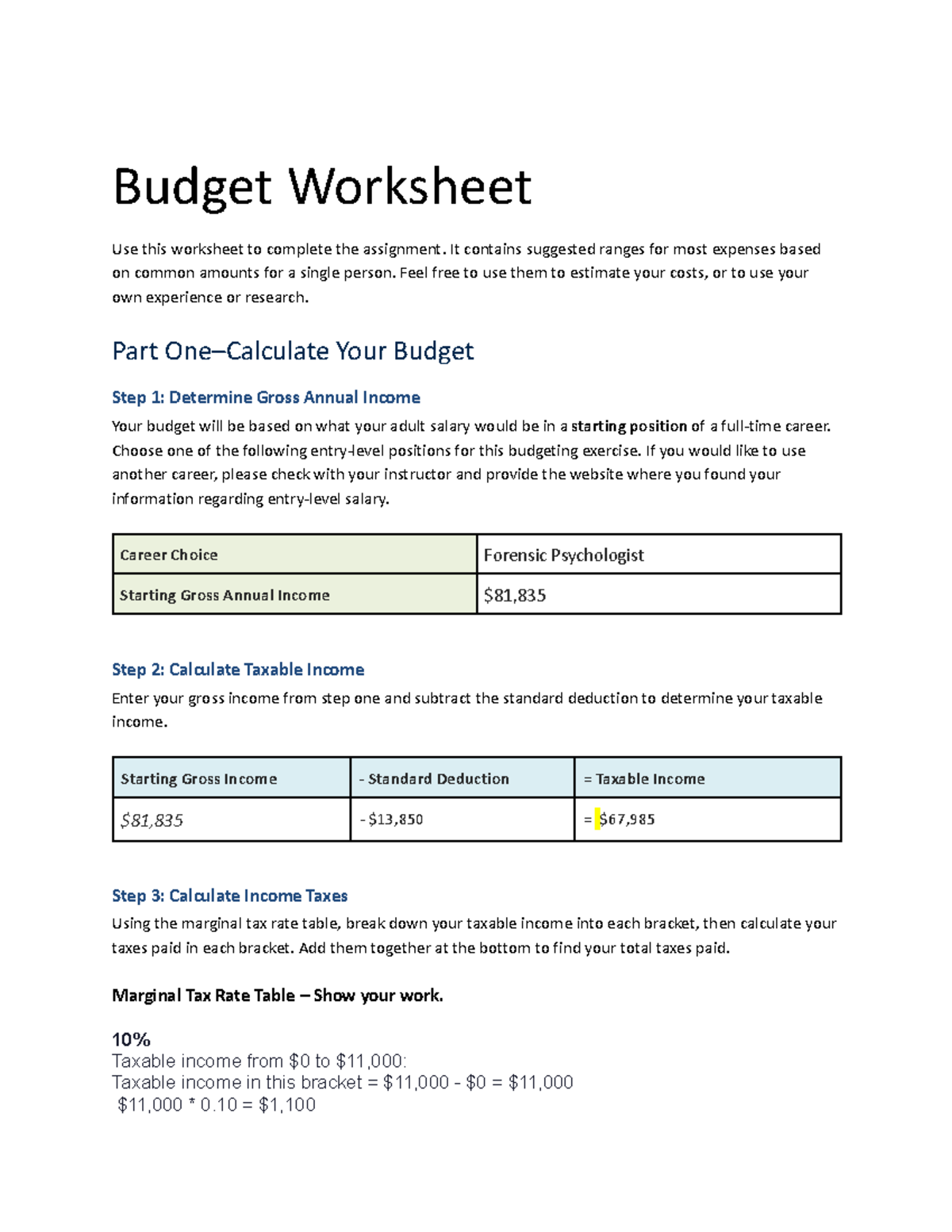
The Budget Busters Worksheet is specifically crafted for students in middle to high school, generally grades 7-12. It often features a series of hypothetical spending situations that students encounter in everyday life. The answer key serves as a companion to this worksheet, providing correct responses and explanations to ensure that students grasp fundamental financial principles.
This worksheet is formatted to allow students to work through different scenarios, helping them identify what constitutes a “budget buster”—expenses that can derail their financial goals. The layout typically includes clear sections for each scenario, allowing for straightforward navigation and comprehension.
Key Components of the Worksheet
The Budget Busters Worksheet usually comprises several key components:
- Scenarios: Real-life situations that present spending dilemmas. These could range from impulse purchases to necessary expenses, encouraging students to think critically about their choices.
- Questions: Each scenario is accompanied by questions that guide students to reflect on the financial implications of their decisions. For instance, they might be asked to calculate potential savings or consider alternative choices.
- Reflection Section: This part allows students to summarize what they learned and how they can apply this knowledge in their own lives.
- Answer Key: The companion answer key provides correct answers along with explanations for each scenario, making it easier for teachers to facilitate discussions and provide feedback.
How to Use the Budget Busters Worksheet in the Classroom
Integrating the Budget Busters Worksheet into your lesson plans can significantly enhance students’ understanding of personal finance. Here are a few practical steps to effectively use this resource:
- Introduction to Budgeting: Start by introducing the concept of budgeting and its importance. Discuss why understanding expenses is crucial for financial well-being.
- Group Activity: Divide the class into small groups and assign each group a different scenario from the worksheet. After they analyze their scenarios, have them present their findings to the class. This encourages collaboration and peer learning.
- Class Discussion: Use the answer key to facilitate a class discussion. Go through each scenario and question, allowing students to share their thoughts and reasoning. This discussion can help clarify misconceptions and deepen understanding.
- Real-World Application: Encourage students to think about their own spending habits. You might have them create a personal budget based on their allowances or earnings, using insights gained from the worksheet.
Adapting the Worksheet for Homeschooling
For homeschooling parents, the Budget Busters Worksheet can be a valuable addition to your curriculum. Here’s how you can adapt it for home use:
- Flexible Pacing: Since homeschooling allows for a tailored approach, take your time with each scenario. Encourage discussions that delve deeper into financial principles.
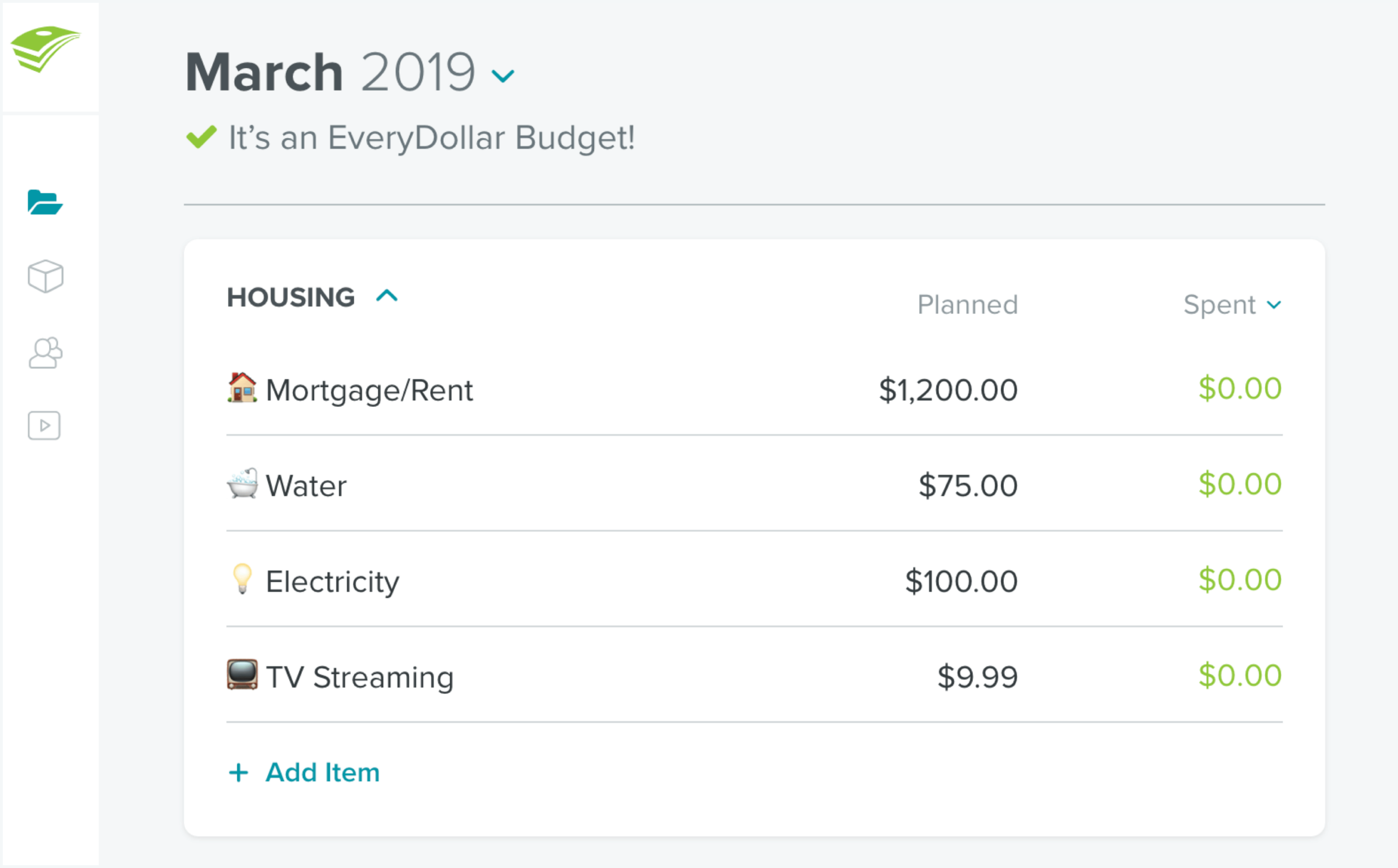
- Supplementary Materials: Consider providing additional resources such as online budgeting tools or apps. This can help students practice their skills in a real-world context.
- Family Budgeting Project: Engage your child in a family budgeting project. Have them help plan a family outing or manage household expenses for a week, using insights from the worksheet.
Best Practices for Effective Use
To maximize the effectiveness of the Budget Busters Worksheet, consider the following best practices:
- Print Quality: Use high-quality paper for printing the worksheet. Cardstock is recommended for durability, especially if students will be writing directly on the pages.
- Visual Aids: Incorporate visual aids, such as charts or graphs, to illustrate budgeting concepts. This can enhance understanding, especially for visual learners.
- Feedback Loop: After completing the worksheet, provide feedback using the answer key. Discuss not just the correct answers, but also the reasoning behind them. This reinforces learning and helps students internalize the concepts.
- Interactive Elements: If possible, make the learning experience interactive. Use games or online simulations that complement the worksheet to capture students’ interest and enhance retention.