Managing a budget can feel overwhelming, especially in a classroom or home setting where financial literacy is becoming increasingly important. A Blank Monthly Budget Worksheet Printable is a fantastic tool to help organize expenses, track income, and foster good financial habits among students and families alike. This guide will walk you through how to effectively use this resource, ensuring that you and your students can gain the most from it.
Understanding the Importance of Budgeting
Budgeting is not just about keeping track of money; it’s a critical life skill that empowers individuals to make informed financial decisions. For teachers or parents, introducing budgeting concepts early can significantly impact students’ future financial behavior. A Blank Monthly Budget Worksheet Printable can serve as a foundational tool for teaching these principles.
With this worksheet, students can learn to categorize their expenses, differentiate between needs and wants, and set financial goals. This can be particularly useful for high school students preparing for college or young adults entering the workforce.
How to Use the Blank Monthly Budget Worksheet Printable
Setting Up the Worksheet
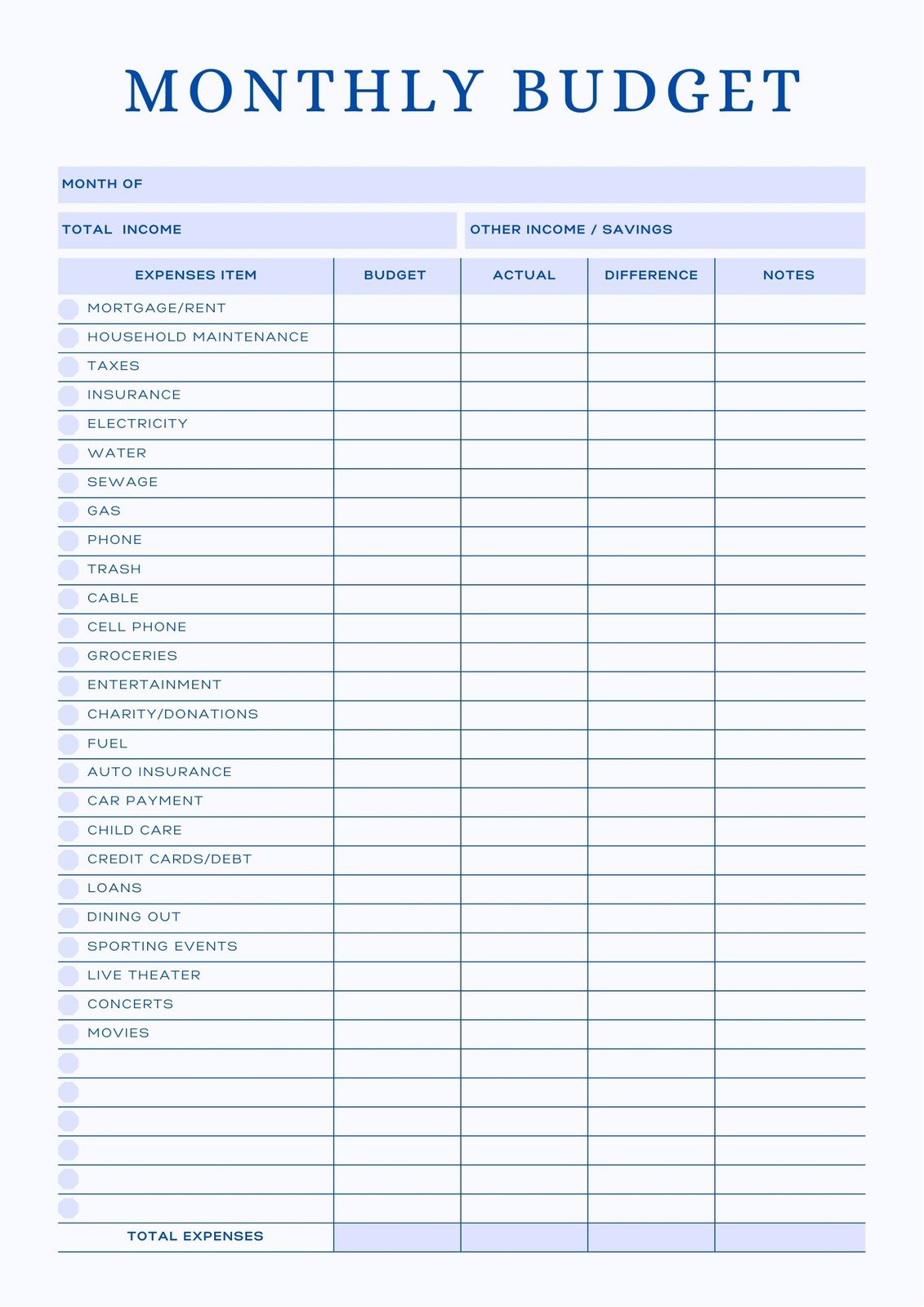
First things first: download and print the Blank Monthly Budget Worksheet Printable. It’s advisable to use standard letter-sized paper (8.5″ x 11″) for easy printing. If you have access to a color printer, consider printing in color to make the worksheet visually engaging for younger students. Here’s how to set it up:
- Gather Necessary Information: Before filling out the worksheet, gather all income sources (allowances, part-time job earnings) and expenses (snacks, school supplies, entertainment, etc.).
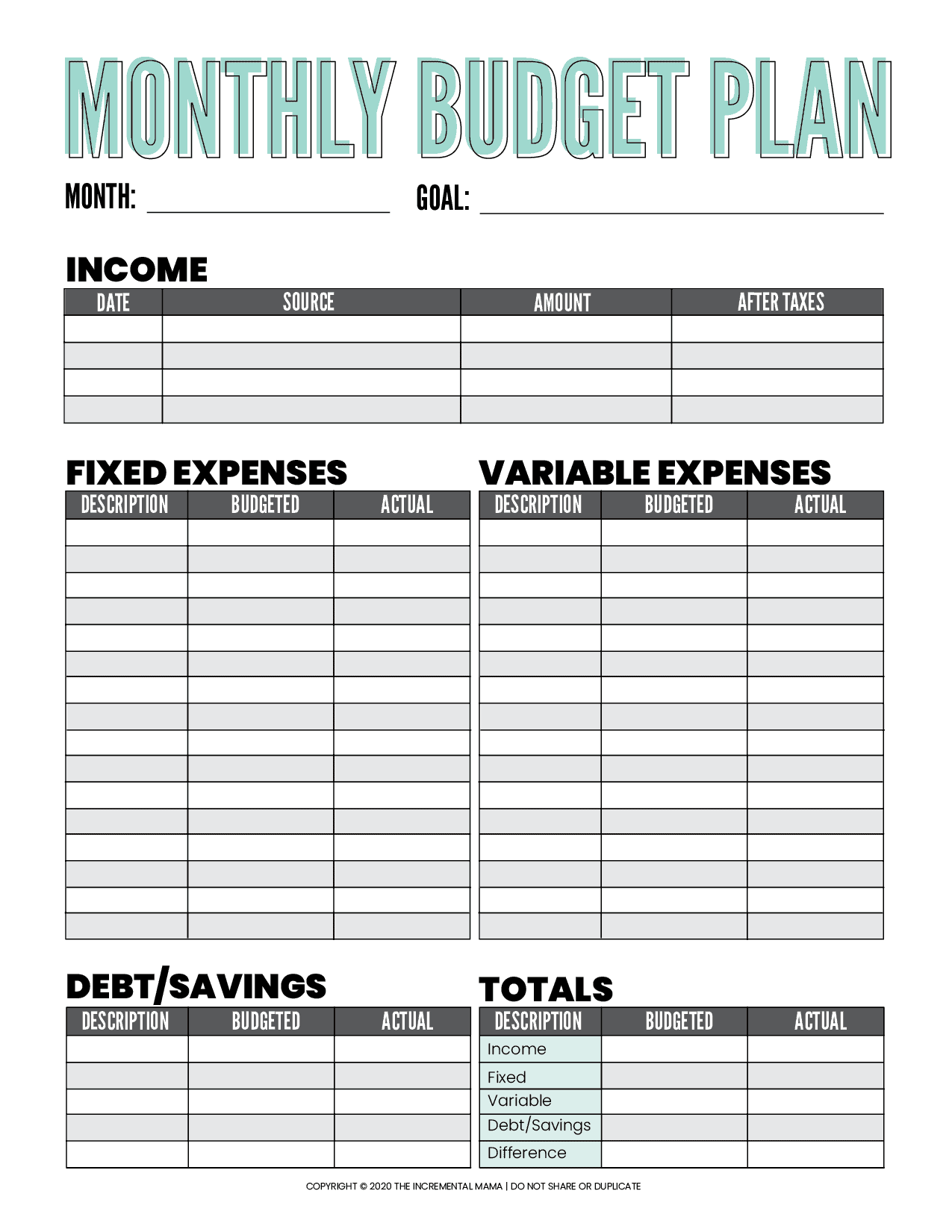
- Categorize Expenses: Use the provided categories on the worksheet to sort expenses into fixed (rent, subscriptions) and variable (food, entertainment) expenses. This helps students understand which costs are predictable and which can fluctuate.
- Fill in Income: Record all sources of income. This should include any allowances, gifts, or earnings from jobs. This practice demonstrates the importance of knowing how much money is coming in before making spending decisions.
Analyzing Spending Habits
Once the worksheet is filled out, it’s time to analyze the data. This is where the real learning begins. Discuss the following points with your students or children:
- Total Income vs. Total Expenses: Subtract total expenses from total income. This will show whether they are living within their means or if they need to adjust their spending.
- Identifying Trends: Review the spending categories to identify where most money is going. Are they spending more on entertainment than necessary? This can lead to discussions about prioritizing needs over wants.
- Setting Financial Goals: After understanding their spending habits, encourage students to set short and long-term financial goals. For example, saving for a new video game or a college fund.
Tips for Implementing Budgeting Activities in the Classroom
Using the Blank Monthly Budget Worksheet Printable in the classroom can be a fun and educational experience. Here are some tips to maximize its effectiveness:
- Group Activities: Have students work in pairs or small groups to fill out the worksheet. This encourages discussion and collaboration, making the learning process more engaging.
- Real-Life Scenarios: Create hypothetical scenarios where students must budget for specific events, such as planning a party or a class trip. This helps them apply their budgeting skills in a practical context.
- Regular Review: Incorporate regular budgeting reviews into your curriculum. Monthly check-ins can help students stay accountable for their budgets and see how their spending habits change over time.
Adapting the Worksheet for Different Age Groups
The Blank Monthly Budget Worksheet Printable can be tailored to suit various age groups, making it a versatile resource for teachers and parents alike. Here’s how to adapt it:
- Younger Students (Grades 4-6): Simplify the worksheet by limiting the number of categories or using visual aids like pictures to represent different expenses. This makes it easier for younger students to grasp the concepts.
- Middle School (Grades 7-8): Introduce more complex categories, including savings and investments. Encourage them to think about future financial goals and how to budget for them.
- High School (Grades 9-12): This age group can handle more intricate budgeting concepts, such as credit, debt, and savings accounts. Encourage discussions about long-term financial planning, like college tuition or car payments.
Printing and Distribution Tips
When it comes to distributing the Blank Monthly Budget Worksheet Printable, consider the following:
- Bulk Printing: If you’re working in a classroom, print multiple copies at once to save time. Make sure to check printer settings for double-sided printing if you want to save paper.
- Laminating for Reuse: If you plan to use the worksheet multiple times, consider laminating it. This way, students can use dry-erase markers to fill it in and wipe it clean for reuse.
- Digital Versions: For tech-savvy students, consider offering a digital version of the worksheet. This can be filled out on a tablet or computer, making it more accessible for those familiar with technology.
Encouraging Financial Literacy Beyond Budgeting
While the Blank Monthly Budget Worksheet Printable is a great starting point, it’s essential to build on this foundation. Here are some additional resources to consider:
- Financial Literacy Workshops: Organizing workshops or inviting guest speakers can provide students with a broader understanding of financial topics.
- Interactive Games: There are numerous online games and apps designed to teach financial literacy in a fun, engaging way. Integrating these into your lessons can reinforce the concepts learned through budgeting.
- Parent Involvement: Encourage parents to engage with their children in budgeting activities at home. This can foster discussions about money management and reinforce the lessons learned in the classroom.
By taking advantage of the Blank Monthly Budget Worksheet Printable, teachers and parents can equip students with the skills they need to manage their finances effectively. The ability to budget wisely can lead to greater financial stability and confidence in their financial decisions. Whether in the classroom or at home, budgeting is a skill worth mastering.