Budgeting is an essential life skill, and teaching it can be both engaging and straightforward. The Basic Budget Planner Worksheet Free is a printable resource designed to help students, particularly in grades 4-8, understand the fundamental concepts of budgeting. This worksheet allows learners to track their income, expenses, and savings in a clear and structured format.
Understanding the Basic Budget Planner Worksheet
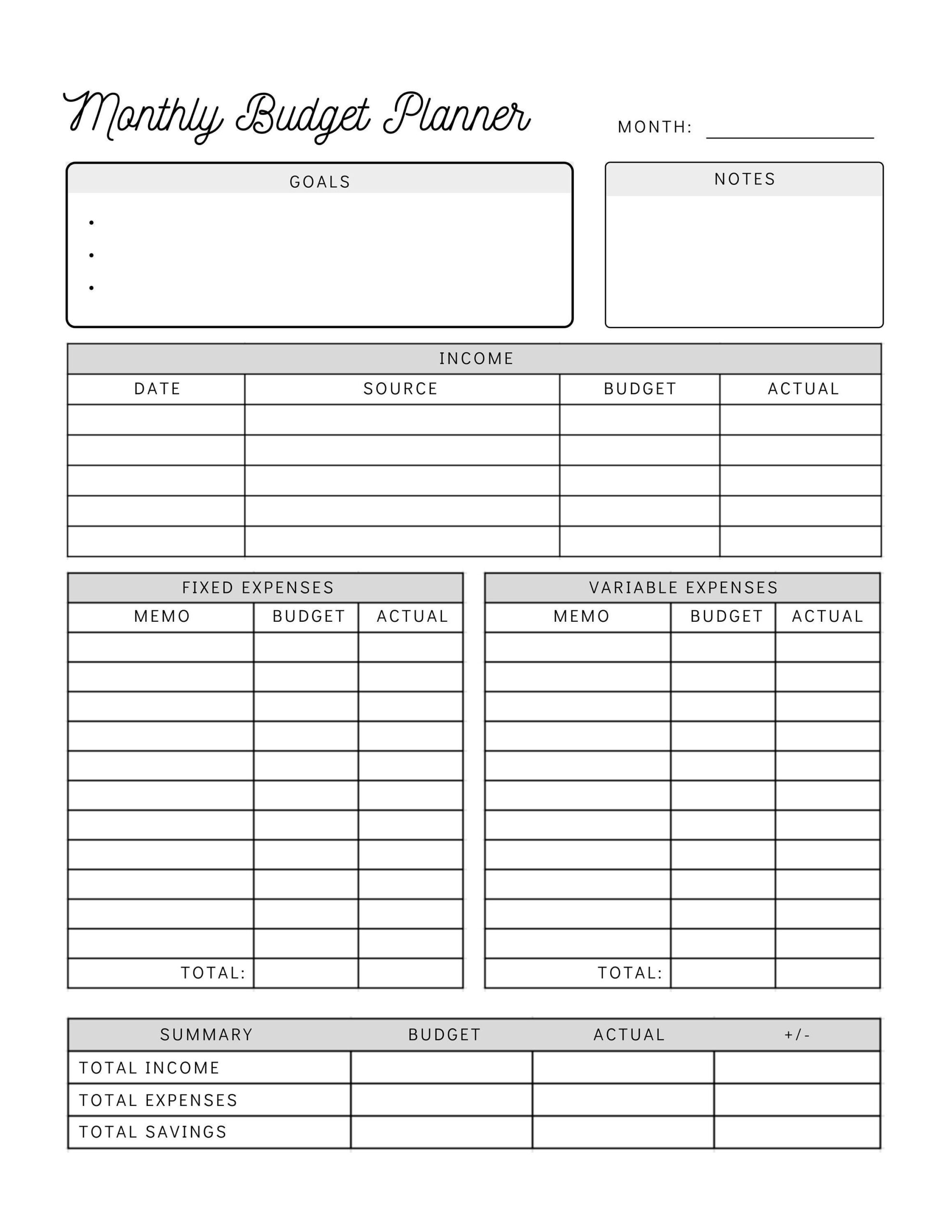
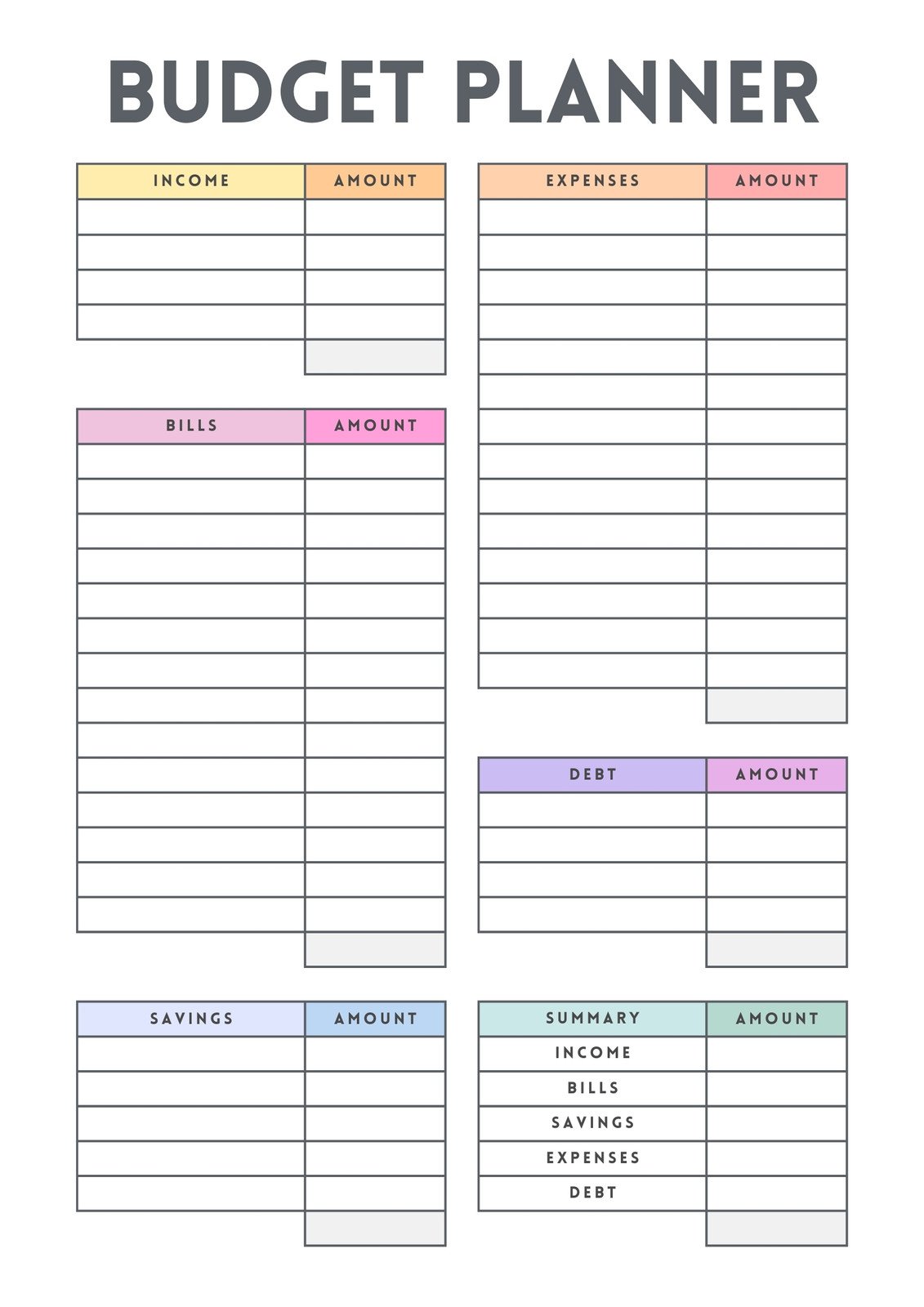
The Basic Budget Planner Worksheet Free is typically formatted as a one-page PDF, making it easy to print and distribute. It features sections that guide students through the budgeting process, including:
- Income: This section allows students to list all sources of income, whether it’s from an allowance, chores, or part-time jobs.
- Expenses: Here, students can categorize their expenses into fixed (like subscriptions) and variable (like snacks or outings) costs.
- Savings Goals: This encourages students to think about their savings and set realistic goals for future purchases.
The layout is user-friendly, with clear headings and ample space for writing. This design choice supports students in organizing their thoughts, allowing them to visualize their financial situation better.
How to Use the Budget Planner in the Classroom
Incorporating the Basic Budget Planner Worksheet Free into your lessons can be both educational and fun. Here are some practical ways to use it:
- Budgeting Lesson Plans: Introduce the concept of budgeting through a lesson plan that includes real-life scenarios. Discuss what budgeting means and why it is essential. Then, have students fill out the worksheet based on a hypothetical monthly income.
- Group Activities: Divide students into small groups and assign each group a different budget scenario. For example, one group might plan a birthday party, while another might budget for a class trip. Each group can use the worksheet to create their budget and then present their plans to the class.
- Home Assignments: Encourage students to take the worksheet home and discuss their budgets with their parents. This reinforces learning and allows parents to be involved in their child’s financial education.
Tailoring the Worksheet for Different Age Groups
While the Basic Budget Planner Worksheet Free is effective for upper elementary to middle school students, it can be adapted for younger students as well. For instance:
- Younger Students (Grades K-3): Simplify the worksheet by limiting income and expense categories. Use visuals, such as images of common expenses (toys, snacks), to help them understand the concepts better.
- Older Students (Grades 9-12): Add complexity by including sections for tracking debt, investments, or more extensive savings goals like college funds or car purchases.
Adjusting the worksheet’s complexity ensures that it remains relevant and engaging for all age groups.
Incorporating Real-Life Scenarios
To make the budgeting lesson more impactful, integrate real-life scenarios that resonate with students. For example, present a scenario where a student has a part-time job earning a specific amount each month. Then, ask them to budget for common expenses like school supplies, entertainment, and savings for a desired item.
This approach not only makes the lesson relatable but also encourages critical thinking. Students can discuss their decisions with classmates, fostering a collaborative learning environment.
Designing Your Own Budget Planner
While the Basic Budget Planner Worksheet Free is a fantastic resource, you might want to customize it to better fit your classroom’s needs. Here are some design considerations:
- Paper Size: The standard size is 8.5 x 11 inches, which works well for printing. However, you can create a booklet format by printing on larger paper to include more detailed instructions or examples.
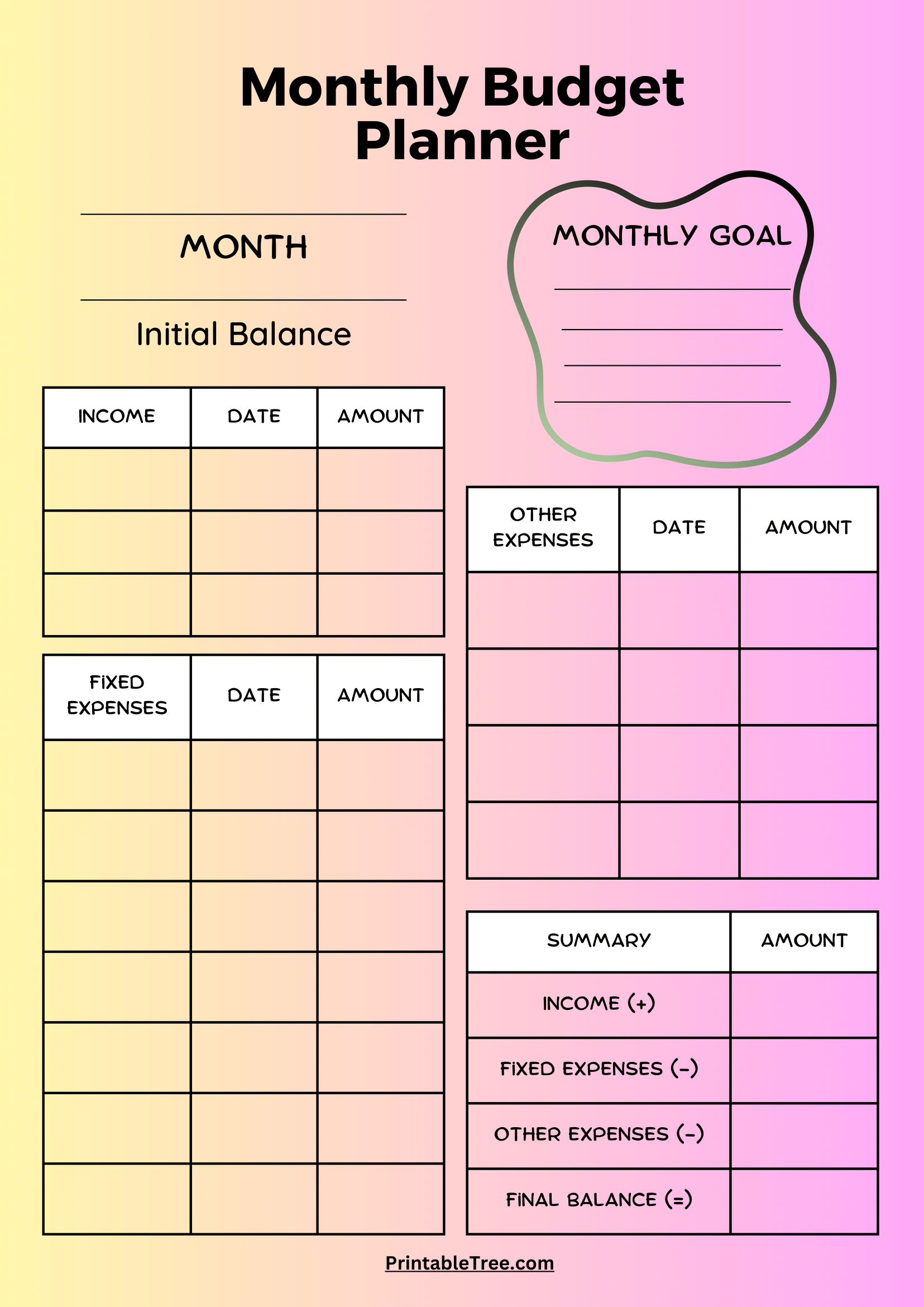
- Color Coding: Use color to differentiate between income, expenses, and savings goals. This visual aid can help students quickly identify each section.
- Laminating: If you plan to use the worksheet repeatedly, consider laminating it. This allows students to use dry-erase markers to fill in their budgets, making it reusable.
Benefits of Using the Basic Budget Planner Worksheet Free
Using this worksheet provides numerous benefits, including:
- Practical Skills: Students learn how to manage money, which is crucial for their independence.
- Critical Thinking: Budgeting requires students to think critically about their choices and priorities.
- Engagement: The worksheet format encourages active participation, making the learning experience more enjoyable.
Additionally, the Basic Budget Planner Worksheet Free serves as a useful tool for parents who want to reinforce budgeting concepts at home.
By integrating a budgeting resource like this into your teaching strategy, you can equip students with essential financial skills that they will carry into adulthood.
This worksheet is not just about numbers; it’s about teaching students how to make informed financial decisions that will benefit them for years to come.
Ultimately, the most valuable aspect of the Basic Budget Planner Worksheet Free is its ability to promote financial literacy in a straightforward and engaging manner. Whether used in the classroom or at home, it sets the foundation for responsible money management.