Managing finances can be a challenging task for small business owners. Without a clear plan, expenses can spiral out of control, leading to financial stress. A Blank Fillable Monthly Budget Worksheet serves as a practical tool to help organize income and expenses, making it easier to keep track of where your money is going each month.
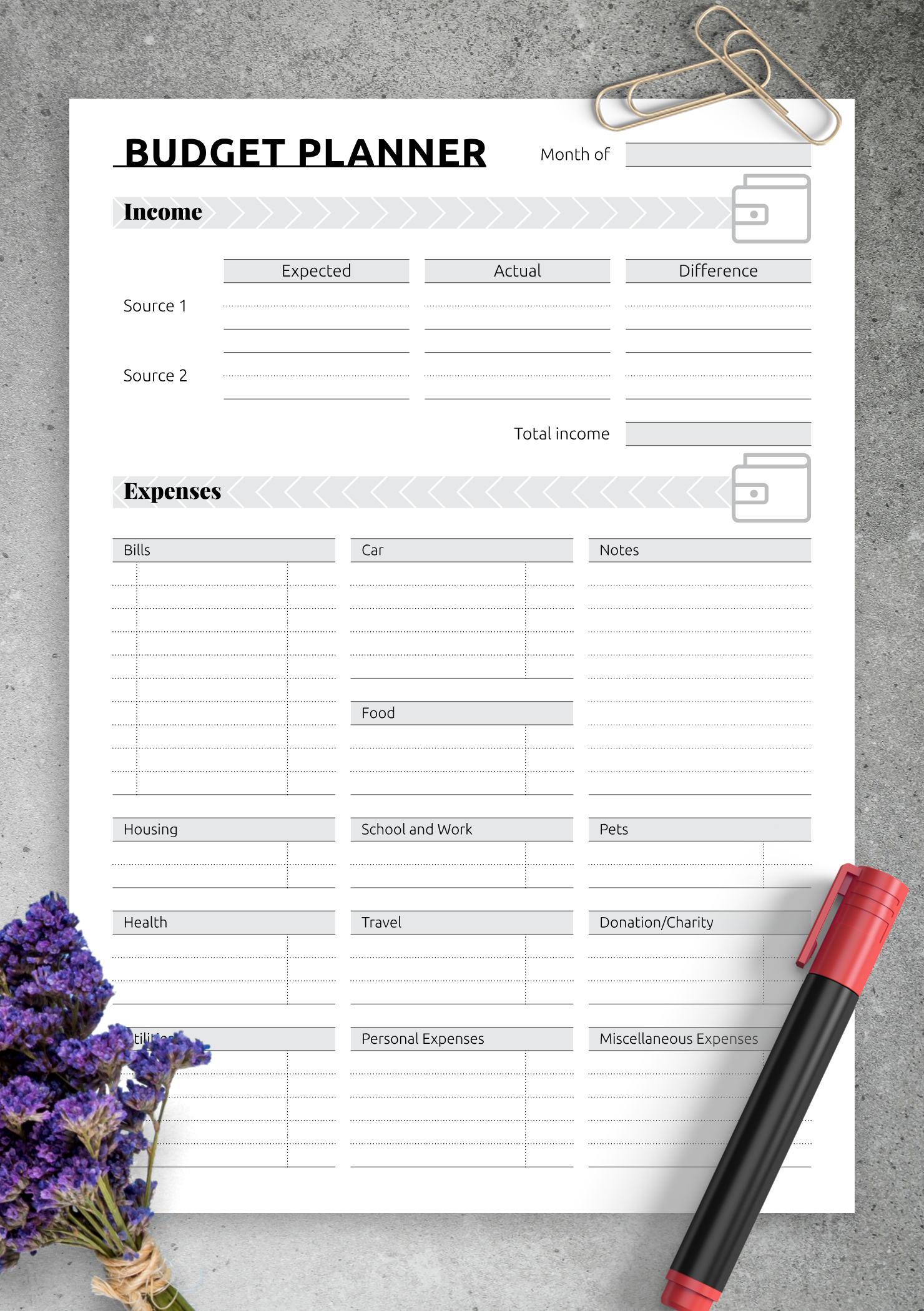
Understanding the Blank Fillable Monthly Budget Worksheet
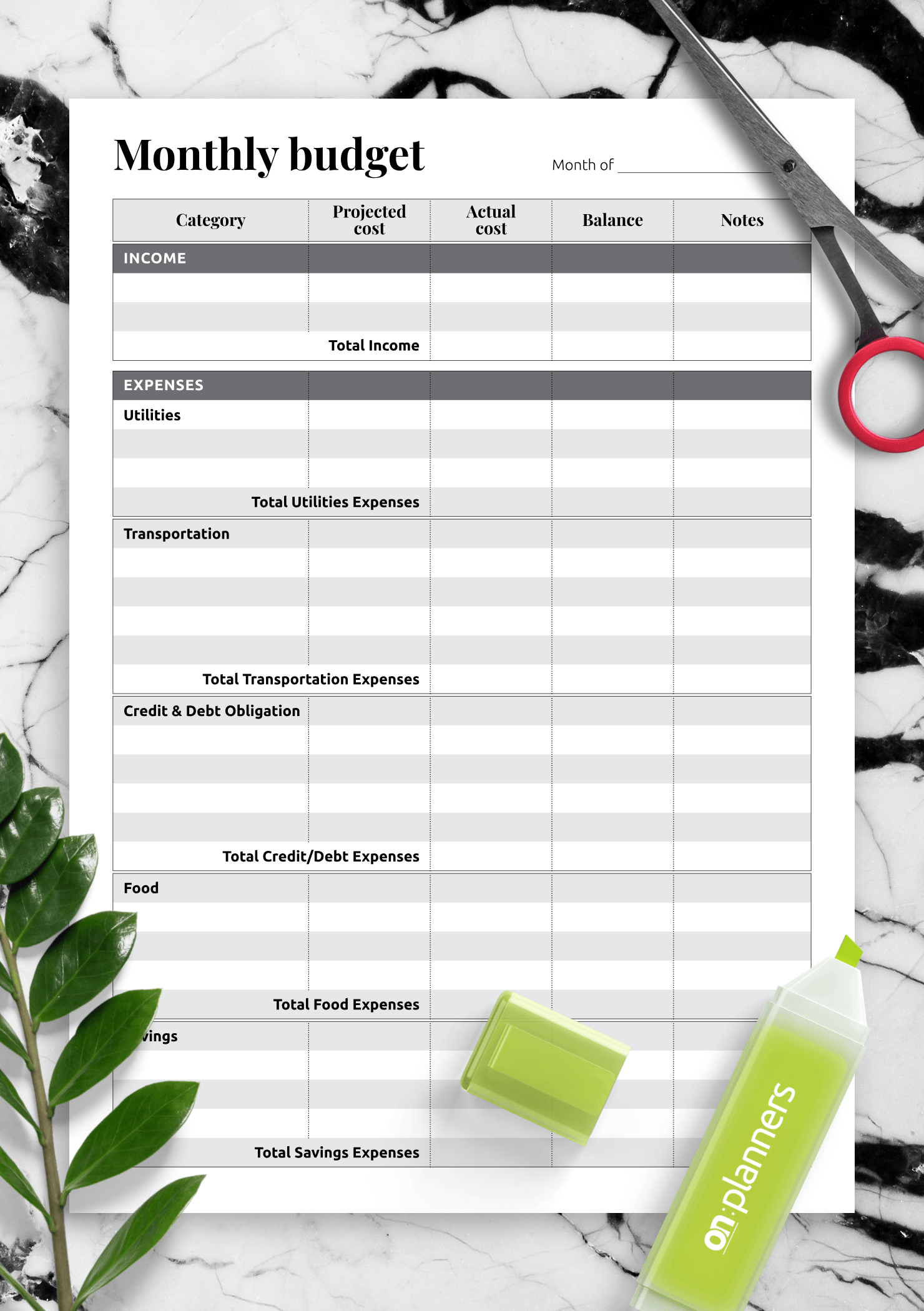
A Blank Fillable Monthly Budget Worksheet is designed to help users input their financial data directly into the document. This worksheet provides sections to list income sources, fixed and variable expenses, and savings goals. By utilizing this resource, you can gain a clear view of your financial landscape, enabling you to make informed decisions about spending and saving.
This worksheet is suitable for individuals and small-business owners who want to keep their finances organized. It’s best used monthly to track changes and adjust budgets as necessary. With its fillable format, data can be easily updated, allowing for quick adjustments to your financial strategy.
How to Download and Print Your Worksheet
Getting started with your Blank Fillable Monthly Budget Worksheet is simple. Here’s how to download, print, and set it up:
- Choose Your Format: Locate the worksheet on the printable-resource website. Ensure you select the fillable PDF version to allow for easy data entry.
- Download the Worksheet: Click the download button. The file will typically save to your computer’s default downloads folder.
- Open the File: Use a PDF reader to open the downloaded file. Ensure your software supports fillable forms for the best experience.
- Print the Worksheet: If you prefer a hard copy, print the worksheet using standard letter-sized paper (8.5” x 11”). Set your printer to portrait orientation to maximize the layout.
- Prepare for Use: If you plan to use this worksheet frequently, consider printing multiple copies or laminating it for reuse with dry-erase markers.
By following these steps, you’ll have your worksheet ready to use in no time.
Setting Up Your Monthly Budget
Once you have your Blank Fillable Monthly Budget Worksheet printed or open, it’s time to set it up for effective budgeting. Here’s how to fill it out:
- List Your Income: Start by entering all sources of income for the month. This may include salary, freelance work, or passive income streams. Be thorough to ensure an accurate financial picture.
- Identify Fixed Expenses: Next, list all fixed expenses that remain constant each month. These can include rent or mortgage payments, utilities, insurance, and loan payments. Knowing these costs helps establish a baseline for your budget.
- Track Variable Expenses: Variable expenses can fluctuate from month to month. This section might include groceries, entertainment, and miscellaneous spending. Reviewing past months can help estimate these amounts accurately.
- Set Savings Goals: Allocate a portion of your income to savings. This could be for an emergency fund, retirement, or specific goals like a vacation. Having a savings target encourages responsible spending.
- Calculate Your Total: After filling out your worksheet, calculate your total income and expenses. Subtract total expenses from total income to see how much you have left for savings or discretionary spending.
- Adjust as Necessary: If expenses exceed income, review your variable expenses and identify areas to cut back. Aim to balance your budget by making adjustments as needed.
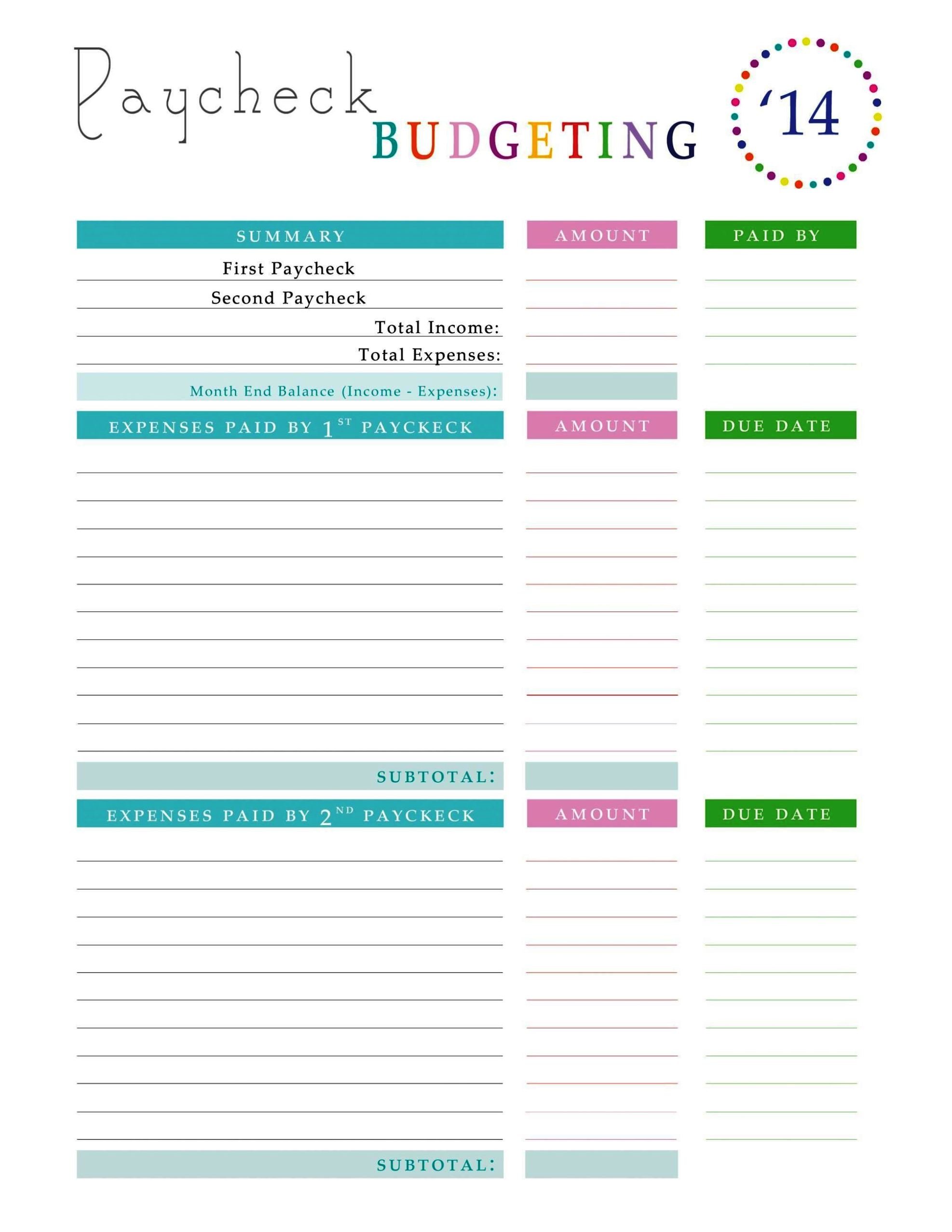
Using Your Monthly Budget Worksheet Effectively
Now that your Blank Fillable Monthly Budget Worksheet is set up, using it effectively involves regular review and adjustments. Here are some practical tips:
- Review Monthly: At the end of each month, review your spending against your budget. This reflection helps identify patterns and areas for improvement.
- Make Adjustments: If certain expenses are consistently higher than expected, adjust your budget accordingly. This flexibility allows for more realistic financial planning.
- Stay Disciplined: Stick to your budget as closely as possible. Resist the urge to overspend in discretionary categories; this discipline leads to better financial health.
- Use Color Coding: If you’re using a printed version, consider color coding different expense categories. This visual representation can simplify understanding your spending habits.
By incorporating these practices, you will make the most of your Blank Fillable Monthly Budget Worksheet.