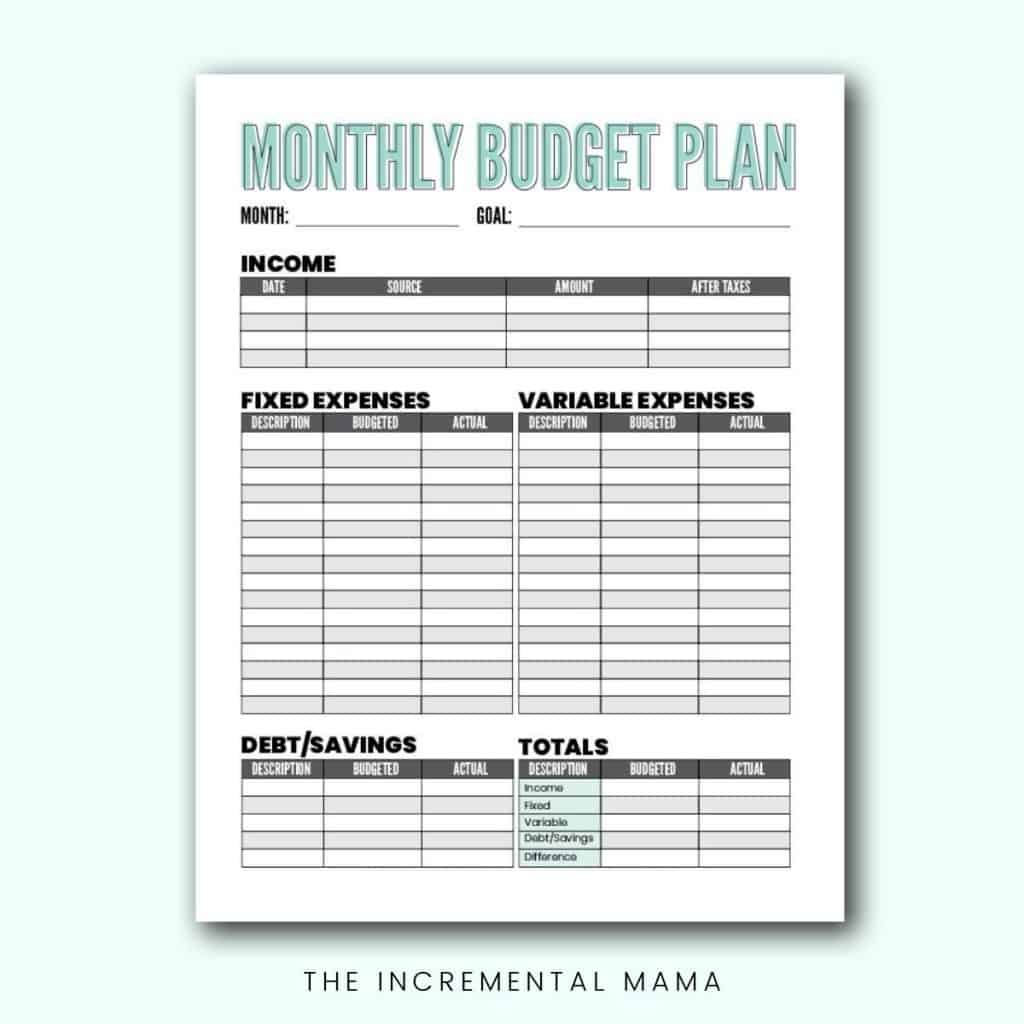
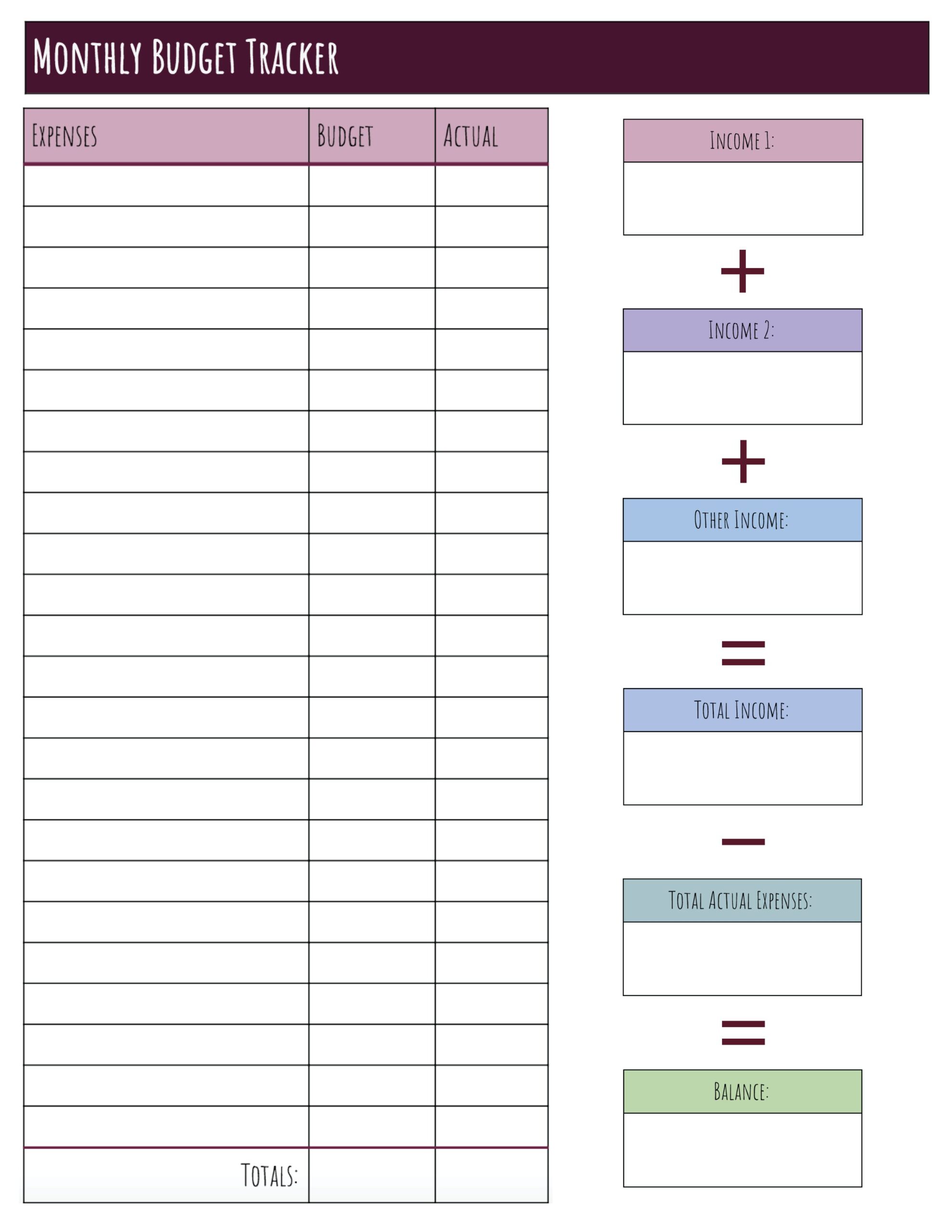
Managing personal finances can be a daunting task, but a Blank Personal Budget Worksheet Printable can simplify the process. This resource allows individuals to track income, expenses, and savings in an organized manner. Whether for personal use or to guide a small business owner in managing their finances, this worksheet is a practical tool.
Understanding the Importance of a Personal Budget Worksheet
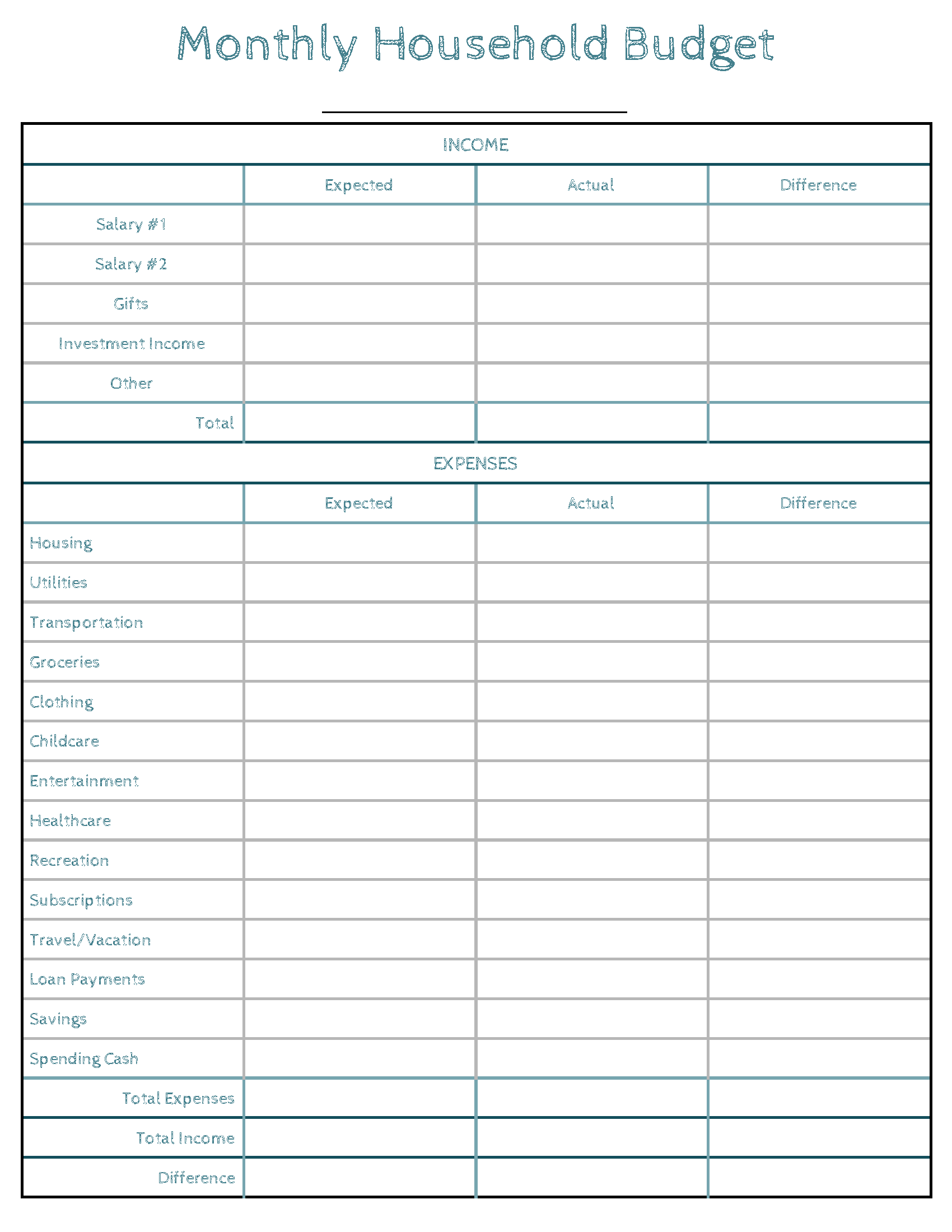
A personal budget worksheet serves as a roadmap for financial health. It helps users visualize their spending habits, identify areas for improvement, and set financial goals. By consistently using a budget worksheet, individuals can gain control over their finances, reducing stress and avoiding overspending.
When utilizing a Blank Personal Budget Worksheet Printable, it’s essential to recognize what mastery looks like. Mastery in budgeting means being able to fill out the worksheet accurately, understanding the categories of income and expenses, and adjusting the budget based on past performance. This way, it’s easier to determine if someone is on track to meet their financial goals.
Key Features of a Blank Personal Budget Worksheet Printable
When selecting a Blank Personal Budget Worksheet Printable, consider the following features:
- Categories for Income and Expenses: The worksheet should have clear sections for different income sources and expense categories, such as housing, utilities, groceries, transportation, and entertainment. This organization makes it easier to see where money is going.
- Monthly and Yearly Tracking: Look for worksheets that allow for both monthly and yearly tracking. This way, users can see short-term and long-term financial trends.
- Savings Goals Section: Including a space for savings goals encourages users to prioritize saving alongside spending.
- Adjustable Format: A good worksheet will be available in various formats, such as PDF or Excel, allowing users to choose what works best for them.
How to Use the Blank Personal Budget Worksheet Printable Effectively
- Download and Print: Start by downloading the Blank Personal Budget Worksheet Printable from a reliable source. Print it out using standard letter-sized paper (8.5 x 11 inches) for easy handling.
- Gather Financial Information: Collect all necessary financial documents, such as pay stubs, bills, and bank statements. This information is crucial for filling out the worksheet accurately.
- Input Income: Begin by listing all sources of income. This includes salary, bonuses, freelance work, or any other sources of revenue. Be sure to calculate the total monthly income.
- List Expenses: Next, categorize and list all monthly expenses. Common categories include:
- Fixed expenses (rent/mortgage, insurance)
- Variable expenses (groceries, gas)
- Discretionary spending (entertainment, dining out)
- Calculate Savings: After inputting all income and expenses, determine the amount left over. This should represent potential savings. If expenses exceed income, adjustments will need to be made.
- Review Regularly: Set a schedule to review the budget worksheet monthly. This helps track progress toward financial goals and allows for adjustments based on changing circumstances.
Common Mistakes to Avoid
While using a Blank Personal Budget Worksheet Printable, it’s important to be aware of common pitfalls:
- Underestimating Expenses: Many people forget to include irregular expenses, such as annual subscriptions or unexpected medical costs. Be thorough in listing all potential expenses.
- Not Updating Regularly: A budget is a living document. Failing to update it regularly can lead to inaccuracies and poor financial decisions.
- Ignoring Savings: It’s easy to focus solely on expenses and income, but neglecting savings can hinder financial growth. Always allocate a portion of income to savings.
Practical Tips for Budgeting Success
- Use Color Coding: To make the worksheet visually appealing and easier to navigate, consider using color coding for different expense categories. This can help quickly identify areas that need attention.
- Set Realistic Goals: When establishing financial goals, be realistic. Setting achievable targets increases the likelihood of success and keeps motivation high.
- Involve Family Members: If budgeting for a household, involve all family members in the process. This ensures everyone understands the financial plan and can contribute to achieving goals.
- Track Progress: Regularly check progress against budget goals. Celebrate small victories to stay motivated, and adjust the budget as needed.