Managing finances can be daunting, especially for small-business owners who need to keep a close eye on their income and expenses. A Blank Budget Worksheet Income And Expense is a valuable tool that helps in tracking financial health. This printable resource is designed to streamline budgeting by allowing users to input their income sources and various expenditures, making it easier to visualize where money is being allocated each month.
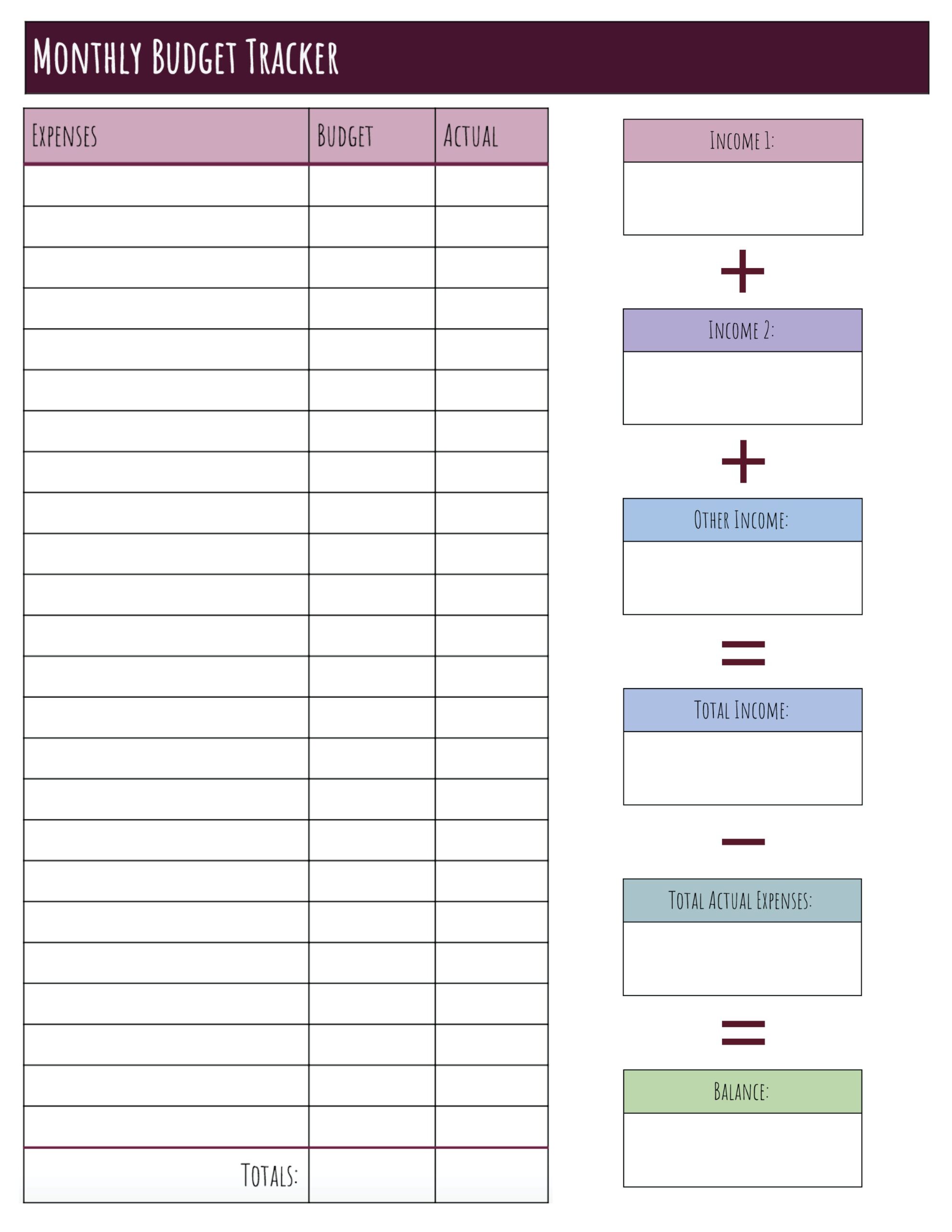
Understanding the Blank Budget Worksheet
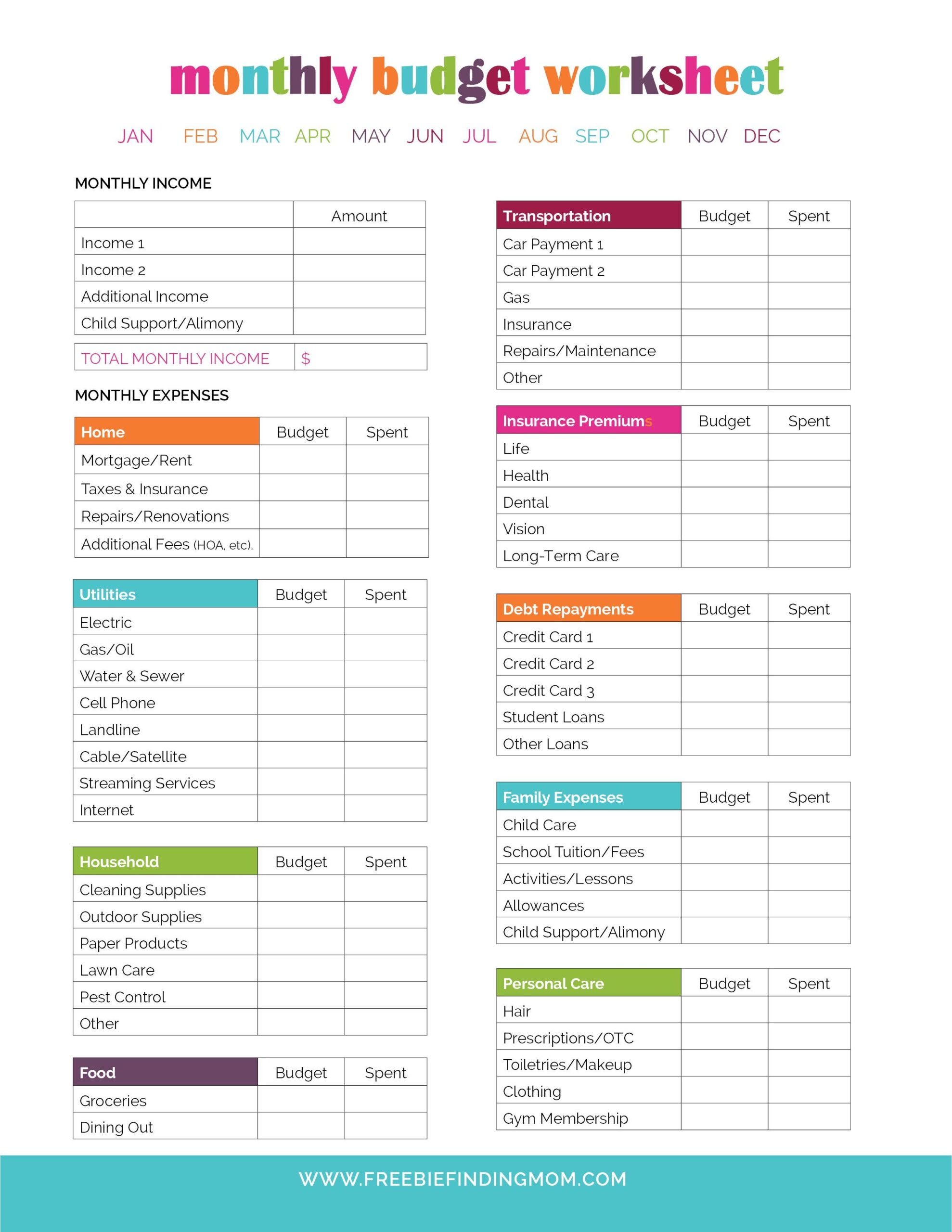
A Blank Budget Worksheet typically includes sections to fill in your income and expenses. It might be organized by categories such as fixed expenses, variable expenses, and discretionary spending. Understanding how to use this worksheet effectively can greatly enhance financial management.
- Income Section: This area allows you to list all sources of income, including salaries, freelance work, and any passive income streams. It’s crucial to be thorough here, as every dollar counts.
- Expense Section: Break down your expenses into categories:
- Fixed Expenses: Regular payments that don’t change month to month, such as rent or insurance.
- Variable Expenses: Costs that fluctuate, like groceries or utilities.
- Discretionary Spending: Non-essential expenses, such as dining out or entertainment.
Having these sections clearly defined helps in understanding where your money goes and identifying areas for potential savings.
Choosing the Right Format for Your Needs
The Blank Budget Worksheet can be found in various formats, such as PDF or Excel. Each format has its advantages, depending on personal preference and usage.
- PDF Format: Ideal for those who prefer a printable version. It can be easily filled out by hand, which may help in better retention of information as you engage with your finances actively.
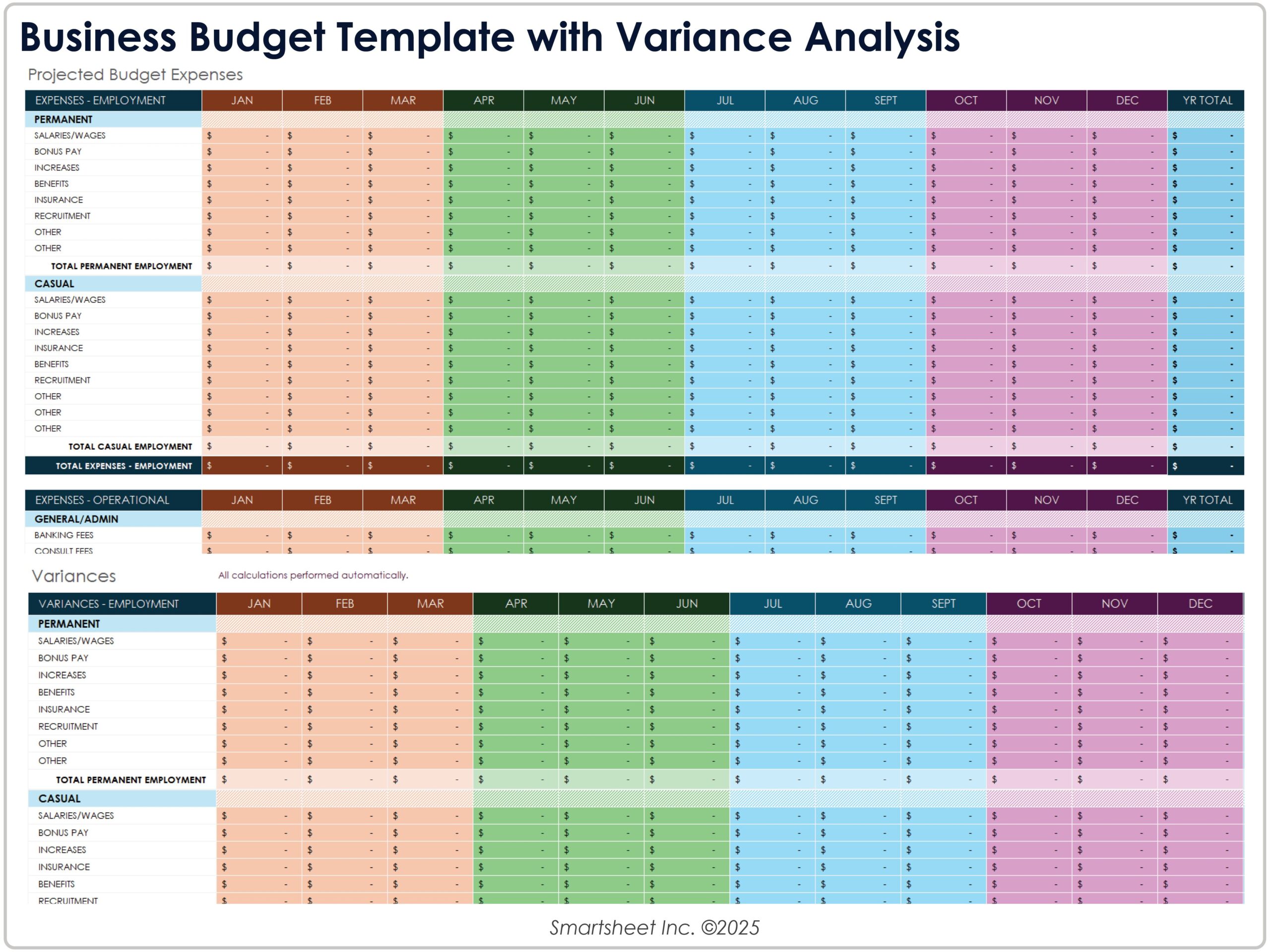
- Excel Format: If you’re comfortable with spreadsheets, an Excel version allows for automatic calculations. This format can save time and reduce errors when summing up totals.
Consider what works best for your workflow. A good practice is to print a few copies of the PDF version for weekly tracking while maintaining an Excel file for long-term records.
Setting Up Your Blank Budget Worksheet
Once you’ve chosen the right format, the next step is to set it up. Here’s a simple workflow:
- Download the Worksheet: Find a reliable source for your Blank Budget Worksheet Income And Expense. Ensure it is formatted correctly and easy to read.
- Print or Open the File: If using a PDF, print it out. For Excel, open the file on your computer.
- Input Your Income: Start by entering your expected income for the month. Be realistic and consider any irregular income that might come in.
- Detail Your Expenses: Go through your financial statements from previous months to help identify all your expenses. Fill these in the appropriate sections of the worksheet.
- Calculate Totals: If using Excel, the totals should automatically populate. In a printed worksheet, you may need to do a little math to ensure you have a clear view of your financial standing.
By setting up the worksheet this way, it becomes a living document that can be updated regularly.
Using the Worksheet Effectively
To maximize the benefits of the Blank Budget Worksheet Income And Expense, consistent use is key. Here are some practical tips:
- Review Regularly: Make it a habit to review your budget weekly. This allows you to adjust for any unexpected expenses or income changes.
- Track Spending: Keep a log of your daily expenditures. This can be done in a separate section of the worksheet or in a journal. Tracking helps in identifying spending patterns.
- Adjust as Needed: If certain expenses are consistently higher than anticipated, consider adjusting your budget. This may involve cutting back on discretionary spending or finding ways to increase income.
- Set Financial Goals: Use the worksheet not only for tracking but also for planning. Whether it’s saving for a new piece of equipment or paying off debt, having clear goals can motivate you to stick to your budget.
The repetition of these practices over time will lead to better financial habits and a clearer understanding of your overall financial health.