Managing finances effectively is crucial for small business owners, and a well-structured tool can make all the difference. A Blank Budget Worksheet Bi-Weekly is designed to help you organize your income, expenses, and savings over a two-week period. This specific time frame is particularly useful for those who are paid bi-weekly or want to align their budgeting with their pay cycles.
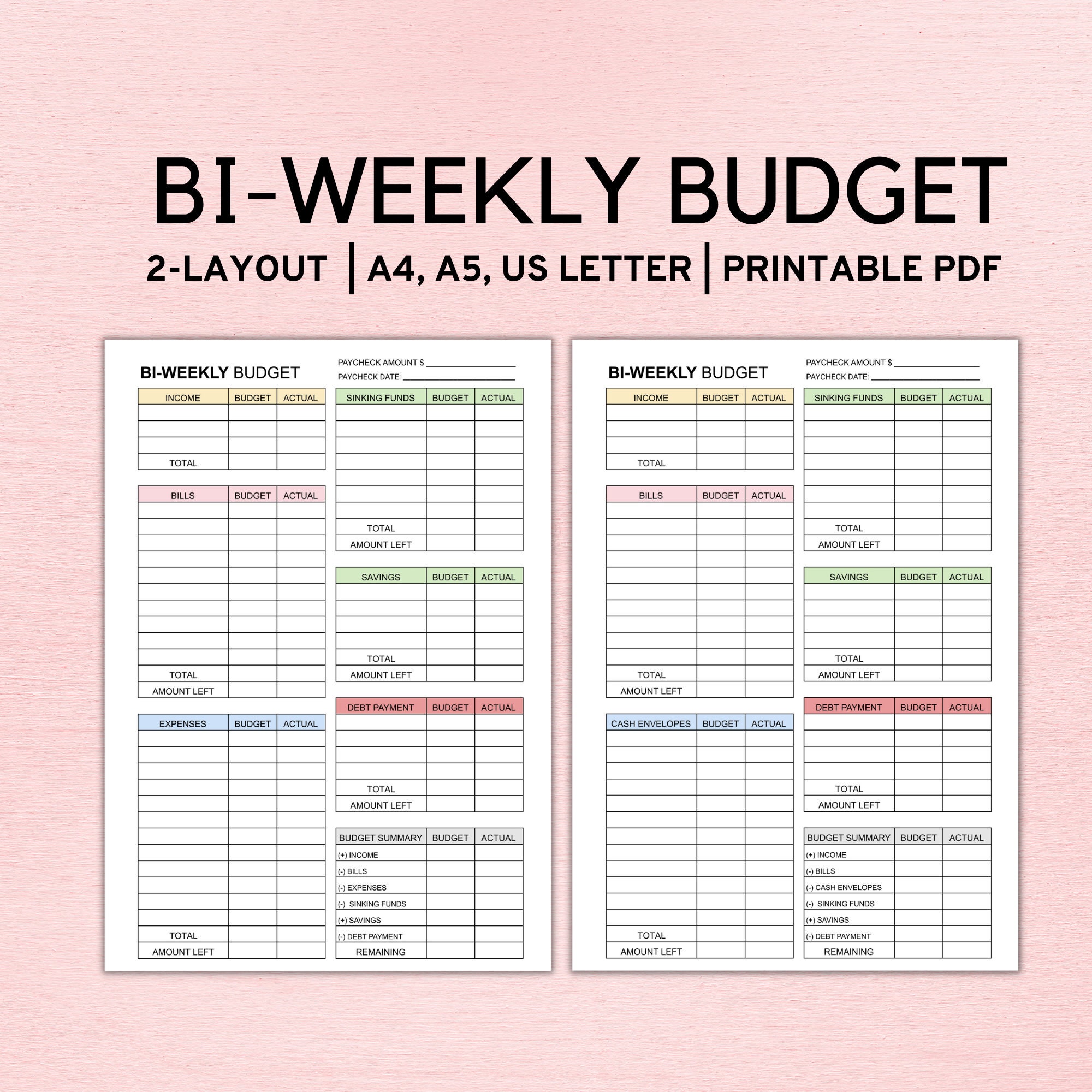
Understanding the Layout of the Blank Budget Worksheet Bi-Weekly
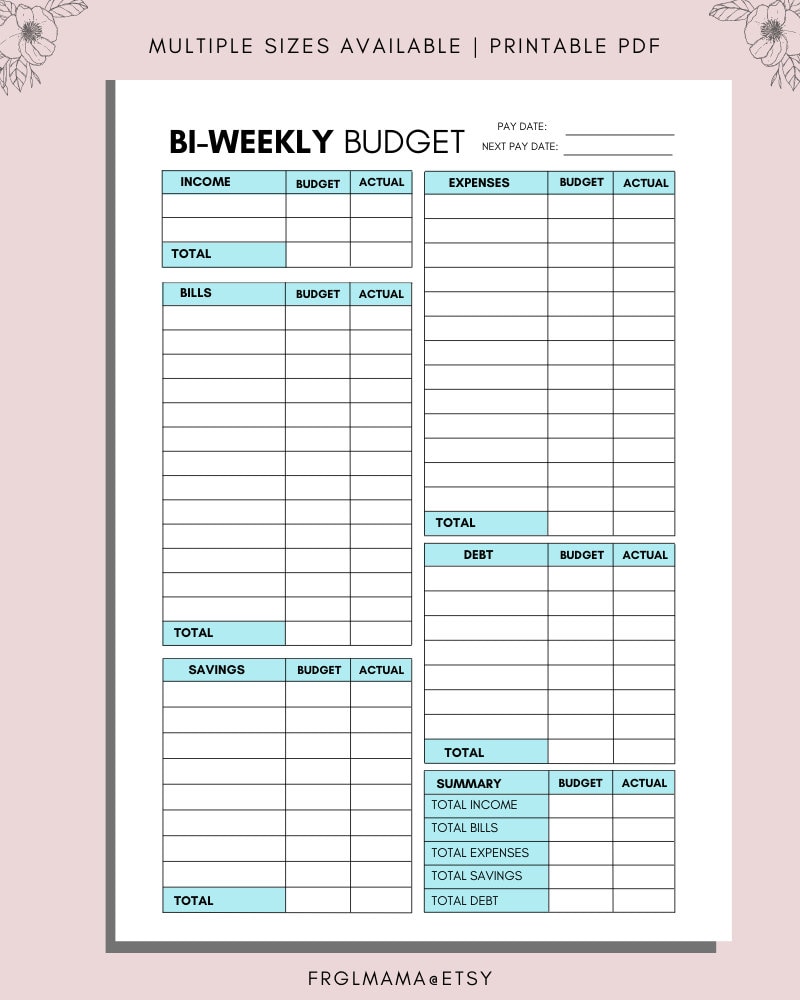
The layout of a Blank Budget Worksheet Bi-Weekly typically consists of several key sections that facilitate financial tracking. Here’s what you can generally expect:
- Income Section: This allows you to list all sources of income, including your salary, freelance work, or any other earnings. It’s essential to have a clear understanding of your total income for accurate budgeting.
- Fixed Expenses: This section is dedicated to regular, unchanging costs like rent, utilities, and loan payments. Clearly marking these expenses helps you see the baseline amount you need to cover each pay period.
- Variable Expenses: Here, you can jot down costs that fluctuate, such as groceries, gas, and entertainment. Tracking these expenses can help you identify areas where you might save.
- Savings Goals: This part is where you can specify how much you want to save each pay period. Setting specific savings goals can motivate you to allocate funds toward your future plans.
- Total Summary: A final section summarizes your total income, total expenses, and the amount left over. This gives you a quick snapshot of your financial health at the end of each two-week period.
And don’t overlook the importance of clear sections and headings; they guide you through the budgeting process without confusion.
How to Effectively Use the Blank Budget Worksheet Bi-Weekly
Utilizing the Blank Budget Worksheet Bi-Weekly effectively requires a systematic approach. Here are some practical steps to get the most out of this resource:
- Gather Financial Statements: Before filling out the worksheet, collect all relevant financial documents, including bank statements, pay stubs, and bills. This will ensure that you have accurate data to work with.
- Fill in Your Income: Start by entering your total estimated income for the bi-weekly period. Be realistic about what you can expect, including any irregular income sources.
- List Fixed and Variable Expenses: Document all your fixed expenses first, as these are usually predictable. Then, move on to variable expenses. It can be helpful to look back at previous months to gauge your typical spending patterns.
- Set Savings Goals: Determine how much you want to set aside for savings during this period. Whether it’s for an emergency fund or a specific project, having clear goals can help you stay motivated.
- Review and Adjust: After completing the worksheet, review your totals. If your expenses exceed your income, identify areas where you can cut back. This is a crucial step in ensuring that you live within your means.
- Track Progress Weekly: As you go through the two-week period, keep track of actual spending versus what you planned. This can help you adjust future budgets and become more aware of your financial habits.
The process of filling out the worksheet should not feel overwhelming. Instead, it should guide you toward better financial decisions.
Benefits of Using a Blank Budget Worksheet Bi-Weekly
Adopting a Blank Budget Worksheet Bi-Weekly provides numerous advantages for small business owners looking to take control of their finances:
- Increased Financial Awareness: By regularly tracking income and expenses, you’ll develop a better understanding of your financial habits. This awareness can lead to more informed decision-making.
- Encourages Saving: By explicitly setting savings goals, you’re more likely to prioritize saving rather than spending frivolously. This can accumulate to significant amounts over time.
- Adaptable for Various Needs: Whether you’re a freelancer, a small business owner, or managing a household budget, this worksheet can be tailored to meet your specific financial situation.
- Simplicity and Clarity: The straightforward design of the worksheet allows for easy comprehension. You don’t need to be a financial expert to use it effectively.
- Immediate Feedback: The summary section at the end allows you to quickly assess your financial standing. This immediate feedback can help you make necessary adjustments.
Choosing to implement a Blank Budget Worksheet Bi-Weekly can cultivate a more disciplined financial approach, leading to long-term financial stability.
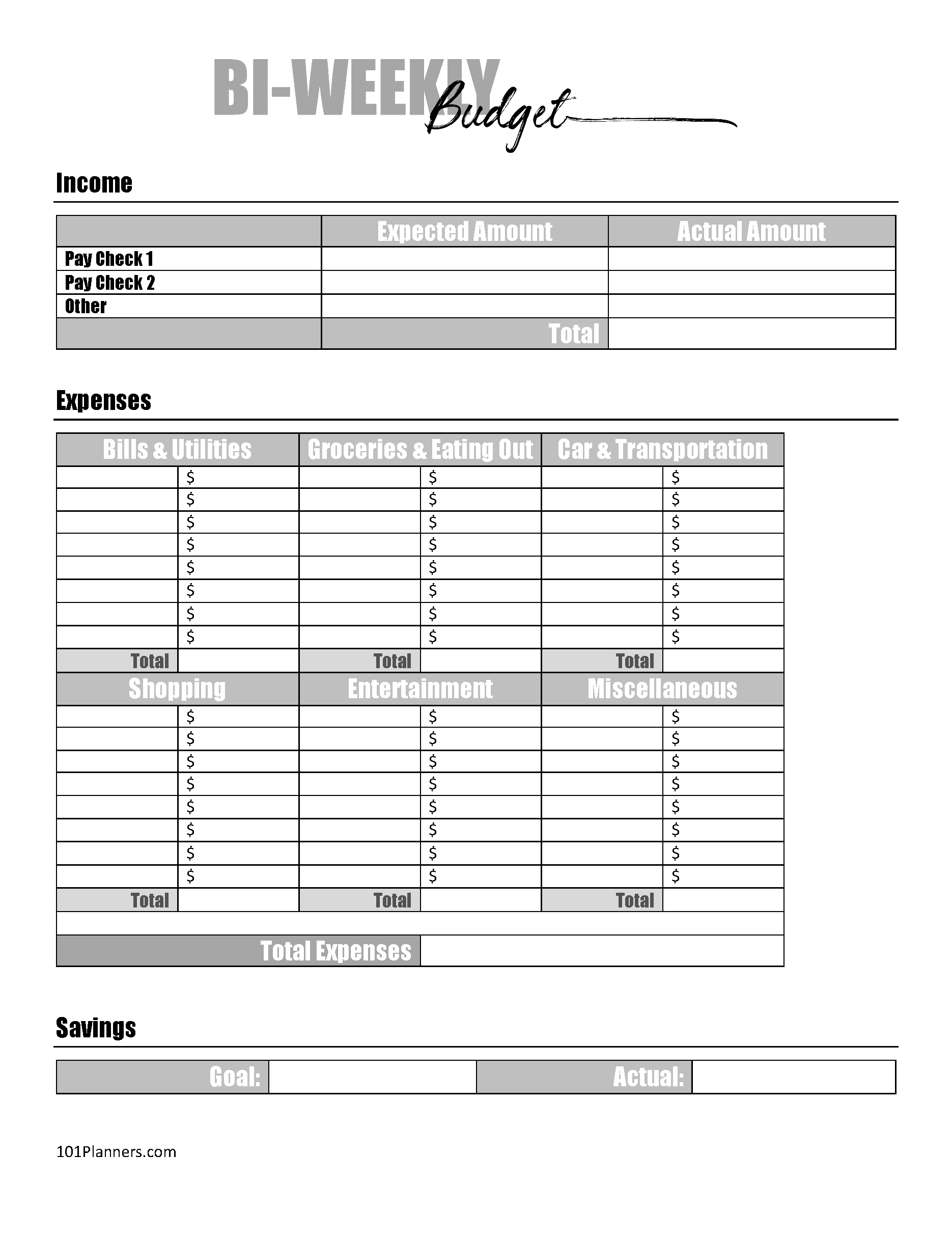
Tips for Customizing Your Blank Budget Worksheet Bi-Weekly
While the basic structure of the Blank Budget Worksheet Bi-Weekly serves most needs, personalizing it can enhance its effectiveness. Here are some practical tips:
- Add Categories: If certain expenses are more relevant to your situation, consider adding specific categories. For instance, if you frequently travel for business, include a travel expense section.
- Utilize Color Coding: Use different colors to highlight fixed versus variable expenses. This visual distinction can make it easier to identify spending areas at a glance.
- Incorporate Notes: Leave space for notes next to each category. This can be useful for tracking reasons for overspending or marking important reminders.
- Use Digital Formats: If you prefer a digital approach, consider creating a spreadsheet version. This allows for easy calculations and can be modified quickly.
- Review Regularly: Make it a habit to revisit and update your worksheet regularly. Monthly reviews can help you stay on track and make necessary adjustments as your financial situation changes.
Personalizing the worksheet not only enhances its functionality but also makes the budgeting process more engaging.
By implementing a Blank Budget Worksheet Bi-Weekly, small business owners can gain a clearer picture of their financial landscape, allowing for better planning and more informed decision-making. Whether you choose to fill it out by hand or digitally, the key is consistency and commitment to your financial goals.