Managing your finances can be a daunting task, especially when expenses seem to pile up. A structured approach can make all the difference. That’s where the Bi Weekly Budget Planner Worksheet comes into play. This tool helps you organize your income and expenses over a two-week period, providing clarity and control over your financial situation. Let’s break down how to make the most of this essential resource.
Understanding the Bi Weekly Budget Planner Worksheet
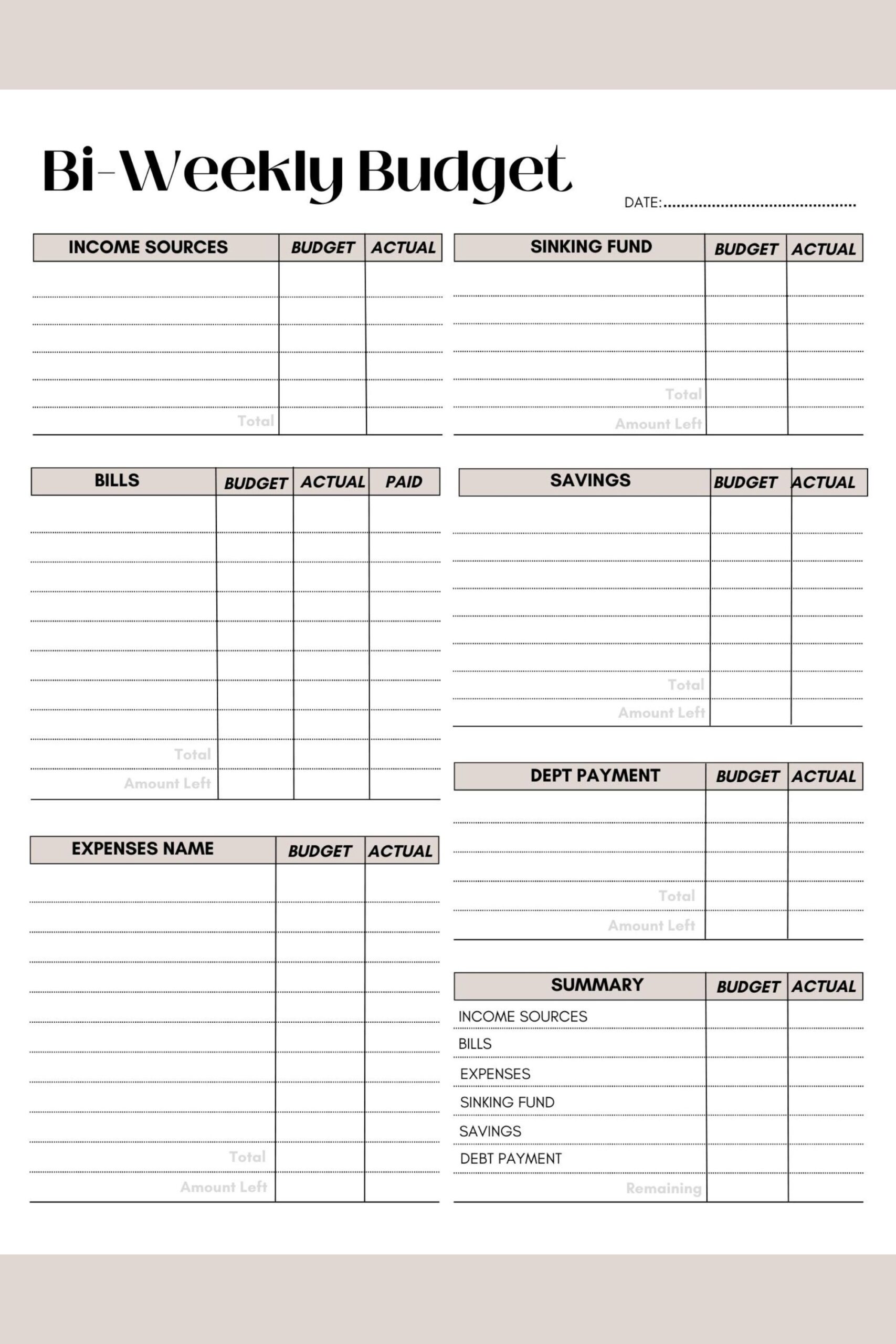
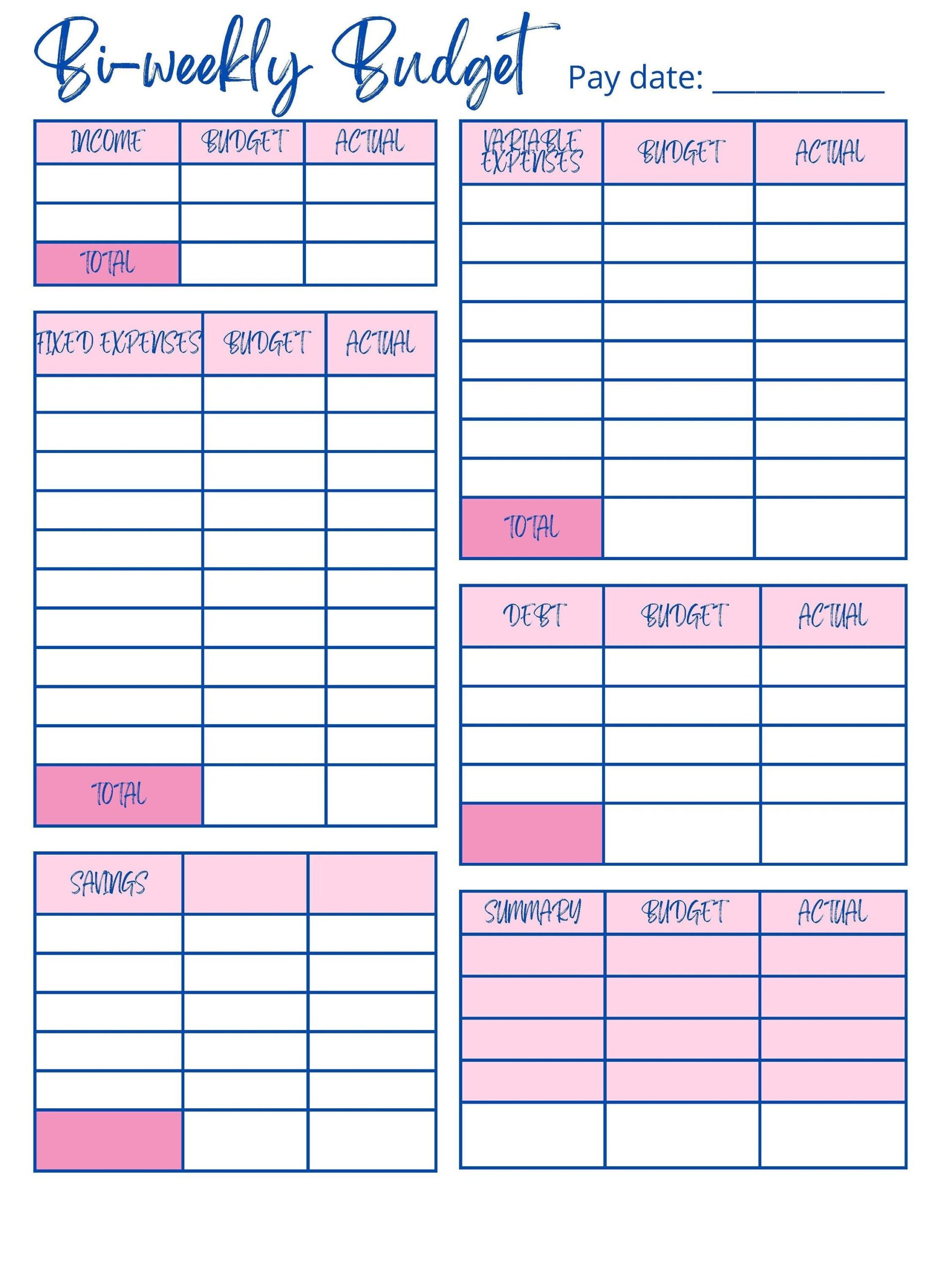
A Bi Weekly Budget Planner Worksheet is designed to help you track your income and expenses every two weeks. This format is particularly useful for those who receive paychecks bi-weekly, as it aligns your budgeting with your income schedule. The worksheet typically includes sections for:
- Income sources
- Fixed expenses (like rent and utilities)
- Variable expenses (like groceries and entertainment)
- Savings goals
By using this worksheet, you can visualize where your money is going and identify areas where you can cut back or save more effectively.
How to Set Up Your Bi Weekly Budget Planner Worksheet
Setting up your Bi Weekly Budget Planner Worksheet is straightforward. Follow these steps to get started:
- Download the Worksheet: Find a reliable printable-resource website that offers the Bi Weekly Budget Planner Worksheet. Ensure it’s in a format that works for your needs, like PDF or Excel.
- Print It Out: Use standard letter-sized paper (8.5 x 11 inches) for easy printing. If you prefer a sturdier option, consider using cardstock, which holds up better, especially if you plan to use it multiple times.
- Gather Your Financial Information: Collect your recent pay stubs, bills, bank statements, and any other financial documents. This information will provide a comprehensive view of your current financial situation.
- Fill in Your Income: Start with your total income for the two-week period. This should include all sources of income such as wages, bonuses, and any side jobs.
- List Your Fixed Expenses: Write down all your fixed expenses that you need to pay during this period. This includes rent or mortgage, utility bills, insurance, and any other recurring payments.
- Estimate Variable Expenses: Next, estimate your variable expenses, which can fluctuate from week to week. This could include groceries, gas, dining out, and entertainment. Review past spending patterns to make educated estimates.
- Set Savings Goals: Don’t forget to allocate a portion of your income towards savings. This could be for an emergency fund, a vacation, or retirement. Setting specific goals helps you stay motivated.
- Calculate Your Remaining Balance: After listing all income and expenses, subtract your total expenses from your total income. This will show you how much money you have left over, which can be directed towards savings or additional expenses.
Tips for Using Your Bi Weekly Budget Planner Worksheet Effectively
To get the most out of your Bi Weekly Budget Planner Worksheet, consider these practical tips:
- Review Regularly: Make it a habit to review your budget every two weeks. This allows you to adjust for any unexpected expenses or changes in income.
- Be Honest: When filling out your expenses, be as accurate as possible. Overestimating your income or underestimating your expenses can lead to budgeting failures.
- Track Spending: Use the worksheet to track your spending over the two weeks. Write down every expense as it occurs to gain a clearer picture of your financial habits.
- Adjust as Needed: If you notice that you’re consistently overspending in certain categories, adjust your budget for the next two-week period. This flexibility is key to successful budgeting.
Benefits of Using a Bi Weekly Budget Planner Worksheet
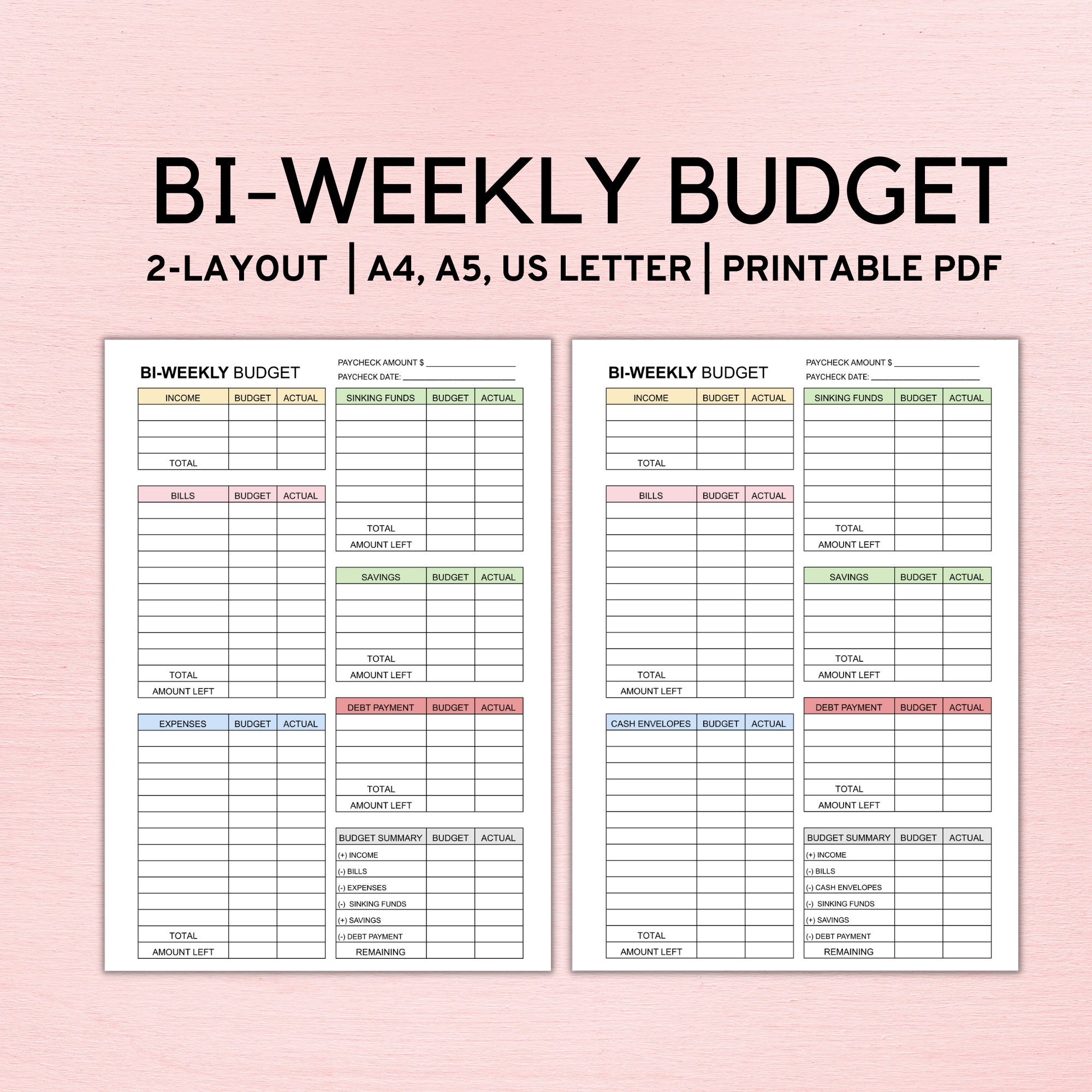
Using a Bi Weekly Budget Planner Worksheet offers several advantages:
- Improved Financial Awareness: Regularly tracking your income and expenses increases your awareness of your financial situation, making it easier to identify spending habits.
- Encourages Savings: By setting aside funds for savings each period, you build a habit that can lead to greater financial stability.
- Helps Prioritize Spending: The worksheet forces you to consider what expenses are necessary and which can be reduced or eliminated.
- Prepares for Irregular Expenses: By planning bi-weekly, you can allocate funds for irregular expenses that may arise, such as car maintenance or medical bills.