Managing your finances effectively often begins with the right tools. The Better Money Habits Budget Worksheet is a practical resource designed to help you track your income and expenses efficiently. This worksheet allows you to visualize your spending habits, set financial goals, and ultimately improve your money management skills. By following a simple workflow, you can download, print, set up, and start using this worksheet to foster better financial habits.
Understanding the Better Money Habits Budget Worksheet
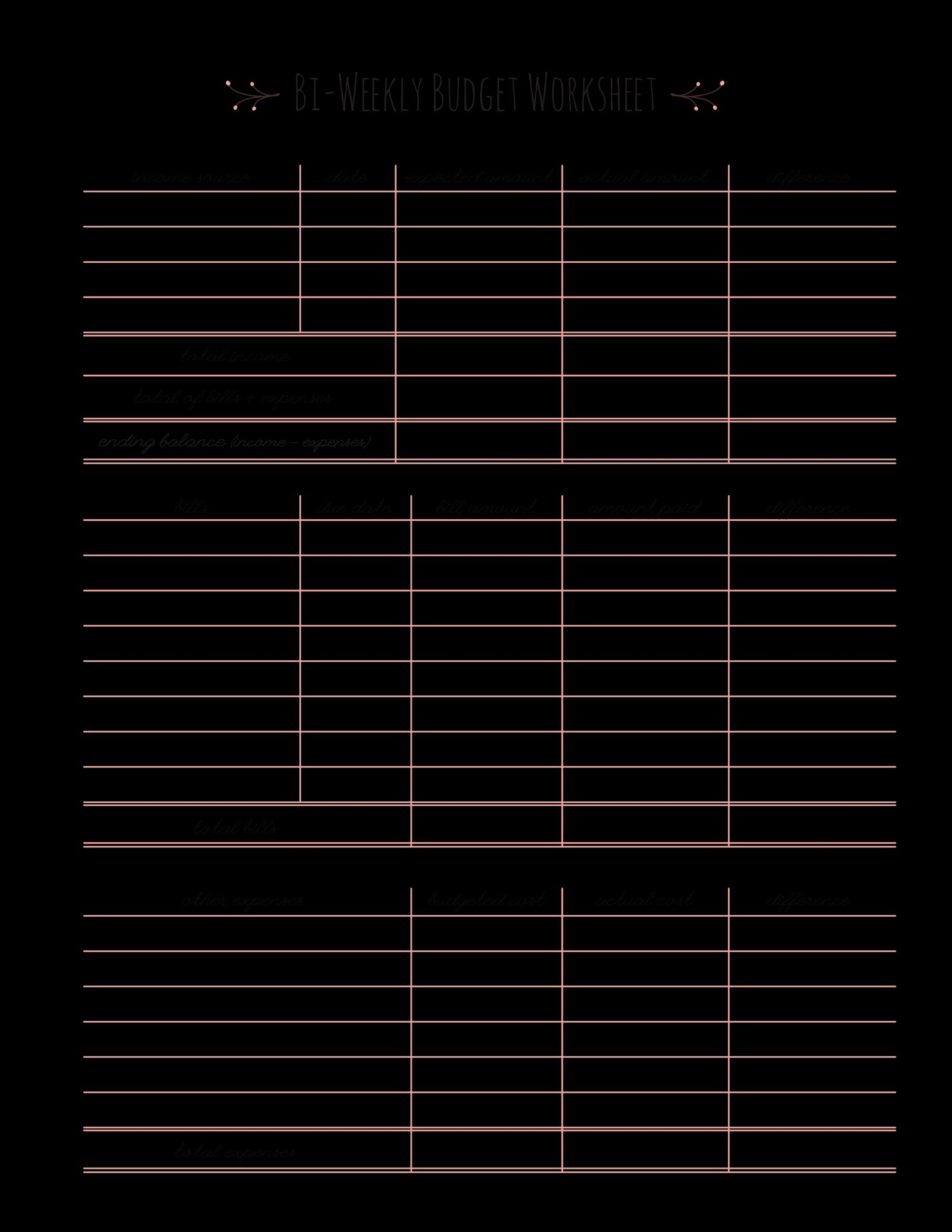
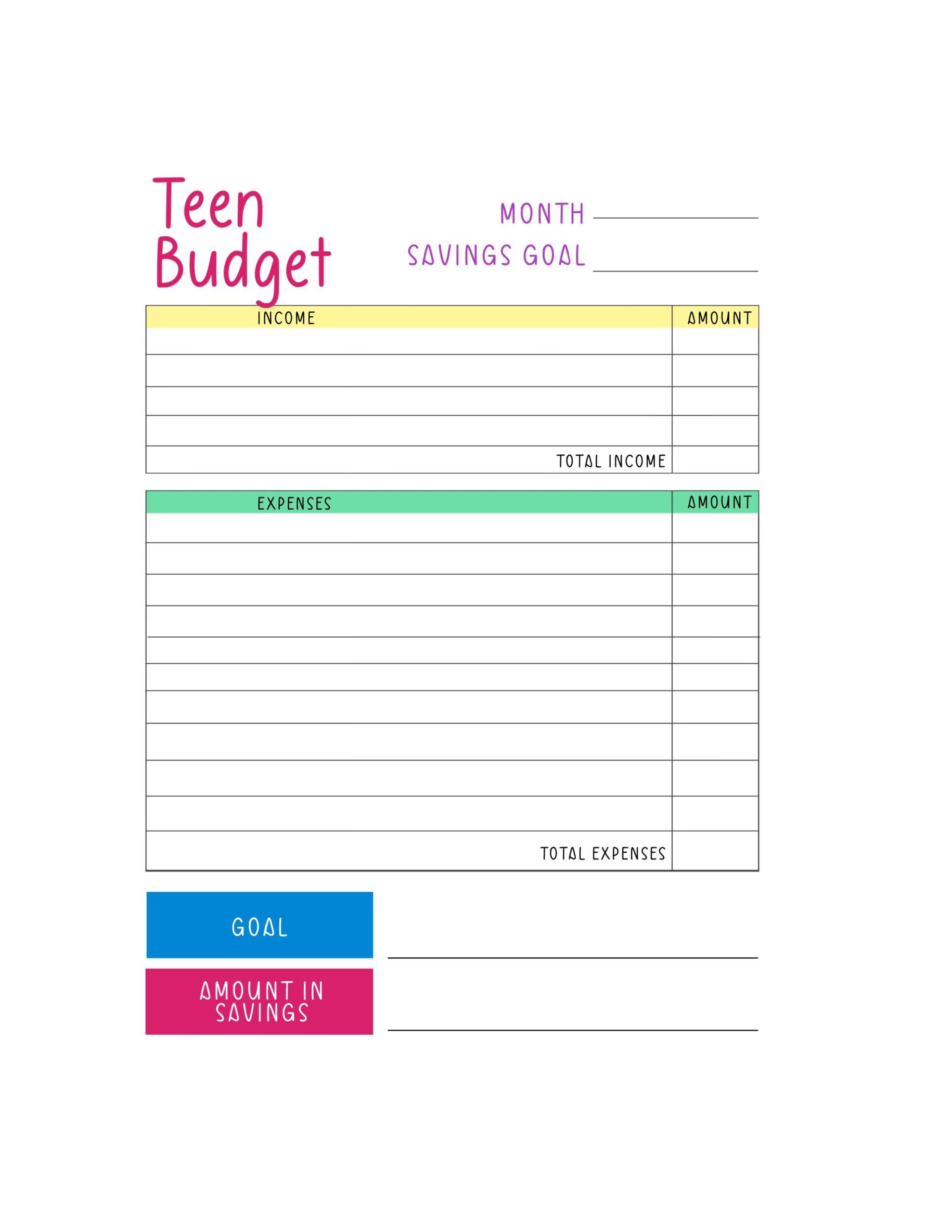
The Better Money Habits Budget Worksheet is formatted as a user-friendly document that can be printed and filled out. Typically designed for personal use, this worksheet can also be beneficial in classroom settings or for homeschooling parents teaching their children about financial literacy. The worksheet is structured to guide you through the budgeting process, making it easy to understand your financial situation at a glance.
The worksheet generally includes sections for listing your income sources, fixed and variable expenses, savings goals, and discretionary spending. By organizing these sections logically, it provides a clear framework for managing your money effectively.
How to Download and Print the Worksheet
To get started, you’ll first need to download the Better Money Habits Budget Worksheet. Here’s how:
- Locate the Download Link: Visit the website offering the worksheet. It should be easily accessible, often labeled as “Download” or “Printable Worksheet.”
- Choose Your Format: Most resources will offer the worksheet in PDF format. This format is ideal as it maintains the layout and design when printed.
- Download the File: Click the download link, and the file will save to your device. Ensure you know where it’s saved for easy access later.
- Print the Worksheet: Open the PDF file and select the print option. For best results, choose standard letter size (8.5 x 11 inches) and set your printer to portrait orientation. If you prefer, you can use cardstock for added durability, especially if you plan to use the worksheet multiple times.
Setting Up Your Budget Worksheet
Once you have printed your Better Money Habits Budget Worksheet, it’s time to set it up for personal use. Here’s a step-by-step approach to filling it out effectively:
- Gather Your Financial Information: Before you start filling in the worksheet, collect all necessary financial documents such as pay stubs, bank statements, and bills. This will provide you with accurate figures for your income and expenses.
- Fill in Your Income: Start with the income section. List all sources of income, including salary, freelance work, or any additional side hustles. Be sure to include net income (after taxes) for a more accurate view of your financial situation.
- Identify Fixed and Variable Expenses: Next, move on to your expenses. Fixed expenses are those that do not change month to month, such as rent or mortgage payments, while variable expenses include groceries, entertainment, and other discretionary spending. It’s crucial to be realistic in your estimates to avoid underestimating your financial commitments.
- Set Savings Goals: Don’t forget to allocate a portion of your income to savings. If you are saving for a vacation, an emergency fund, or retirement, make sure to set clear and achievable savings goals on your worksheet.
- Review and Adjust: After filling out the worksheet, take a moment to review your budget. Are your expenses higher than your income? If so, you may need to make adjustments to your spending habits. This could involve cutting back on non-essential items or finding ways to increase your income.
Utilizing the Budget Worksheet for Ongoing Management
The true value of the Better Money Habits Budget Worksheet lies in its ongoing use. Here’s how to make the most of it over time:
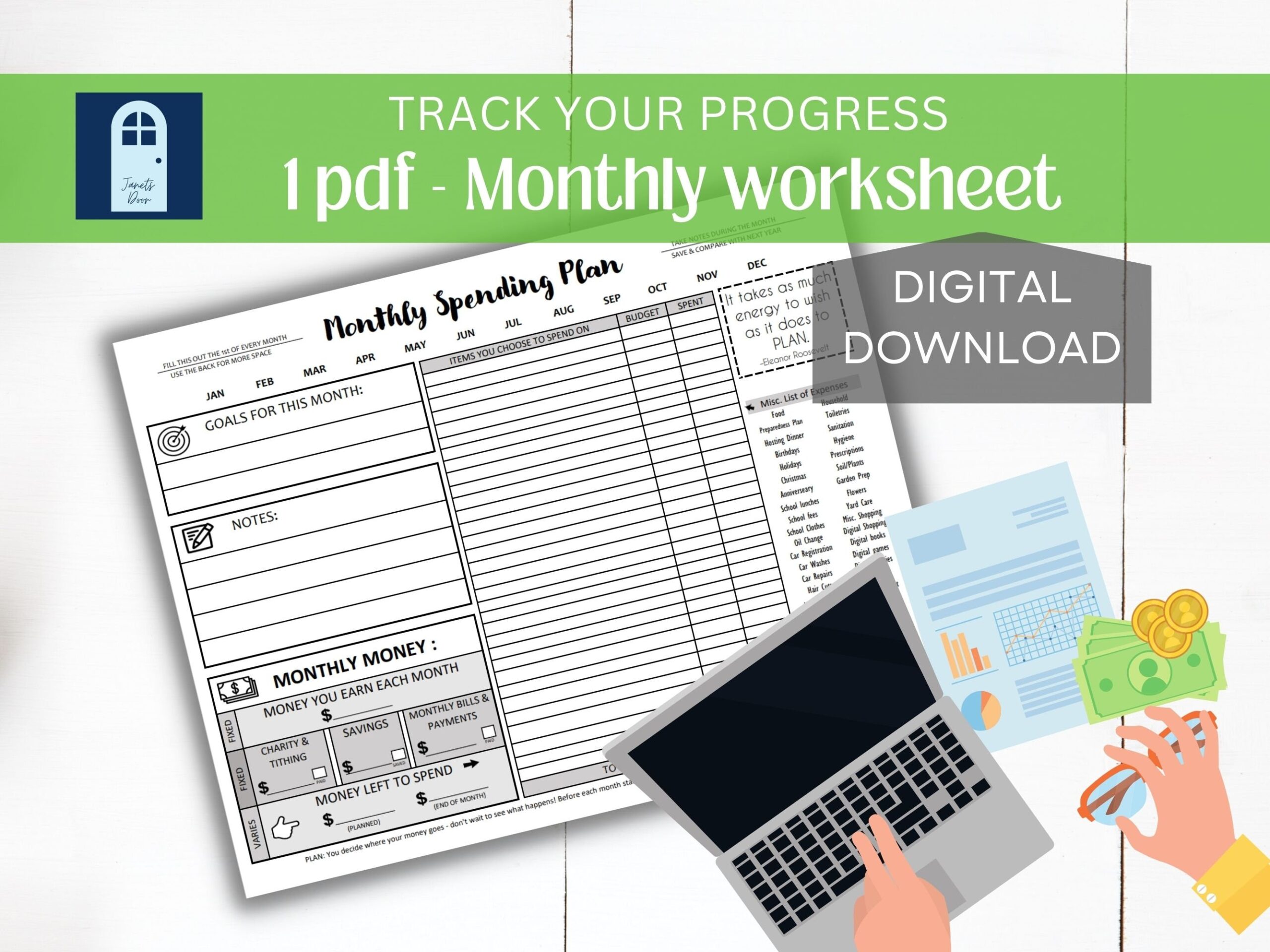
- Monthly Tracking: Consider using the worksheet monthly. At the beginning of each month, update your income and expenses to reflect any changes. This will help you stay on track and adjust your budget as necessary.
- Analyze Trends: After a few months of tracking, look for patterns in your spending. Are there categories where you consistently overspend? Identifying these trends can help you make informed decisions about your budget moving forward.
- Celebrate Milestones: As you reach your savings goals or successfully stick to your budget for a month, take the time to celebrate these achievements. Recognizing your progress can motivate you to continue working toward your financial goals.
- Involve Family Members: If you’re managing a household budget, involve your family in the budgeting process. Use the worksheet as a tool to discuss financial goals and responsibilities, fostering a collaborative approach to money management.
- Adjust as Life Changes: Life is dynamic, and your budget should be flexible. If you experience a change in income, such as a new job or a pay raise, be sure to adjust your worksheet accordingly. Regular updates will keep your budget relevant and effective.
Additional Tips for Success
To further enhance your experience with the Better Money Habits Budget Worksheet, consider these additional tips:
- Use Color-Coding: If you’re a visual learner, color-coding different categories can help you quickly identify areas of concern or success in your budget.
- Create a Digital Version: For those who prefer digital tools, consider creating a spreadsheet version of the worksheet. This allows for easy adjustments and calculations while maintaining the same structure.
- Set Reminders: To ensure you stay on top of your budgeting, set reminders on your phone or calendar to review your worksheet regularly.
By taking these additional steps, you can maximize the benefits of your budgeting efforts and foster better money habits over time. Whether you’re a beginner or someone looking to refine your budgeting skills, the Better Money Habits Budget Worksheet serves as a fundamental tool in your financial toolkit. Remember, the key to successful budgeting is consistency and commitment.