Creating a budget is crucial for students to manage their finances effectively. The Basic Student Budget Worksheet Answers is designed to help students understand their income and expenses, enabling them to make informed financial decisions. This worksheet serves as a practical tool for both classroom and home use, fostering financial literacy among students.
Understanding the Basic Student Budget Worksheet
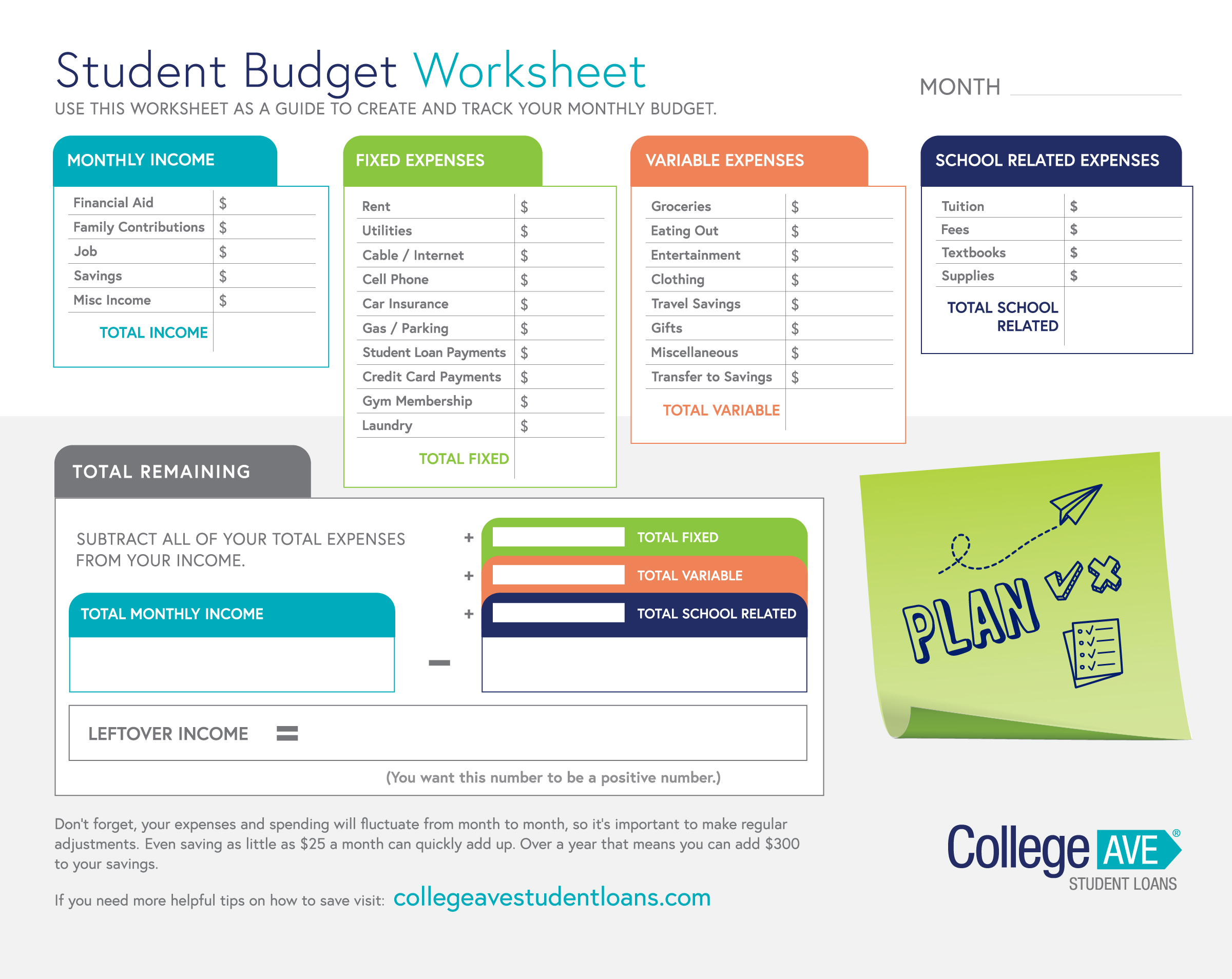
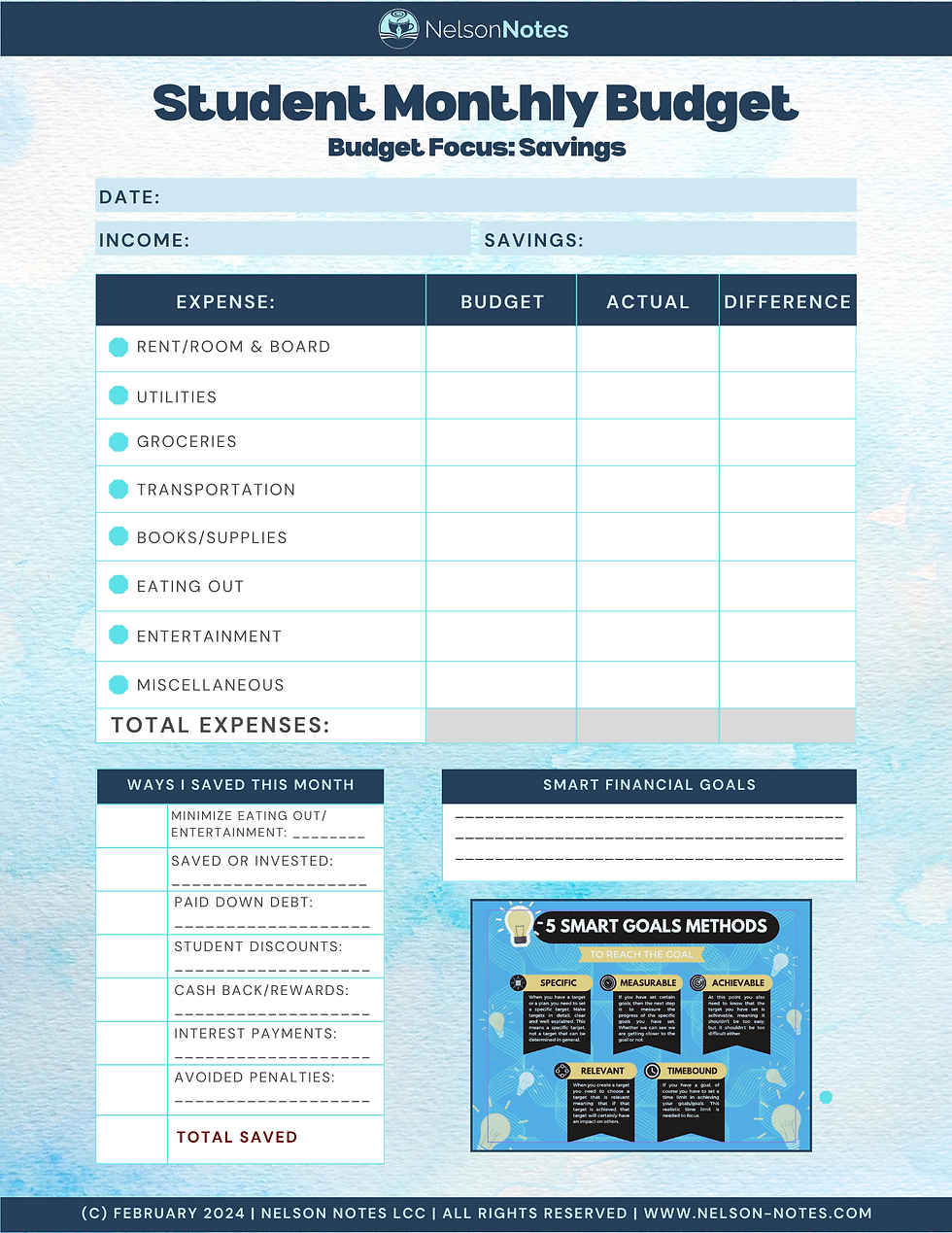
The Basic Student Budget Worksheet is a straightforward tool that helps students track their income and expenditures. It typically includes sections for listing sources of income, such as part-time jobs or allowances, and categories for expenses like tuition, rent, groceries, and entertainment. By filling out this worksheet, students can visualize their financial situation and identify areas where they can cut costs or save more.
This resource is suitable for high school and college students, as it introduces fundamental budgeting concepts that are essential for financial independence. Utilizing this worksheet can help students develop skills in money management, which will benefit them throughout their lives.
How to Use the Worksheet Effectively
To get the most out of the Basic Student Budget Worksheet, follow these steps:
- Gather Financial Information: Collect all relevant financial data, including pay stubs, bills, and any other documentation that outlines income and expenses. This ensures accuracy when filling out the worksheet.
- List Income Sources: In the designated section, write down all sources of income. This may include part-time job earnings, financial aid, or any other income streams. Be sure to include the amount expected each month.
- Categorize Expenses: Identify and categorize all monthly expenses. Common categories include:
- Fixed Expenses: Tuition, rent, and loan payments.
- Variable Expenses: Groceries, transportation, and entertainment.
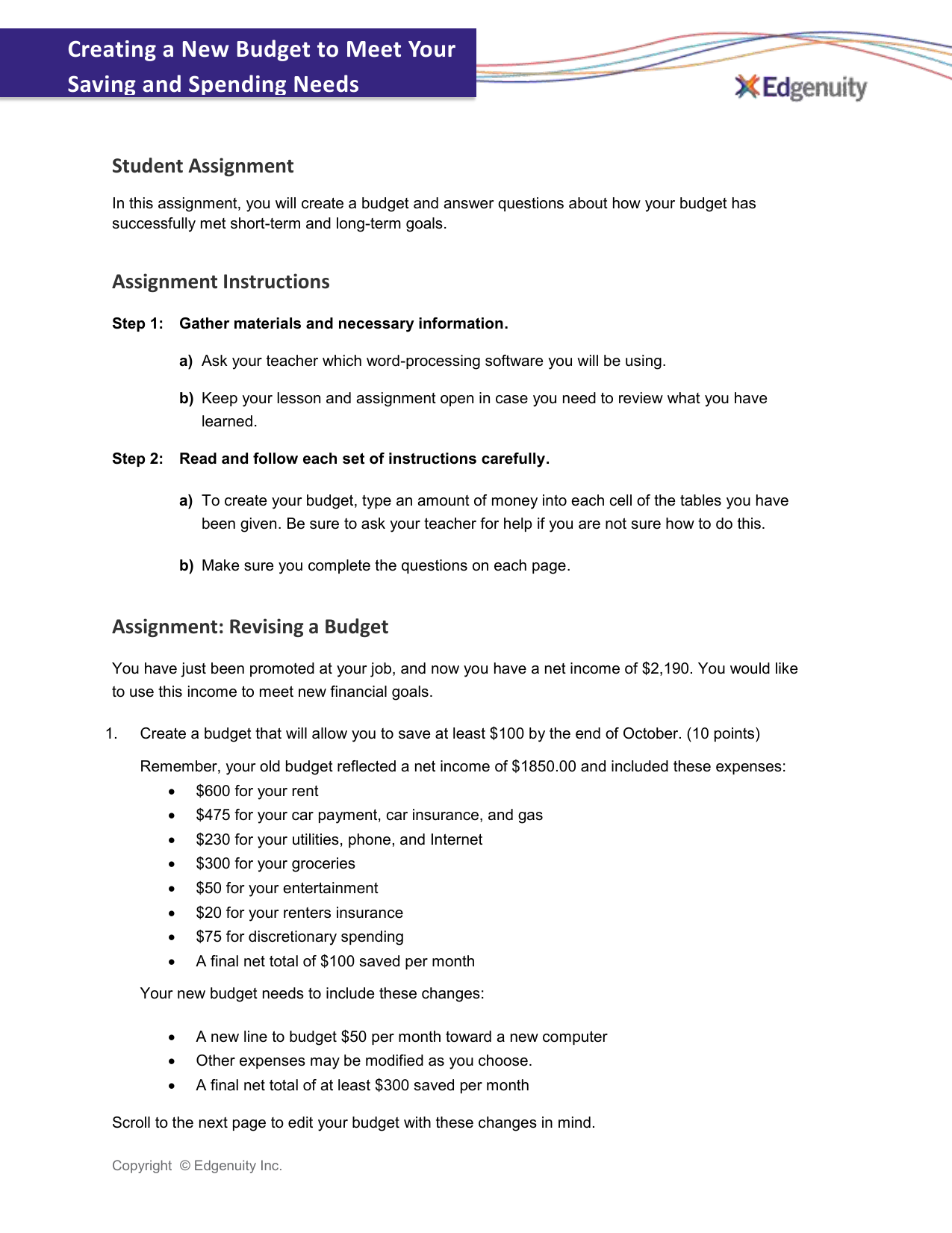
- Calculate Net Income: Subtract total expenses from total income. This calculation will help determine whether the student is living within their means or if adjustments are necessary.
- Review and Adjust: Regularly review the worksheet to track spending habits and make necessary adjustments. This could involve reducing discretionary spending or finding ways to increase income.
By following these steps, students can gain a clearer understanding of their financial situation and make informed decisions about their spending and saving habits.
Assessing Mastery of Budgeting Skills
To determine if students have grasped the budgeting concepts presented in the Basic Student Budget Worksheet, consider the following indicators:
- Accuracy in Filling Out the Worksheet: Students should be able to accurately list their income and expenses without missing any significant items. This shows they understand what constitutes their financial landscape.
- Ability to Analyze Their Financial Data: After completing the worksheet, students should be able to explain their financial situation clearly. They should recognize whether they have a surplus or deficit and understand the implications of each.
- Identifying Areas for Improvement: A key skill in budgeting is the ability to identify areas where spending can be reduced. Students should be able to pinpoint categories where they can cut back and suggest realistic alternatives.
- Setting Financial Goals: Encourage students to set short-term and long-term financial goals based on their budget. This could include saving for a specific item, paying off a debt, or setting aside money for future education expenses.
By monitoring these indicators, educators and parents can assess whether students are mastering the skills necessary for effective budgeting.
Additional Resources for Financial Literacy
To further enhance financial literacy, consider supplementing the Basic Student Budget Worksheet with additional resources. Here are a few suggestions:
- Online Budgeting Tools: Websites and apps like Mint or YNAB (You Need A Budget) provide interactive budgeting experiences. These platforms can complement the worksheet by offering real-time tracking and goal-setting features.
- Workshops and Classes: Look for local workshops or online courses focused on personal finance. Many community organizations and schools offer programs designed to teach financial literacy skills.
- Books and Guides: There are numerous books aimed at young adults that cover budgeting, saving, and investing. These can provide deeper insights into managing money effectively.
Incorporating these resources can help reinforce the concepts learned through the Basic Student Budget Worksheet and foster a lifelong understanding of financial management.
Practical Tips for Implementing the Worksheet
When implementing the Basic Student Budget Worksheet in a classroom or home setting, consider the following practical tips:
- Use Clear Language: Ensure that all terms used in the worksheet are understandable for students. Avoid jargon and explain any financial concepts that may be unfamiliar.
- Encourage Group Discussions: In a classroom setting, facilitate discussions about budgeting experiences. Encourage students to share their thoughts on managing money and what challenges they face.
- Provide Examples: Offer real-life scenarios that students can relate to. This could involve discussing typical college expenses or unexpected costs that may arise.
- Regular Check-Ins: Schedule regular intervals to revisit the budget. This could be monthly or quarterly, allowing students to see how their financial situation evolves over time.
- Make It Engaging: Consider gamifying the budgeting experience. Create challenges or competitions around saving money or sticking to a budget to keep students motivated.
By implementing these practical strategies, the Basic Student Budget Worksheet can become an effective tool for teaching financial responsibility.
Encourage students to take immediate action by downloading the Basic Student Budget Worksheet today. Having a structured approach to budgeting can empower them to manage their finances confidently.