Creating and managing a budget is essential for students who want to gain control over their finances. The Basic Student Budget Worksheet Dave Ramsey is a practical tool designed to help you track your income and expenses, making it easier to make informed financial decisions. This worksheet is not just a piece of paper; it’s a step towards developing healthy financial habits that will last a lifetime.
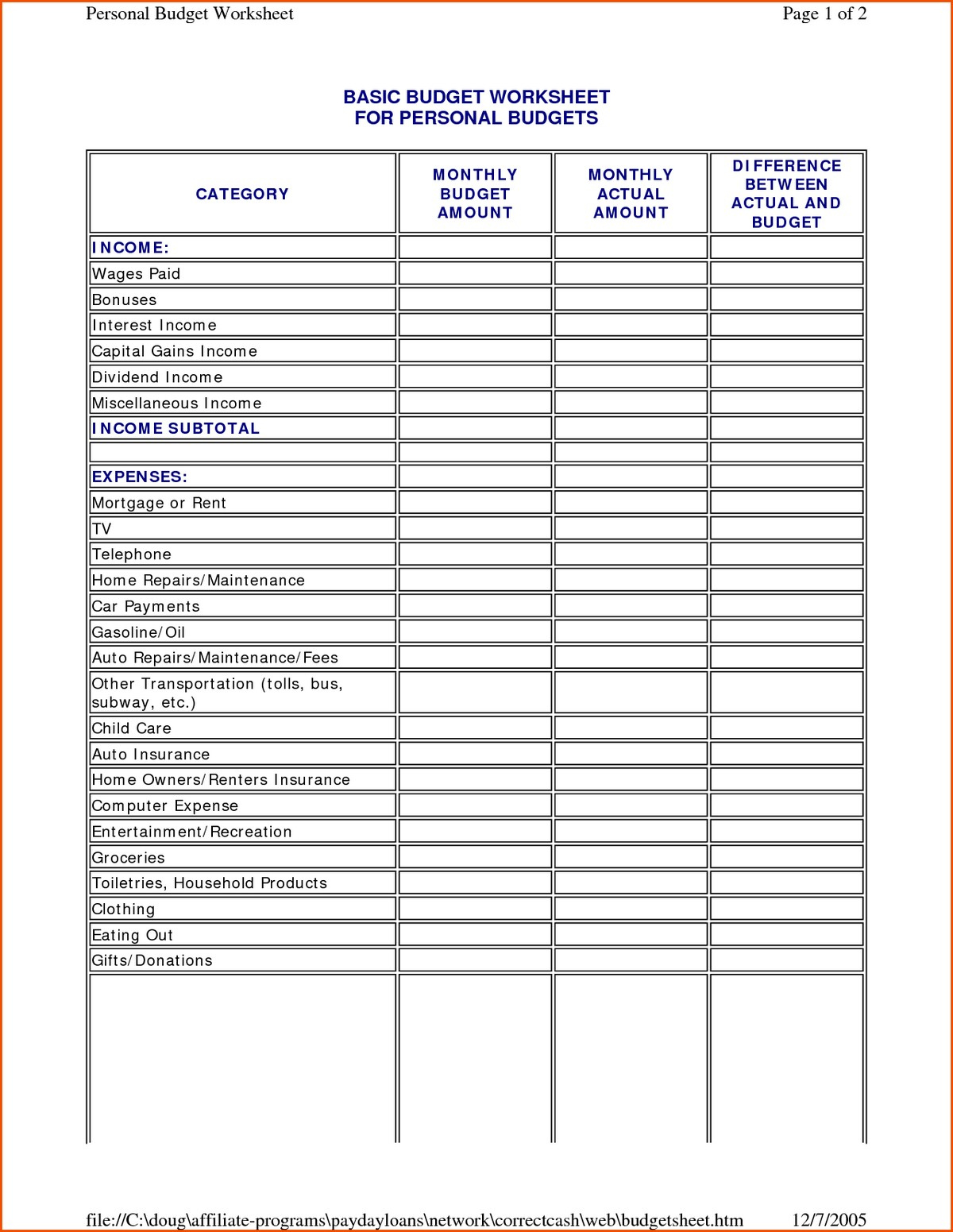
Understanding the Basic Student Budget Worksheet
The Basic Student Budget Worksheet Dave Ramsey is specifically designed for students. It provides a structured format to help you list your income sources, such as part-time jobs, allowances, or scholarships, and then categorize your expenses—everything from tuition and books to entertainment and food.
Using this worksheet can help you visualize where your money is going and identify areas where you might be overspending. The goal is to ensure that your expenses do not exceed your income, helping you avoid debt and allowing you to save for future needs.
Step-by-Step Guide to Using the Worksheet
Step 1: Download and Print the Worksheet
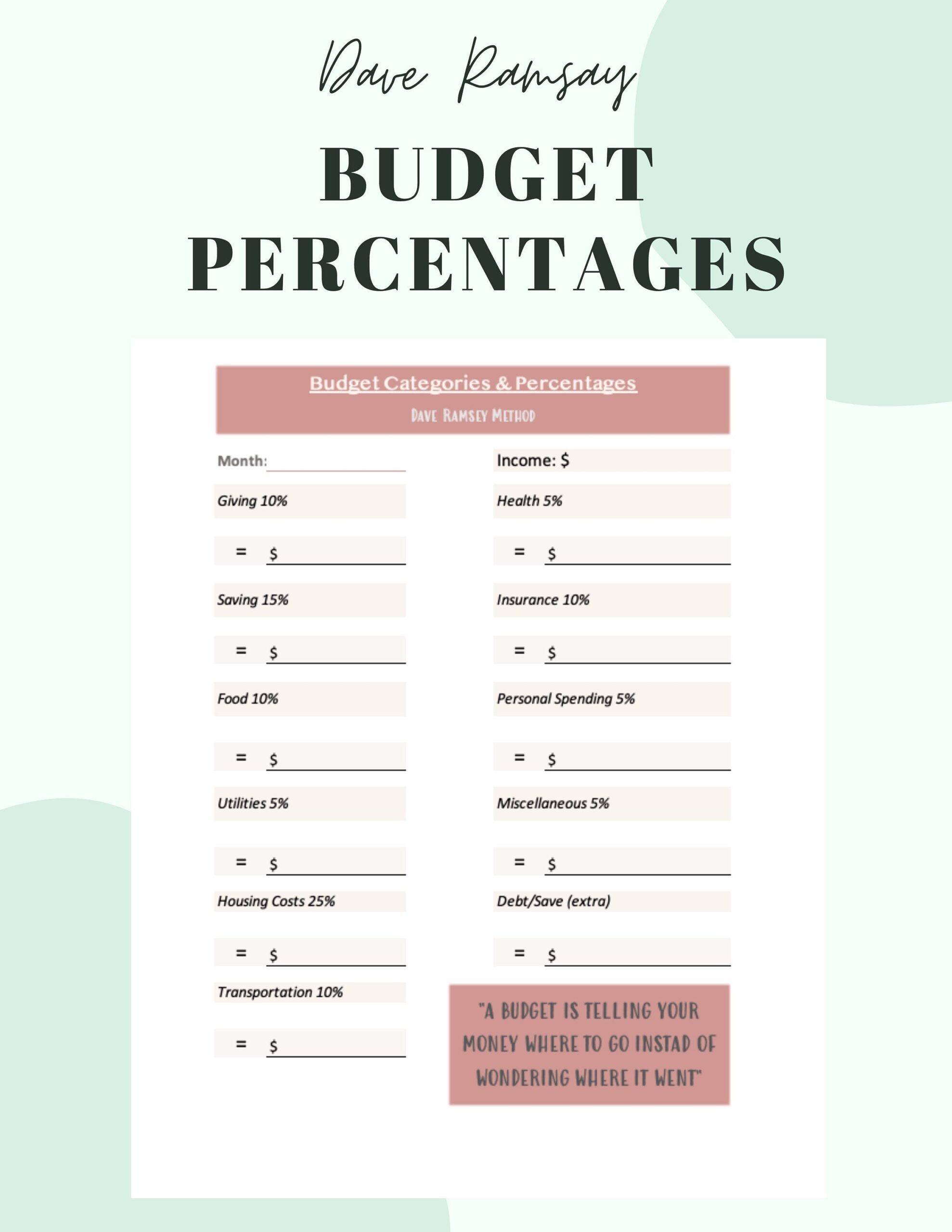
Start by downloading the Basic Student Budget Worksheet from a reliable resource. Ensure that you have the PDF version, as it maintains formatting better than image files, avoiding potential reformatting issues when printed. Use standard letter-sized paper (8.5 x 11 inches) for the best results, especially if you plan to keep the worksheet in a binder.
Step 2: Gather Your Financial Information
Before filling out the worksheet, gather all your financial information. This includes:
- Income Sources: List all sources of income, such as part-time jobs, internships, or allowances from parents.
- Fixed Expenses: Include tuition fees, rent, subscriptions, and any other regular payments.
- Variable Expenses: Estimate costs for groceries, transportation, entertainment, and personal expenses.
Having an accurate picture of your financial situation is crucial, as it will inform your budgeting decisions.
Step 3: Fill Out the Worksheet
Now, it’s time to fill in the worksheet. Start with your income section:
- Total Income: Write down the total amount you expect to earn in a month.
- List Each Source: Break down your income by listing each source separately.
Next, move to the expenses section:
- Categorize Expenses: Divide your expenses into fixed and variable categories.
- Estimate Costs: For variable expenses, estimate how much you typically spend each month.
- Total Expenses: Sum up all your expenses to get a total.
This process allows you to see how much money is left after expenses, which can be allocated to savings or discretionary spending.
Step 4: Analyze Your Budget
Once you have filled out the worksheet, take a moment to analyze your budget. Compare your total income against your total expenses. If you find that your expenses exceed your income, it’s time to make adjustments.
Consider the following strategies for balancing your budget:
- Cut Unnecessary Expenses: Identify areas where you can reduce spending, such as dining out or subscription services.
- Increase Income: Look for additional income opportunities, like freelancing or part-time work.
- Set Savings Goals: Allocate a portion of your income to savings for emergencies or future expenses.
Step 5: Review and Adjust Regularly
Budgeting is not a one-time task. It requires regular review and adjustments. Set aside time each month to revisit your Basic Student Budget Worksheet. Update your income and expenses as necessary, especially if you get a new job, receive financial aid, or experience changes in living costs.
Reviewing your budget regularly helps you stay on track with your financial goals and allows for flexibility as your financial situation changes.
Benefits of Using the Worksheet
Using the Basic Student Budget Worksheet Dave Ramsey offers numerous benefits:
- Clarity: It provides a clear picture of your financial situation, making it easier to make informed decisions.
- Accountability: Regularly tracking your income and expenses can prevent overspending and encourage responsible financial behavior.
- Goal-Oriented: It helps you set and achieve financial goals, whether saving for a trip, paying off debt, or building an emergency fund.
Additionally, students who use budgeting tools often report feeling less stressed about their finances, which can lead to improved academic performance.
Tips for Effective Budgeting
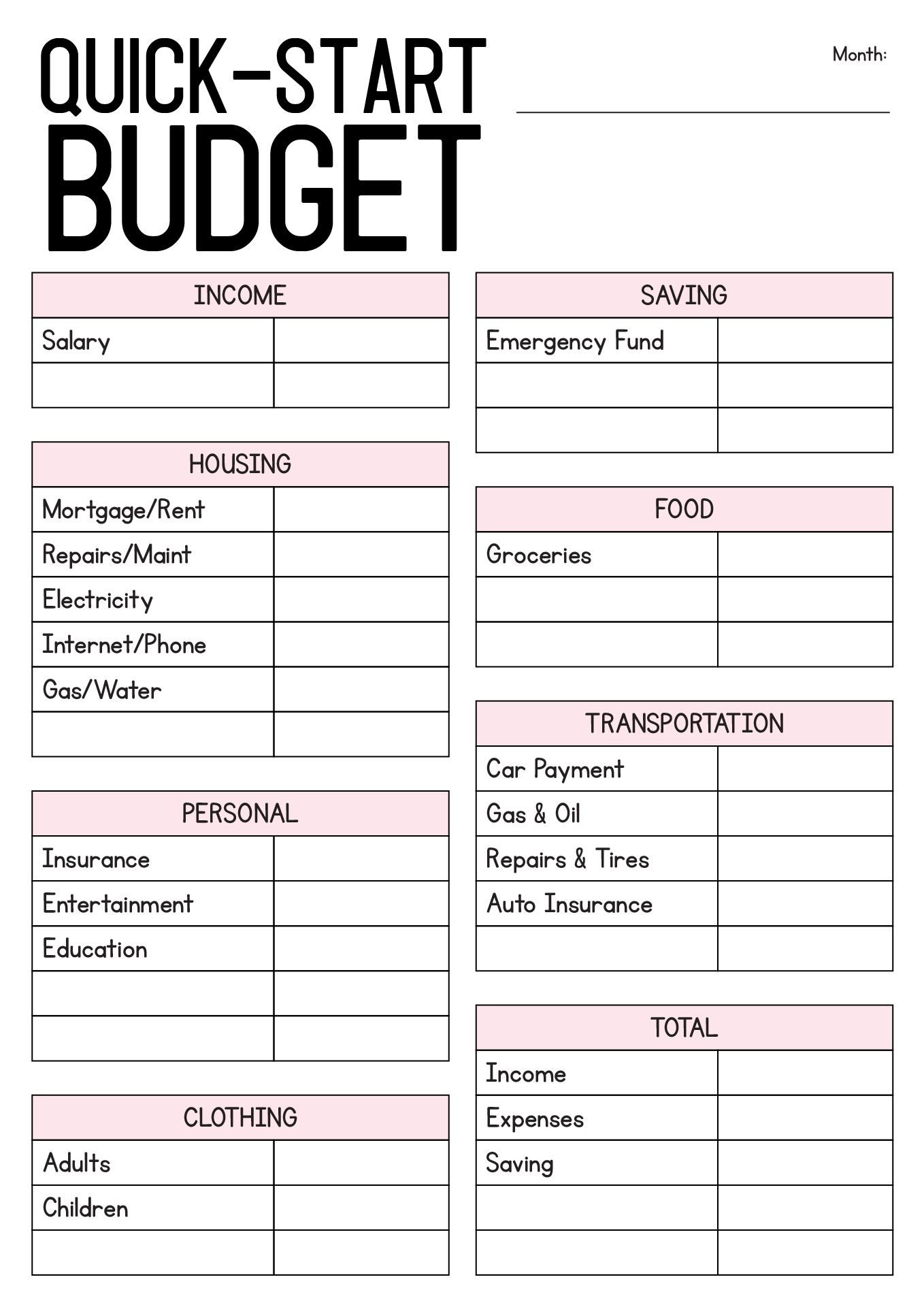
To make the most out of your budget worksheet, consider these additional tips:
- Use Apps: Consider supplementing your worksheet with budgeting apps that can track expenses on the go.
- Stay Realistic: Be honest about your spending habits and set realistic goals that you can achieve.
- Involve Others: If you’re managing finances with a roommate, consider sharing the worksheet to keep both parties accountable.
- Celebrate Small Wins: Acknowledge when you stick to your budget or reach a savings milestone to keep you motivated.
Using the Basic Student Budget Worksheet Dave Ramsey not only sets a foundation for good financial practices while in school but also prepares you for financial independence in the future.
One key detail to remember is that while the worksheet is a powerful tool, the real change comes from your commitment to using it consistently and adjusting as your financial needs evolve.