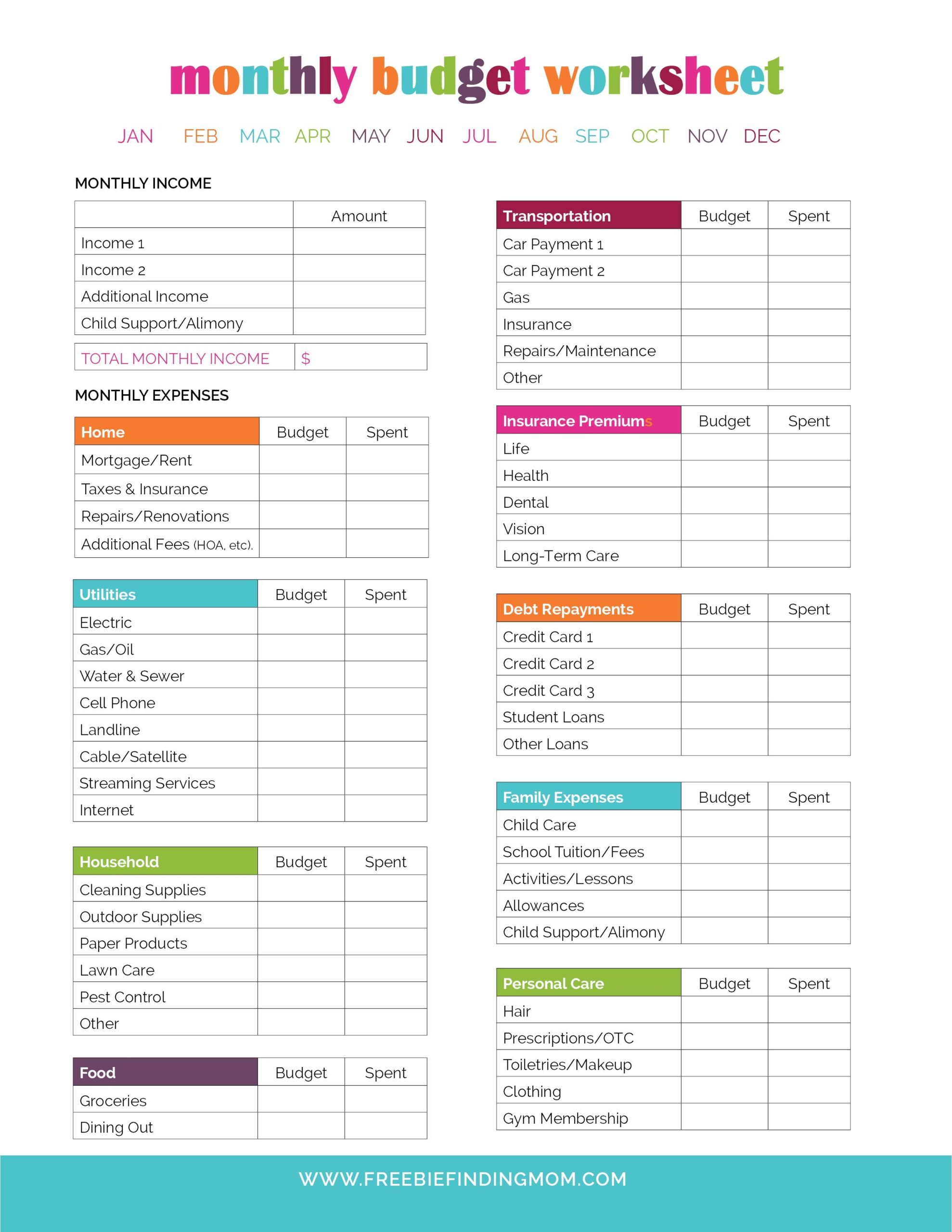
Managing finances can seem daunting, but a well-structured tool makes the process much simpler. The Basic Monthly Budget Worksheet Everyone Should Have is designed to help you track income, expenses, and savings in an easy-to-use format. This worksheet is ideal for small-business owners and individuals looking to organize their finances effectively. By breaking down monthly financial activities, you can gain a clearer picture of your financial health.
Why Use a Monthly Budget Worksheet?
A monthly budget worksheet serves as a roadmap for your financial journey. It allows you to plan for upcoming expenses, evaluate spending habits, and set savings goals. The benefits of using a budget worksheet include:
- Clarity: Understanding where your money goes each month helps in making informed financial decisions.
- Control: By tracking expenses, you can identify areas where you may be overspending and adjust accordingly.
- Goal Setting: Establishing savings goals becomes easier when you can visualize your income versus expenses.
With a Basic Monthly Budget Worksheet, you can systematically address these areas and ensure you stay on track financially.
How to Access the Basic Monthly Budget Worksheet
Finding and downloading the Basic Monthly Budget Worksheet Everyone Should Have is straightforward. Here’s how to do it:
- Search: Look for reliable printable-resource websites that offer budget worksheets. Many sites provide free downloads.
- Select: Choose the worksheet that best meets your needs. Look for features like a clean layout and easy-to-understand categories.
- Download: Click the download link. Typically, these worksheets come in PDF format, which preserves the layout and is printer-friendly.
- Print: Use standard printer settings for best results. Portrait layout generally works well for most home printers, and printing on regular letter-sized paper (8.5 x 11 inches) is common.
This process ensures you have a readily available tool at your fingertips, ready for immediate use.
Setting Up Your Monthly Budget Worksheet
Once you have your Basic Monthly Budget Worksheet, it’s time to fill it out. Here’s a step-by-step guide to setting it up effectively:
Identify Your Income Sources
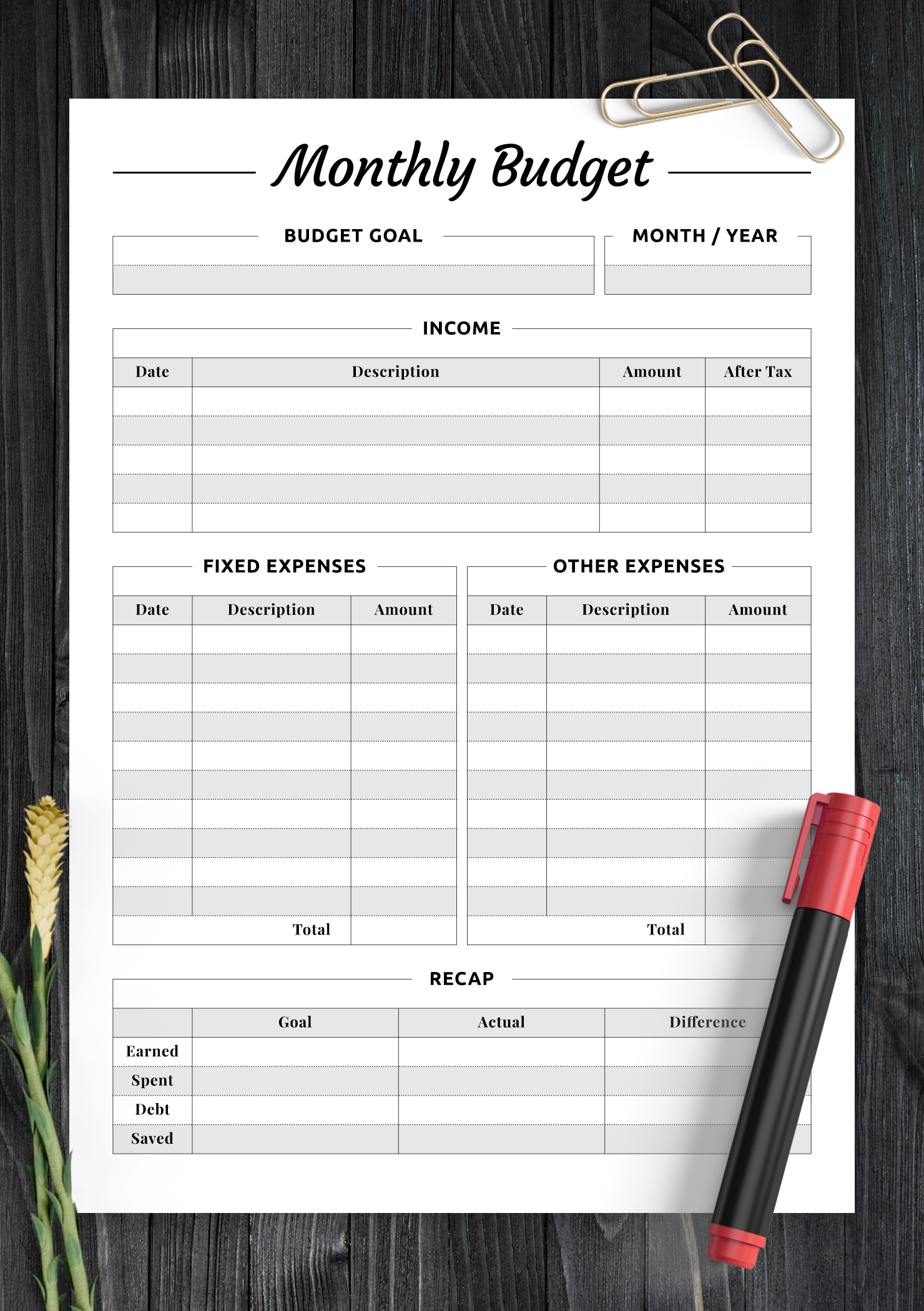
Begin by listing all sources of income. This includes:
- Salary or wages
- Business income
- Freelance work
- Investments
- Any additional sources of income
Be sure to note the amount you expect to receive each month. This figure will serve as the foundation for your budget.
Outline Your Fixed and Variable Expenses
Next, categorize your expenses into fixed and variable:
- Fixed Expenses: These are consistent monthly costs such as rent/mortgage, insurance, and loan payments.
- Variable Expenses: These include groceries, entertainment, and other discretionary spending that can fluctuate each month.
By distinguishing between these two types of expenses, you can better analyze where you may need to cut back.
Create a Savings Plan
In addition to tracking income and expenses, a good budget worksheet allows you to set savings goals. Consider allocating a certain percentage of your income to savings each month. This can be used for:
- Emergency funds
- Retirement accounts
- Specific savings goals (e.g., vacation, home purchase)
Setting clear savings goals helps in building a financial cushion for future needs.
Tips for Maintaining Your Budget
After filling out your Basic Monthly Budget Worksheet, the next step is maintaining it. Regularly updating and reviewing your budget is crucial for long-term success. Here are some tips:
- Monthly Review: At the end of each month, review your budget against actual spending. This helps identify discrepancies and adjust future budgets.
- Adjust as Needed: Life can be unpredictable. If you encounter unexpected expenses or changes in income, adjust your budget accordingly to reflect your current situation.
- Use Technology: Consider keeping a digital copy of your worksheet. This allows easy editing and tracking of expenses throughout the month.
Keeping your budget up-to-date ensures you’re always aware of your financial standing.
Common Mistakes to Avoid
As you embark on your budgeting journey, be aware of common pitfalls:
- Underestimating Expenses: It’s easy to overlook small expenses that add up. Be thorough in your expense tracking.
- Ignoring Irregular Expenses: Things like car maintenance or annual subscriptions can sneak up on you. Make sure to plan for these in your budget.
- Not Setting Realistic Goals: While saving is important, setting unattainable goals can lead to frustration. Aim for achievable targets that motivate you rather than discourage you.
By avoiding these mistakes, you can create a more effective budgeting strategy.