The American Student Assistance Budget Worksheet is an invaluable resource for teachers and parents looking to equip students with essential financial literacy skills. This printable worksheet, typically formatted in an easy-to-use PDF, provides a structured way for students to track their income, expenses, and savings. With clear sections and fields, it supports students in understanding their financial situation and making informed decisions about their money.
Understanding the Layout of the Worksheet
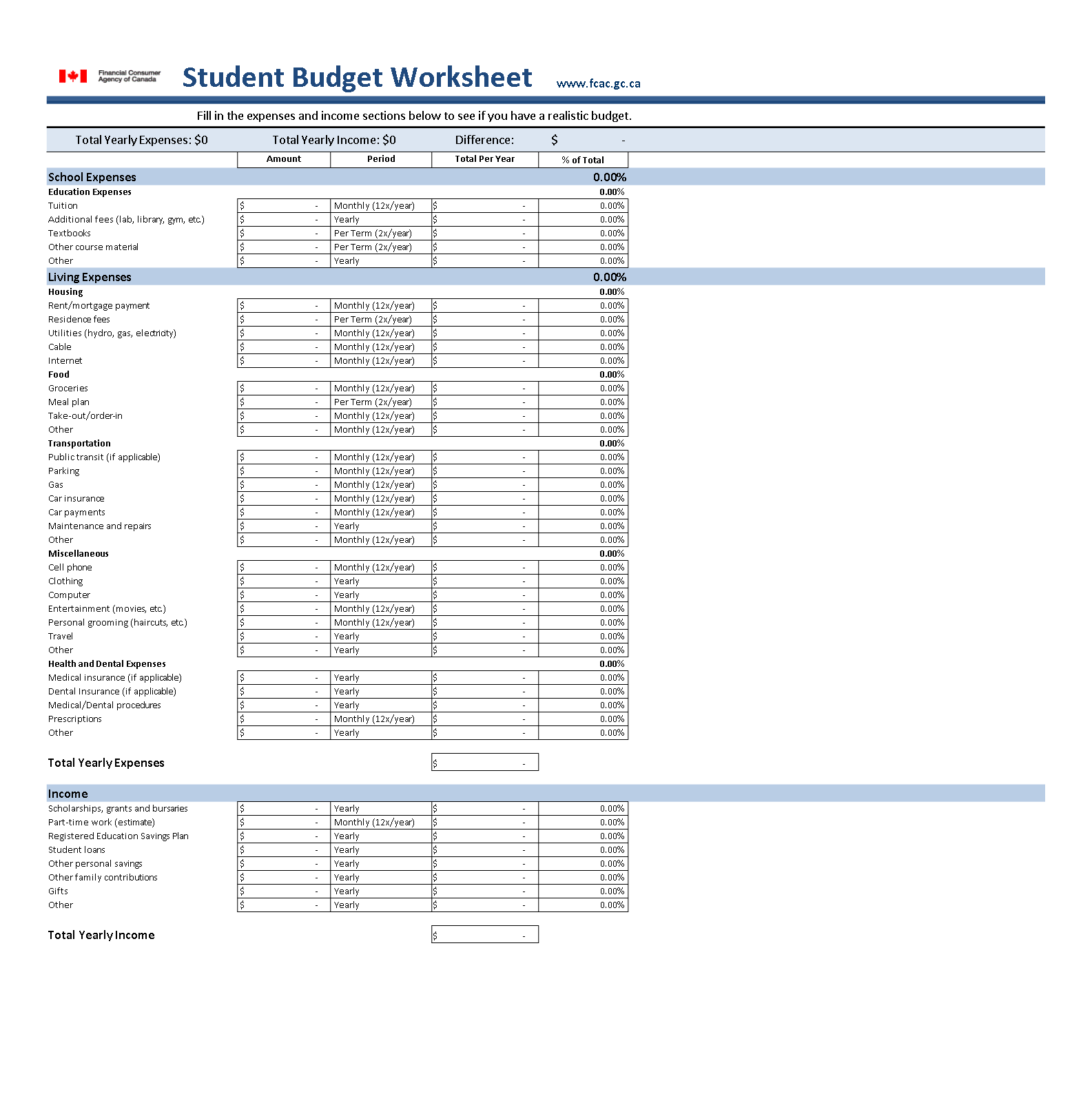
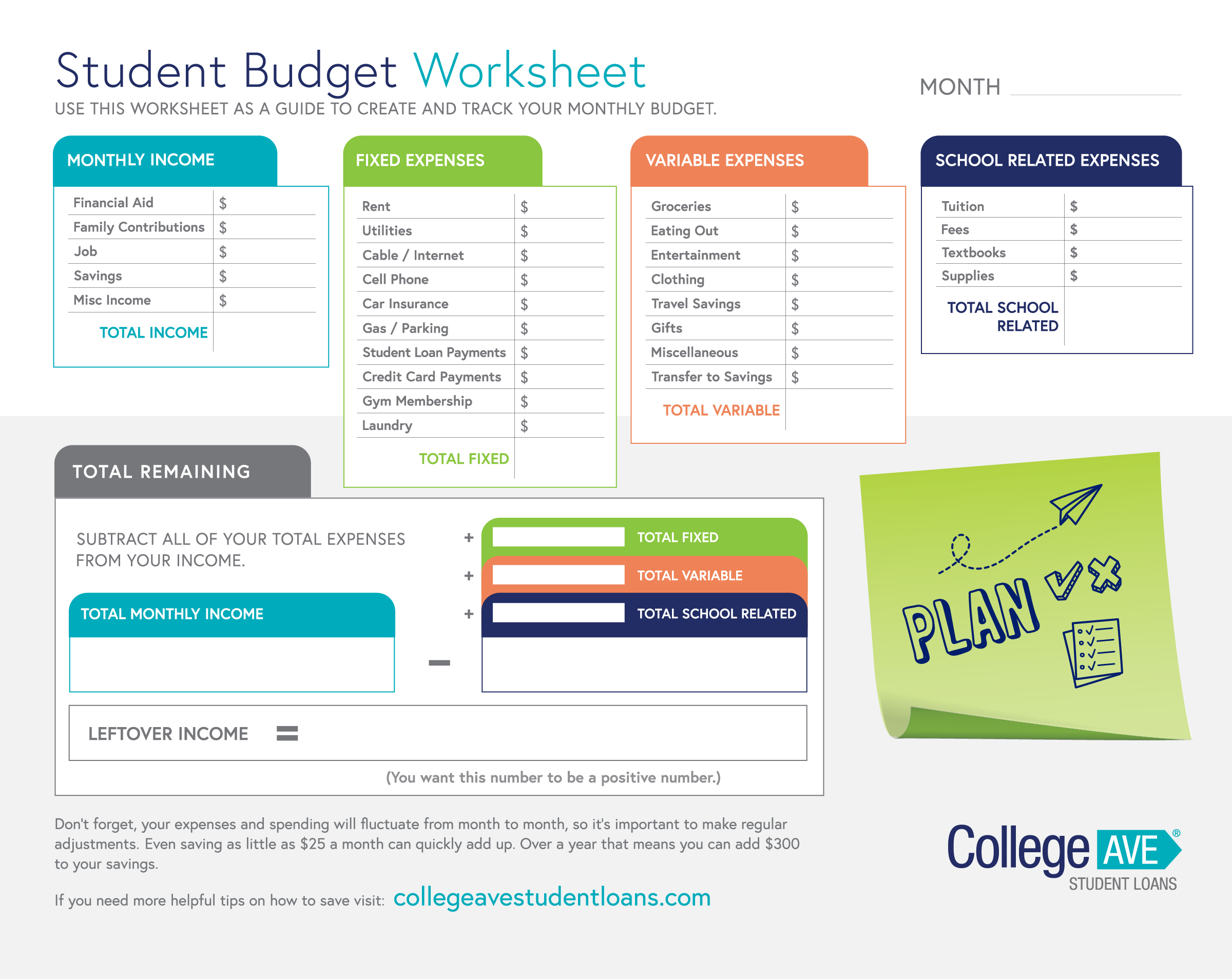
The design of the American Student Assistance Budget Worksheet is user-friendly and straightforward, making it suitable for students in middle school and high school. The worksheet usually features a clean layout with distinct sections for income, expenses, and savings goals. Each section is clearly labeled, which helps students quickly identify where to input their information.
Typically, the income section will allow students to list various sources such as allowances, part-time jobs, or gifts. The expenses section is divided into categories like necessities (food, clothing, transportation) and discretionary spending (entertainment, hobbies). This clear division helps students understand the difference between needs and wants, a crucial concept in budgeting.
How to Implement the Worksheet in Classrooms
Integrating the American Student Assistance Budget Worksheet into your lesson plans can be beneficial for teaching financial literacy. You might introduce it as part of a larger unit on personal finance, economics, or even mathematics. Here are some practical steps for implementation:
- Introduction to Budgeting: Start with a discussion about the importance of budgeting. Explain how managing money effectively can lead to better financial decisions in the future.
- Hands-On Activity: Distribute the worksheet and have students fill it out based on hypothetical scenarios or their actual income and expenses. This could be done individually or in small groups to encourage discussion.
- Review and Reflect: After filling out the worksheet, facilitate a class discussion where students can share their experiences and insights. Encourage them to think critically about their spending habits and how they can adjust them to meet their savings goals.
By incorporating this worksheet into your curriculum, you not only teach students about budgeting but also provide them with a practical tool they can use in real life.
Tips for Parents Using the Worksheet at Home
Parents can also utilize the American Student Assistance Budget Worksheet to foster financial responsibility in their children. Here are some effective strategies:
- Set a Regular Review Schedule: Encourage your child to update the worksheet regularly, such as once a week or month. This helps them stay on top of their finances and adjust their spending habits as necessary.
- Involve Your Child in Family Budgeting: Share your family’s budget with your child and discuss how it aligns with their worksheet. This transparency helps them understand real-world budgeting better.
- Use Real-Life Examples: Engage your child by discussing recent purchases or upcoming expenses. Ask them to compare these with their own budget to see how they align or differ.
By making budgeting a family affair, parents can reinforce the lessons learned in school while instilling a sense of accountability in their children.
Additional Features of the Worksheet
The American Student Assistance Budget Worksheet may also include features that enhance its usability. These could range from motivational quotes at the top of the page to sections for tracking savings goals. These elements can make the budgeting process feel more engaging and less daunting for students.
- Goal-Setting Section: Some worksheets provide a dedicated area for students to set short-term and long-term savings goals. This encourages them to think about their future and the steps needed to achieve their financial aspirations.
- Monthly Tracking: If the worksheet is designed for monthly use, it may include space for students to track their spending over the month, helping them identify trends in their financial behavior.
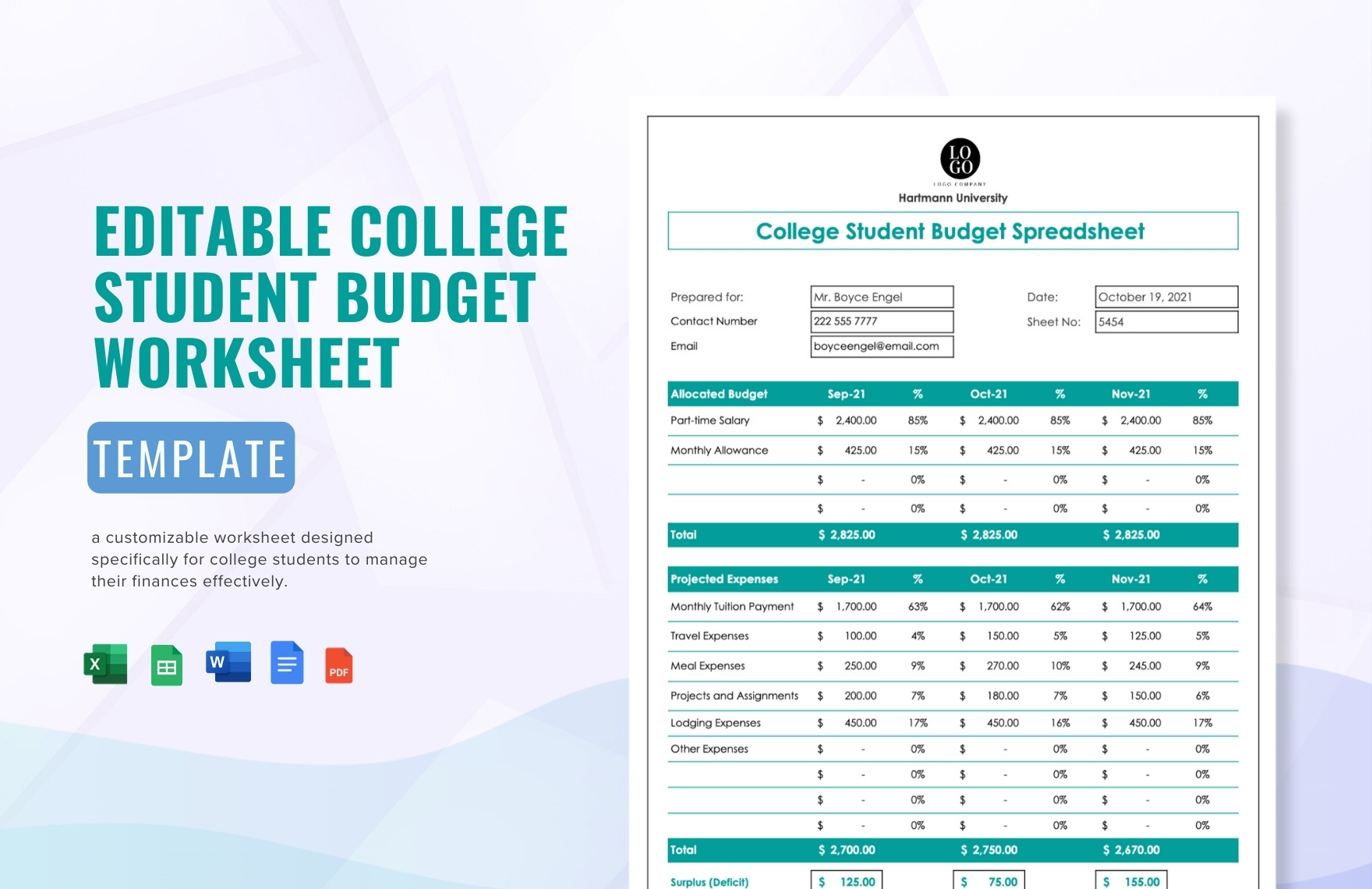
- Visual Aids: Worksheets that incorporate graphs or charts can help visualize income versus expenses, making it easier for students to see where their money goes.
These features not only make the worksheet more engaging but also reinforce the concepts of financial literacy in a practical manner.
Adapting the Worksheet for Different Age Groups
While the American Student Assistance Budget Worksheet is generally geared toward middle and high school students, it can be adapted for younger students as well. For elementary-aged children, consider simplifying the worksheet by using basic categories and visuals.
You might use images to represent various expenses (like a picture of food or toys) and have children color in their spending. This approach makes budgeting accessible and fun, laying the groundwork for more complex financial concepts as they grow older.
For older students, you can encourage them to delve deeper into the worksheet by adding more detailed categories and encouraging them to think critically about each expense. This could include analyzing their spending habits and considering potential investments or savings strategies.