As Emily sat at the kitchen table, papers scattered around her, she felt overwhelmed by the monthly expenses piling up. She knew she needed a practical way to keep track of her finances but wasn’t sure where to start. That’s when she stumbled upon the Bank Of America Budget Sheet. This resource not only caught her eye but also seemed like the perfect tool to help manage her family’s budget efficiently.
Using a budget sheet is essential for anyone wanting to take control of their financial situation. The Bank Of America Budget Sheet is designed to help users categorize their income and expenses, making it easier to understand where money is going each month. It’s an excellent resource for teachers, parents, and caregivers who want to teach children about budgeting and financial responsibility. In this article, we’ll explore how to use this budget sheet effectively in various settings.
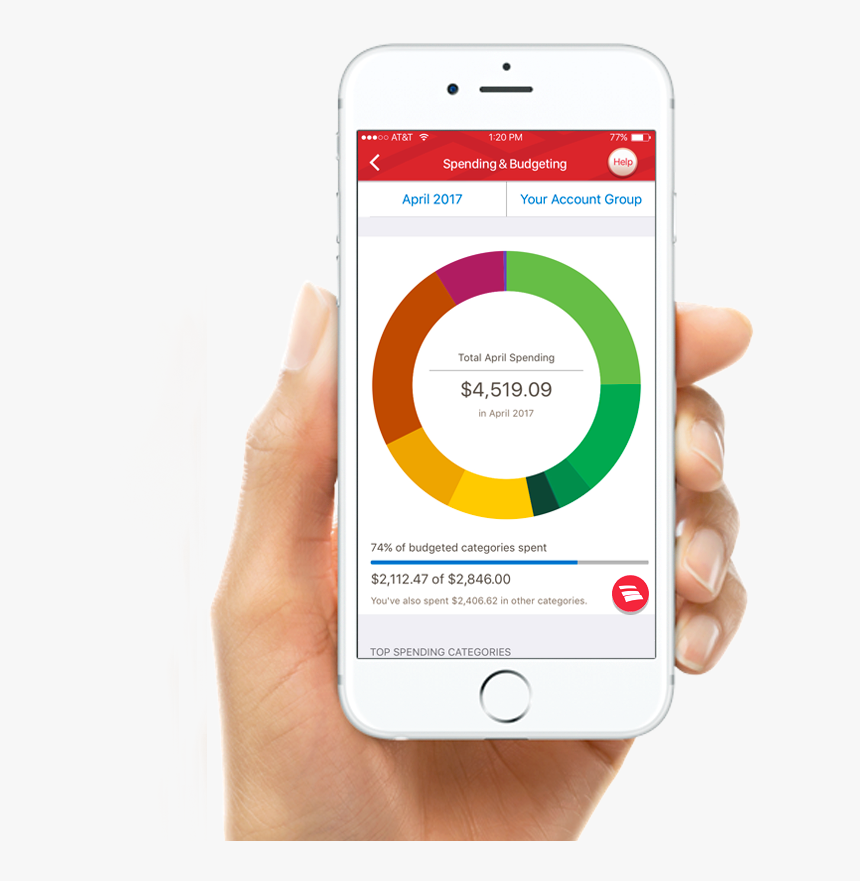
Understanding the Bank Of America Budget Sheet
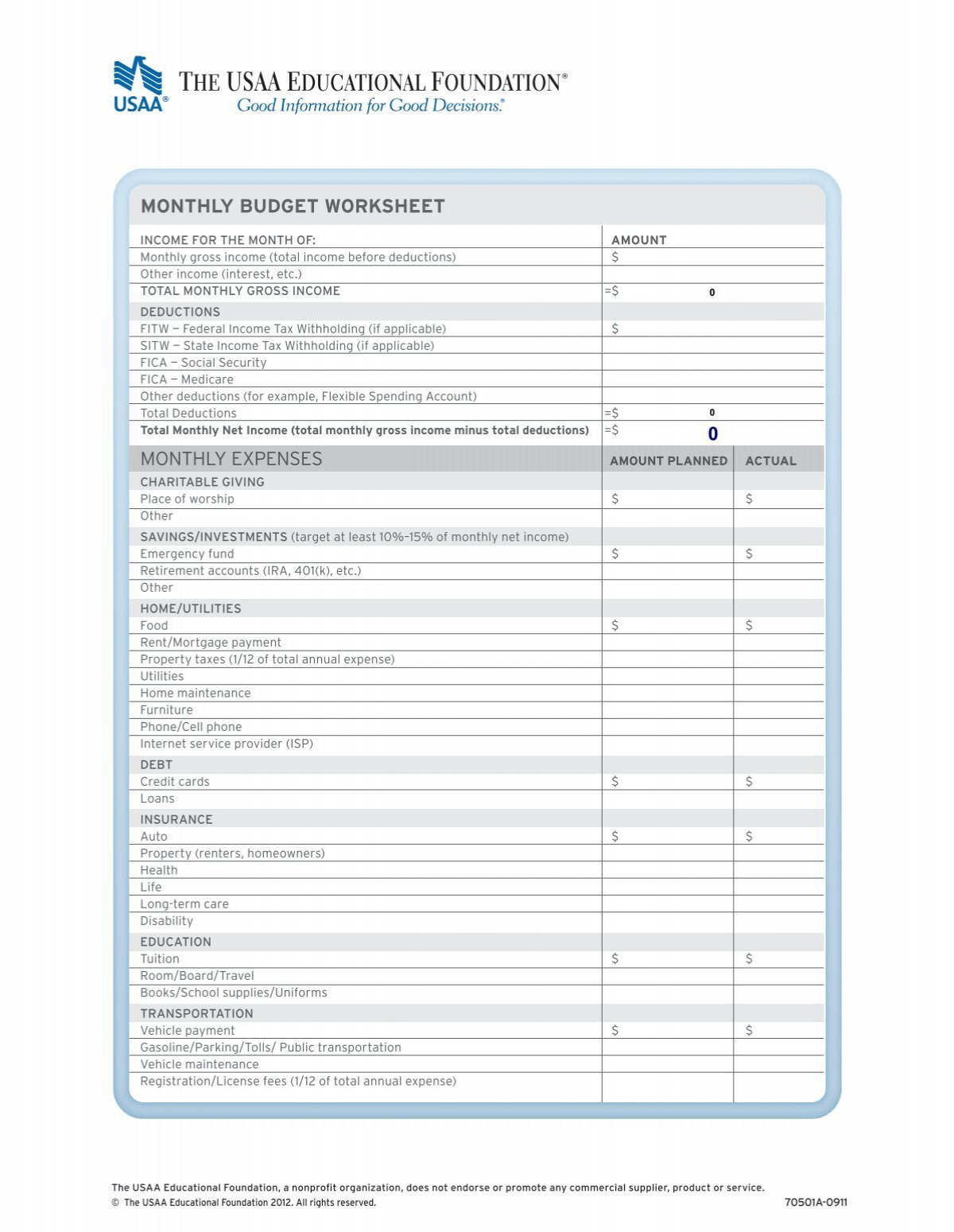
The Bank Of America Budget Sheet is a straightforward, printable resource that allows you to track income, expenses, and savings goals. It typically includes sections for:
- Monthly income: Listing all sources of income, including salaries, side jobs, and any other financial contributions.
- Fixed expenses: Regular payments such as rent, mortgage, utilities, and subscriptions.
- Variable expenses: Costs that can fluctuate, including groceries, entertainment, and personal spending.
- Savings goals: Areas where you can set aside money for specific purposes, like vacations or emergency funds.
Using this budget sheet not only helps in managing finances but also serves as a valuable educational tool for children. It provides a practical way to engage them in conversations about money management.
Setting Up the Budget Sheet
To get started with the Bank Of America Budget Sheet, follow these simple steps:
- Download and print the sheet: You can find it on the Bank of America website or other educational resources. Make sure to print it in a format that suits your needs, typically A4 or letter size works best.
- Gather your financial documents: Collect bank statements, pay stubs, and any bills you need to reference.
- Fill in your income: Start by listing your total monthly income at the top of the sheet. This will serve as the foundation for your budget.
- List fixed and variable expenses: Go through your expenses and categorize them. This can be a great opportunity to teach kids about needs versus wants.
- Set savings goals: Decide how much you want to save each month and write that down. This can be a fun family discussion to have about future plans.
Practical Uses in the Classroom
In a classroom setting, the Bank Of America Budget Sheet can be an invaluable teaching tool for financial literacy. Here’s how you can incorporate it into your lessons:
- Group activities: Divide students into small groups and have them create a budget based on a hypothetical scenario. This could involve planning a class trip or managing funds for a classroom project.
- Role-playing: Assign students different roles (e.g., teacher, parent, student) and have them discuss budgeting decisions together. This helps them understand different perspectives and the importance of financial planning.
- Monthly budgeting challenges: Encourage students to create their own budgets for a month. They can track their spending and savings, then present their findings to the class.
By using the budget sheet in these ways, you can foster a sense of responsibility and awareness about money management among students.
Incorporating the Budget Sheet at Home
For parents and caregivers, using the Bank Of America Budget Sheet at home can lead to meaningful discussions about finances with children. Here are some practical tips to make the most of it:
- Family budgeting meetings: Set aside time each month to review the budget together. This encourages open communication about finances and teaches children the importance of being involved in family decisions.
- Create a savings jar: Use the savings goals section to inspire a physical savings jar at home. Children can see their savings grow, making the process more tangible and exciting.
- Discuss real-life scenarios: Use the budget sheet to talk about everyday situations, like planning for a family vacation or a birthday party. This can help children understand how budgeting applies to their lives.
Tips for Effective Budgeting
When using the Bank Of America Budget Sheet, keep these tips in mind for a smoother budgeting experience:
- Be realistic: When estimating expenses, it’s essential to be honest about your spending habits. This will give you a clearer picture of your financial situation.
- Review regularly: Make it a habit to revisit and adjust your budget monthly. Life changes can affect your income and expenses, so staying flexible is crucial.
- Encourage accountability: If you’re working with kids, encourage them to track their own spending and savings. This fosters independence and responsibility.
The Bank Of America Budget Sheet is more than just a financial tool; it’s an opportunity to teach valuable life skills. Whether in the classroom or at home, it provides a structured way to engage with budgeting and financial planning.
By downloading and implementing this resource, you can take a proactive step towards managing your finances while also imparting essential lessons to the next generation. Grab your printable sheet today, and start your journey toward smarter budgeting!