Teaching students about budgeting is a crucial skill that they’ll carry into adulthood. The 10 3 Charting A Budget Worksheet Answers can help educators and parents guide children through understanding financial management. This worksheet is designed to engage students in the budgeting process by helping them visualize their income and expenses clearly. Below, you’ll find practical ways to utilize this resource effectively in classroom or home settings.
Understanding the 10 3 Charting A Budget Worksheet
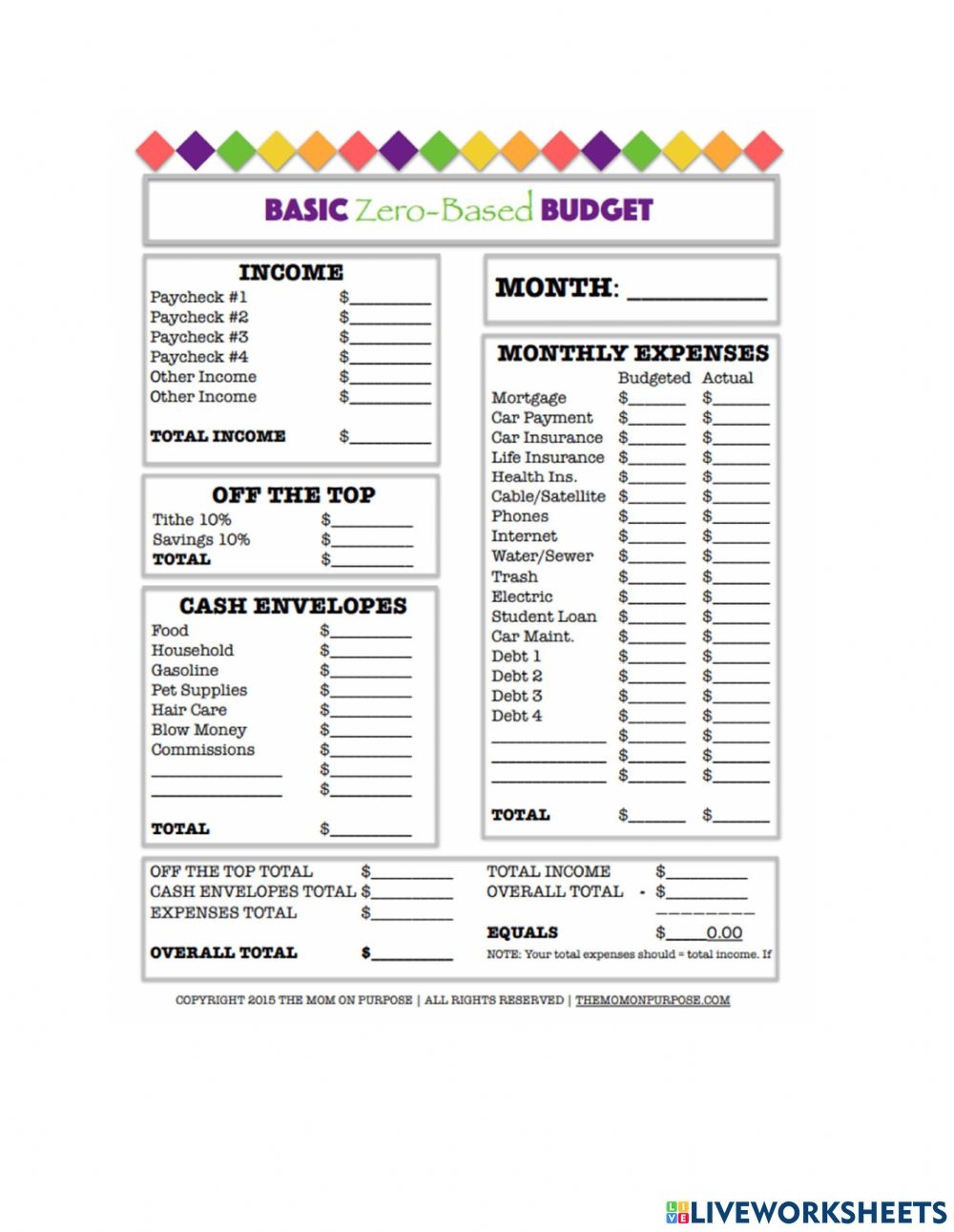
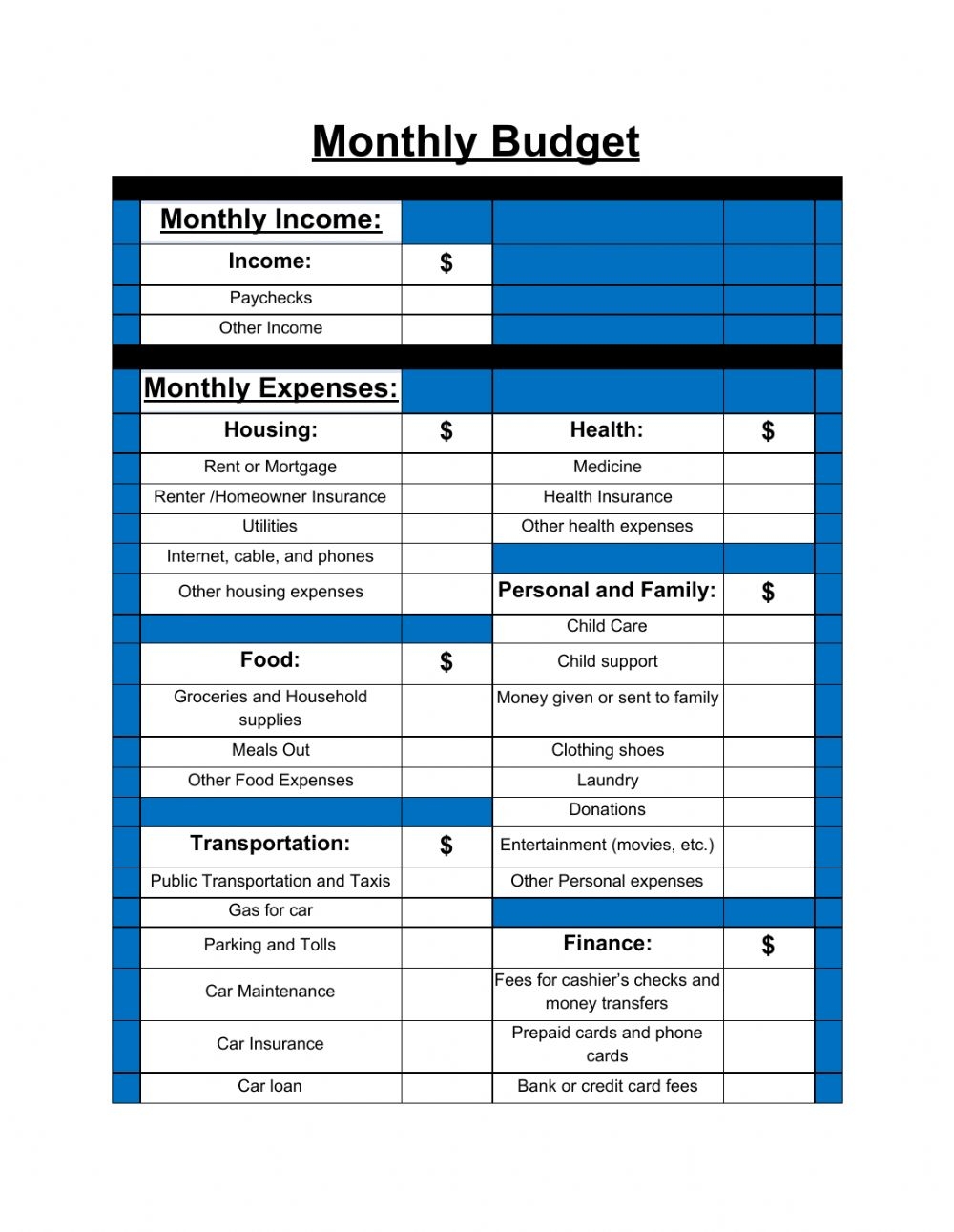
The 10 3 Charting A Budget Worksheet is a structured tool that allows students to categorize their income, expenses, and savings. The primary goal is to help students grasp the importance of budgeting and financial planning. The worksheet typically includes sections for:
- Income: Listing all sources of income.
- Fixed Expenses: Regular payments that don’t change, such as rent or subscriptions.
- Variable Expenses: Costs that fluctuate, such as groceries or entertainment.
- Savings Goals: A section dedicated to setting aside money for future needs or wants.
This worksheet is suitable for students in grades 6-12, making it versatile for both middle and high school classrooms. It’s particularly useful in economics, math, or life skills classes.
How to Introduce Budgeting Concepts
When using the 10 3 Charting A Budget Worksheet, start with an engaging discussion about money management. Here are some steps to introduce the topic:
- Start with Real-Life Scenarios: Present a scenario where students have to manage a monthly budget. This could be a fictional character or a real-life example relevant to their age group.
- Discuss Needs vs. Wants: Help students differentiate between essential expenses and discretionary spending. This is a crucial aspect of effective budgeting.
- Demonstrate the Worksheet: Walk students through filling out the worksheet step-by-step. Show them how to categorize their income and expenses.
- Encourage Personal Reflection: Ask students to think about their own financial situations. How much do they earn from allowances, and what do they typically spend money on?
Practical Classroom Activities
To ensure students grasp the budgeting concepts, consider incorporating the following activities using the 10 3 Charting A Budget Worksheet:
Group Discussions
Divide the class into small groups and have them share their budgeting experiences. This peer interaction can help students learn from one another and see different perspectives on financial management.
Role-Playing
Create role-play scenarios where students act out situations involving budgeting decisions. For instance, one student can be a shopkeeper while others are customers with a set budget. This will help them understand how to prioritize spending.
Real-Life Budgeting Projects
Assign students a project where they must plan a budget for a hypothetical event, such as a class party or field trip. They will need to account for all expenses and present their budget to the class.
Tips for Effective Use of the Worksheet
To maximize the effectiveness of the 10 3 Charting A Budget Worksheet, consider these practical tips:
- Print on Cardstock: If possible, print the worksheets on cardstock. This will make them more durable, especially for repeated use.
- Use Portrait Layout: Most home printers work better with portrait layout for worksheets. This will ensure that all sections are clearly visible.
- Provide Examples: Offer students examples of completed worksheets to help them understand what a successful budget looks like.
- Incorporate Technology: If your classroom has access to tablets or computers, consider creating a digital version of the worksheet. Software like Google Sheets can allow students to manipulate numbers easily.
Assessing Student Understanding
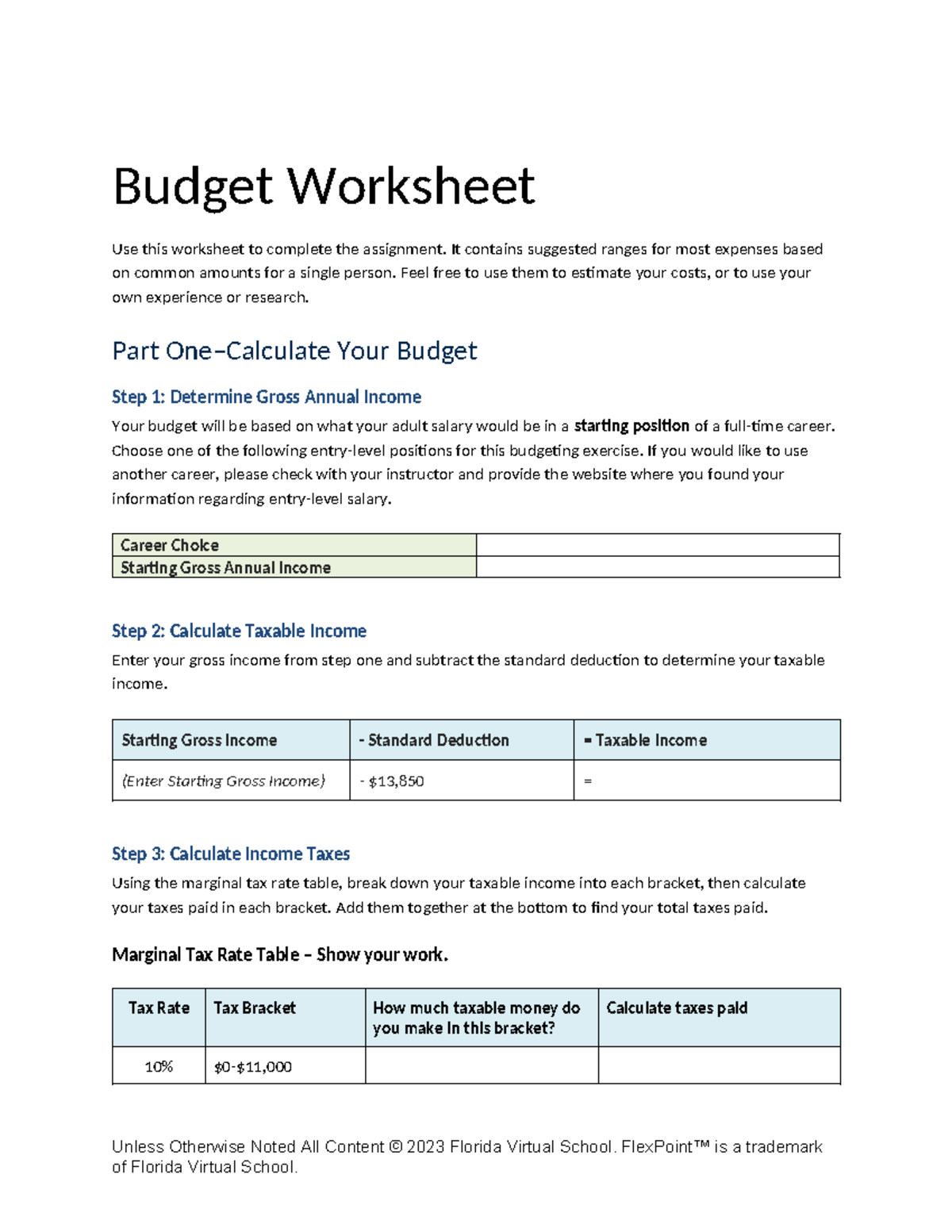
After students have completed the 10 3 Charting A Budget Worksheet, it’s important to assess their understanding. Here are a few methods to gauge their grasp of budgeting concepts:
Quizzes or Tests
Create a short quiz that includes questions on budgeting terminology, such as “What is a fixed expense?” or “How can you save money effectively?” This will reinforce their learning.
Reflection Essays
Ask students to write a brief essay reflecting on what they learned about budgeting. This can help solidify their understanding and provide insight into their personal financial goals.
Group Presentations
Have students present their completed worksheets to the class. This not only boosts confidence but also encourages them to articulate their budgeting strategies.