Managing care for aging parents can be overwhelming, especially when it comes to budgeting. The Aging Parent Care Budget Worksheet is an essential tool that helps you track expenses, plan for future costs, and ensure that your parents receive the care they need without breaking the bank. This guide will walk you through the practical steps to utilize this worksheet effectively, making your caregiving responsibilities a bit more manageable.
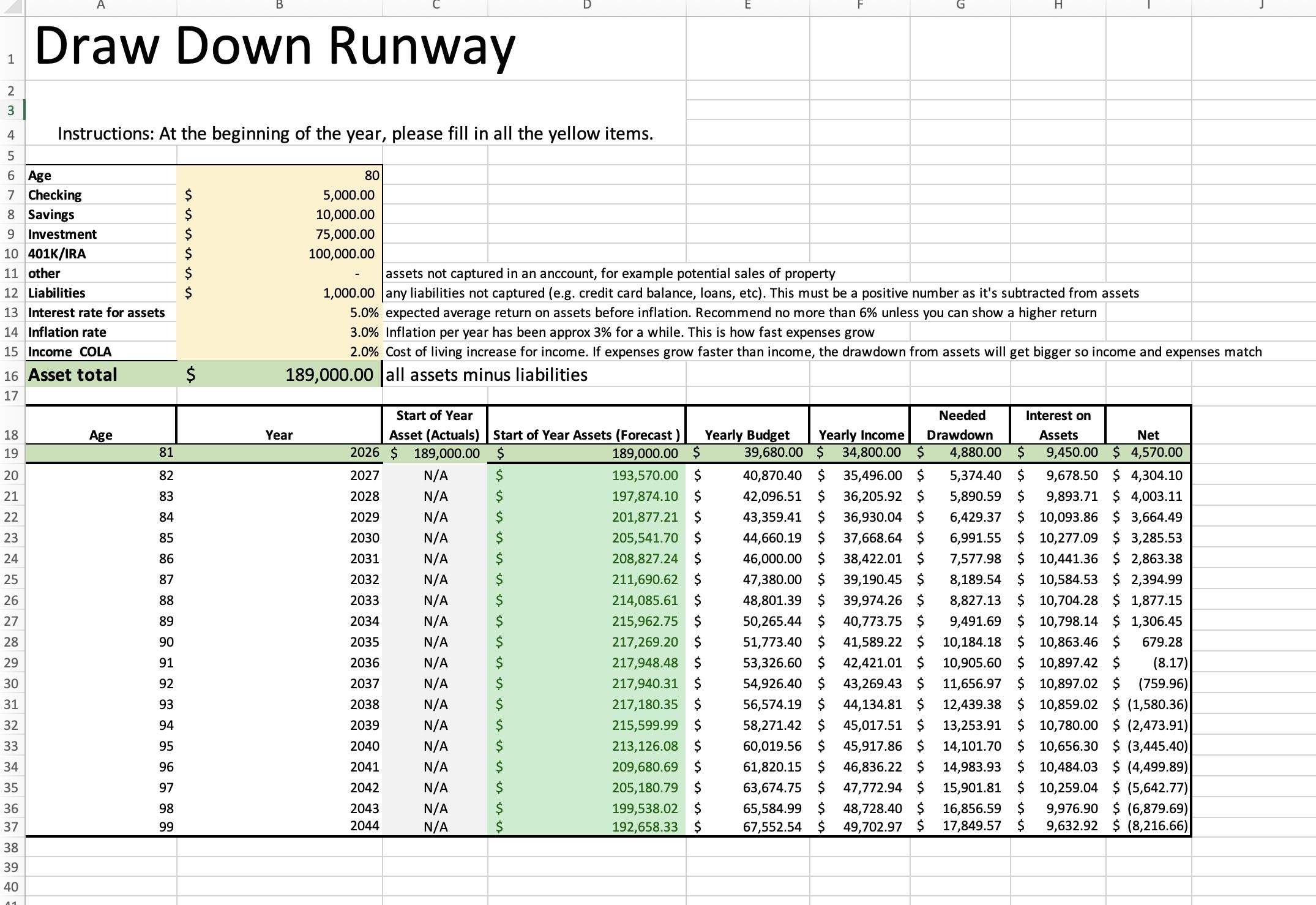
Understanding the Aging Parent Care Budget Worksheet
At its core, the Aging Parent Care Budget Worksheet is designed to help you organize all financial aspects related to caregiving. You’ll want to consider various categories such as medical expenses, daily living costs, transportation, and even potential home modifications. This comprehensive approach ensures that no financial detail is overlooked.
The worksheet typically includes sections for income, fixed expenses (like housing and utilities), variable expenses (like groceries and personal care), and discretionary spending (like entertainment and hobbies). By filling out each section, you can gain a clearer picture of your financial situation and what adjustments you may need to make.
Setting Up Your Budget
Creating a budget using the Aging Parent Care Budget Worksheet can feel daunting, but breaking it down into manageable steps makes it easier. Here’s how to get started:
- Gather Financial Information: Before you begin, collect all relevant financial documents. This includes bank statements, medical bills, insurance policies, and any other documents that represent your parents’ financial situation.
- Identify Sources of Income: List all sources of income, including pensions, Social Security benefits, and any savings or investments. This will give you a clear understanding of what funds are available to cover expenses.
- Categorize Expenses: Use the worksheet to categorize expenses into fixed, variable, and discretionary categories. This will help you prioritize spending and identify areas where you can cut back if necessary.
- Project Future Costs: Consider potential future expenses, such as increased medical care or long-term care facilities. Discuss these possibilities with your parents, if appropriate, to ensure everyone is on the same page regarding care expectations.
- Review and Adjust Regularly: A budget is not static. Regularly review the worksheet to make adjustments based on changes in income or expenses. This practice will help you stay on top of your financial situation and adapt to new challenges as they arise.
Utilizing the Worksheet for Care Planning
Beyond just budgeting, the Aging Parent Care Budget Worksheet can serve as a vital tool for overall care planning. Here’s how you can leverage it for more than just numbers:
- Track Care Needs: Alongside financial details, you can use the worksheet to document care needs. For instance, if your parent requires medication management or assistance with daily activities, note these requirements within the budget. This helps to align financial planning with actual caregiving needs.
- Plan for Emergencies: Life is unpredictable, especially when caring for aging parents. Use the worksheet to establish an emergency fund. Set aside a specific amount each month to cover unexpected expenses, such as sudden medical care or home repairs.
- Involve Family Members: If you have siblings or other family members involved in caregiving, share the worksheet with them. This encourages transparency and allows everyone to contribute financially where possible.

Common Challenges and Solutions
Managing an aging parent care budget comes with its own set of challenges. Here are some common issues caregivers face and practical solutions to overcome them:
Unexpected Medical Expenses
Medical costs can quickly spiral out of control. To counter this, consider:
- Setting Up a Health Savings Account (HSA): If eligible, an HSA can help you save money tax-free for medical expenses.
- Researching Assistance Programs: Look into local and national programs that offer financial aid for elderly care. Organizations like the Aging and Disability Services Administration may provide resources.
Balancing Time and Finances
Caregiving can be time-consuming, making it difficult to manage finances effectively. Here’s what you can do:
- Use Budgeting Apps: Consider using digital tools or apps that can track expenses and income automatically, saving you time.
- Delegate Responsibilities: Share caregiving tasks with family members or consider hiring part-time help to free up your schedule for financial management.
Managing Emotional Stress
Financial pressures can lead to emotional strain. To manage this:
- Seek Support Groups: Connecting with other caregivers can provide emotional relief and share practical advice.
- Consider Professional Financial Advice: A financial advisor can offer personalized guidance tailored to your family’s situation.