Managing an after school program can be a rewarding yet challenging task, especially when it comes to budgeting. An After School Program Budget Worksheet is an essential tool that helps you track expenses, allocate funds effectively, and ensure that your program runs smoothly. This guide will walk you through the practical aspects of using this resource, so you can stay organized and focused on what truly matters: the children in your care.
Understanding the After School Program Budget Worksheet
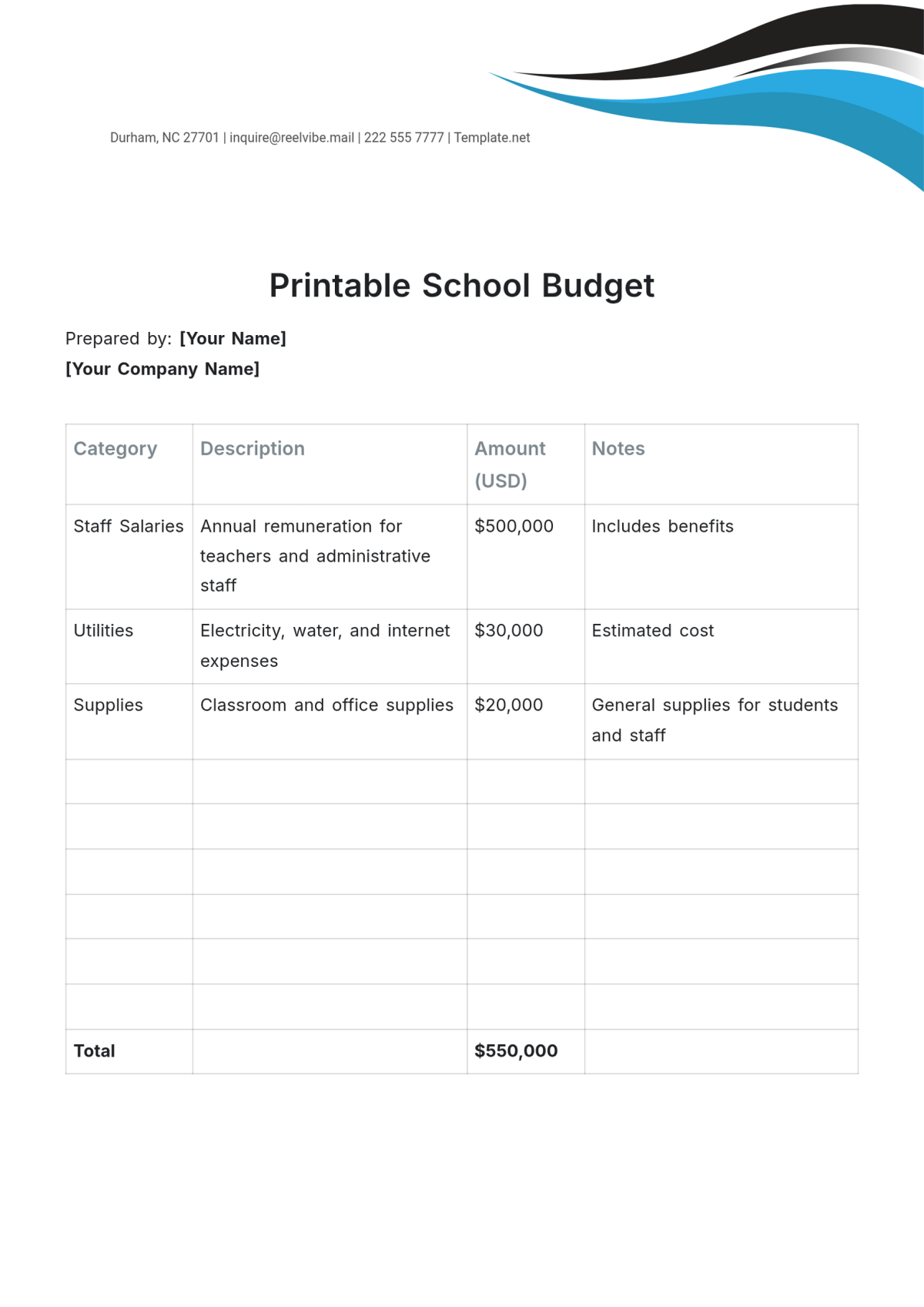
The After School Program Budget Worksheet is designed for individuals or organizations planning and managing after school activities. It typically includes sections for listing various expenses such as supplies, staff salaries, transportation, and snacks. By accurately filling out this worksheet, you’ll gain a clearer picture of your financial landscape, making it easier to adjust your plans as needed.
This worksheet is suitable for various settings, including schools, community centers, and even home-based programs. It’s particularly useful for program coordinators, administrators, and parents who want to ensure their after school activities are financially sustainable.
Key Components of the Worksheet
When you download the After School Program Budget Worksheet, you’ll find several key components that facilitate a comprehensive overview of your budget:
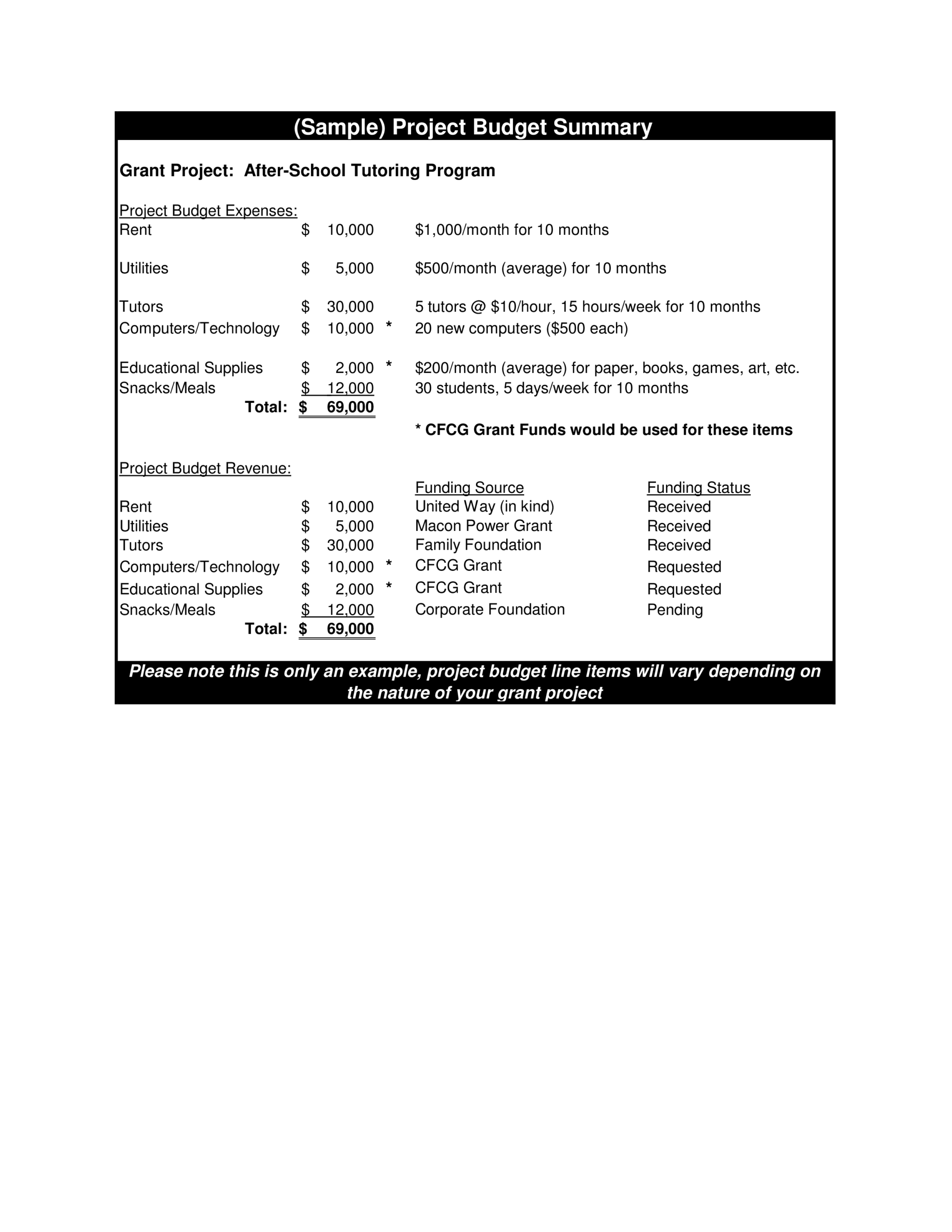
- Income Sources: This section allows you to list all potential funding sources. These may include tuition fees, grants, donations, and fundraising efforts. Understanding your income is crucial for effective budgeting.
- Expense Categories: Here, you can categorize your expenses into different sections such as:
- Personnel Costs: Salaries, benefits, and training for staff.
- Supplies and Materials: Items needed for activities, crafts, and educational resources.
- Transportation: Costs associated with field trips or transportation to and from activities.
- Facilities: Rent or maintenance costs for the space you use.
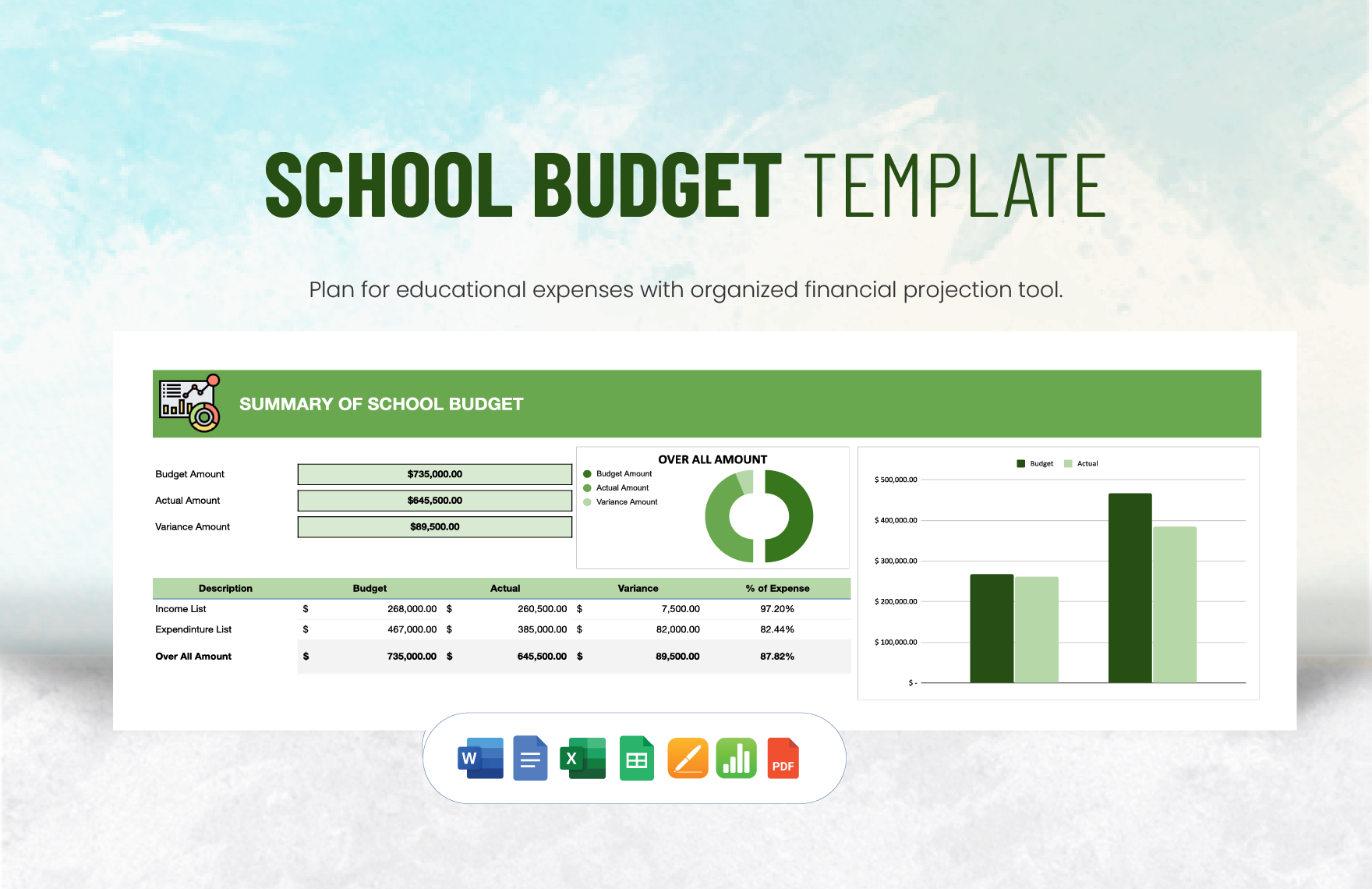
- Budget vs. Actual: This section helps you compare your projected budget with actual expenditures. This comparison is vital for identifying areas where you may need to cut costs or adjust your financial strategy.
- Notes and Comments: A space for jotting down any observations or adjustments that might be necessary throughout the program year.
By organizing your financial data in this manner, you can make informed decisions and keep your program on track.
How to Use the After School Program Budget Worksheet Effectively
To maximize the benefits of the After School Program Budget Worksheet, follow these steps:
- Gather Data: Before you begin filling out the worksheet, collect data on previous budgets if available. This will provide a baseline for your planning.
- Estimate Costs Accurately: Take the time to research and estimate costs for each category. Getting accurate estimates will help prevent budget overruns later on.
- Review Regularly: Set a schedule to review your budget regularly. Monthly check-ins can help you stay on top of your finances and adjust as necessary.
- Engage Stakeholders: Involve your team or other stakeholders in the budgeting process. Their insights can provide valuable input and foster a sense of ownership over the program.
- Use the Worksheet as a Living Document: Treat the worksheet as a dynamic tool. Update it as new expenses arise or as funding sources change. This adaptability will keep your budget relevant and useful.
Benefits of Using the After School Program Budget Worksheet
Utilizing the After School Program Budget Worksheet offers several advantages:
- Clarity: You’ll have a clear view of your financial situation, making it easier to plan and make decisions.
- Accountability: The worksheet promotes accountability by tracking where funds are being spent and how they compare to your budget.
- Strategic Planning: With accurate budget data, you can make strategic decisions about future programming, including whether to expand activities or cut back in certain areas.
- Resource Allocation: Understanding your budget allows for better allocation of resources, ensuring that funds are directed toward the most impactful activities.
Common Challenges and Solutions
While using the After School Program Budget Worksheet can streamline your financial planning, there are some common challenges you might face:
- Underestimating Costs: It’s easy to overlook certain expenses. To combat this, always include a buffer in your budget for unexpected costs.
- Over-reliance on Income Projections: Income can be unpredictable; ensure that your budget does not solely rely on expected funding. Have contingency plans in place.
- Difficulty Tracking Expenses: If you’re not diligent in recording expenses, it can lead to confusion. Regularly updating the worksheet, ideally weekly, can help keep everything in check.
- Limited Financial Knowledge: If budgeting is not your strong suit, consider seeking assistance from someone with financial expertise or using online resources for guidance.
Using the After School Program Budget Worksheet is not just about numbers; it’s about creating a sustainable environment where children can learn and grow. By employing this practical tool, you can ensure that your after school program is both effective and financially viable.
If you’re looking for a downloadable version of the After School Program Budget Worksheet, many resources are available online. Look for formats that suit your needs, such as PDF for easy printing or Excel for digital manipulation. This way, you can start planning your budget efficiently and effectively today.