Managing personal finances can feel overwhelming, but with the right tools, you can simplify the process. One such tool is the All Inclusive Household Budget Worksheet. This resource allows you to track income, expenses, and savings all in one place, making it easier to maintain financial health. By using this worksheet, you’ll gain insights into your spending habits and find areas where you can cut back or save more.
Understanding the All Inclusive Household Budget Worksheet
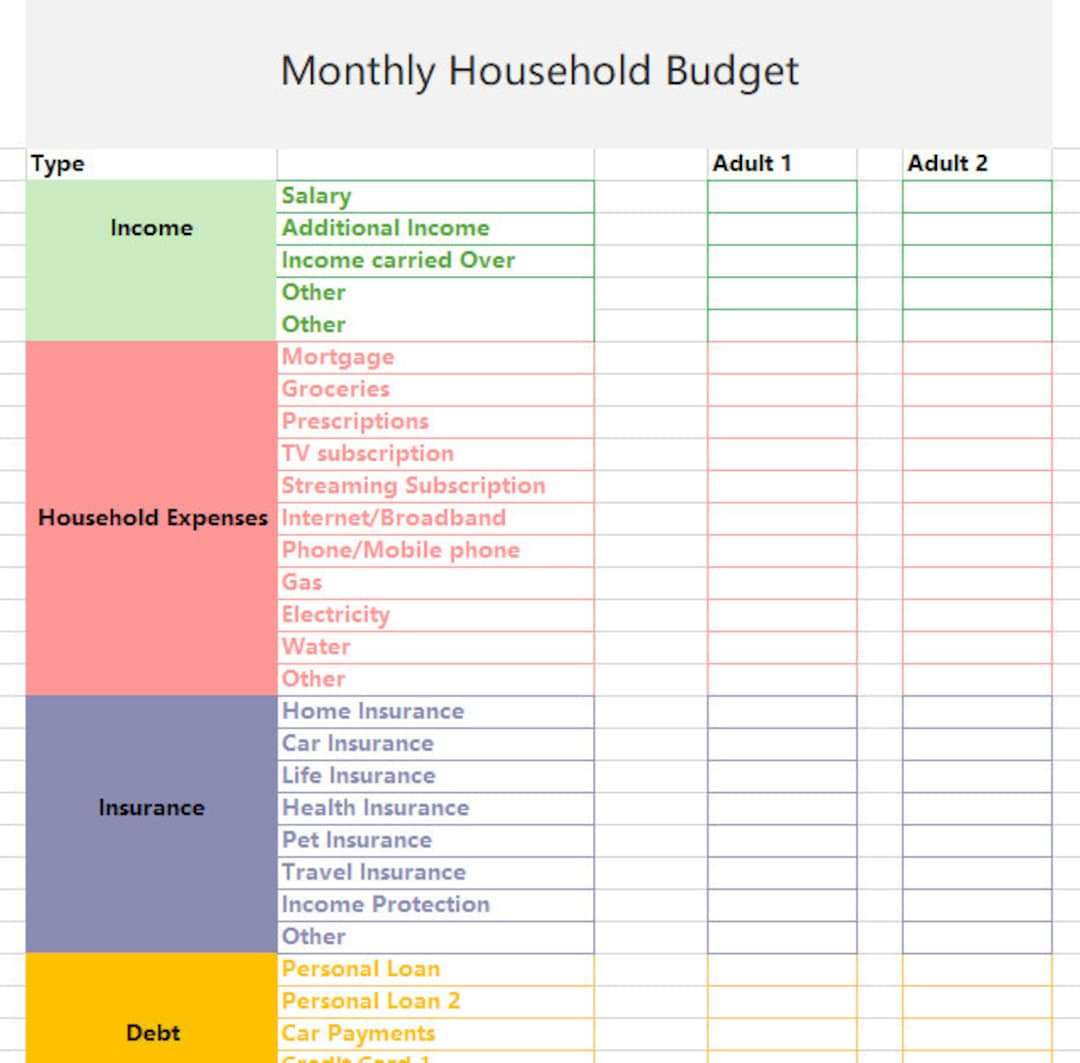
The All Inclusive Household Budget Worksheet is designed to help you gain a comprehensive view of your financial situation. It typically includes sections for tracking monthly income, fixed and variable expenses, savings goals, and discretionary spending. This structured approach helps you visualize where your money goes each month, allowing you to make informed decisions.
Key Components of the Worksheet
- Income Tracking: Record all sources of income, including salaries, side hustles, and any other cash inflows. This section helps you understand your total monthly earnings.
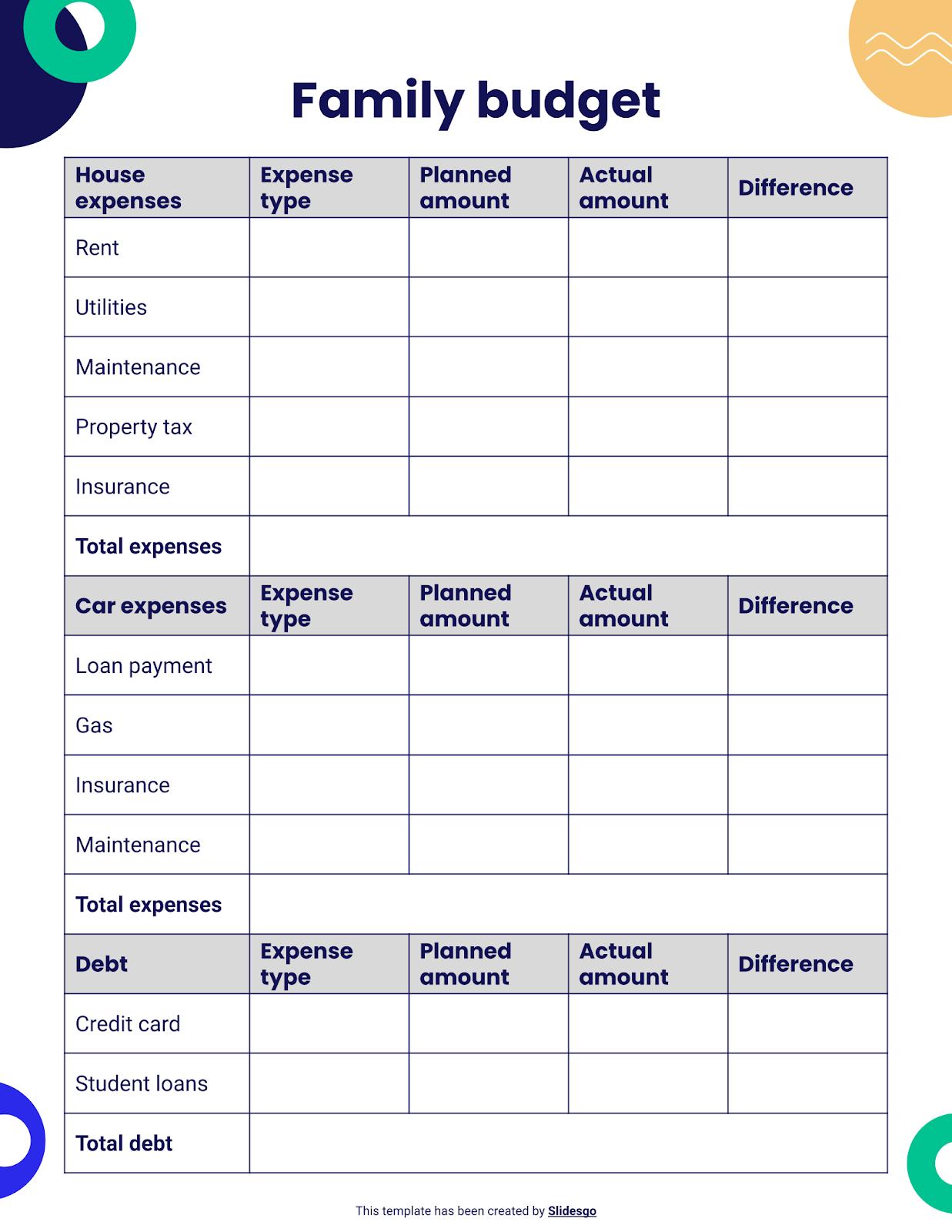
- Expense Categories: Break down your expenses into categories such as housing, utilities, groceries, transportation, and entertainment. This categorization aids in pinpointing spending patterns.
- Savings Goals: Set and track savings goals for specific purposes, such as an emergency fund, vacations, or retirement. This helps motivate you to save and plan for the future.
- Discretionary Spending: Monitor non-essential expenses, like dining out or subscription services. Keeping an eye on these can help you identify areas to cut back if necessary.
How to Set Up Your All Inclusive Household Budget Worksheet
Setting up your worksheet is a straightforward process. Here’s how you can do it effectively:
Step 1: Choose Your Format
Decide whether you want a digital or printable format. Digital versions can be filled out on your computer or tablet, while printable versions allow you to write by hand. If you prefer printing, consider using a standard letter-size (8.5 x 11 inches) paper for easy handling.
Step 2: Download and Print
Once you’ve chosen your format, download the worksheet from a trusted source. If you’re printing, use a high-quality printer with good paper. Cardstock is an excellent choice for durability, especially if you plan to reference it frequently.
Step 3: Fill in Your Income
Start by entering all your income sources. Be sure to include any irregular income, such as bonuses or freelance work. This gives you a complete picture of your financial resources.
Step 4: List Your Expenses
Next, list your fixed and variable expenses. Fixed expenses, like rent or mortgage payments, remain constant each month, while variable expenses can fluctuate. Be as detailed as possible to get an accurate understanding of your spending.
Step 5: Set Savings Goals
Determine how much you want to save each month and for what purpose. Write down these goals in the designated section of the worksheet. This will help you stay focused and motivated.
Step 6: Review and Adjust
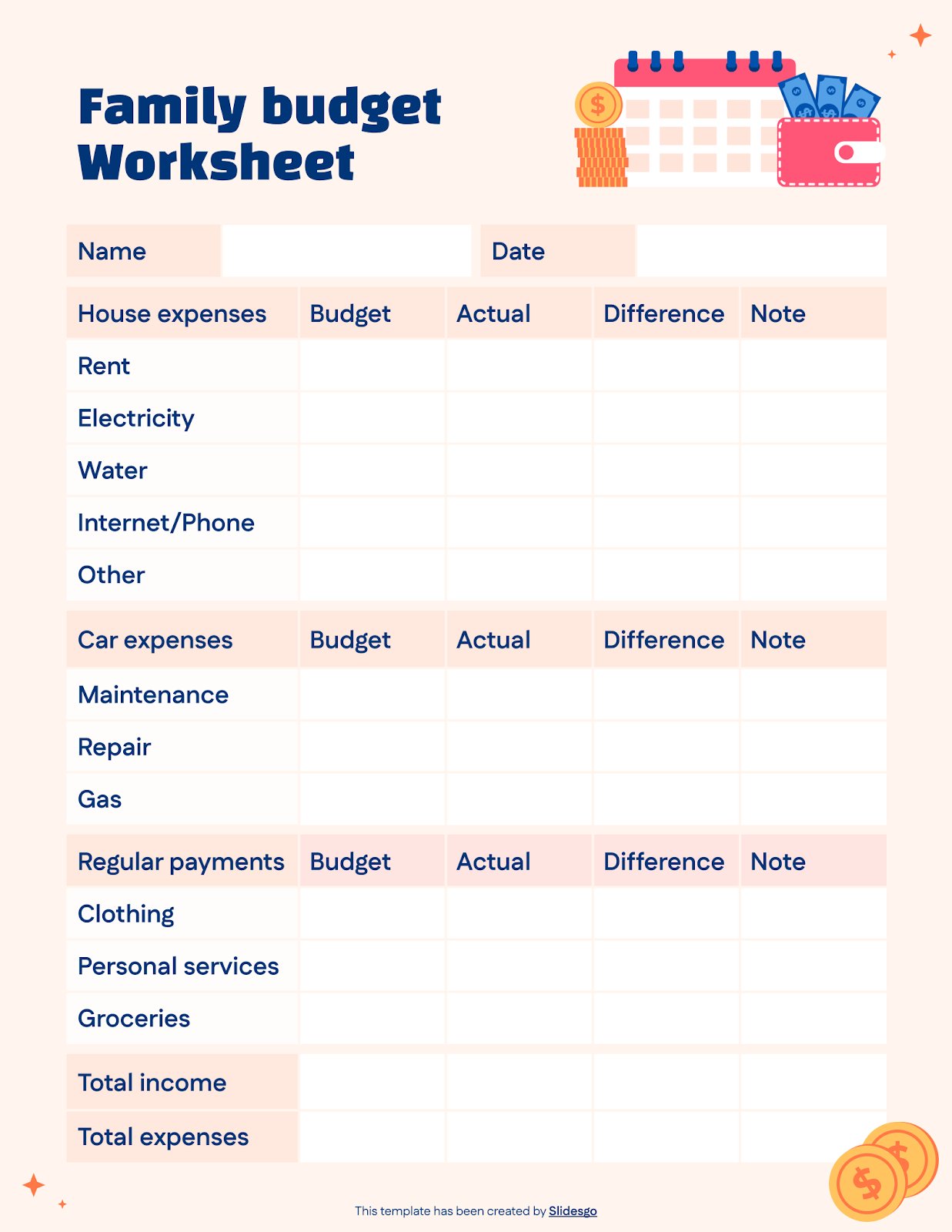
At the end of each month, review your budget. Compare your actual spending to your planned budget. Adjust your categories and goals as necessary to better reflect your financial situation.
Utilizing the All Inclusive Household Budget Worksheet in Daily Life
Integrating the All Inclusive Household Budget Worksheet into your daily routine can significantly enhance your financial management. Here’s how to make it a habit:
Create a Monthly Routine
Set aside time each month to review and update your budget. This could be at the beginning or end of the month. By making it a regular habit, you’ll stay on top of your finances and be more aware of your spending.
Involve Family Members
If you manage a household with others, involve them in the budgeting process. This not only promotes transparency but also encourages everyone to be mindful of spending. Discuss your financial goals together and agree on budget categories.
Use Technology for Tracking
Consider using budgeting apps or spreadsheets that can link to your bank accounts for real-time tracking. These tools can complement your worksheet and provide additional insights into your financial habits.
Set Reminders for Savings
Use reminders on your phone or calendar to prompt you to transfer funds into your savings account each month. Treat these transfers as non-negotiable bills to ensure you prioritize saving.
Troubleshooting Common Budgeting Challenges
Even with a well-structured All Inclusive Household Budget Worksheet, you might face challenges. Here are some common issues and solutions:
Unforeseen Expenses
Unexpected costs can derail your budget. To prepare, include a buffer in your budget for emergencies. This can be a small percentage of your income set aside for unforeseen circumstances.
Inconsistent Income
If your income varies from month to month, consider averaging your income over several months to create a more stable budget. This approach helps smooth out fluctuations and gives you a clearer picture of your financial situation.
Overwhelming Categories
If breaking down expenses feels overwhelming, start with broad categories and gradually add details. Focus on one area at a time, like groceries, before expanding to other expenses.
The Importance of Regularly Updating the Worksheet
A budget is not a one-time task; it requires regular updates and adjustments. As your financial situation changes—whether through a new job, moving, or changing expenses—make sure to reflect these changes in your All Inclusive Household Budget Worksheet. This adaptability will ensure your budget remains a relevant and useful tool for managing your finances.
By following these steps and incorporating the All Inclusive Household Budget Worksheet into your financial routine, you can take control of your finances effectively. Remember, the goal is not just to track spending but to empower yourself to make informed financial decisions. One last detail to keep in mind: regularly reviewing your budget can help you stay aligned with your long-term financial goals and adjust your strategies when necessary.