Managing a budget can be overwhelming, especially if you’re trying to track various expenses against your planned figures. The Acc 202 Budget Variance Worksheet Course Hero provides a structured way to evaluate budget discrepancies, helping you gain a clearer picture of your financial health. This worksheet allows you to compare your budgeted amounts with actual figures, making it easier to identify areas that need adjustment. Here’s how you can make the most of this resource.
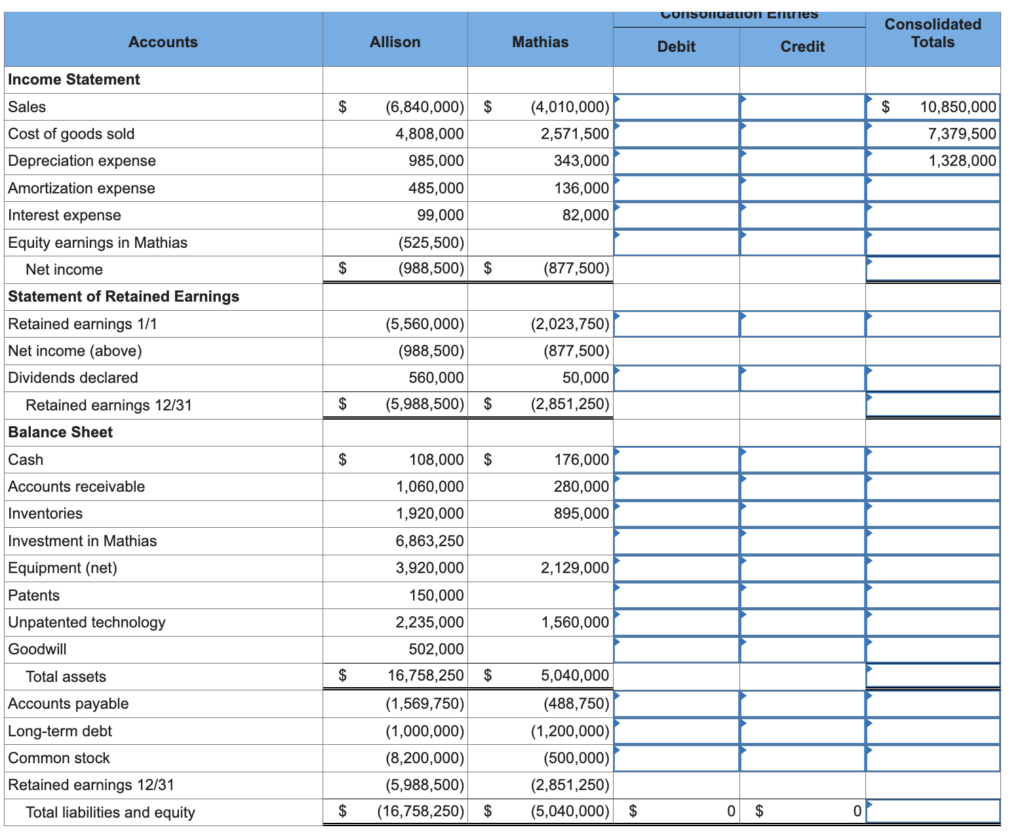
Understanding the Budget Variance Concept
Budget variance refers to the difference between what you planned to spend and what you actually spent. Understanding this concept is crucial for effective financial management. It helps you recognize whether you are overspending in certain areas or if you’re under budget in others. The Acc 202 Budget Variance Worksheet Course Hero is designed to facilitate this evaluation, allowing for better decision-making in both personal and classroom settings.
Why Use the Acc 202 Budget Variance Worksheet?
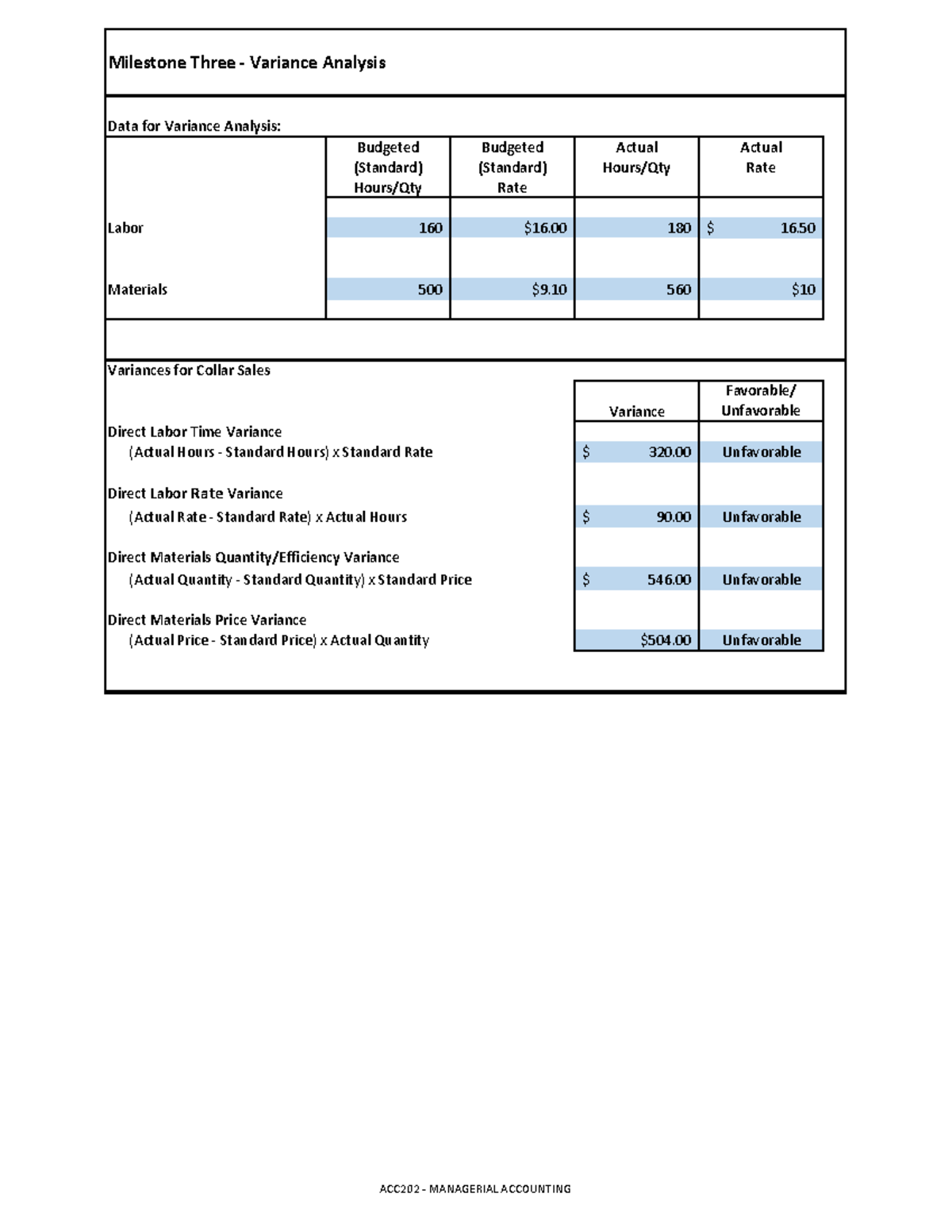
This worksheet is particularly beneficial for anyone looking to refine their budgeting skills. If you are a student learning about finance, a teacher guiding students through budgeting concepts, or an adult managing personal finances, this tool provides a clear framework to analyze your financial situation.
Using this worksheet helps you to:
- Identify spending patterns and trends.
- Make informed decisions about future budgets.
- Develop a habit of regular financial review, which is key to long-term financial health.
How to Access and Download the Worksheet
To begin using the Acc 202 Budget Variance Worksheet Course Hero, you first need to download it. Here’s how to go about it:
- Visit Course Hero: Navigate to the Course Hero website where the worksheet is hosted.
- Search for the Worksheet: Use the search function to locate the “Acc 202 Budget Variance Worksheet.”
- Create an Account: If you don’t already have one, you may need to create an account to access the worksheet.
- Download the Worksheet: Once you have access, download the worksheet in PDF format. This format is preferred as it maintains the layout and structure, making it easy to print.
Printing and Preparing the Worksheet
After downloading, it’s time to print and prepare the worksheet for use. Here are some tips for optimal results:
- Use Portrait Layout: Most home printers work best with a portrait layout, which is also the standard for worksheets.
- Select Quality Paper: If you plan to use this worksheet frequently, consider printing it on heavier paper or cardstock. This will hold up better over time, especially if you laminate it for repeated use.
- Print Multiple Copies: If you’re in a classroom setting, print enough copies for each student. This ensures everyone has their own worksheet to work from.
Setting Up the Worksheet for Use
Now that you have your printed worksheet, it’s time to set it up for effective use. Here’s a step-by-step guide:
- Input Budgeted Figures: Start by entering your budgeted amounts in the designated columns. This is usually where you specify how much you plan to spend in each category.
- Track Actual Expenses: As you incur expenses throughout the month, record them in the corresponding section of the worksheet. This real-time tracking is essential for understanding your financial behavior.
- Calculate Variance: The worksheet will typically have areas for calculating the variance, which is the difference between your budgeted and actual figures. Highlighting this can help you easily spot overspending or savings.
- Review Regularly: Set a regular schedule to review your worksheet. Weekly or monthly check-ins can help you stay on top of your budget and make necessary adjustments.
Analyzing Your Budget Variance
Once you’ve filled in the worksheet, take time to analyze the data. Here’s how to approach this analysis:
- Identify Trends: Look for patterns in your spending. Are there certain categories where you consistently overspend? This could indicate a need for a budget adjustment.
- Adjust Future Budgets: Use insights from your variance analysis to inform your future budgeting decisions. If you notice you spend more on dining out than anticipated, consider adjusting the budget for that category.
- Create Action Plans: If you find areas where you consistently overspend, create actionable plans to reduce those expenses. This could involve setting limits or finding alternatives.
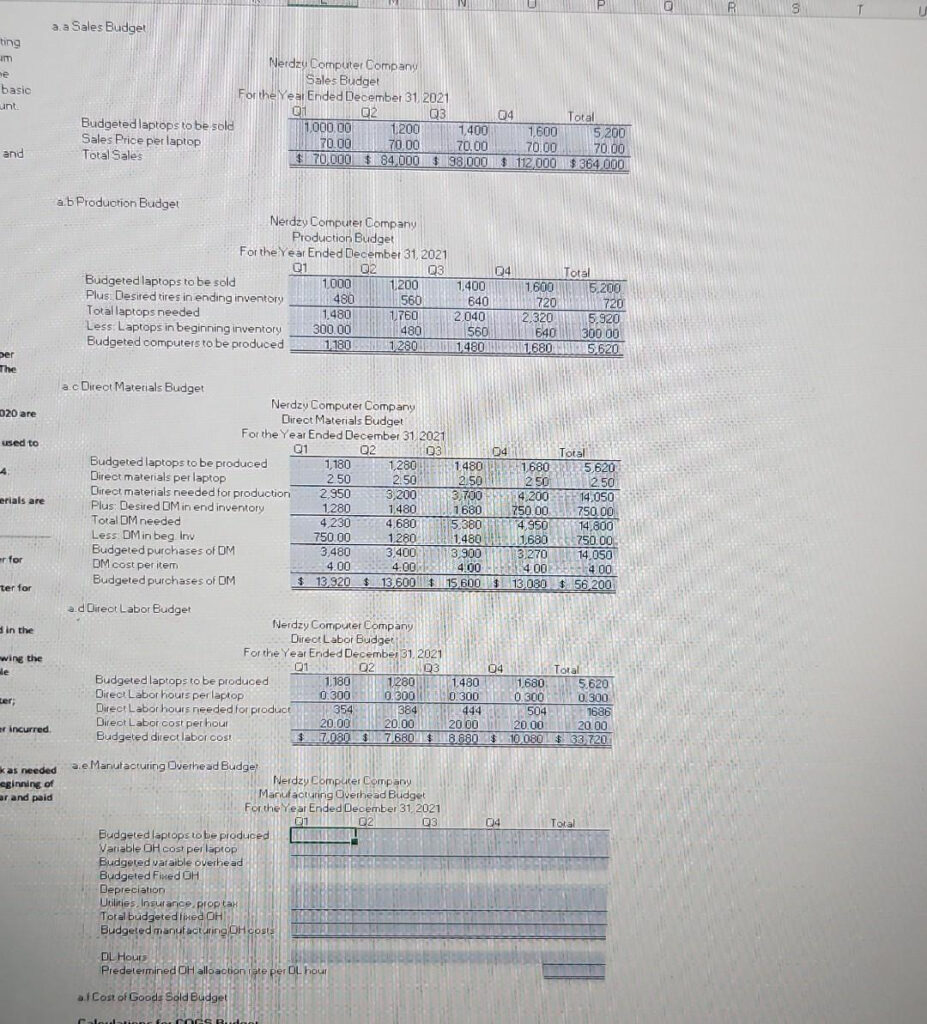
Incorporating the Worksheet Into Your Routine
To make the most of the Acc 202 Budget Variance Worksheet Course Hero, integrate it into your regular planning routine. Here are some practical tips:
- Monthly Budget Meetings: If you’re using this in a classroom, consider holding monthly budget meetings where students can discuss their findings and strategies.
- Personal Financial Reviews: For personal use, set aside time each month to review your budget variance and plan for the next month.
- Engagement with Others: If you’re part of a financial literacy group or class, share your experiences and strategies with your peers. This collaborative approach can enhance learning.
Implementing these strategies will help you not only understand your budget better but also actively manage it. Start by downloading your Acc 202 Budget Variance Worksheet Course Hero today, and take control of your financial future. Remember, the first step to better financial management is awareness; use this worksheet to make your financial habits clearer and more effective.