Understanding budget variance is essential for students pursuing finance or accounting. The Acc-202 Budget Variance Student Worksheet offers a structured way to engage learners in practical budgeting exercises. This resource is designed specifically for students in a classroom or homeschool setting, focusing on real-world applications of budget management and variance analysis.
Overview of the Acc-202 Budget Variance Student Worksheet
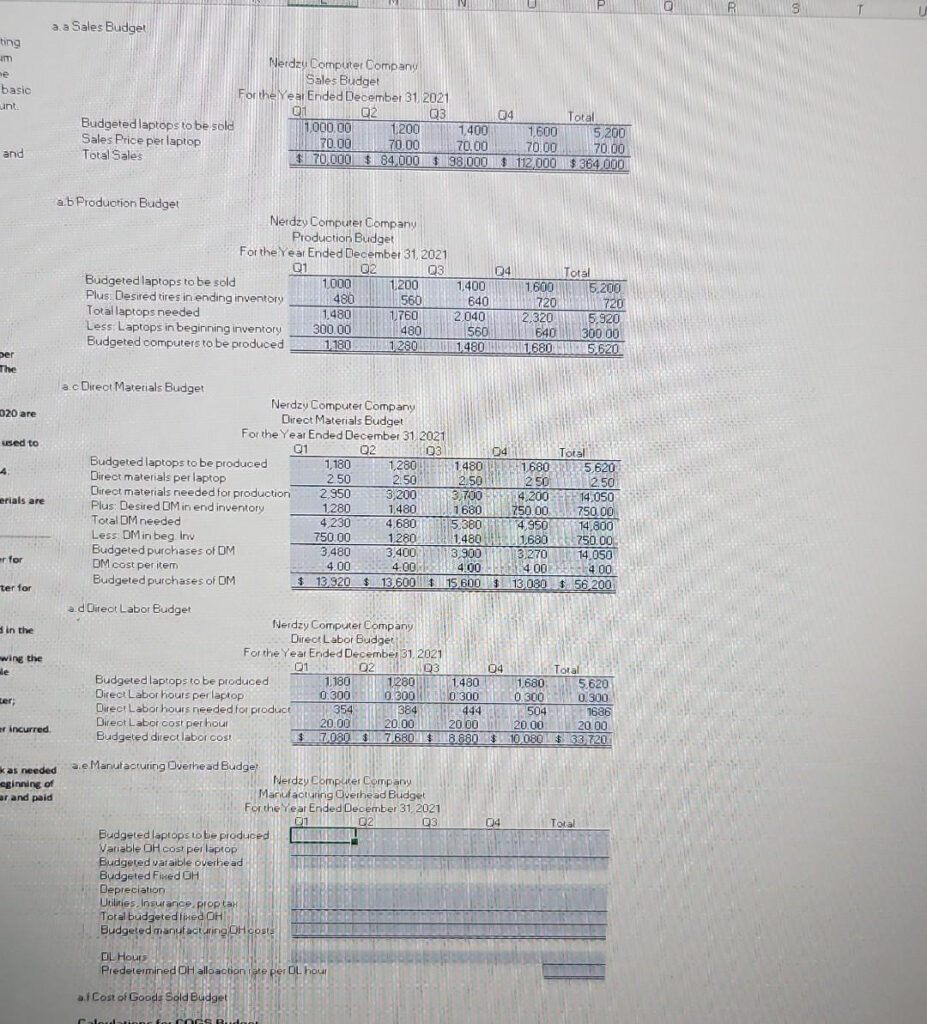
The Acc-202 Budget Variance Student Worksheet is a printable resource that typically spans 8.5 x 11 inches, making it easy to print on standard paper. It provides an organized format that encourages students to calculate and analyze budget variances effectively. The worksheet usually includes sections for budgeted amounts, actual amounts, and variance calculations, allowing students to visualize the differences in a clear and concise manner.
The layout is intentionally designed to guide students through the budgeting process. Each section is labeled clearly, making it accessible for those who may be unfamiliar with financial terminology. This resource is particularly useful for high school or college students studying finance, accounting, or business management. It can be incorporated into lesson plans, homework assignments, or group activities, promoting collaborative learning.
Key Sections of the Worksheet
The Acc-202 Budget Variance Student Worksheet is divided into distinct sections, each serving a specific purpose in the budgeting process:
- Budgeted Amounts: This section allows students to input planned figures for various expenses and revenues. It encourages them to think critically about their budgeting decisions.
- Actual Amounts: Here, students can record the actual figures they encounter. This real-time tracking is key to understanding variances.
- Variance Calculations: This part of the worksheet prompts students to calculate the difference between budgeted and actual amounts. It often includes simple subtraction to determine whether they are over or under budget.
- Analysis Space: Some worksheets may include a section for students to reflect on the reasons behind any variances. This encourages deeper understanding and critical thinking about financial management.
Each section is formatted to facilitate straightforward data entry and calculation, which is vital for students learning to navigate financial statements and reports.
Practical Applications in Learning Environments
Using the Acc-202 Budget Variance Student Worksheet in a classroom or homeschool setting can enhance the learning experience significantly. Here are some practical applications:
- Classroom Activities: Teachers can use the worksheet as part of a hands-on budgeting exercise. Assign students to create a budget for a hypothetical project and then track actual expenses over a designated period.
- Homework Assignments: For homework, students can use the worksheet to monitor their personal expenses against a set budget. This real-life application makes the concept of budget variance relatable and engaging.
- Group Projects: In group settings, students can collaborate to develop a budget for a group event, such as a field trip or school project. They can then use the worksheet to track and analyze their expenses collectively.
By incorporating the worksheet into various activities, educators can reinforce budgeting concepts and develop students’ financial literacy skills.
Importance of Repetition in Learning Budgeting
One of the key benefits of using the Acc-202 Budget Variance Student Worksheet is the emphasis on practice and repetition. Repeatedly working with the worksheet allows students to build confidence and competence in budgeting skills.
- Weekly Practice: Consider using the worksheet weekly to help students track personal finances or manage a classroom budget. This repetition solidifies their understanding of how variances occur and the importance of staying within budget.
- Real-life Scenarios: By simulating real-life budgeting situations, students can learn to anticipate variances and adjust their financial strategies accordingly. This practical application reinforces the theoretical knowledge gained in class.
- Peer Review: Encourage students to review each other’s completed worksheets. This peer feedback can foster discussion about budgeting strategies and alternative approaches to managing variances.
Tips for Printing and Using the Worksheet
When preparing to use the Acc-202 Budget Variance Student Worksheet, consider the following tips to enhance usability:
- Paper Quality: Use standard printer paper for everyday use, but opt for heavier cardstock if the worksheet will be handled frequently or used in a binder. This ensures durability.
- Printer Settings: For best results, set your printer to “portrait” layout, as this format is optimal for the worksheet’s design. This minimizes any formatting issues that can arise with landscape printing.
- Digital Use: If a PDF version is available, consider using it digitally for easier data entry. This can also help avoid printing costs and allows for quick adjustments.
- Laminating: For long-term use, especially in a classroom setting, laminating the worksheet can protect it from wear and tear, allowing for dry-erase markers to be used for repeated calculations.
In summary, the Acc-202 Budget Variance Student Worksheet is a valuable resource for students learning budgeting concepts. Its structured layout and practical application in various learning environments make it an effective tool for building financial literacy. Engaging with this worksheet not only helps students understand the mechanics of budgeting but also prepares them for real-world financial management.