Understanding and managing a budget is crucial for any small business, and the Acc 202 Budget Variance Worksheet Chegg is designed to simplify this process. This worksheet allows users to track budgeted versus actual expenses, helping to identify variances and make informed financial decisions. It’s an essential tool for small-business owners looking to enhance their financial management practices.
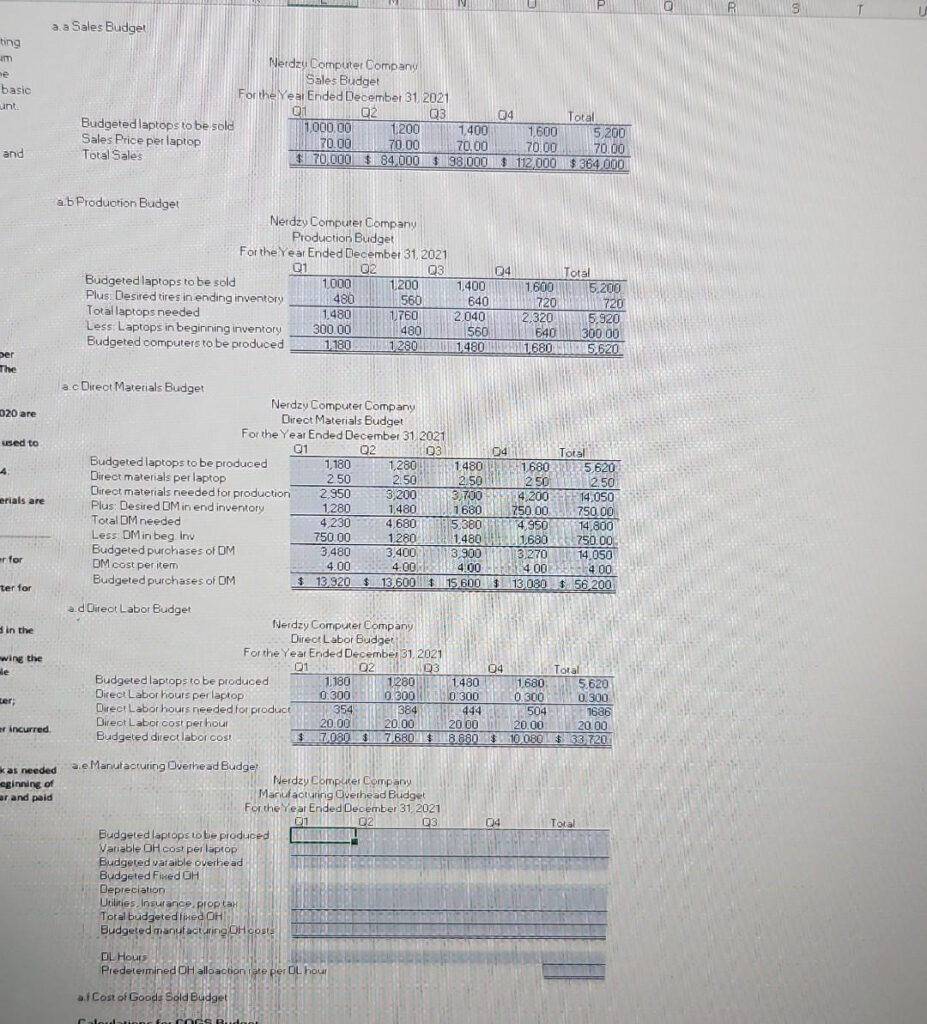
Purpose of the Acc 202 Budget Variance Worksheet
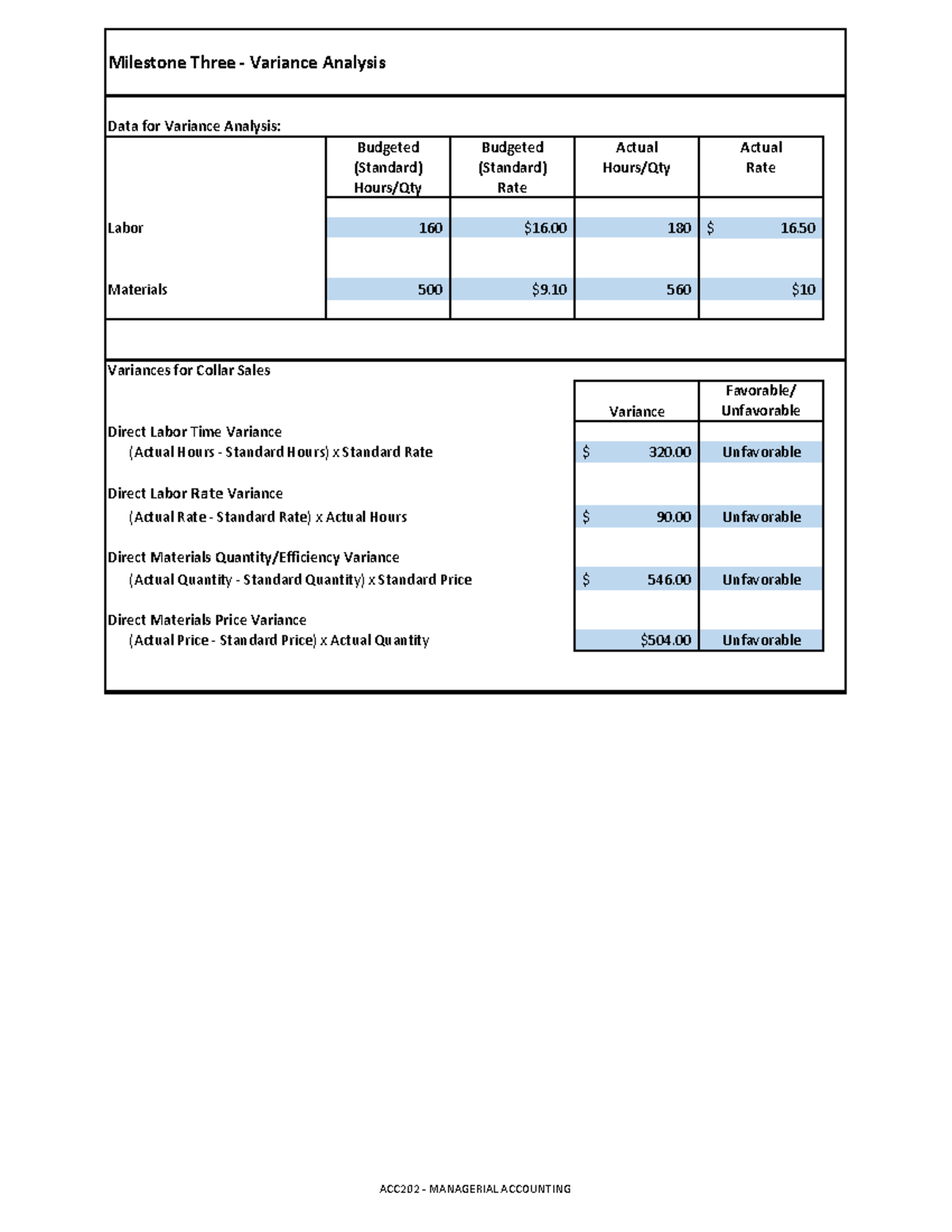
The primary purpose of the Acc 202 Budget Variance Worksheet Chegg is to provide a clear framework for comparing budgeted figures with actual expenditures. This comparison is vital for recognizing discrepancies that can impact a business’s financial health. By using this worksheet, business owners can:
- Monitor financial performance regularly.
- Identify areas where spending exceeds the budget.
- Adjust future budgets based on past performance.
This worksheet is particularly useful for small-business owners who may not have extensive financial training but need to maintain a solid grasp of their finances for better decision-making.
How to Use the Budget Variance Worksheet
Using the Acc 202 Budget Variance Worksheet Chegg is straightforward. Here’s a practical step-by-step guide to help you get started:
- Download the Worksheet: Access the worksheet from Chegg’s website. Ensure you have a PDF reader or a spreadsheet application to open the file.
- Input Budgeted Amounts: Start by entering your budgeted amounts for each category (e.g., marketing, payroll, supplies) in the designated columns. This sets the groundwork for your comparisons.
- Record Actual Expenses: As expenses are incurred, input the actual amounts in the corresponding columns. This could be done weekly or monthly, depending on your business’s needs.
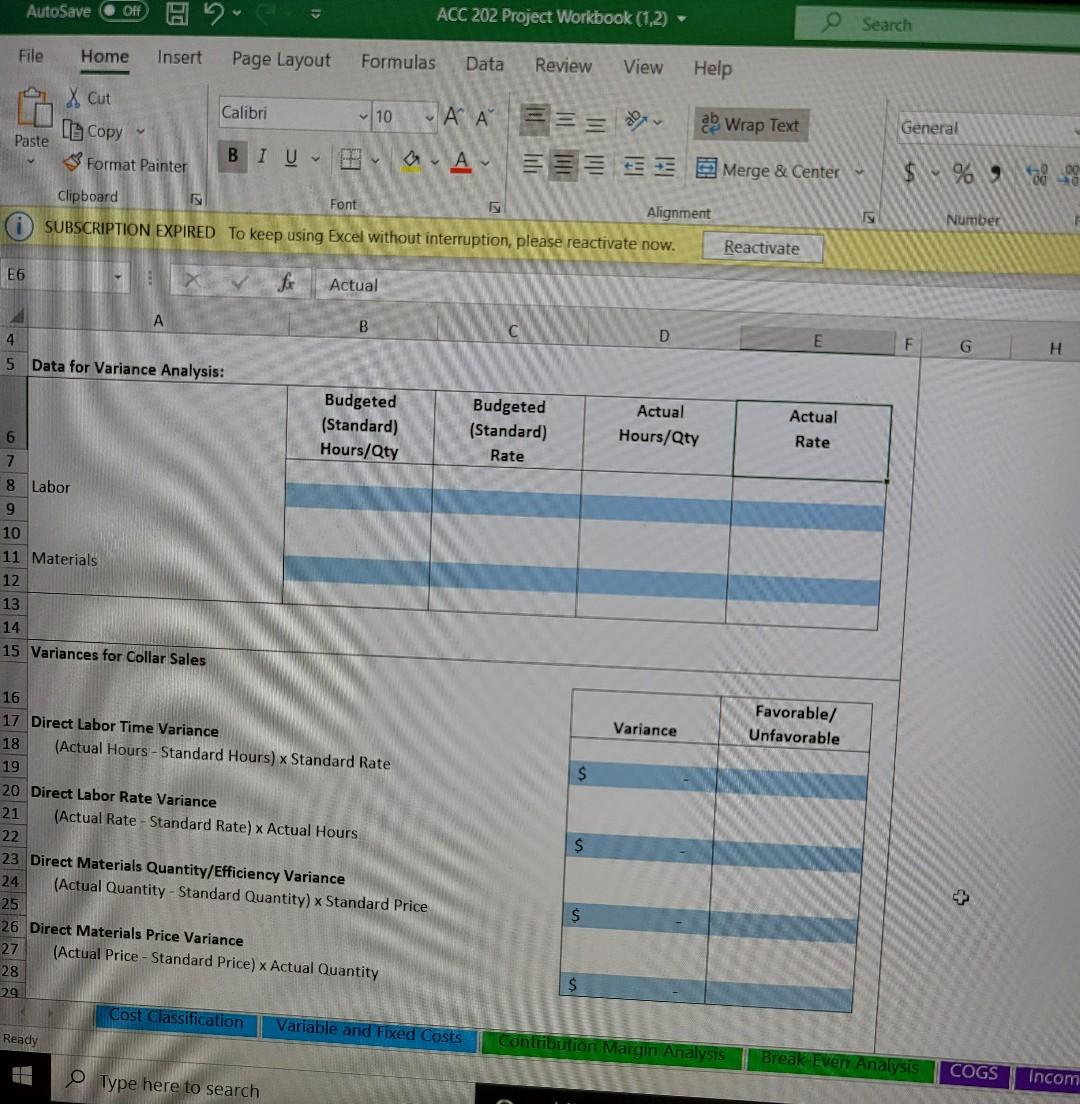
- Calculate Variances: The worksheet will typically include formulas to automatically calculate the variance for each category by subtracting the actual amount from the budgeted amount. This gives you a quick view of where you stand financially.
- Analyze Results: Review the variances to identify trends. Are there categories consistently exceeding the budget? Understanding these patterns can help in adjusting future budgets more accurately.
- Make Adjustments: Use the insights gained from analyzing the variances to adjust your spending or revise your budget for the upcoming period.
By following these steps, you can efficiently utilize the Acc 202 Budget Variance Worksheet Chegg to enhance your financial oversight.
Benefits of Using a Budget Variance Worksheet
The Acc 202 Budget Variance Worksheet Chegg offers several benefits that can significantly impact the financial management of a small business:
- Improved Financial Awareness: Regularly tracking variances helps business owners become more aware of their spending habits and overall financial health.
- Informed Decision-Making: With clear insights into where money is being spent, owners can make informed decisions about potential cuts or investments.
- Enhanced Accountability: Keeping track of budgeted versus actual expenses helps create a culture of accountability within the organization, encouraging staff to adhere to budgets.
- Forward Planning: By analyzing past variances, businesses can better plan for future expenditures, setting more realistic budgets based on historical data.
Tips for Effective Budget Management
While the Acc 202 Budget Variance Worksheet Chegg is a powerful tool, its effectiveness can be maximized with a few additional strategies:
- Regular Reviews: Schedule regular reviews of your budget variance worksheet, whether weekly or monthly. This keeps you on top of your financial situation and allows for timely adjustments.
- Involve Your Team: If you have staff, involve them in the budgeting process. Their insights can provide valuable context for variances and promote a team-oriented approach to financial management.
- Use Technology: Consider integrating the worksheet with software tools that can automate data entry and calculations, reducing manual errors and saving time.
- Stay Flexible: Be willing to adjust your budget as necessary. If certain categories consistently show variances, it may be time to revise your budget to reflect your business’s reality more accurately.
By applying these tips alongside the Acc 202 Budget Variance Worksheet Chegg, small-business owners can enhance their financial management practices and ensure better alignment between their financial goals and actual performance.
Common Mistakes to Avoid
When using the Acc 202 Budget Variance Worksheet, it’s essential to be aware of common pitfalls that can undermine its effectiveness:
- Neglecting Updates: Failing to update the worksheet regularly can lead to outdated information, making it harder to track financial performance accurately.
- Ignoring Small Variances: Small variances can accumulate over time. It’s important to address even minor discrepancies to maintain overall budget integrity.
- Overcomplicating: Keep the budgeting process simple. Avoid adding too many categories or overly complex calculations that can make the worksheet difficult to use.
- Lack of Follow-Up: After analyzing variances, take action. Simply noting discrepancies without making adjustments can lead to repeated issues.
By avoiding these mistakes, small-business owners can ensure they get the most out of the Acc 202 Budget Variance Worksheet Chegg.