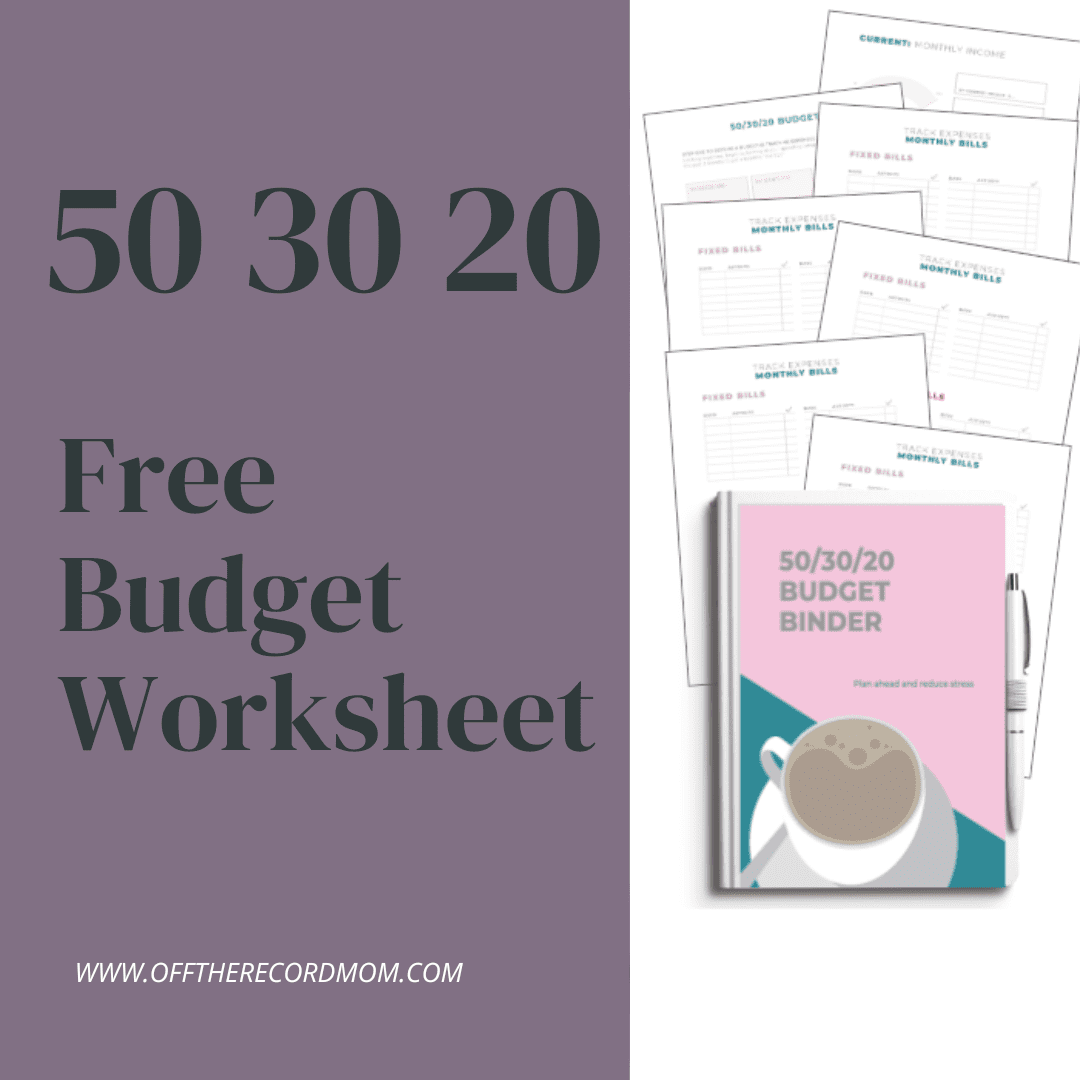
Creating a budget can often feel overwhelming, especially for small business owners juggling multiple financial responsibilities. The 50 20 30 Budget Worksheet Jd Roth simplifies this task by providing a clear framework for allocating your income. This worksheet helps you categorize your spending into needs, wants, and savings, ensuring that you maintain a balanced approach to your finances.
Understanding the 50 20 30 Rule
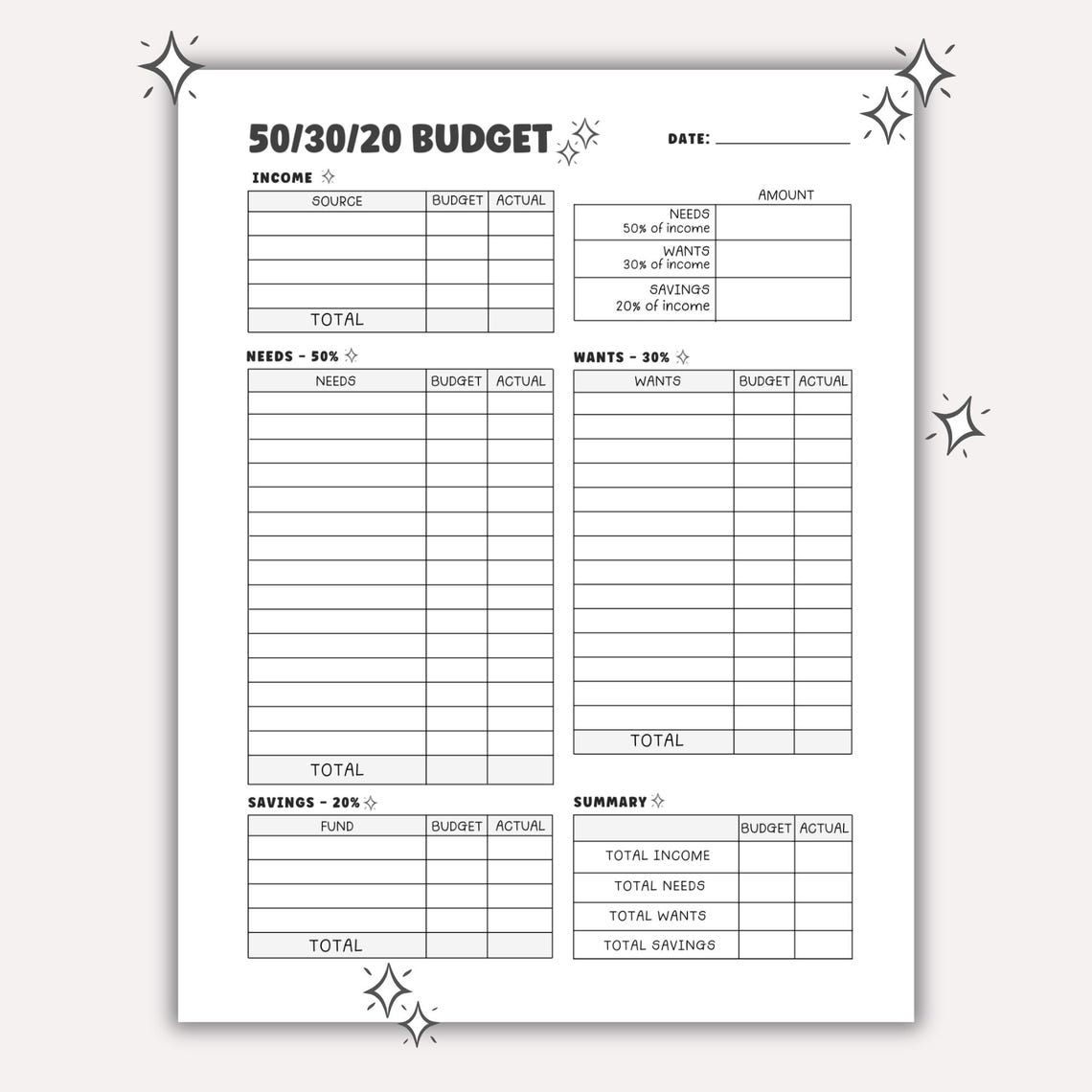
The 50 20 30 rule is a straightforward budgeting technique that divides your after-tax income into three categories:
- 50% for Needs: This includes essential expenses such as housing, utilities, transportation, and groceries. These are the costs you cannot avoid.
- 20% for Savings: This portion is earmarked for savings and debt repayment. It can include contributions to retirement accounts, emergency funds, and paying off loans.
- 30% for Wants: This category encompasses discretionary spending such as dining out, entertainment, and hobbies.
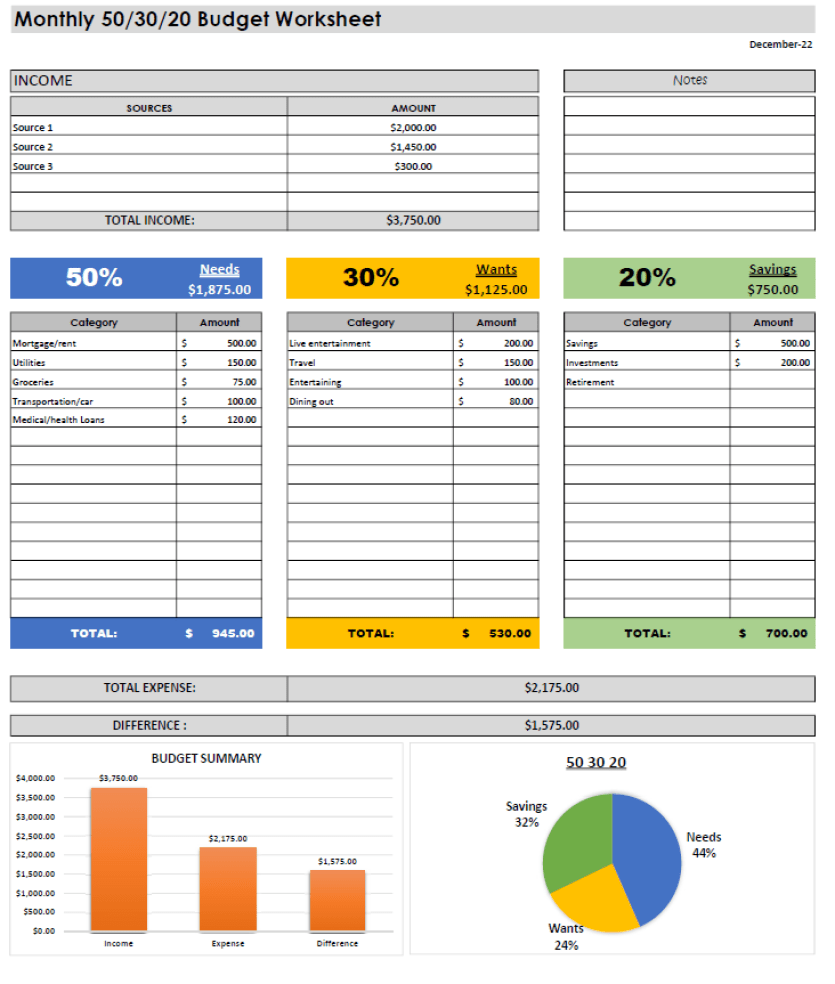
Using the 50 20 30 Budget Worksheet Jd Roth allows you to visualize these categories, making it easier to track where your money goes and adjust as necessary.
Setting Up Your 50 20 30 Budget Worksheet
To get started with the 50 20 30 Budget Worksheet Jd Roth, follow these steps:
- Download the Worksheet: Locate a printable version of the 50 20 30 Budget Worksheet Jd Roth online. Ensure it’s in a user-friendly format like PDF for easy printing.
- Determine Your Income: Calculate your total monthly income after taxes. This figure is the basis for the budget. Include all income sources—salary, side jobs, or any passive income.
- Categorize Your Expenses: Begin filling out the worksheet by listing all your monthly expenses under the appropriate categories.
- Needs: Rent/mortgage, utilities, insurance, groceries, transportation.
- Savings: Emergency fund, retirement contributions, debt payments.
- Wants: Dining out, entertainment, subscriptions.
- Analyze Your Spending: Once your expenses are listed, compare them to the 50 20 30 guideline. Adjust where necessary to ensure that you stay within the recommended percentages.
Tracking Your Progress
Regularly monitoring your spending is crucial to mastering the 50 20 30 Budget Worksheet Jd Roth. Here’s how to keep track:
- Monthly Reviews: At the end of each month, review your expenses against your budget. Identify areas where you overspent or underspent.
- Adjust as Necessary: Life changes, and so do financial situations. Adjust your categories based on your current needs and goals.
- Use Visuals: Consider using charts or graphs alongside your worksheet to visualize your spending patterns. This can help highlight trends over time.
Tips for Effective Budgeting
Implementing the 50 20 30 Budget Worksheet Jd Roth successfully requires discipline and strategy. Here are some tips to enhance your budgeting experience:
- Prioritize Needs: Always ensure that your needs are fully funded before allocating to wants.
- Automate Savings: Set up automatic transfers to your savings account to ensure you consistently save 20% of your income.
- Limit Discretionary Spending: Be mindful of how much you allocate to wants. It’s easy to overspend in this category, so consider setting limits or using cash for discretionary purchases.
Common Challenges and Solutions
While using the 50 20 30 Budget Worksheet Jd Roth can simplify budgeting, some challenges may arise. Here are common issues and how to address them:
- Unexpected Expenses: Life is unpredictable. Prepare for unexpected costs by building a buffer into your needs category.
- Inconsistent Income: For those with variable income, estimate your average monthly earnings over several months and budget accordingly. Adjust your savings and wants categories during lean months.
- Staying Motivated: Budgeting can feel tedious. Set financial goals, like saving for a vacation or a new gadget, to keep your motivation high.
By following the steps outlined above and utilizing the 50 20 30 Budget Worksheet Jd Roth, small business owners can gain a clearer understanding of their financial health. Implementing this structured approach not only promotes better spending habits but also cultivates a sense of financial security.
As a final tip, remember to revisit your budget regularly. Adjusting it to reflect your current situation will help you stay on track and achieve your financial goals.