Understanding your budget is crucial to achieving financial stability, and the 50 30 20 Budget Plan Worksheet offers a straightforward method to organize your finances. This resource stands out because it breaks down your income into three simple categories: needs, wants, and savings. By utilizing this worksheet, you can gain clarity on your spending habits and make informed decisions about your finances.
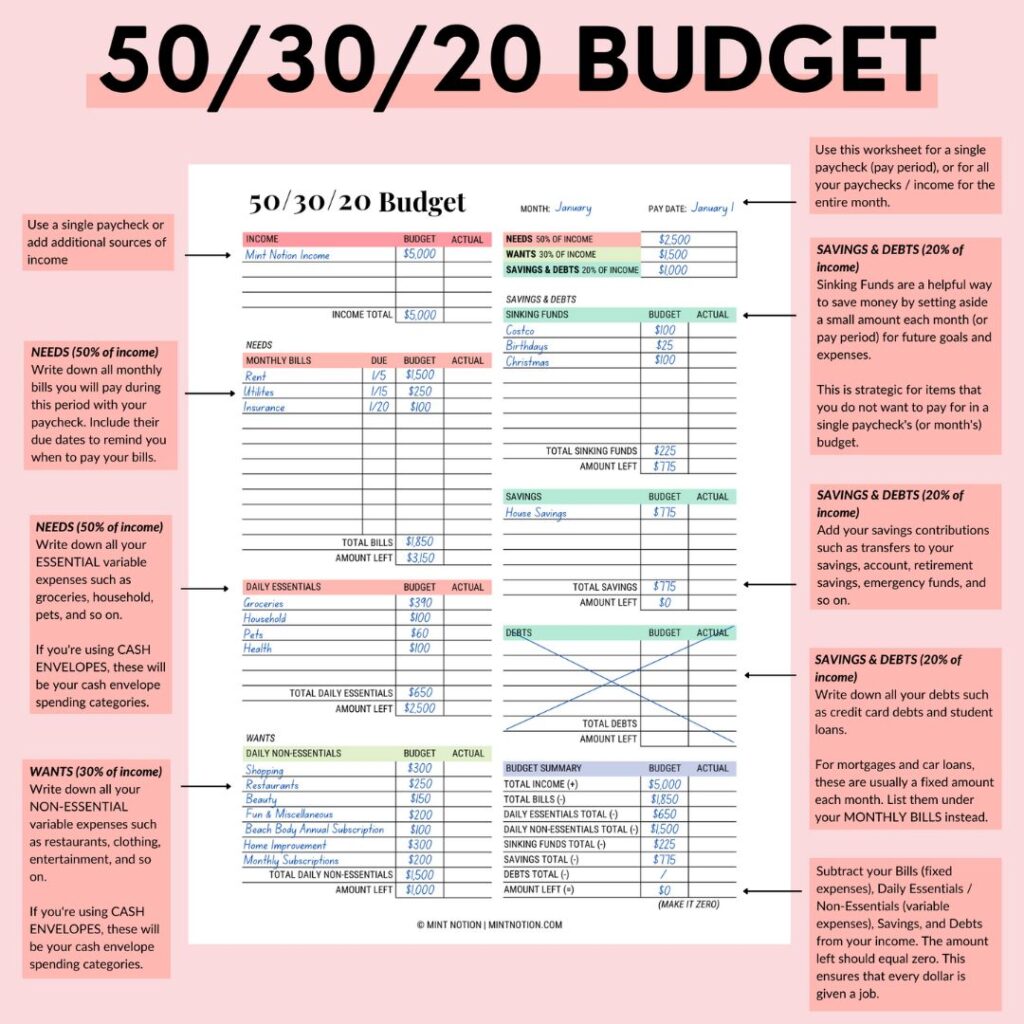
What Is the 50 30 20 Budget Plan?
The 50 30 20 budget plan is a popular budgeting strategy that divides your after-tax income into three segments:
- 50% for Needs: This includes essential expenses such as housing, utilities, groceries, and healthcare. These are non-negotiable costs that you must cover to maintain your living standards.
- 30% for Wants: This portion is allocated for discretionary spending, like dining out, entertainment, and vacations. These expenses are not essential but enhance your lifestyle.
- 20% for Savings and Debt Repayment: This category focuses on building your savings, investing, or paying down debt. It’s crucial for long-term financial health.
Using a 50 30 20 Budget Plan Worksheet allows you to visually see how your income is divided and helps you stay on track.
Layout of the Worksheet
When you open the 50 30 20 Budget Plan Worksheet, you’ll notice a clean, organized layout designed for easy use. The worksheet typically includes sections for recording your total income, along with designated spaces for each of the three budget categories.
Key Sections to Note:
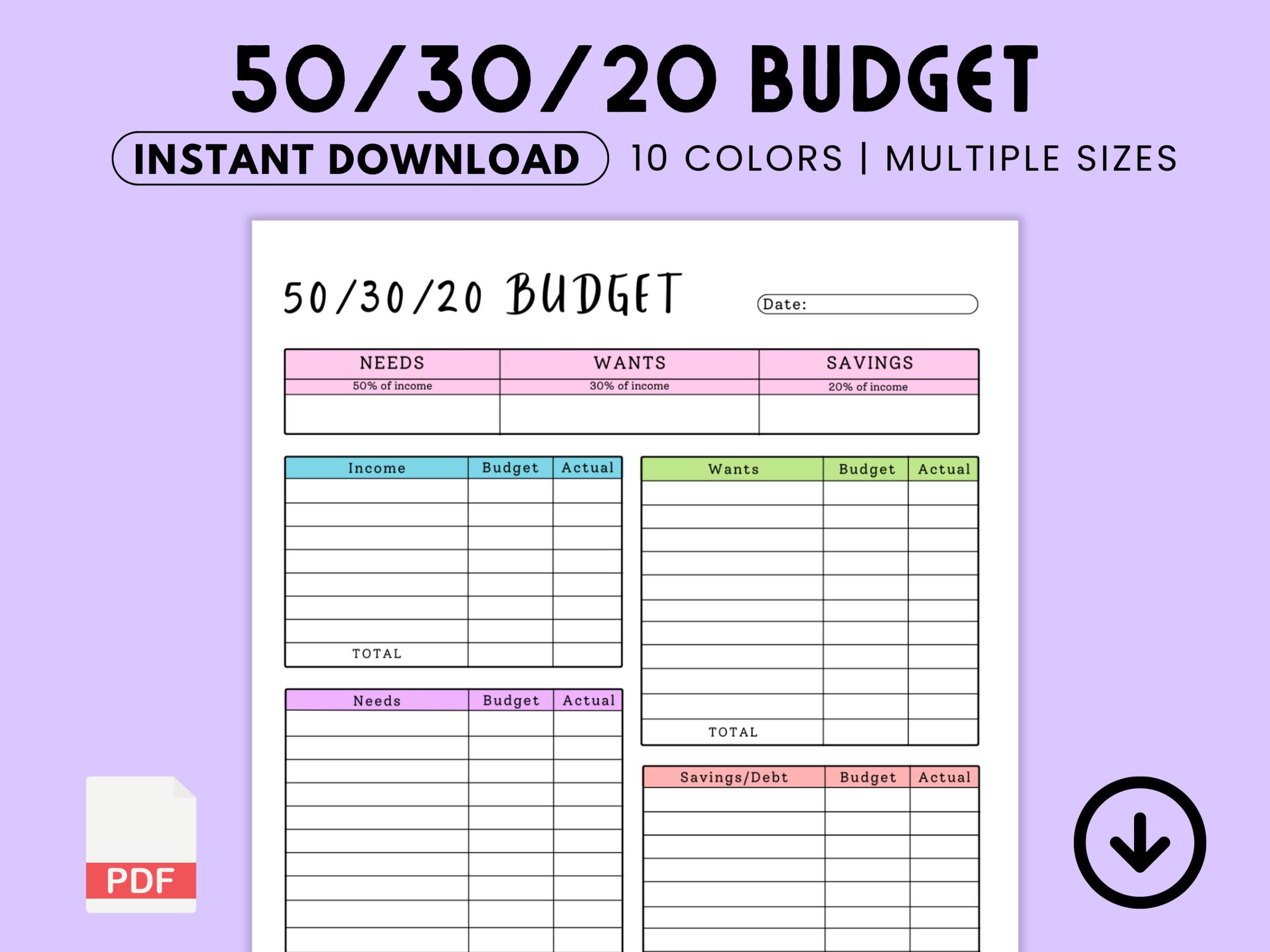
- Income Section: Start by filling in your total after-tax income. This serves as the foundation for your budget.
- Needs Section: Here, you’ll list all essential expenses. This could include rent or mortgage, utilities, groceries, insurance, and transportation costs. It’s essential to be accurate and thorough in this section.
- Wants Section: In this area, jot down your discretionary expenses. Think about dining out, hobbies, subscriptions, and other non-essential items. This section often reveals spending habits you may want to adjust.
- Savings and Debt Section: Finally, allocate funds for savings and debt repayment. This could include contributions to retirement accounts, emergency funds, or paying off credit card debt.
How to Use the Worksheet Effectively
Using the 50 30 20 Budget Plan Worksheet effectively requires some thought and discipline, but it pays off. Here’s a step-by-step guide to get you started:
- Gather Your Financial Information: Before you begin, collect all relevant financial documents. This includes pay stubs, bills, and bank statements.
- Fill in Your Income: Write down your total monthly income after taxes. Be sure to include any side income or additional earnings.
- List Your Needs: Go through your expenses and categorize them as needs. Be realistic about what constitutes a need versus a want.
- Identify Your Wants: Reflect on your lifestyle and note down your discretionary spending. This can be a real eye-opener and help you see where you may want to cut back.
- Allocate Savings and Debt Payments: Decide how much you want to save and how much to direct towards debt repayment. Aim for at least 20% of your income.
- Review and Adjust Regularly: After filling out the worksheet, review it monthly. Adjust as needed based on changes in income or expenses.
Checking Your Progress
Monitoring your budget is essential to ensure that the 50 30 20 Budget Plan is working for you. Review your worksheet regularly to check if you’re adhering to your budget goals. Here are some tips for assessing your progress:
- Monthly Review: At the end of each month, compare your actual spending to your budgeted amounts. Are you staying within the 50-30-20 guidelines?
- Adjust as Necessary: If you find that you consistently overspend in one category, consider adjusting your budget. Maybe you need to allocate more towards savings or cut back on discretionary spending.
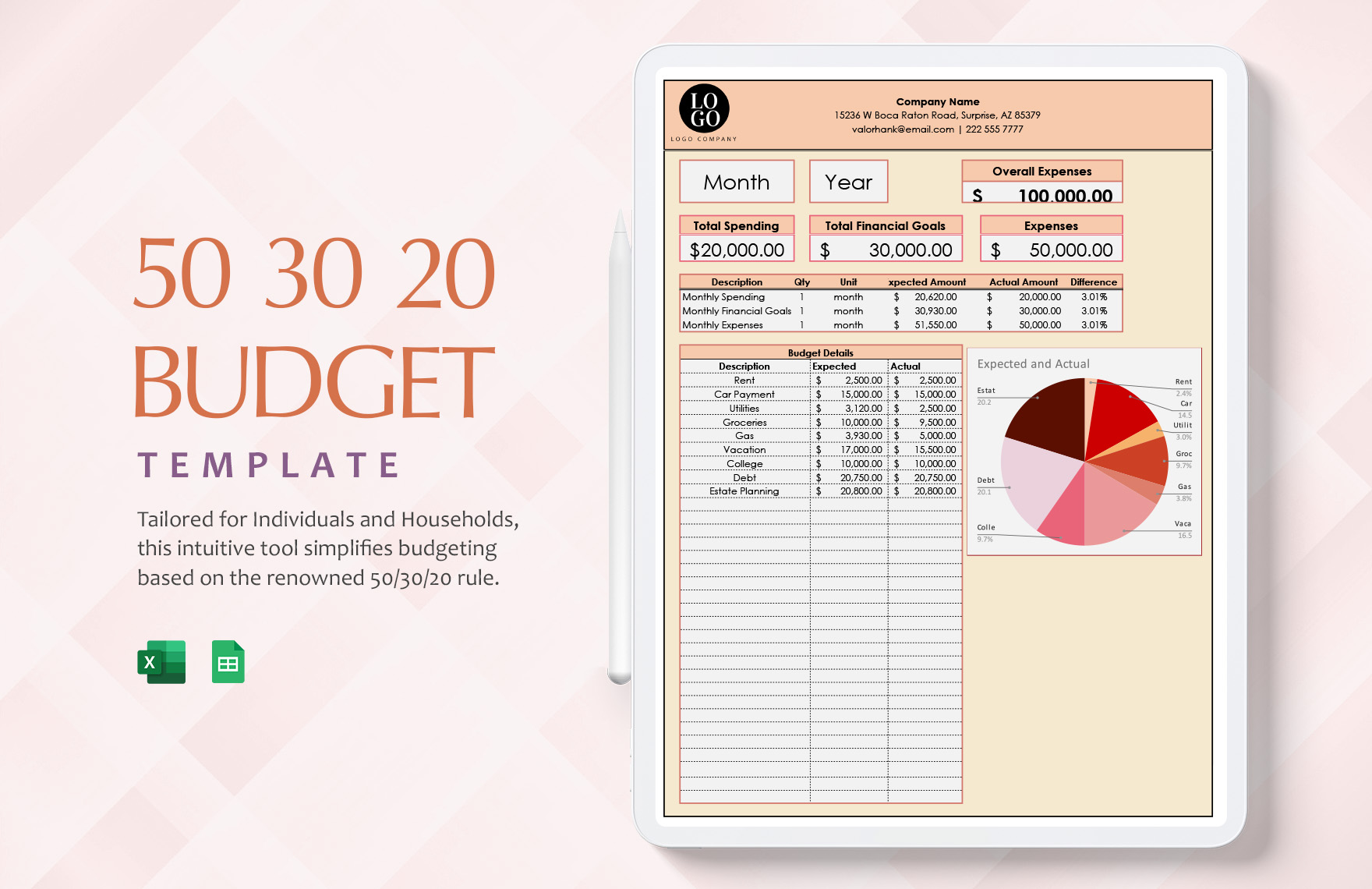
- Visual Tracking: Consider using charts or graphs to visualize your spending. This can provide a quick overview of your financial health.
Practical Uses of the Worksheet
The 50 30 20 Budget Plan Worksheet is versatile and can be used in various settings:
- Personal Use: It’s perfect for individuals or families looking to get a handle on their finances at home.
- Classroom or Homeschool: If you’re teaching financial literacy, this worksheet can serve as a practical tool for students learning about budgeting.
- Counseling and Workshops: Financial advisors can use the worksheet in workshops to help clients understand budgeting principles.