Managing a budget is a crucial skill for students, helping them to track expenses and allocate resources wisely. The 3 4 The Student Budget Worksheet Answers is an invaluable tool designed to assist students in understanding their financial situation and making informed decisions. This resource provides a structured format for students to record their income, expenses, and savings goals.
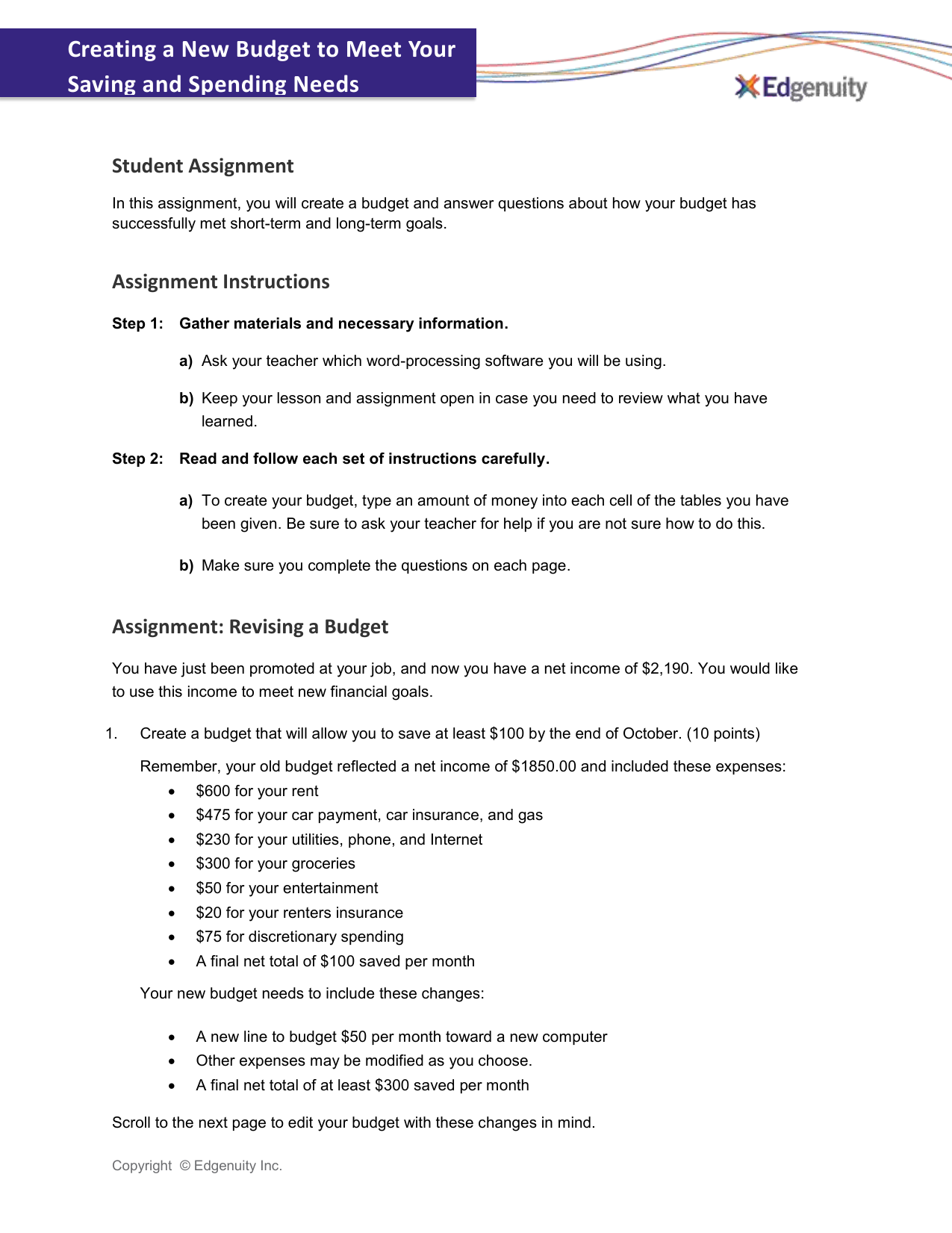
Understanding the Purpose of the Student Budget Worksheet
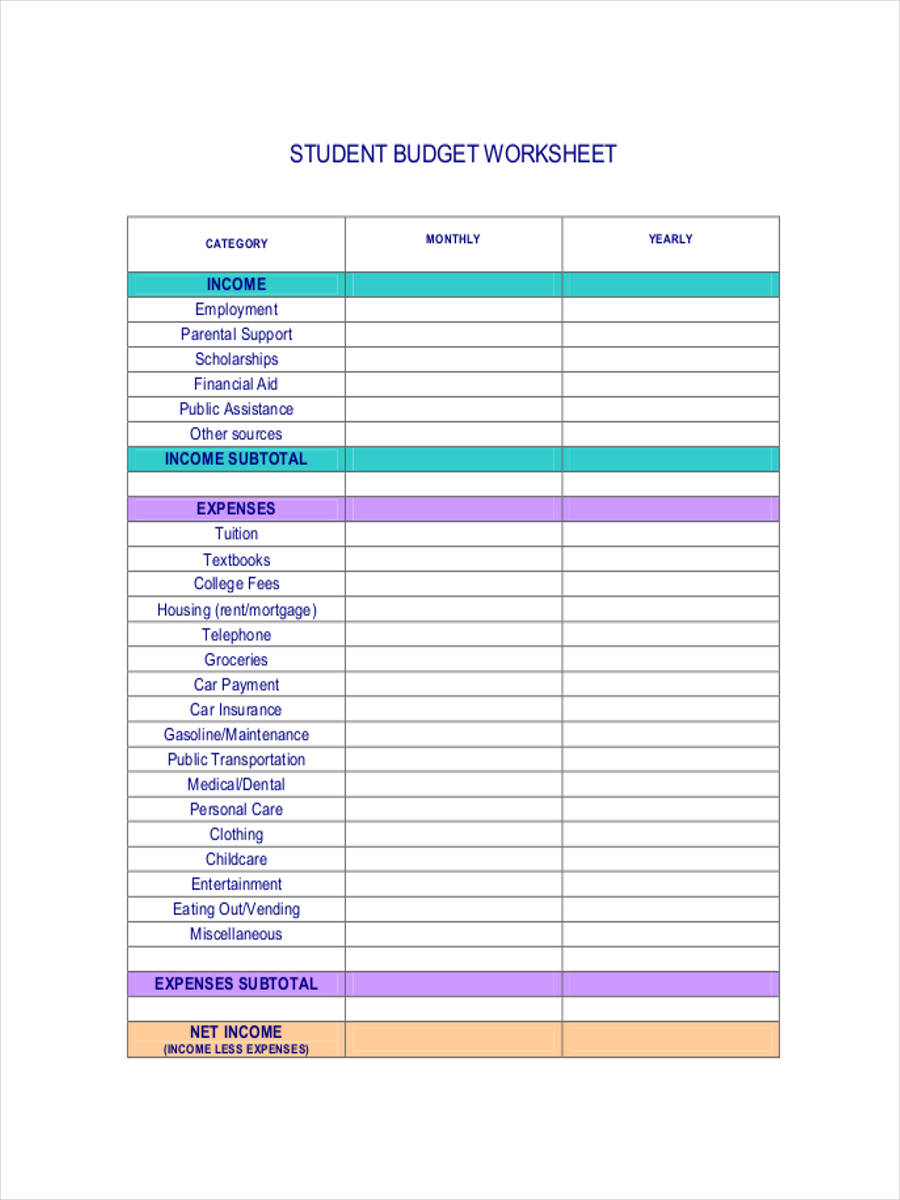
The primary aim of the Student Budget Worksheet is to simplify the budgeting process for young adults, especially those who are new to managing their finances. By using this worksheet, students can visualize their financial landscape, making it easier to identify areas where they can cut costs or save money.
This worksheet typically includes sections for various categories of expenses, such as housing, food, transportation, and entertainment. Understanding these categories is essential as they represent the typical spending patterns of students. When students see where their money is going, they can make necessary adjustments to ensure they live within their means.
How to Effectively Use the Student Budget Worksheet
Using the 3 4 The Student Budget Worksheet Answers is straightforward. Here’s a step-by-step guide on how to maximize its effectiveness:
- Gather Financial Information: Before starting, collect all relevant financial information, including income sources (like part-time jobs, allowances, or scholarships) and fixed and variable expenses.
- Fill Out Income Section: Begin by entering all sources of income on the worksheet. This could include part-time job earnings, stipends, or any other financial support.
- List Your Expenses: Break down your expenses into fixed (rent, tuition) and variable (food, entertainment). This breakdown helps in understanding which expenses are essential and which can be adjusted.
- Calculate Total Income and Expenses: Sum up the income and expenses. This step is crucial for identifying whether you are living within your means.
- Analyze the Results: If expenses exceed income, review the variable expenses. Look for areas where spending can be reduced, such as dining out or entertainment.
- Set Savings Goals: Allocate a portion of your income towards savings. This could be for emergencies, future purchases, or further education. Setting clear savings goals can motivate students to stick to their budgets.
- Review Regularly: Financial situations can change, so it’s important to revisit and update the worksheet regularly. This habit ensures that students remain aware of their financial standing and can adjust as necessary.
Common Challenges in Budgeting and How to Overcome Them
While budgeting is vital, students often face challenges that can hinder their ability to manage finances effectively. Here are some common issues and practical solutions:
- Impulse Spending: It’s easy to overspend on non-essentials, especially in social situations. To combat this, students can set a specific budget for discretionary spending and stick to it.
- Lack of Financial Knowledge: Many students may not understand how to budget effectively. Utilizing resources like the Student Budget Worksheet can provide a solid foundation. Additionally, seeking advice from financial literacy programs can enhance their understanding.
- Inconsistent Income: Students with part-time jobs may experience fluctuating income. Keeping a conservative budget that accounts for lower income periods can provide a buffer.
- Overlooking Small Expenses: Small purchases can add up quickly. Keeping track of every expense, no matter how minor, can help students gain a clearer picture of their spending habits.
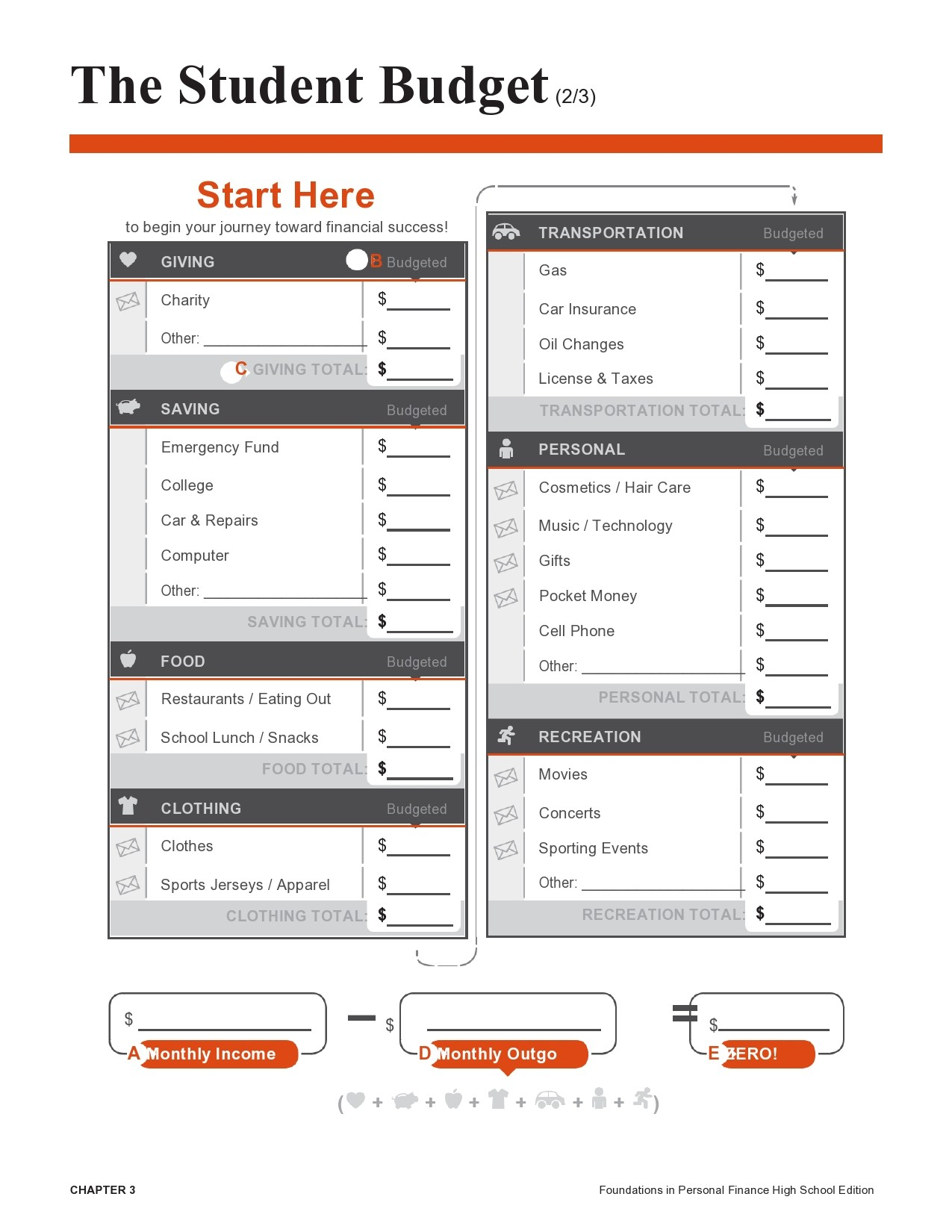
Integrating the Worksheet Into Daily Life
To make the most of the 3 4 The Student Budget Worksheet Answers, it’s beneficial to integrate it into daily routines. Here are some suggestions:
- Weekly Check-ins: Set aside time each week to review the budget. This regular check-in helps to stay on top of spending and adjust as needed.
- Use Technology: Consider utilizing budgeting apps alongside the worksheet. Many apps can track expenses in real-time, complementing the budgeting process.
- Engage with Peers: Form a study group or discussion group focused on budgeting. Sharing tips and experiences with peers can provide new insights and motivation.
- Visual Reminders: Use charts or graphs based on the worksheet to visualize progress towards savings goals. This can serve as a motivational tool.