A 12 Month Household Budget Worksheet is an invaluable tool for managing personal finances, allowing users to visualize their income and expenditures over the course of a year. This worksheet typically comes in a user-friendly format, making it easy to track various financial aspects, from monthly bills to discretionary spending. By using this resource, you can gain better control over your financial situation, identify areas for improvement, and work toward your savings goals.
Understanding the Layout of the Worksheet
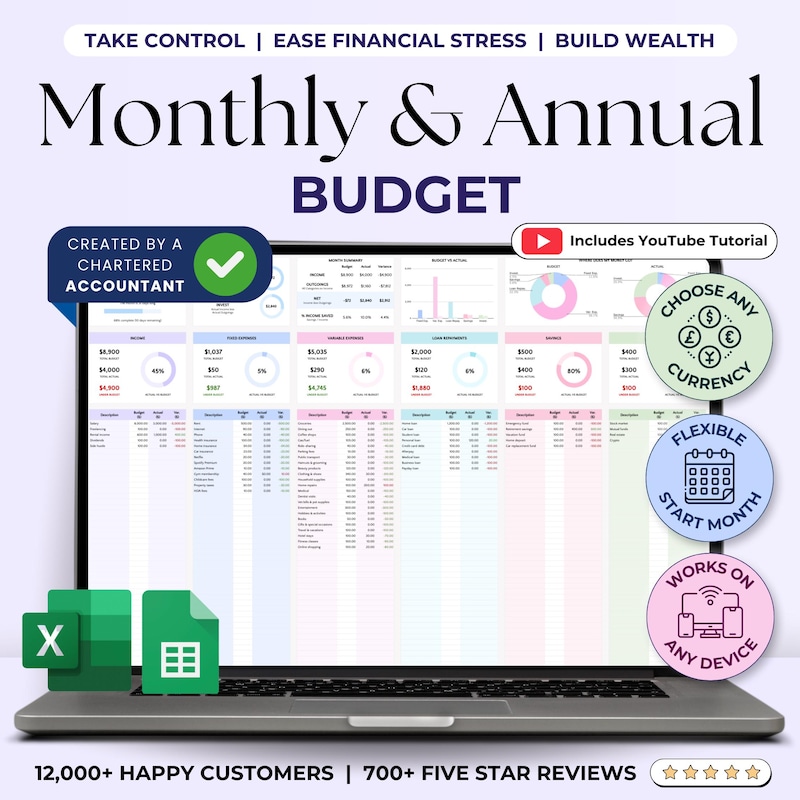
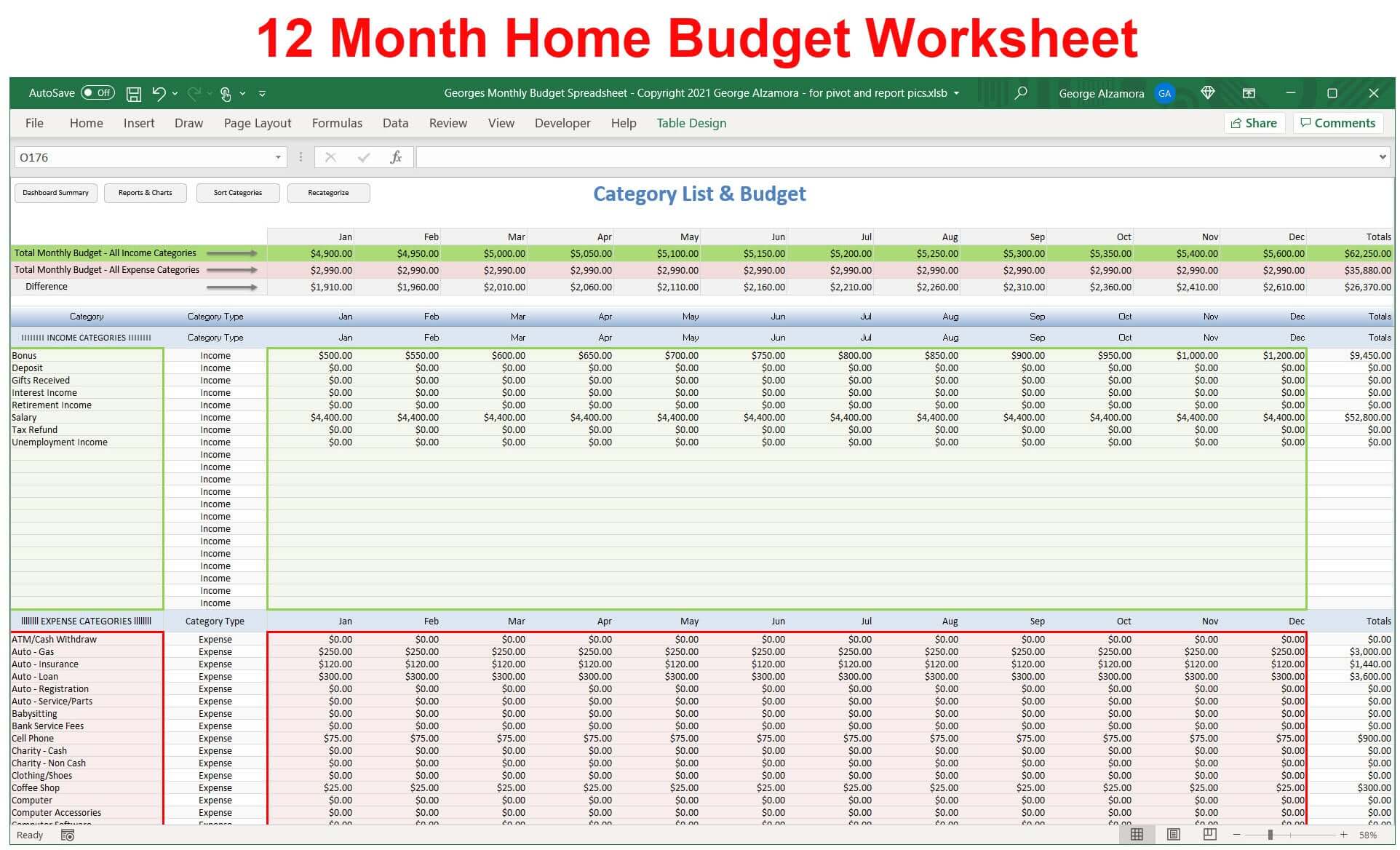
The layout of a 12 Month Household Budget Worksheet is designed for clarity and ease of use. Most worksheets are organized into sections that represent each month, often in a vertical format that allows for straightforward comparisons. Each month usually features the following columns:
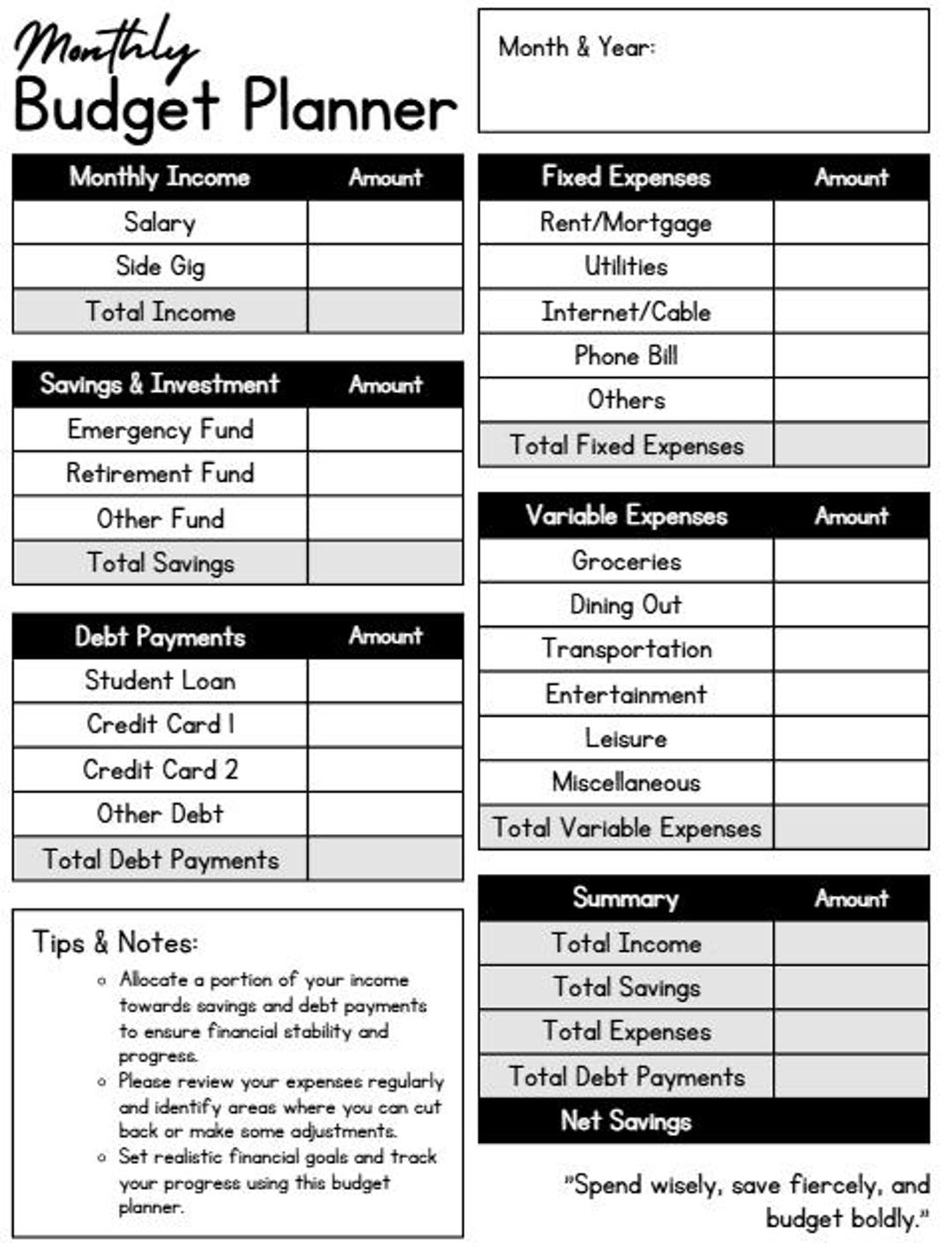
- Income Sources: A section to list all income streams, such as salaries, bonuses, or rental income.
- Fixed Expenses: This includes rent or mortgage payments, utilities, insurance, and any other regular bills.
- Variable Expenses: Here, you can track costs that fluctuate, like groceries, entertainment, and dining out.
- Savings and Investments: A space to allocate funds for savings accounts, retirement contributions, or other investments.
- Total: At the end of each month, there’s typically a row to calculate total income, total expenses, and the resulting net income or deficit.
This structured approach helps users see at a glance where their money is going and how much they have left over each month.
Features to Look for in a Budget Worksheet
When choosing a 12 Month Household Budget Worksheet, consider the following features that can enhance your budgeting experience:
- Printable Format: A worksheet that is easily printable allows for hands-on interaction. You can fill it out by hand, which some find more engaging than digital input.
- Clear Design: Look for a worksheet with a clean, uncluttered design. A good budget worksheet should be visually appealing and easy to read. Avoid overly complicated designs that may hinder easy understanding.
- Customizable Sections: Some worksheets offer blank sections where you can add personal categories that suit your lifestyle, such as pet expenses or gym memberships.
- Monthly Summaries: A summary section at the end of each month can help you quickly assess your financial health. This summary typically includes total income, total expenses, and the balance.
These features can significantly improve how effectively you manage your household finances, making your budgeting process more personalized and efficient.
Practical Uses for the Worksheet
The 12 Month Household Budget Worksheet is not just for individuals; it can also be beneficial for families and small-business owners. Here are some practical uses:
- Monthly Family Meetings: Use the worksheet during monthly family meetings to discuss finances openly. This encourages everyone to be involved in budgeting and helps children understand the value of money.
- Expense Tracking: For small business owners, this worksheet can be adapted to track business expenses alongside personal ones. This dual-use approach can simplify financial management, especially during tax season.
- Goal Setting: You can set specific financial goals, like saving for a vacation or paying off debt, and use the worksheet to track your progress month by month. Each month can reflect how close you are to achieving these goals.
Integrating this worksheet into your routine can turn budgeting from a chore into a proactive financial strategy.
Tips for Effective Budgeting
To make the most out of your 12 Month Household Budget Worksheet, consider these practical budgeting tips:
- Be Realistic: When filling out your income and expenses, be honest about your spending habits. Overestimating income or underestimating expenses can lead to budgeting failures.
- Update Regularly: Regularly update your worksheet, preferably weekly or monthly. This keeps your budget relevant and reflective of your current financial situation.
- Use Color Coding: If you’re using a printed version, color coding different expense categories can make it easier to visualize spending patterns. For example, use green for income, red for fixed expenses, and yellow for variable expenses.
- Review and Adjust: At the end of each month, review your worksheet to identify trends and adjust your budget for the following month. This practice helps you become more responsive to changing financial circumstances.
Implementing these tips will enhance your budgeting efforts and provide a clearer picture of your financial health.
The 12 Month Household Budget Worksheet is typically available in PDF format, making it easy to download and print. This format ensures that you can access the worksheet at any time, regardless of your device. For optimal printing, using standard letter-sized paper (8.5 x 11 inches) is recommended, as this is the most common size for home printers.
Having a structured and clear worksheet at your disposal can empower you to take control of your financial situation and work towards your monetary goals efficiently.