Creating a budget can be daunting, especially when you’re trying to keep track of income and expenses over an entire year. A 12 Month Cash Flow Budget Worksheet can simplify this process significantly. This resource helps you visualize your financial situation, plan for upcoming expenses, and ensure you’re on track to meet your financial goals. Here’s how to effectively use this worksheet to manage your cash flow.
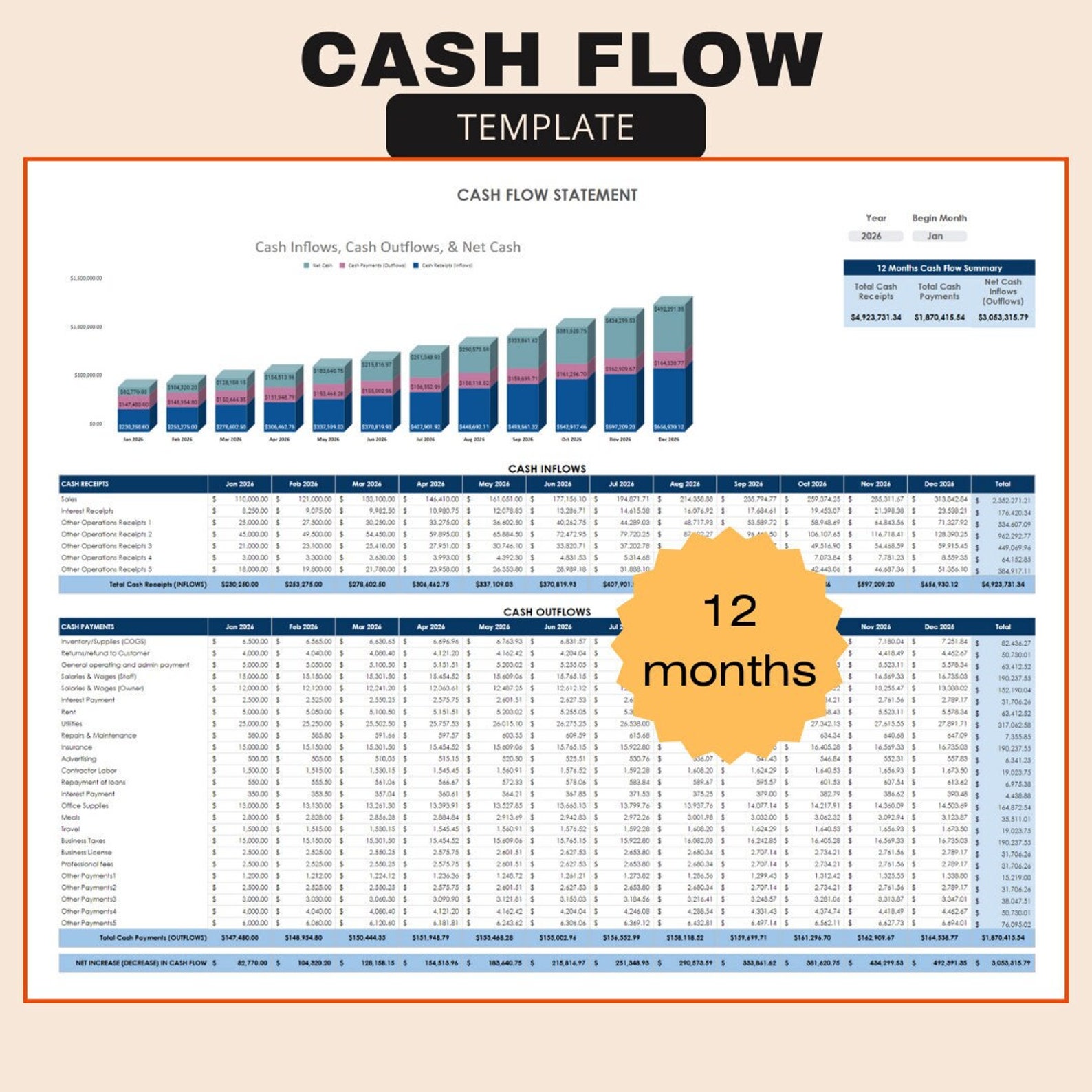
Understanding the Cash Flow Budget Worksheet
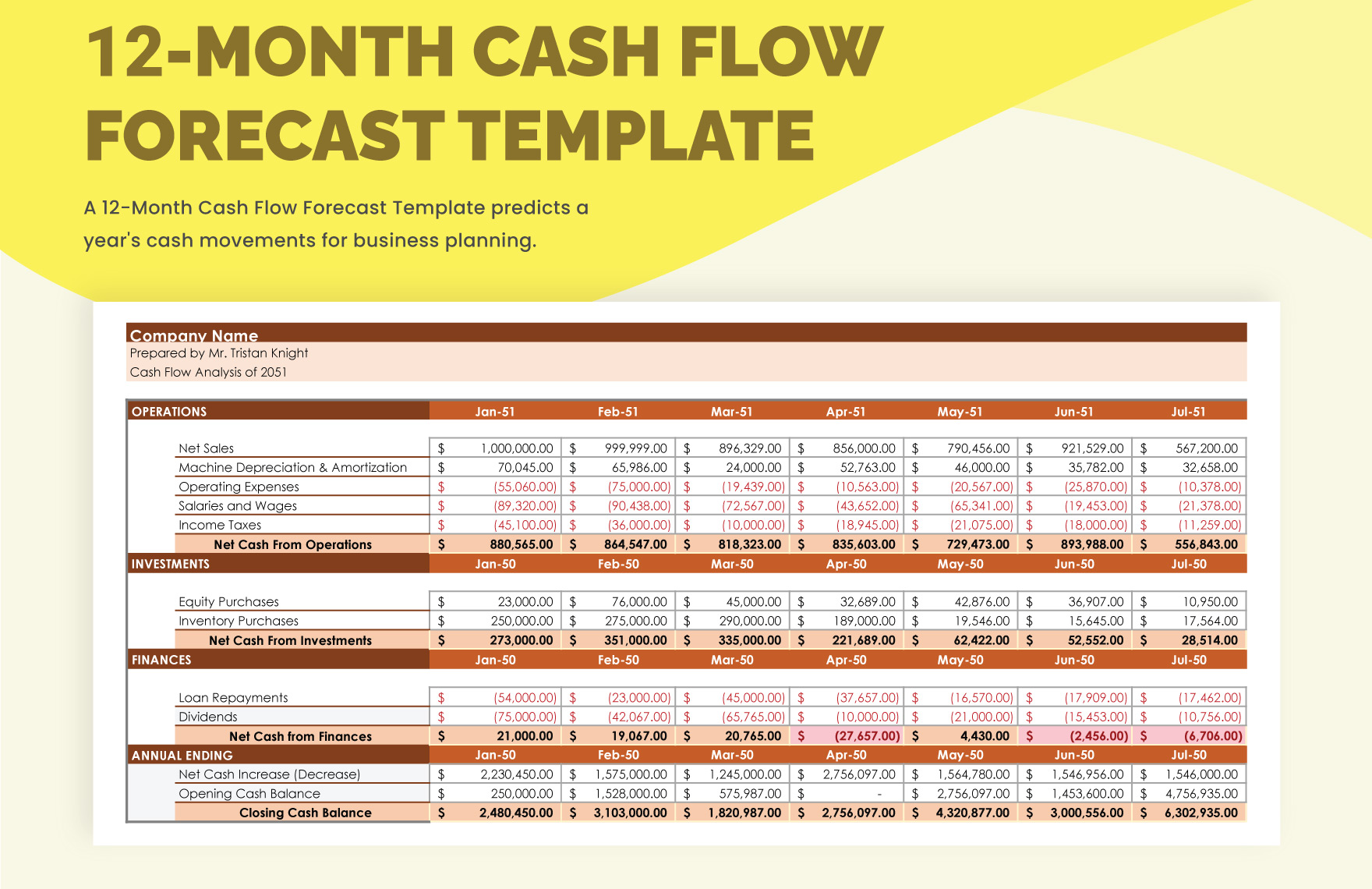
A cash flow budget worksheet is a tool that allows you to record your monthly income and expenses. It helps you see where your money goes and how much you have left after all expenses are accounted for. The 12 Month Cash Flow Budget Worksheet is designed for year-long planning, providing a comprehensive view of your finances.
This worksheet typically includes sections for recording:
- Monthly income sources (salary, side jobs, etc.)
- Fixed expenses (rent, utilities, loan payments)
- Variable expenses (groceries, entertainment, dining out)
- Savings goals and investments
By categorizing your finances, you can identify areas for improvement and adjust your spending habits accordingly.
How to Download and Print Your Worksheet
Getting started with your 12 Month Cash Flow Budget Worksheet is easy. Here’s a step-by-step guide:
- Choose Your Format: Most worksheets are available in PDF or Excel formats. PDF is ideal for printing, while Excel may offer more flexibility for calculations.
- Download the Worksheet: Click the download link on the resource page. Make sure to save it in a location that’s easy to find.
- Print the Worksheet: If you’re using a PDF, open it in your reader and select the print option. Set your printer to portrait mode, which typically works best for worksheets. For an Excel file, adjust the print settings to fit your paper size, usually A4 or letter size.
- Prepare Your Workspace: Find a clean, quiet space to work on your budget. Gather any necessary documents, such as pay stubs, bills, and bank statements.
Setting Up Your Cash Flow Budget
Now that you have your worksheet ready, it’s time to fill it out. Here’s how to do it effectively:
- List Your Income: Start by recording all sources of income for each month. Include your primary job, any freelance work, or passive income streams. Be realistic about what you expect to earn each month.
- Identify Fixed Expenses: Write down all fixed expenses that recur monthly. This includes rent or mortgage, insurance, and loan payments. These amounts typically don’t change, making them easier to calculate.
- Estimate Variable Expenses: Next, estimate your variable expenses. These can fluctuate month-to-month, so review your previous spending to make an informed estimate. Categories might include groceries, entertainment, and clothing.
- Plan for Savings and Investments: Don’t forget to allocate funds for savings. Whether it’s for an emergency fund, a vacation, or retirement, set aside a specific amount each month.
- Total Your Income and Expenses: At the end of each month, total your income and expenses. This will help you see if you’re overspending or if you have surplus funds to allocate elsewhere.
Tracking Your Progress Throughout the Year
Using the 12 Month Cash Flow Budget Worksheet is not just a one-time task. It’s essential to track your progress regularly. Here’s how to stay on top of your budget:
- Monthly Reviews: At the end of each month, review your totals. Compare your estimated expenses to actual spending. This will help you identify any discrepancies and adjust your budget as needed.
- Adjust as Necessary: Life happens, which means your budget might need adjustments. If you find you consistently overspend in a category, consider reallocating funds from another area or reducing your spending.
- Celebrate Small Wins: As you hit your financial goals, take a moment to celebrate. This could mean treating yourself to something small or simply acknowledging your hard work in managing your finances.
- Revisit Your Goals: Every few months, reassess your financial goals. Are you on track with your savings? Do you need to adjust your spending habits? This is a great time to reflect on your long-term financial plans.
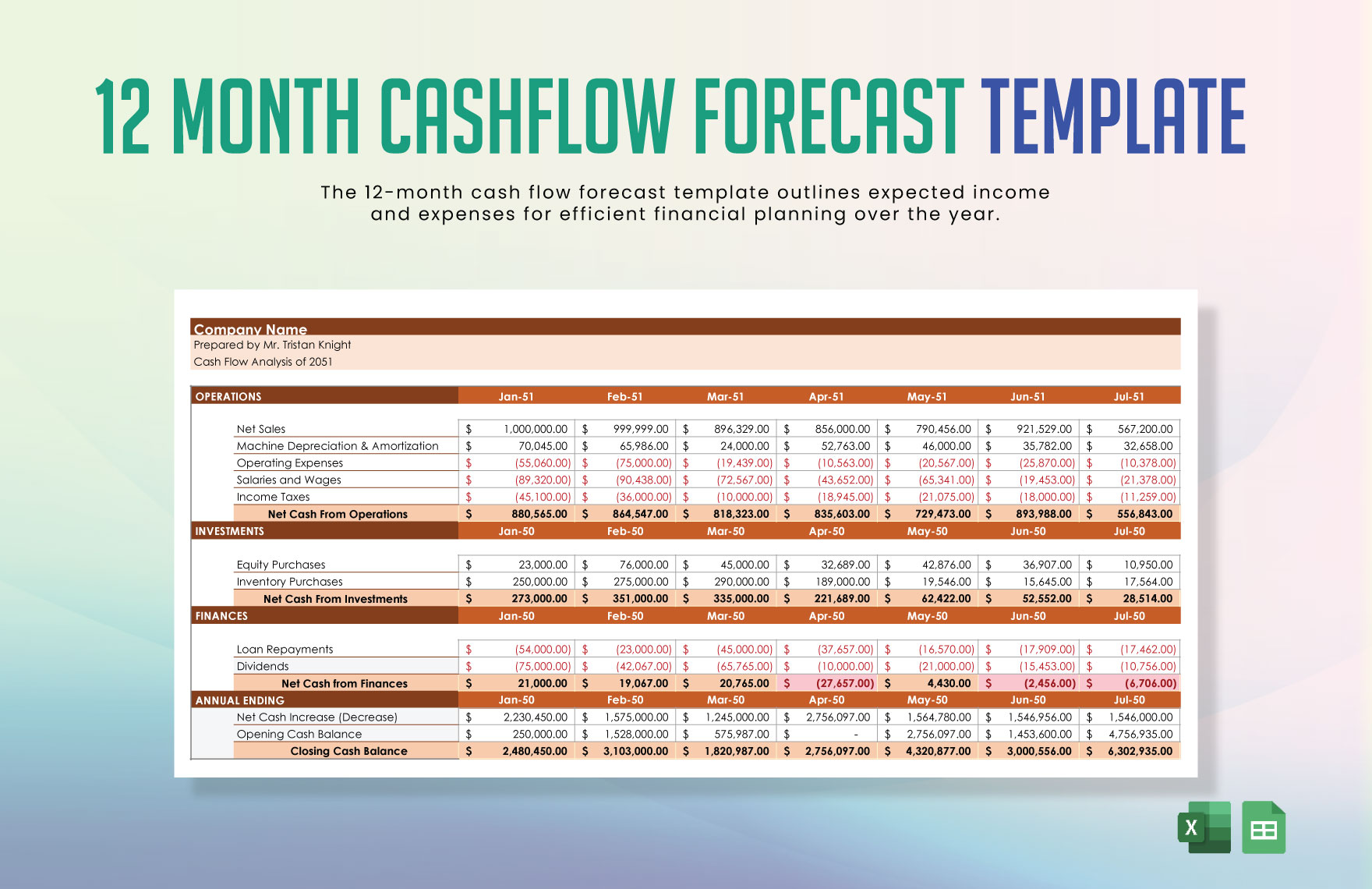
Tips for Effective Budgeting
To make the most of your 12 Month Cash Flow Budget Worksheet, consider these practical tips:
- Be Realistic: Don’t underestimate your expenses or overestimate your income. A realistic budget is more likely to succeed.
- Use Cash for Variable Expenses: If you struggle with overspending in certain categories, try using cash instead of cards. Withdraw a set amount for groceries or entertainment and once it’s gone, it’s gone.
- Utilize Apps or Tools: While the worksheet is a great start, consider using budgeting apps to supplement your tracking. They can provide reminders and insights into your spending habits.
By effectively using your 12 Month Cash Flow Budget Worksheet, you’ll not only gain better control over your finances but also empower yourself to make informed financial decisions. Start today by downloading your worksheet and take the first step toward financial stability.