Creating and managing a budget is crucial for achieving financial stability and meeting your personal goals. Many people struggle with this task, often feeling overwhelmed by their expenses and income. This is where the 12 Month Personal Budget Worksheet comes into play. This handy tool helps you track your spending, set financial targets, and ensure you’re on the path to financial success.
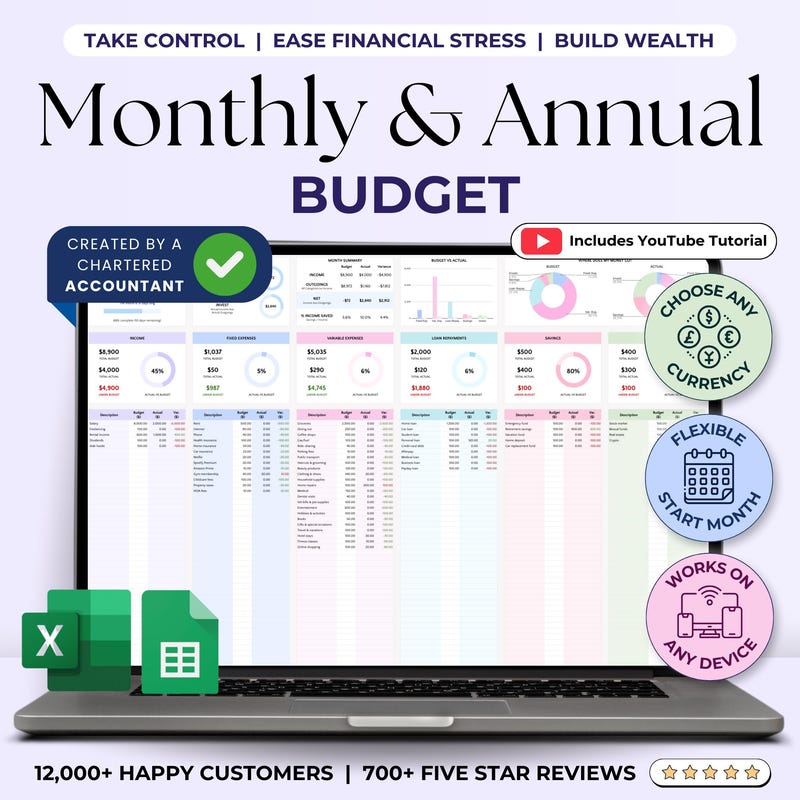
Why Use a 12 Month Personal Budget Worksheet?
A 12 Month Personal Budget Worksheet serves as a structured guide to managing your finances over an entire year. It allows you to see both your short-term and long-term financial health at a glance. By using this worksheet, you can:
- Track monthly income and expenses
- Identify spending patterns
- Set financial goals
- Adjust your budget as needed
This resource is suitable for adults of all financial literacy levels, If you are just starting to manage your finances or you’re looking to refine your budgeting process.
How to Get Started With the Worksheet
Downloading Your Worksheet
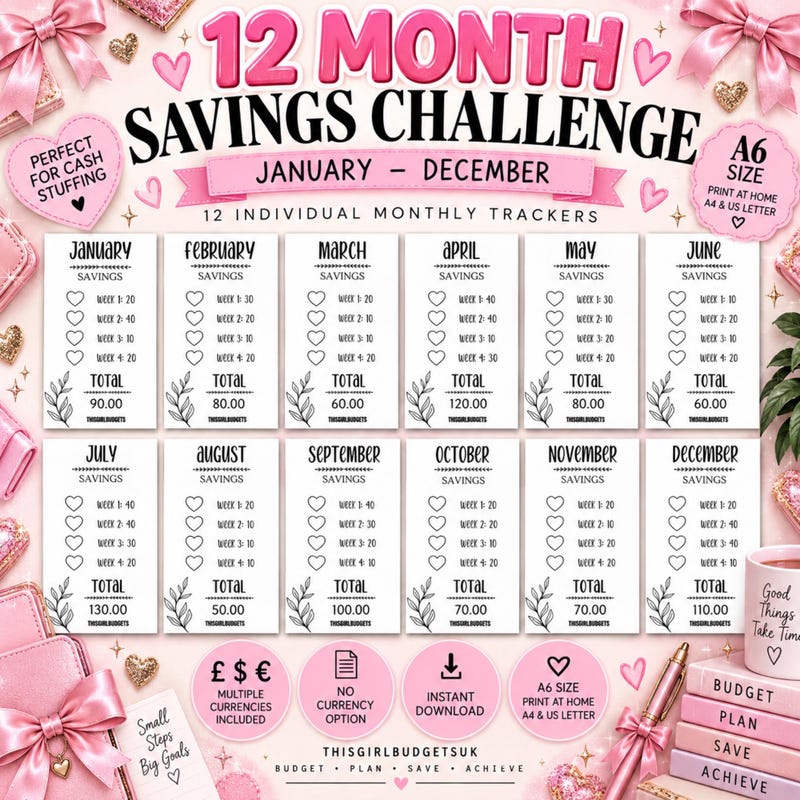
The first step is to download your 12 Month Personal Budget Worksheet. Look for a PDF format to ensure easy printing and consistent formatting. Once downloaded, open the file to prepare for printing.
Printing Tips
When printing your worksheet, consider the following:
- Paper Size: Use standard 8.5” x 11” paper for easy handling.
- Printer Settings: Set your printer to ‘Portrait’ orientation for the best layout, ensuring all columns and rows are visible.
- Quality: If you plan to write on it frequently, consider using cardstock for durability, especially if you want to laminate it for repeated use.
Setting Up Your Budget
Filling Out the Worksheet
Once printed, it’s time to fill in your worksheet. Start with the following sections:
- Monthly Income: Include all sources of income such as salary, side jobs, and passive income.
- Fixed Expenses: List out your monthly fixed expenses like rent, utilities, and insurance.
- Variable Expenses: Record your variable expenses such as groceries, entertainment, and dining out.
Make sure to leave some space to add notes or adjustments for each category as the year progresses.
Setting Financial Goals
Next, think about your financial goals. Do you want to save for a vacation, pay off debt, or build an emergency fund? Write down your goals at the beginning of the worksheet. This will keep you motivated and focused throughout the year.
Tracking Your Progress
Monthly Review
Set aside time each month to review your budget. Compare your actual spending against your budgeted amounts. This is crucial for understanding where you stand financially and helps you make necessary adjustments.
- Identify Trends: Are you consistently overspending in a certain category? This might indicate a need to adjust your budget or spending habits.
- Celebrate Wins: If you’ve saved money or paid off debt, take a moment to celebrate! These victories will encourage you to stick to your budget.
Making Adjustments
Don’t hesitate to adjust your budget as you go. Life changes, and so will your financial situation. If you receive a raise or your expenses change, update your worksheet accordingly. Flexibility is key in successful budgeting.
Using the Worksheet for Future Planning
Yearly Overview
At the end of the year, review your overall financial health. Look at your total income, expenses, and savings. This can help you plan for the next year and set new goals.
Consider creating a new worksheet for the upcoming year that reflects your adjusted income and expenses based on your previous year’s data.
Long-term Financial Planning
The 12 Month Personal Budget Worksheet can also assist you in long-term financial planning. Think about investments, retirement savings, or larger purchases. By understanding your monthly cash flow, you can allocate funds toward these larger goals effectively.
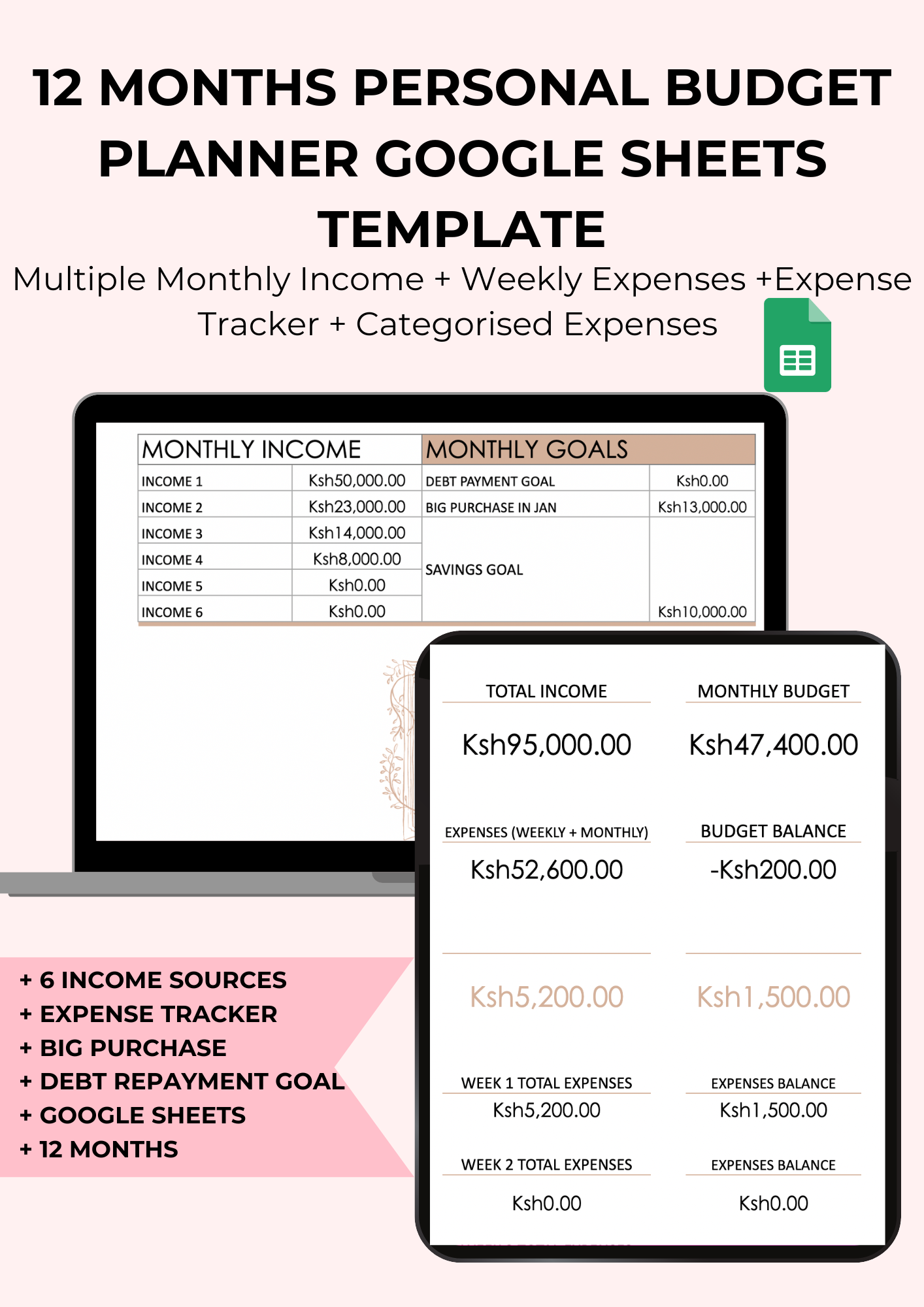
Final Tips for Success
- Stay Consistent: Make it a habit to update your worksheet regularly. Consistency is crucial for effective budgeting.
- Use Digital Tools: If you prefer a digital approach, consider transferring your data to budgeting apps that can sync with your bank accounts for real-time monitoring.
- Engage with Others: Share your budgeting goals with a friend or family member for accountability. Sometimes, having a support system can make a significant difference in staying on track.
By utilizing the 12 Month Personal Budget Worksheet, you’ll gain clarity and control over your finances. Take the first step today by downloading your worksheet and setting your financial goals. Remember, budgeting is not just about restricting your spending; it’s about empowering you to make informed financial decisions and reach your aspirations.