When you’re looking to help students understand their finances, setting up a budget worksheet is a fantastic starting point. This resource not only aids in personal finance education but also encourages responsibility and planning. The following sections will guide you through the process of creating and utilizing a budget worksheet effectively in your classroom or home environment.
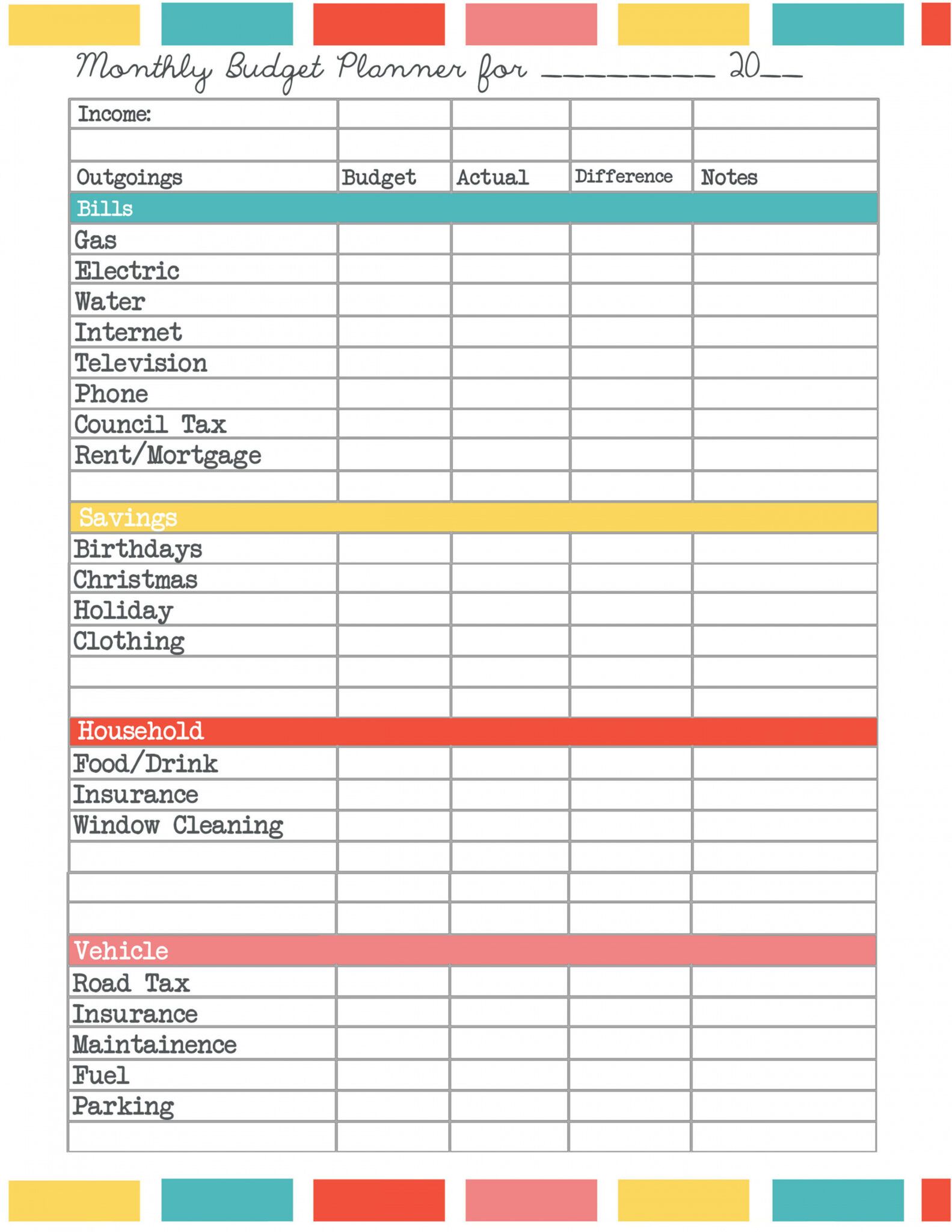
Understanding the Importance of a Budget Worksheet
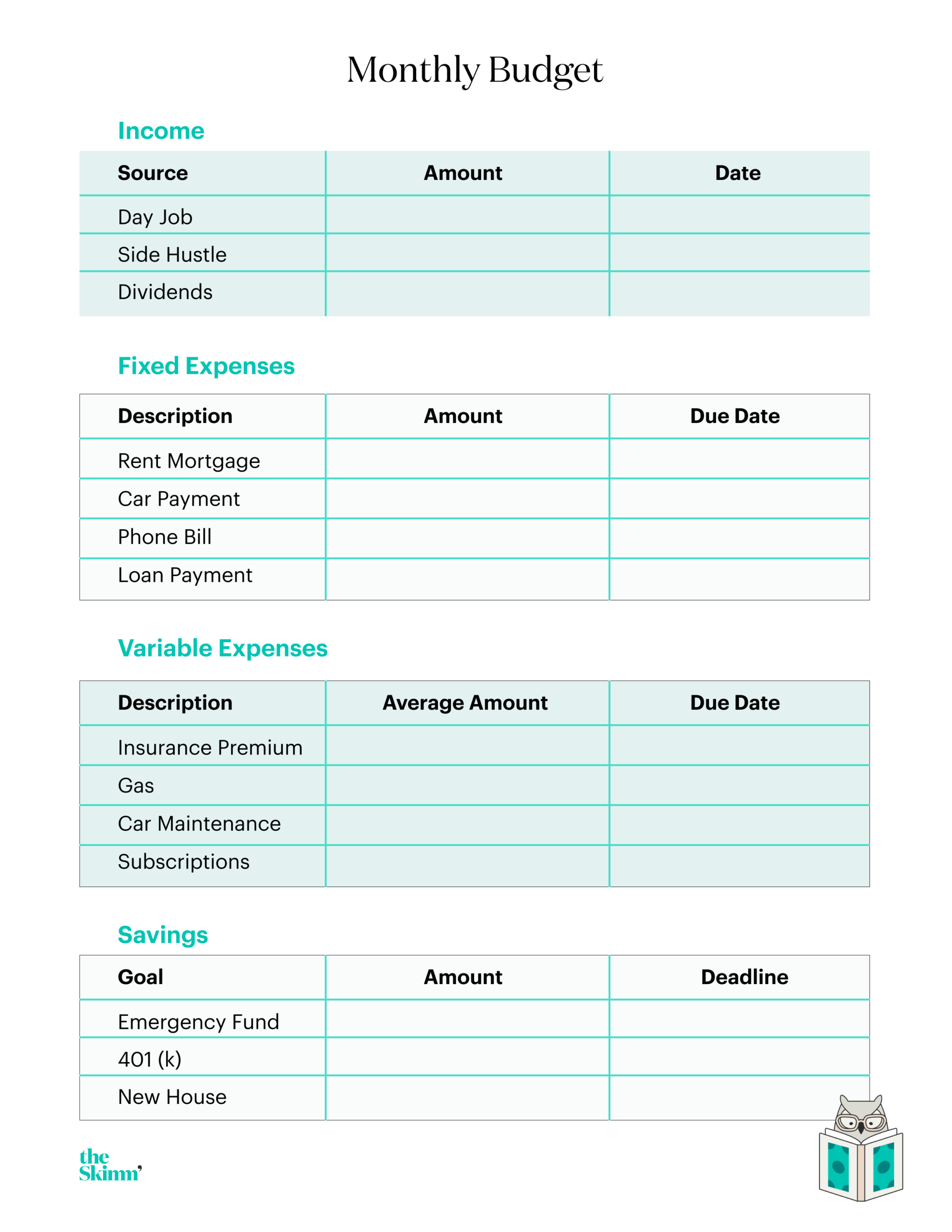
A budget worksheet serves as a practical tool for students to track their income and expenses. It can be beneficial for various age groups, from middle school students learning basic financial literacy to high schoolers preparing for independent living. By using a budget worksheet, students can gain insights into their spending habits, learn to prioritize needs over wants, and understand the significance of saving for future goals.
Key Components of a Budget Worksheet
When setting up a budget worksheet, there are essential elements that should be included to ensure it is effective and user-friendly:
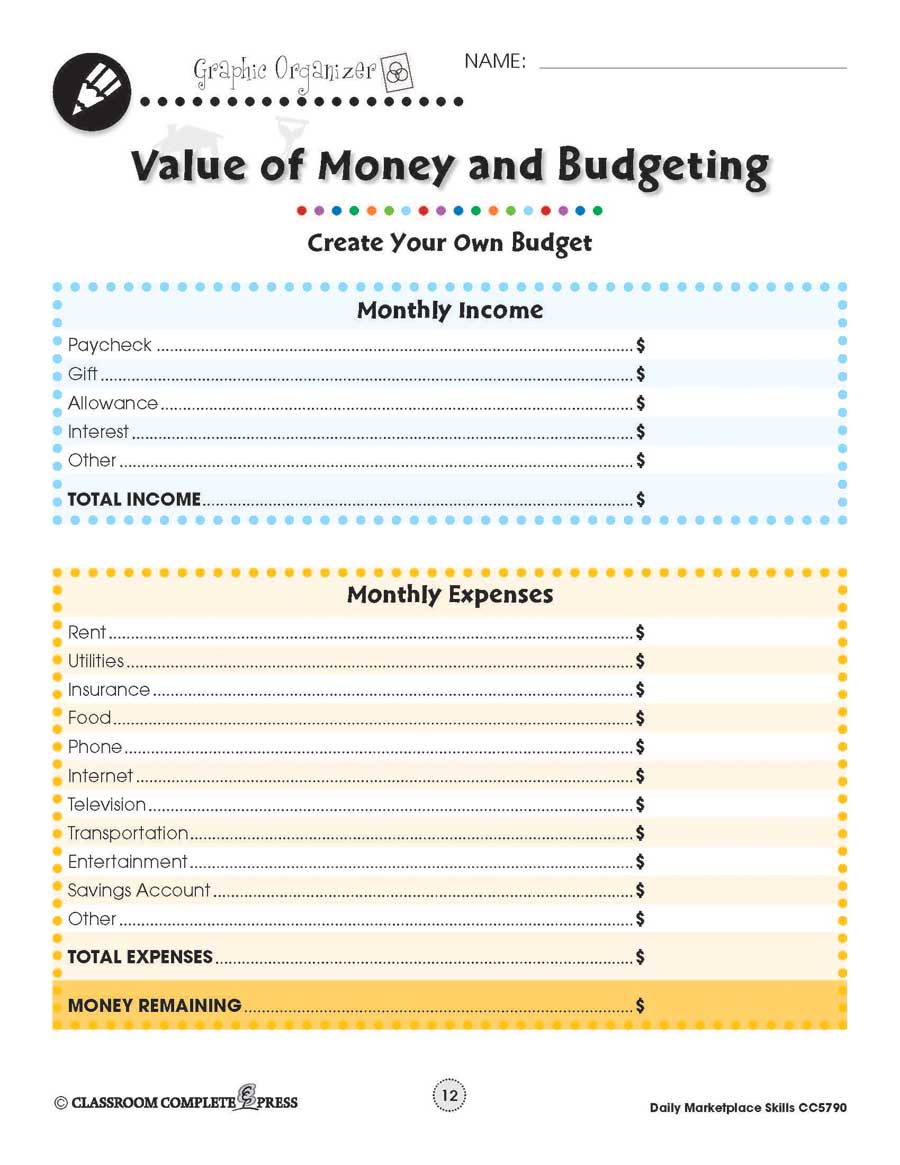
- Income Section: This is where students list all sources of income, such as allowances, part-time jobs, or gifts. It’s crucial to encourage them to be realistic about their earnings.
- Expense Categories: Break down expenses into fixed (like subscriptions) and variable (like entertainment) categories. This helps students see where their money goes each month.
- Calculation of Total Income and Expenses: Include spaces for students to calculate their total income and total expenses. This is where they can see if they are living within their means or if adjustments are necessary.
- Savings Goals: Encourage students to set aside a portion of their income for savings. Having a designated area for savings goals can motivate them to think long-term.
- Reflection Section: A space for students to reflect on their spending habits can encourage critical thinking about financial choices.
Choosing the Right Format for Your Budget Worksheet
When it comes to the format of your budget worksheet, consider the following options:
- Printable PDF: This is often the most convenient format. It ensures that the layout remains consistent across different devices and printers. You can easily print multiple copies for classroom use.
- Excel Spreadsheet: If you prefer a digital approach, using a spreadsheet allows for easy calculations. Students can input their data, and formulas can automatically calculate totals, helping them learn about functions in Excel.
- Interactive Google Sheets: This option allows for collaboration. Students can work on their budgets simultaneously, making it a great tool for group projects.
Tips for Implementing the Budget Worksheet in Your Classroom
Introducing a budget worksheet in the classroom can be an engaging activity. Here are some practical tips to make the most of this resource:
- Start with a Lesson on Financial Literacy: Before diving into the worksheet, provide a basic lesson on budgeting concepts. Discuss needs vs. wants, the importance of saving, and how to set financial goals.
- Use Real-Life Scenarios: Present students with case studies or scenarios where they need to create a budget based on a given income. This practical application helps solidify their understanding.
- Encourage Peer Review: Have students share their budgets in small groups for feedback. This encourages discussion about different spending habits and priorities.
- Track Progress: Regularly revisit the budget worksheets throughout the semester. This can help students adjust their budgets based on changing circumstances and reinforce the importance of ongoing financial management.
Customizing Your Budget Worksheet
While there are many templates available online, customizing your budget worksheet can make it more relevant to your students. Consider including:
- Personalized Categories: Allow students to create their own expense categories that reflect their interests (e.g., sports, hobbies).
- Visual Elements: Incorporate charts or graphs to help students visualize their spending and savings over time. This can make budgeting more engaging.
- Rewards System: Create a section where students can set up rewards for meeting budgeting goals. This adds an element of motivation and fun.
Using the Budget Worksheet at Home
A budget worksheet isn’t just for the classroom; it can also be a valuable tool for families. Here’s how parents can utilize it at home:
- Family Budgeting: Involve children in the family budgeting process. This helps them understand the financial responsibilities that come with running a household.
- Setting Joint Goals: Encourage families to set financial goals together, such as saving for a vacation or a new game console. This fosters teamwork and communication.
- Regular Check-ins: Just like in the classroom, regular discussions about the family budget can help children see the importance of budgeting in everyday life.