Setting up a budget sheet is an essential skill for students and adults alike, and having the right tools can make this process much easier. A well-structured budget sheet allows individuals to track income, expenses, and savings, fostering financial responsibility. Whether in a classroom or homeschooling environment, utilizing printable templates can enhance learning and make budgeting a more engaging experience.
Understanding the Basics of a Budget Sheet
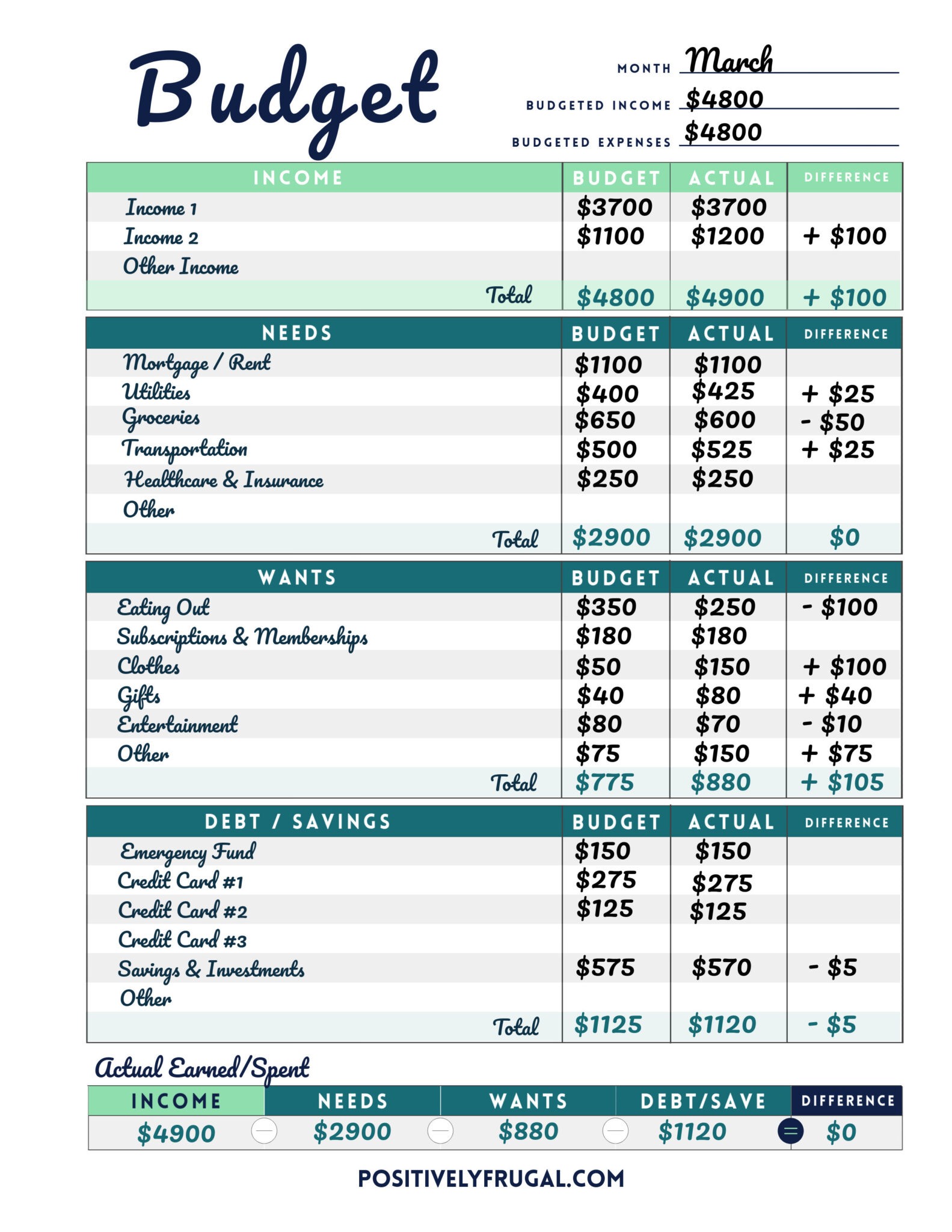
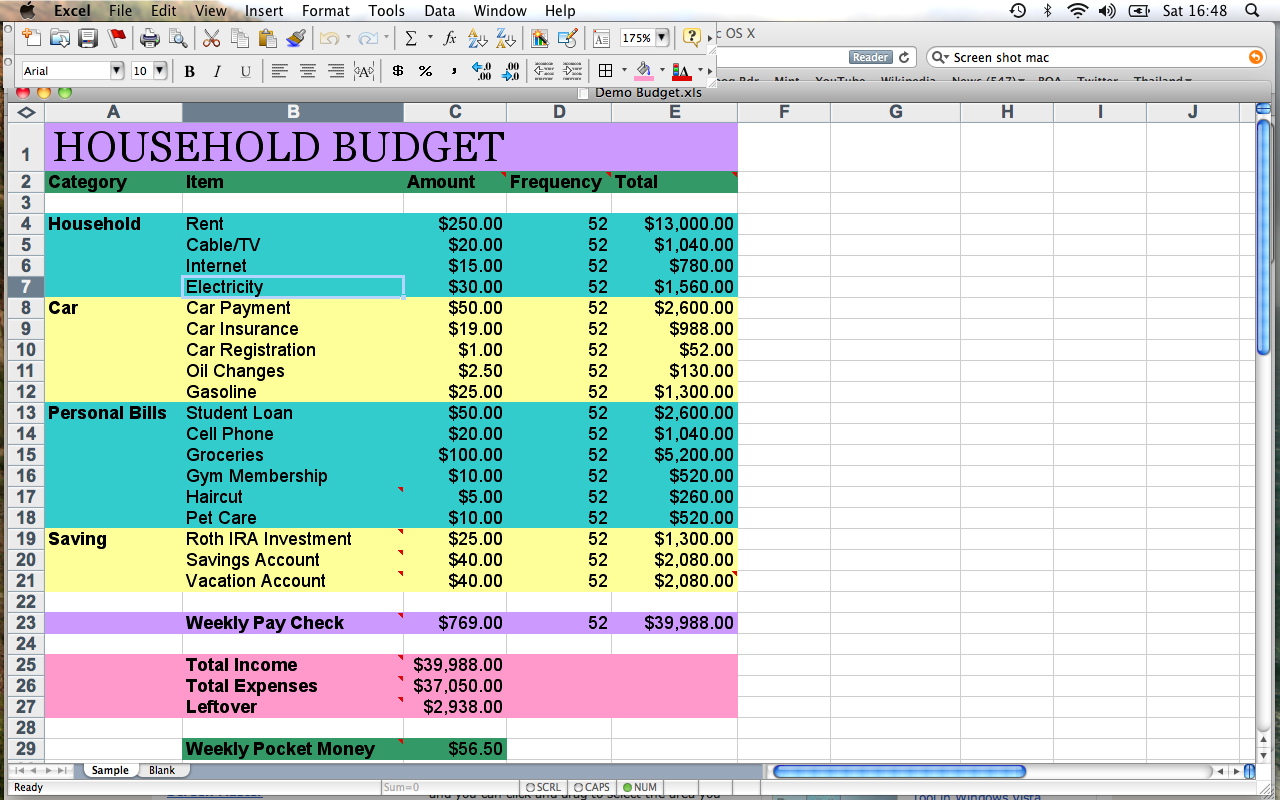
A budget sheet is a document that helps individuals plan their finances by recording their anticipated income and expenditures. The primary goal is to ensure that spending does not exceed income, promoting savings and financial stability. This practical tool is suitable for various age levels, typically starting from middle school (around grades 6-8) and continuing into high school and beyond.
In a classroom setting, teachers can use budget sheets to teach students about money management, helping them understand concepts like saving, spending wisely, and the importance of living within one’s means. For homeschool parents, these resources can be integrated into life skills lessons, offering hands-on experience in managing finances.
Choosing the Right Printable Budget Sheet Template
When selecting a printable budget sheet template, several factors should be considered:
- Age Appropriateness: Ensure the template matches the understanding level of the intended users. Younger students might benefit from simpler formats, while older students can handle more complex sheets.
- Format and Layout: Look for a layout that is easy to read and navigate. A portrait layout often works well for home printers and is user-friendly for students.
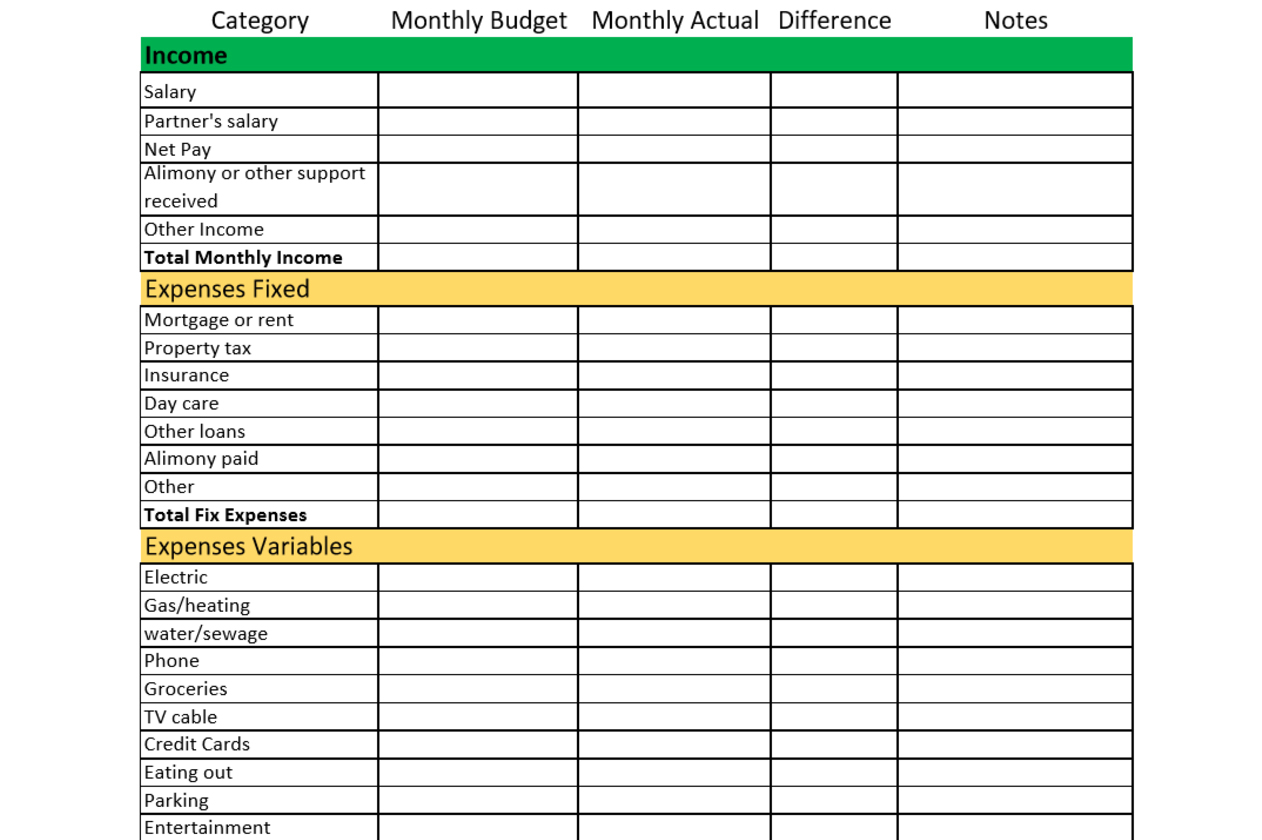
- Features Included: Some templates come with sections for income, fixed and variable expenses, savings goals, and notes. Choose a sheet that offers the necessary categories to suit the users’ needs.
- Customizability: If students will be using these sheets regularly, a customizable template can enhance their learning experience. Look for options that allow users to add or remove sections as needed.
Key Components of an Effective Budget Sheet
An effective budget sheet should include several key components to facilitate successful financial tracking:
- Income Section: Clearly define sources of income, such as allowances, part-time jobs, or gifts. This helps users understand where their money is coming from.
- Expense Categories: Divide expenses into fixed (e.g., rent, subscriptions) and variable (e.g., groceries, entertainment) categories. This distinction helps users see which expenses are necessary and which can be adjusted or cut.
- Savings Goals: Encourage users to set savings goals for short-term and long-term objectives. This section helps instill the habit of saving and planning for future needs.
- Summary Section: A summary area at the bottom allows users to see their total income, total expenses, and remaining balance at a glance. This feature is crucial for understanding overall financial health.
Tips for Using a Budget Sheet in the Classroom
To effectively implement budget sheets in a classroom or homeschool setting, consider the following strategies:
- Introduce the Concept: Start with a discussion about what budgeting means and why it is important. Use real-life examples to illustrate how budgeting can impact financial decisions.
- Hands-On Practice: Provide students with a budget sheet template and have them fill it out based on hypothetical scenarios or their own finances. This hands-on approach will help solidify their understanding.
- Regular Reviews: Schedule regular check-ins where students can review their budgets, discuss challenges, and adjust their plans as necessary. This practice reinforces the idea that budgeting is an ongoing process.
- Encourage Reflection: After using the budget sheet for a set period, have students reflect on their experiences. What did they learn? What changes did they make? This reflection can deepen their understanding of financial management.
Resources for Downloadable Budget Sheets
Numerous online resources offer printable budget sheets tailored for various educational needs. Here are some recommendations:
- Educational Websites: Many educational websites provide free downloadable templates specifically designed for classroom use. These often come with user-friendly formats and clear instructions.
- Financial Literacy Programs: Some organizations focus on teaching financial literacy and provide resources for budget sheets. These programs often include lesson plans and activities to complement the budget sheets.
- Community Resources: Local libraries or community centers may also offer printable resources or workshops on budgeting and financial planning.
When selecting a resource, ensure that it aligns with the educational goals and the age group of the students.