Creating a monthly budget worksheet can be an invaluable tool for teachers, parents, and students alike. It’s not just a matter of tracking income and expenses; it’s about instilling financial literacy and responsibility in young minds. With a well-structured worksheet, you can help learners visualize their finances, set goals, and make informed decisions. This guide will walk you through the process of making a monthly budget worksheet, focusing on practical steps that are easy to implement at home or in the classroom.
Understanding the Purpose of a Monthly Budget Worksheet
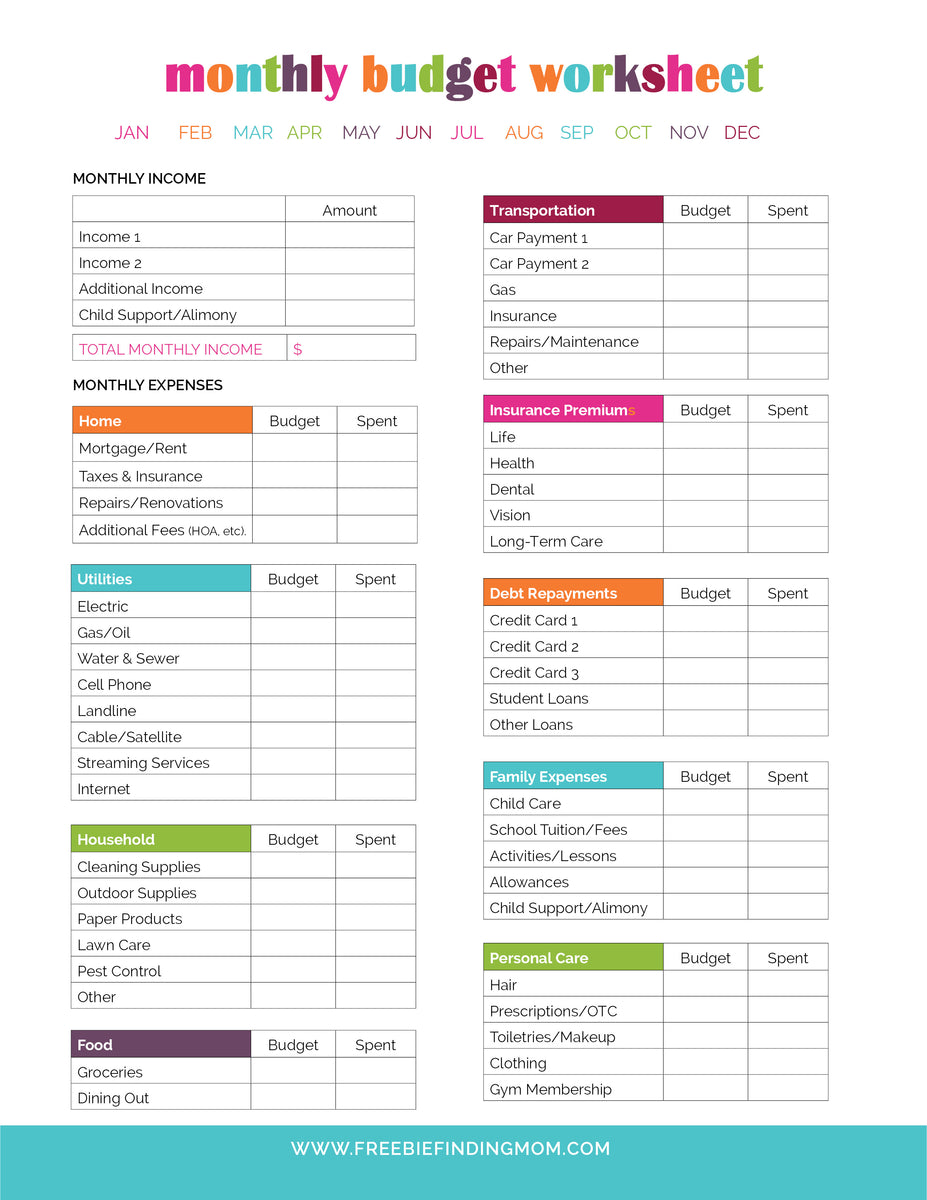
Before diving into the creation of your monthly budget worksheet, it’s important to understand its purpose. A budget worksheet serves as a financial roadmap, helping individuals plan their spending and saving for the month ahead. It encourages students to engage with their finances, promoting skills such as critical thinking, organization, and self-discipline.
In the classroom, teaching students how to budget can lead to engaging discussions about money management, priorities, and future planning. This makes it an excellent resource for high school economics classes or even middle school math lessons.
Choosing the Right Format for Your Worksheet
When making a monthly budget worksheet, the format you choose can greatly impact its usability. Here’s a breakdown of some common formats:
- Printable PDF: This format is easy to download and print. It maintains its layout across different devices, ensuring students see the same version.
- Editable Word Document: An editable version allows for customization. Students can type directly into the document, making adjustments as needed.
- Excel Spreadsheet: An Excel format is great for those who want to use formulas to calculate totals automatically. This is especially useful for more advanced students who are comfortable with technology.
Depending on your audience and their comfort level with technology, choose the format that best suits your needs.
Designing Your Monthly Budget Worksheet
Designing a clear and functional worksheet is crucial for effective use. Here’s a step-by-step guide to creating your worksheet:
- Header Section: Include a title such as “Monthly Budget Worksheet” and space for the student’s name and the month/year.
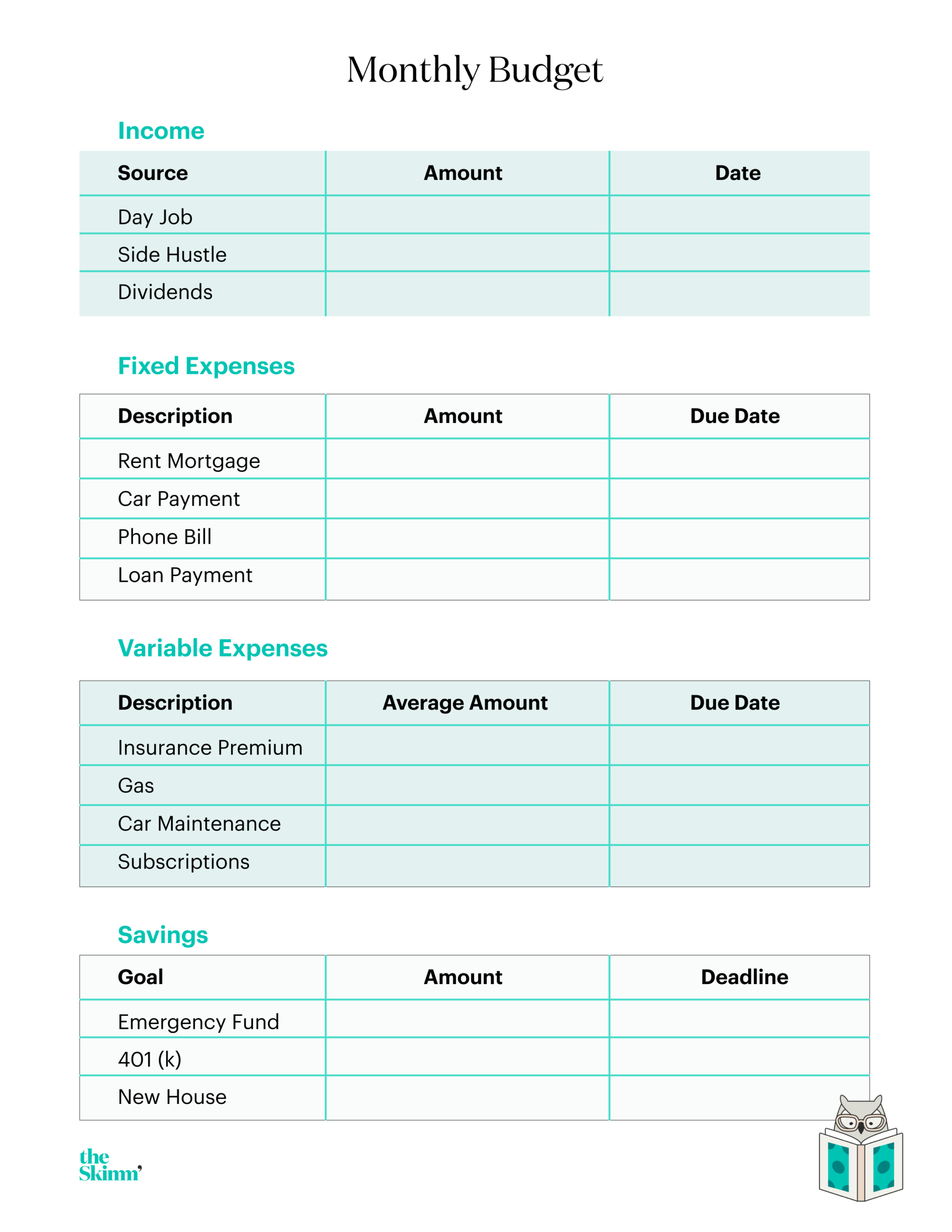
- Income Section: Create a section for students to list all sources of income. This could include allowances, part-time jobs, or any other income streams. Use clear labels and provide enough space for entries.
- Expense Categories: Divide the expenses into categories like:
- Fixed Expenses: Rent, utilities, subscriptions
- Variable Expenses: Groceries, entertainment, clothing
- Savings: Emergency fund, future goals
Providing a few examples under each category can help students understand what types of expenses to include.
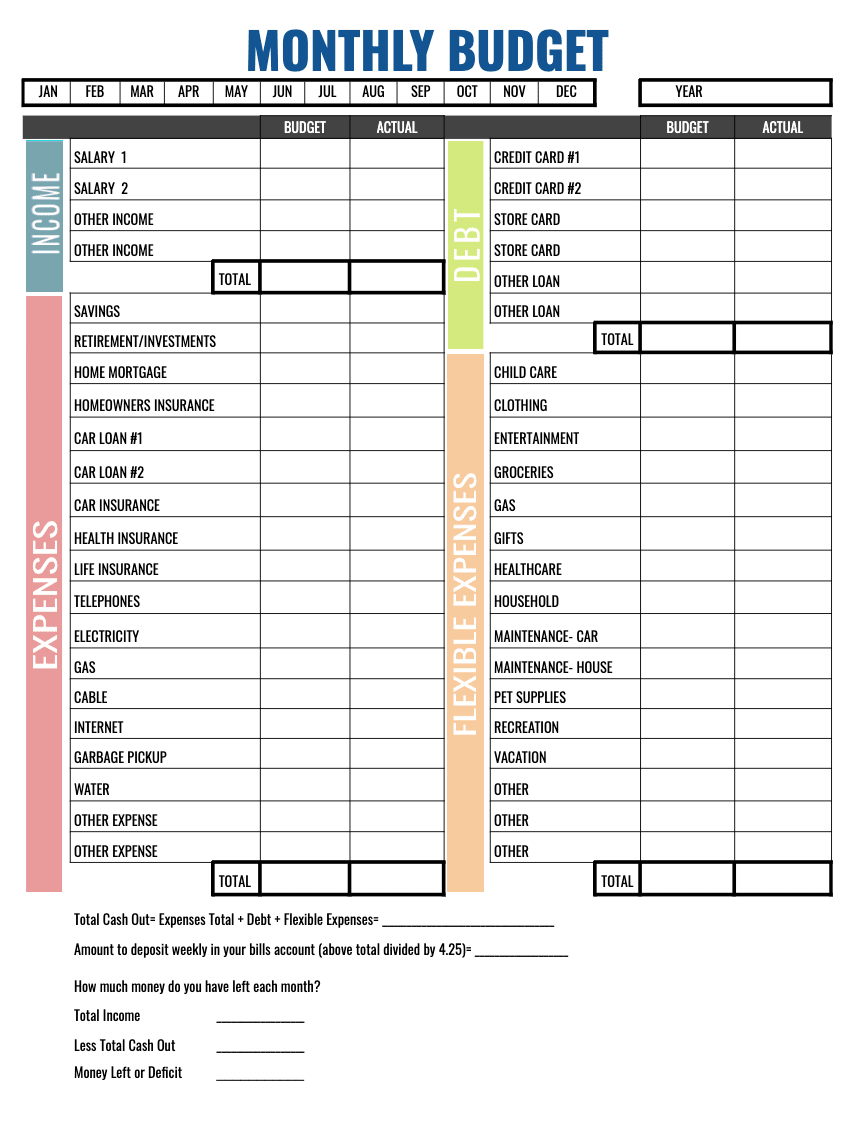
- Total Calculation Area: Designate space for students to total their income and expenses. A simple subtraction line (Income – Expenses = Savings) can provide clarity.
- Visual Aids: Consider adding graphs or charts that students can fill in to visualize their budget. This can make the process more engaging and help them see the relationship between income and spending.
Setting Up the Worksheet for Use
Once your worksheet is designed, it’s time to set it up for use. Here are some practical steps:
- Download and Print: Make sure to test the download and print functionality of your worksheet. If it’s a PDF, ensure it’s easy to print in standard sizes like letter (8.5” x 11”).
- Explain the Worksheet: Before handing it out, explain each section and its purpose. Walk through an example together as a class to ensure everyone understands how to fill it out.
- Encourage Consistency: Remind students to use the worksheet regularly. Whether it’s monthly or bi-weekly, consistent use will reinforce the habit of budgeting.
- Review Together: Schedule regular check-ins to discuss the completed worksheets. This can foster group discussions about financial decisions and priorities.
Teaching Financial Literacy Through Budgeting
Using the monthly budget worksheet as a teaching tool opens the door to discussions about financial literacy. Here are some key concepts you can introduce:
- Needs vs. Wants: Teach students to differentiate between essential expenses (needs) and discretionary spending (wants). This is a foundational skill that will serve them well throughout life.
- Setting Goals: Encourage students to set financial goals, whether it’s saving for a new gadget or planning for a school trip. Having a tangible goal can motivate them to stick to their budget.
- Adjusting Budgets: Discuss the importance of flexibility in budgeting. Sometimes, expenses might exceed income, and it’s crucial to adjust accordingly. This can teach resilience and adaptability.
- Long-term Planning: Introduce concepts like saving for college or retirement. While it may seem distant, starting early can have a significant impact.
Encouraging Independent Practice
To ensure that students can use their monthly budget worksheets independently, consider the following tips:
- Clear Instructions: Provide step-by-step instructions with examples for filling out the worksheet. This can be a printed guide or a digital resource.
- Practice Scenarios: Give students hypothetical financial situations to budget for. This allows them to practice without real-life consequences.
- Peer Review: Encourage students to pair up and review each other’s budgets. This can lead to valuable discussions and sharing of tips.
- Feedback Loop: Create a system for students to receive feedback on their completed worksheets. This could be through peer assessment or teacher comments, helping them improve their budgeting skills.
By focusing on practical guidance and structured activities, you can effectively teach students the importance of budgeting and financial literacy through the use of a monthly budget worksheet. A particularly useful detail to keep in mind is that incorporating real-life examples, like planning a class trip budget, can make the learning experience more relatable and engaging for students.