Creating a monthly budget worksheet is an essential skill for managing finances effectively. If you are teaching students about budgeting or looking for practical tools at home, a well-structured worksheet can simplify the process. This guide will walk you through how to make a monthly budget worksheet that meets your needs, ensuring you can download, print, and use it immediately.
Understanding the Purpose of a Monthly Budget Worksheet
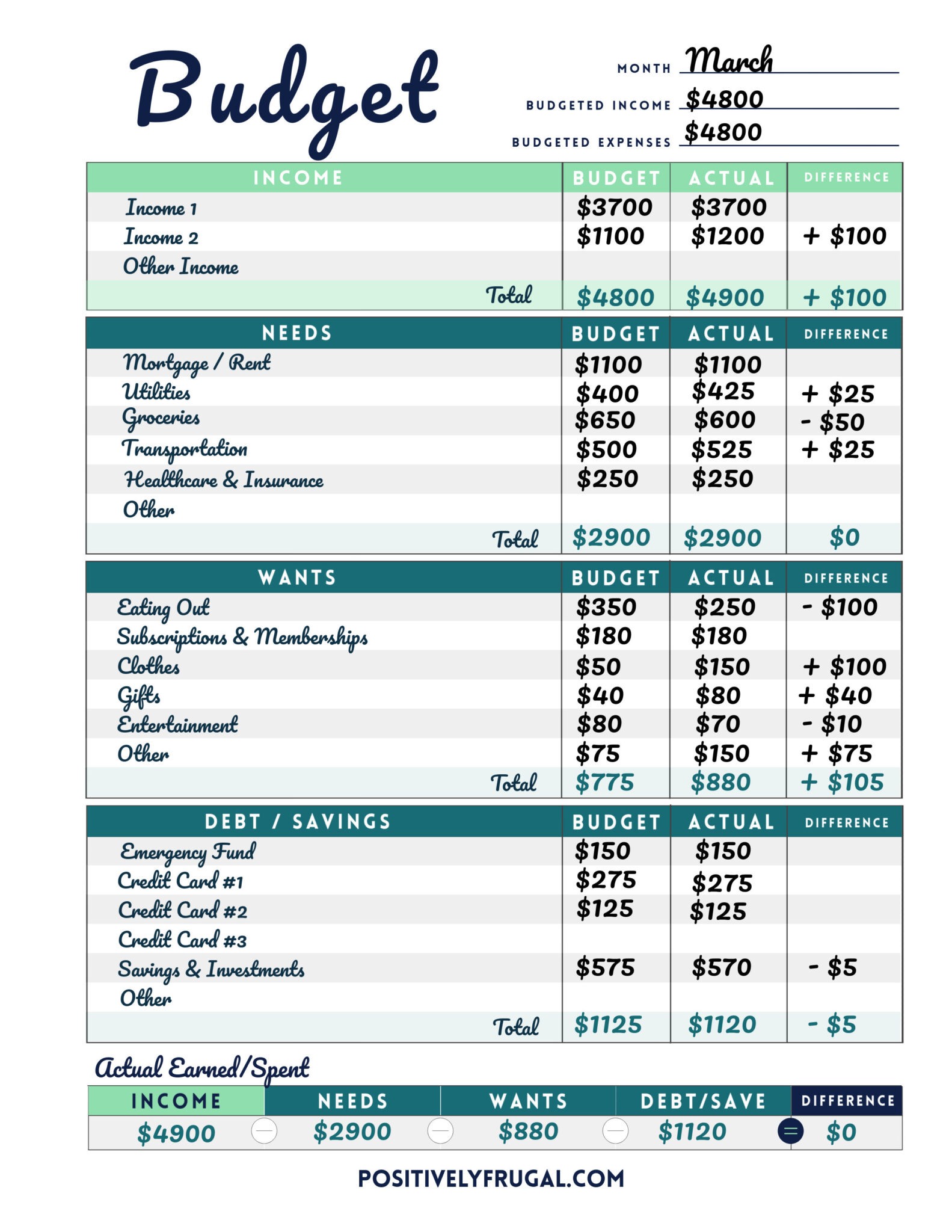
At its core, a monthly budget worksheet helps individuals track their income and expenses over a specific month. This resource is crucial for teaching financial literacy, enabling students to understand budgeting principles while allowing families to manage household finances more effectively.
For teachers and parents, this tool can be incorporated into lessons about money management, responsibility, and planning. It suits various educational settings, from a classroom environment to a homeschooling context, making it versatile for different age groups, particularly middle school and high school students who are beginning to manage their finances.
Essential Components of a Monthly Budget Worksheet
When creating your monthly budget worksheet, there are several key components to include:
- Income Section: List all sources of income, such as salaries, allowances, or any other earnings. This helps establish a clear understanding of the total funds available for spending.
- Fixed Expenses: Include regular, consistent expenses like rent, utilities, and subscriptions. These are predictable costs that must be paid each month.
- Variable Expenses: Track expenses that may fluctuate, such as groceries, entertainment, and dining out. This section allows for adjustments and teaches students about spending limits.
- Savings Goals: Incorporate a section for savings, where users can set aside a portion of their income for future needs or emergencies.
- Total Balance: Include a section to calculate the total income, total expenses, and the remaining balance. This summary provides a quick snapshot of financial health.
Step-by-Step Guide on How To Make A Monthly Budget Worksheet
Creating a monthly budget worksheet can be done in several formats, including digital spreadsheets, printable PDFs, or even handwritten templates. Here’s a straightforward process to help you create your worksheet:
Step 1: Choose Your Format
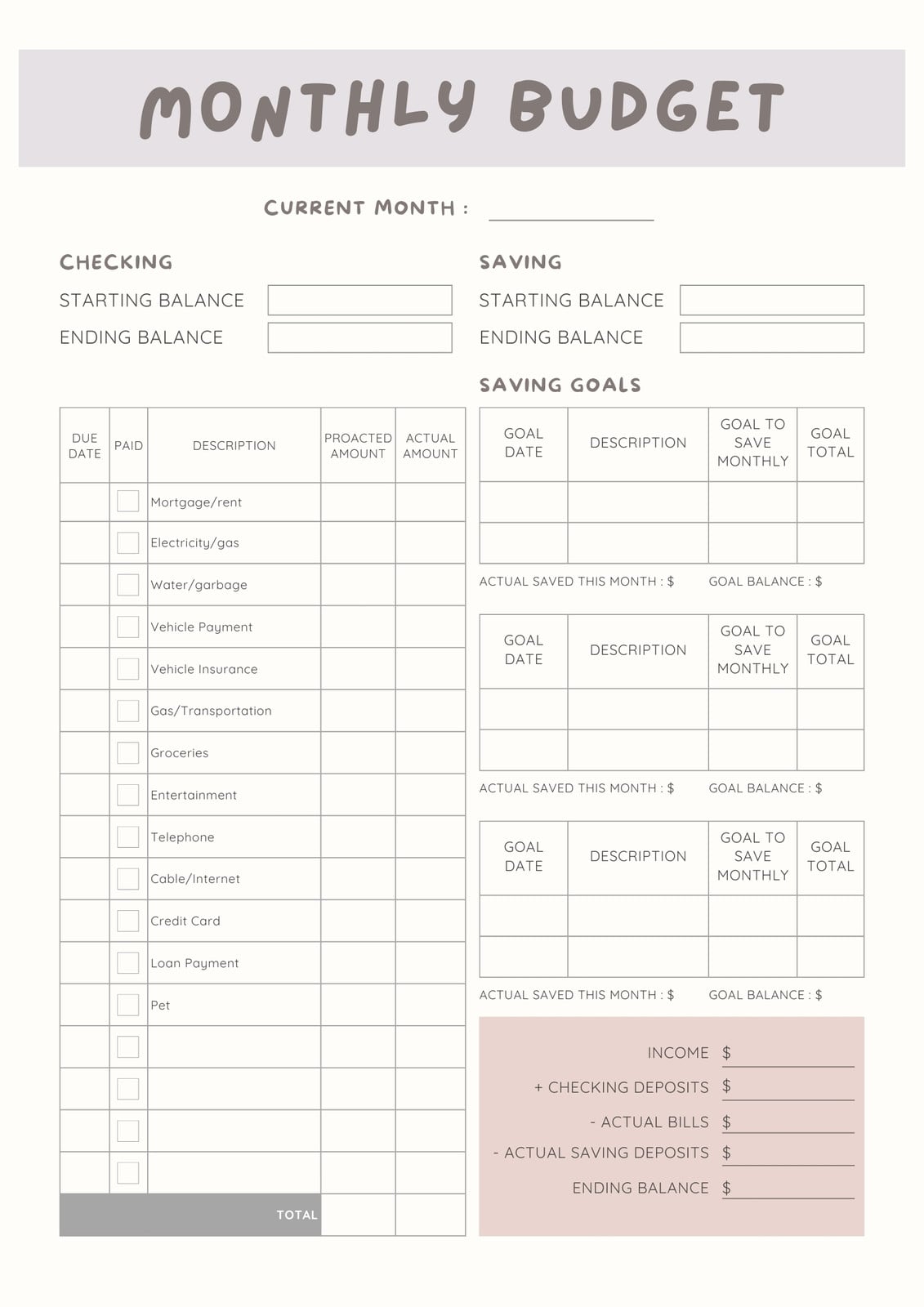
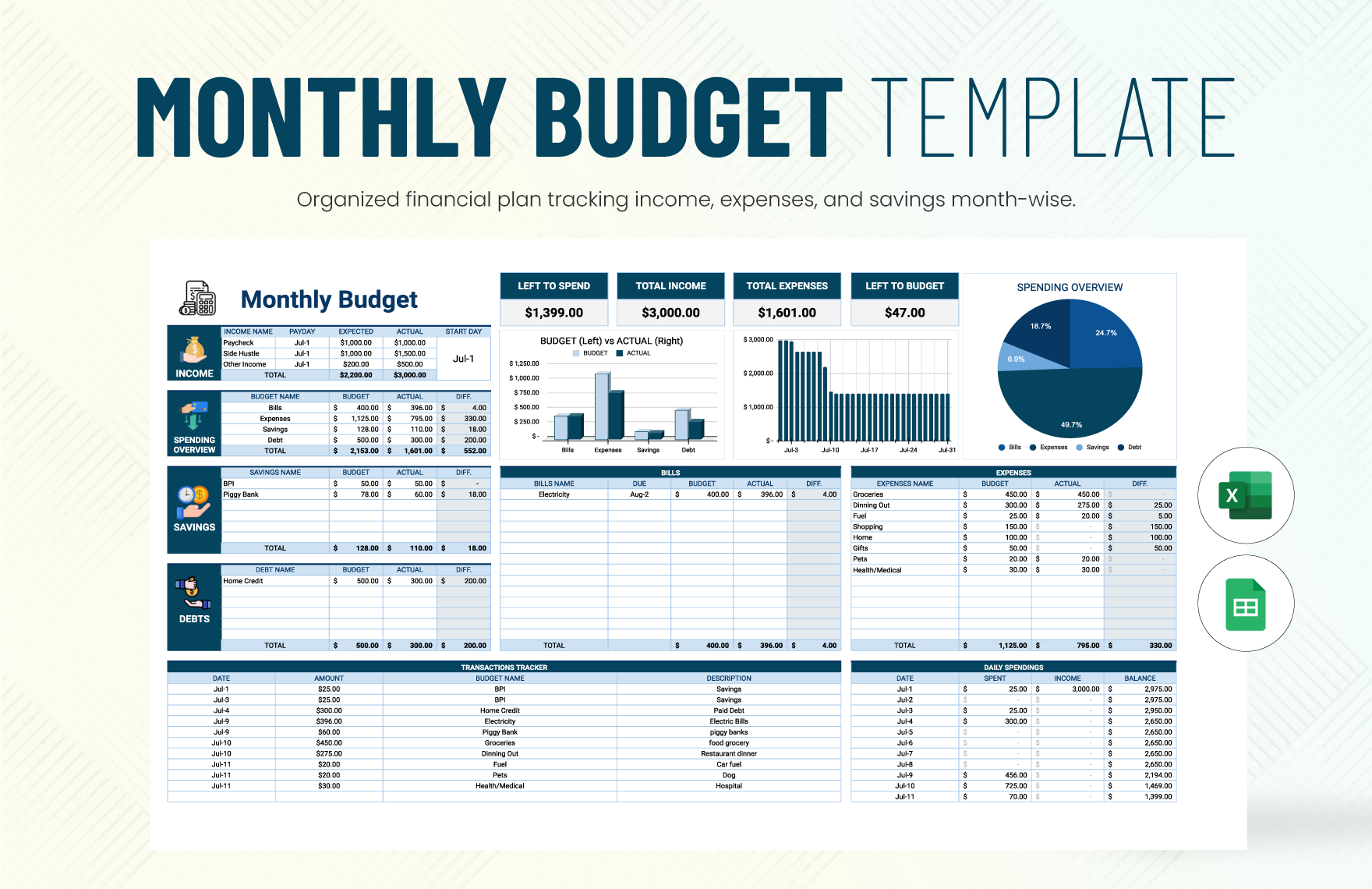
Decide whether you want a digital or printable format. A digital spreadsheet (like Google Sheets or Excel) offers flexibility and easy editing, while a printable PDF can be filled out by hand, which may be more engaging for younger students.
Step 2: Set Up the Structure
- Title: Clearly label your worksheet at the top, e.g., “Monthly Budget Worksheet.”
- Columns and Rows: For a spreadsheet, create columns for categories (Income, Fixed Expenses, Variable Expenses, Savings, Total) and rows for each item within those categories.
- Formulas: If using a digital format, input formulas to automatically calculate totals and balances. For example, the total expenses should subtract from the total income to show the remaining balance.
Step 3: Customize for Your Audience
Tailor the worksheet based on the age and understanding of your audience:
- For younger students, use simple language and examples they can relate to, like allowances or school supplies.
- For older students, include more complex categories like investments or loans.
Step 4: Add Visuals (if Applicable)
If you’re creating a printable version, consider adding visuals such as charts or illustrations. Visual aids can make the worksheet more engaging and help students better understand budgeting concepts.
Step 5: Review and Test
Before distributing your worksheet, ensure all components are clear and functional. Test it out yourself or with a small group to identify any areas that may need adjustment.
Tips for Using a Monthly Budget Worksheet Effectively
Once you’ve created your monthly budget worksheet, here are some practical tips to maximize its effectiveness:
- Regular Updates: Encourage users to update the worksheet regularly—weekly or bi-weekly—to maintain an accurate picture of their finances.
- Set Realistic Goals: Help users set realistic savings and spending goals based on their income and expenses, fostering a sense of achievement as they meet these targets.
- Reflect on Spending: After a month, review the worksheet together. Discuss what worked, what didn’t, and how adjustments can be made for the following month.
- Incorporate Technology: If comfortable, introduce apps or websites that can complement the worksheet, offering additional resources for budgeting and financial education.
Where to Find Printable Monthly Budget Worksheets
If you prefer not to create your own, many websites offer free downloadable templates. Look for resources that provide customizable options, allowing you to select formats that suit your needs. When searching online, use terms like “printable monthly budget worksheet” to find a variety of options.