When Sarah sat down at her kitchen table, the weight of the month’s expenses loomed large in her mind. With bills piling up and the kids’ school activities around the corner, she realized it was time to tackle her finances head-on. This is where knowing how to make a monthly budget sheet can not only help her gain control but also teach her children valuable financial skills. A budget sheet is an essential tool for managing finances, and it’s easy to create one that suits your family’s needs.
Understanding the Basics of a Monthly Budget Sheet
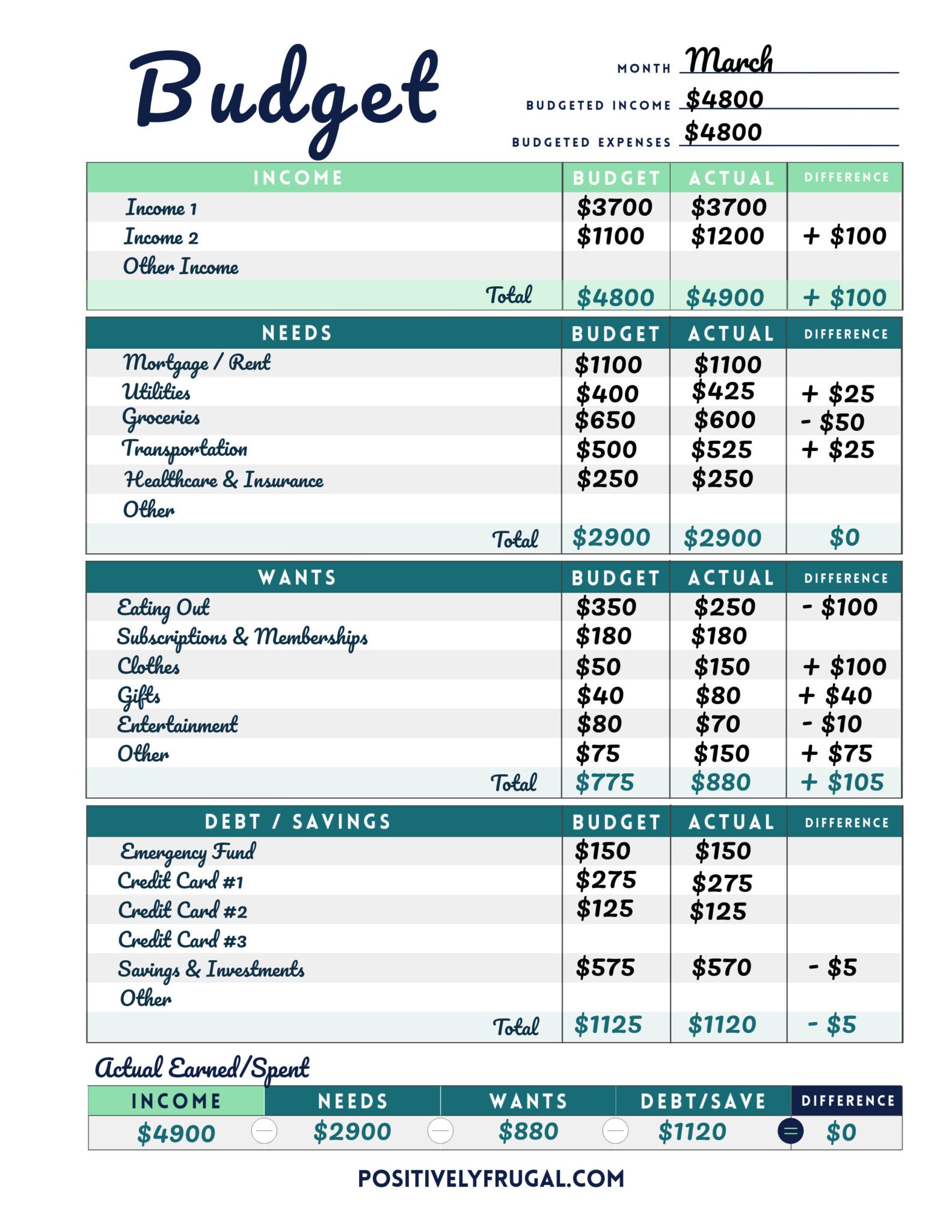
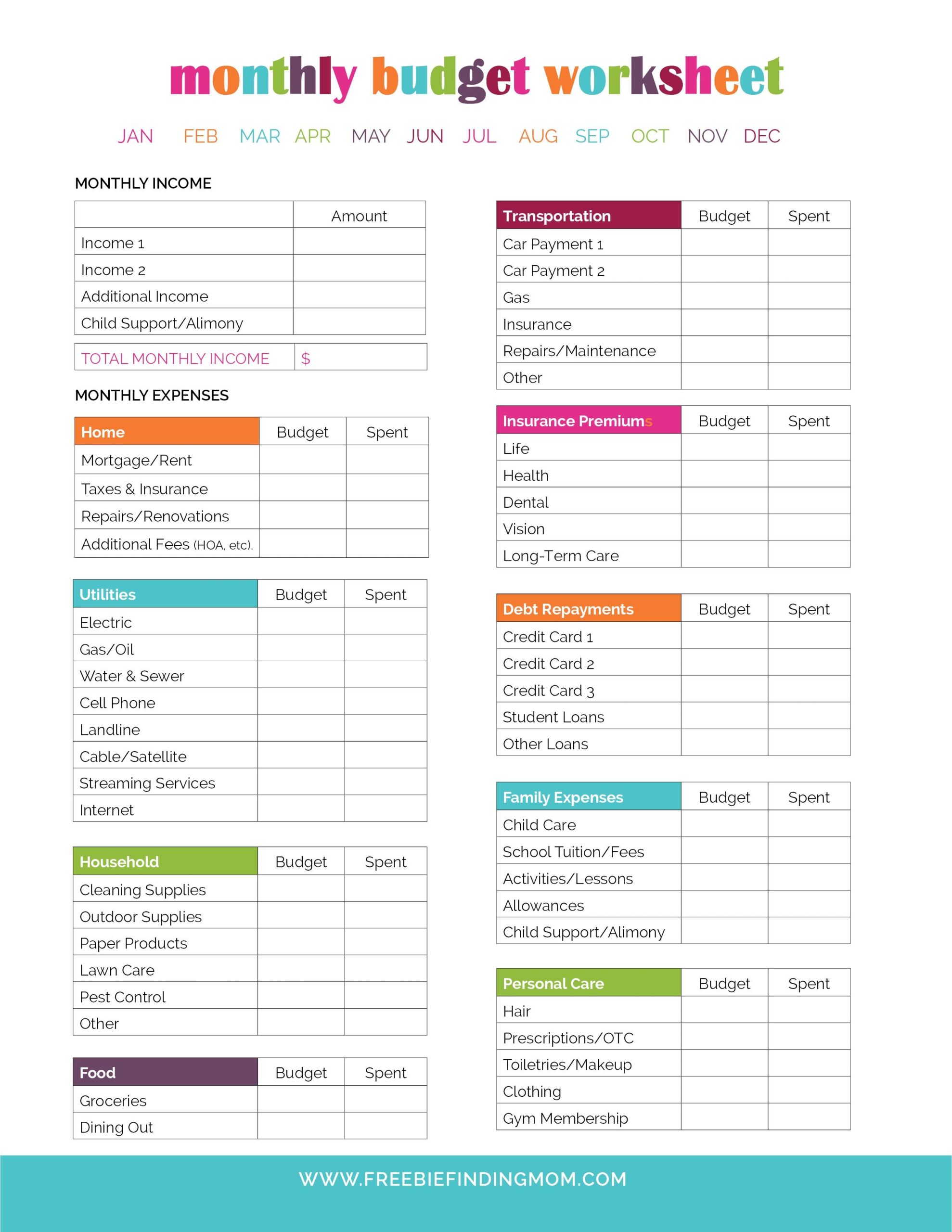
Creating a monthly budget sheet involves understanding your income and expenses. Start by gathering all relevant financial documents, including pay stubs, bills, and receipts. You’ll want to categorize your expenses into fixed (like rent or mortgage) and variable (like groceries or entertainment). This categorization helps clarify where your money goes each month.
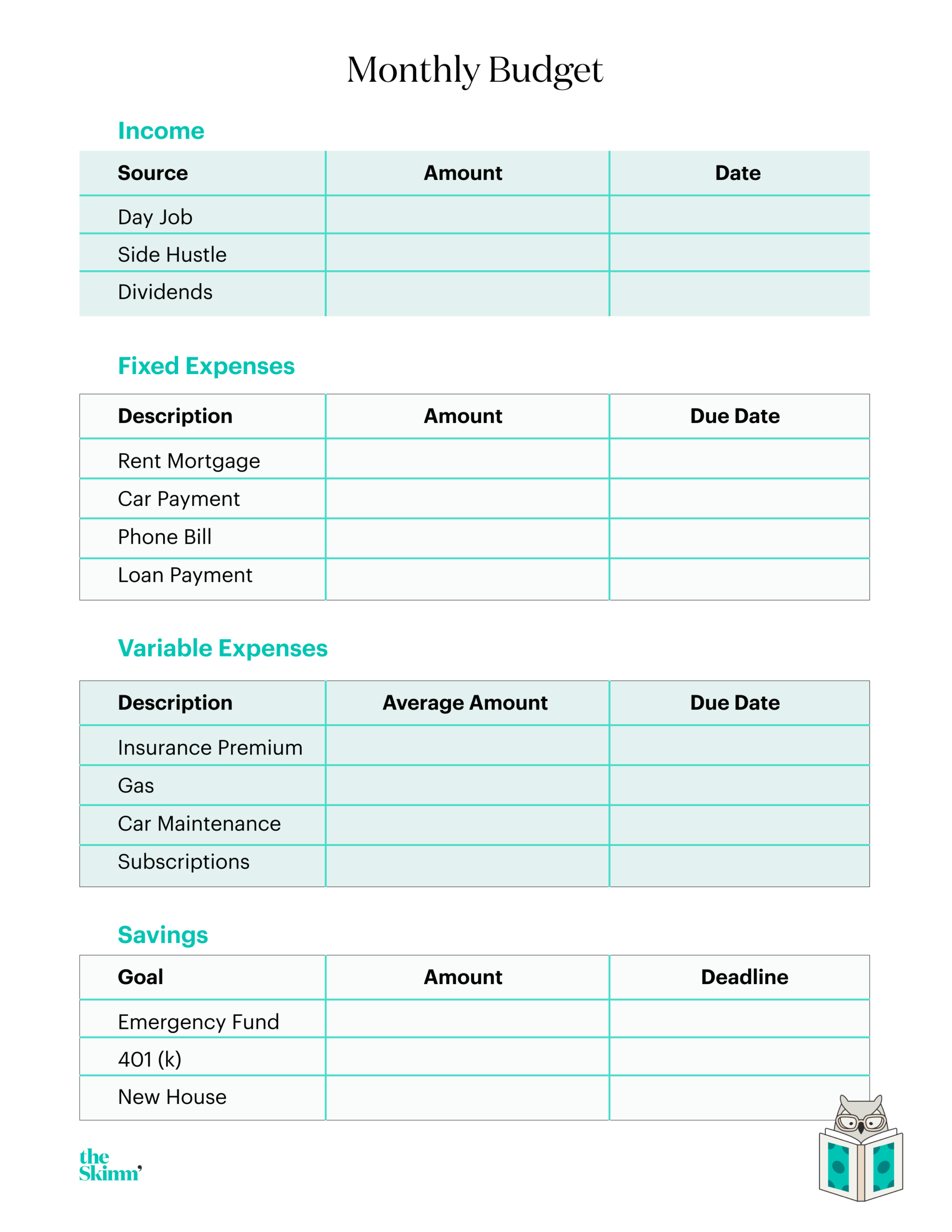
A monthly budget sheet typically includes:
- Income: All sources of revenue, including salaries, bonuses, and any side gigs.
- Fixed Expenses: Regular bills that do not change, such as rent, utilities, and insurance.
- Variable Expenses: Costs that can fluctuate, like groceries, dining out, and personal care.
- Savings Goals: Allocating a portion of your income toward savings or investments.
- Total Remaining: The difference between your income and expenses, showing how much you can save or spend.
Steps to Create Your Monthly Budget Sheet
- Choose Your Format: Decide if you want to create a budget sheet from scratch using paper or digital tools like Excel or Google Sheets. Printable templates are also a great option for those who prefer writing things down. Many free resources are available online—just ensure they suit your needs.
- List Your Income: Write down all sources of income. Include all family members’ incomes if applicable. This will give you a clear idea of how much money you have to work with each month.
- Identify Your Expenses: Make a comprehensive list of your monthly expenses. This might take a bit of time, but reviewing bank statements and previous bills can help you capture everything accurately.
- Categorize Your Expenses: As mentioned earlier, organizing expenses into fixed and variable categories will make it easier to see where adjustments can be made if needed.
- Set Savings Goals: Determine how much you want to save each month. This could be for specific goals, like a family vacation, or building an emergency fund.
- Create the Budget Sheet: If you’re using a template, fill in your income and expenses accordingly. If you’re creating your own, make sure to set up columns for each category and include all necessary formulas to calculate totals automatically if using a digital format.
- Review and Adjust: Once your budget sheet is complete, take time to review it with your family. Discuss areas where you can cut back and how to meet your savings goals. Adjustments might be necessary as life circumstances change.
Using the Monthly Budget Sheet in a Classroom or Home Setting
Teaching kids about budgeting can be a fun and engaging process. Use the monthly budget sheet as a tool not just for your family’s finances but also as an educational resource. Here’s how you can incorporate it:
Engage in a Family Discussion
Hold a family meeting to discuss the importance of budgeting. Explain how having a budget helps with financial planning and decision-making. This can be a great opportunity for your children to ask questions and express their views on spending and saving.
Make It Interactive
Use the monthly budget sheet as part of a game. You can set up scenarios where each family member has a different income and set of expenses, then challenge them to create a budget that balances. This hands-on approach can make learning about finances more relatable and enjoyable.
Revisit Regularly
Budgeting is not a one-time activity. Make it a habit to revisit your budget sheet at the end of each month. Discuss what went well and what didn’t. This ongoing practice will reinforce the importance of budgeting in everyday life.
Tips for Maintaining Your Monthly Budget Sheet
Keeping your budget sheet up to date can be challenging, especially with a busy family schedule. Here are some practical tips to help you maintain it effectively:
- Set a Regular Review Schedule: Designate a specific day each month to review and update your budget. This consistency will help you stay on track.
- Use Color Coding: If you’re using a paper budget sheet, color coding can make it easier to differentiate between categories at a glance. You can use highlighters or colored pens for this.
- Utilize Technology: If you prefer digital tools, consider using budgeting apps that sync with your bank accounts. These can simplify tracking expenses and income.
- Involve the Kids: Encourage your children to participate in maintaining the budget sheet. This will help them learn valuable skills and foster a sense of responsibility.
Benefits of Using a Monthly Budget Sheet
Creating and maintaining a monthly budget sheet has several benefits that extend beyond just tracking finances:
- Financial Awareness: It helps you understand where your money is going and encourages mindful spending.
- Goal Setting: A budget sheet allows you to set and achieve financial goals, whether short-term or long-term.
- Reduced Stress: Knowing your financial situation and having a plan can significantly reduce anxiety related to money.
- Skill Development: Teaching children about budgeting equips them with essential life skills that will serve them well into adulthood.
As you start on your journey of budgeting, remember that every family’s financial situation is unique. Tailor your monthly budget sheet to fit your specific needs and goals. And here’s a tip: when printing your budget sheet, use a standard A4 or letter-size paper for the best fit. This will make it easy to store in a binder or folder for easy access.
By taking the time to learn how to make a monthly budget sheet, you’re not just managing your finances but also instilling important financial literacy in the next generation.