Creating a budget sheet is essential for managing finances effectively, especially in educational settings where tracking expenses can impact classroom resources. This guide will walk you through the process, offering practical tips and layout considerations that make it easy for both teachers and students to use. Knowing how do you make a budget sheet will empower you to take control of your financial planning, whether for classroom projects or personal use.
Understanding Budget Sheets
A budget sheet serves as a simple yet powerful tool for tracking income and expenses over a designated period. It can help you visualize where your funds are going and make informed decisions about spending. For teachers, a budget sheet can be particularly useful for managing classroom supplies, field trips, or events.
You might have encountered various formats before, but this specific template focuses on clarity and ease of use. It’s designed to allow students to engage in independent practice, making it suitable for middle school or high school levels.
Choosing the Right Layout
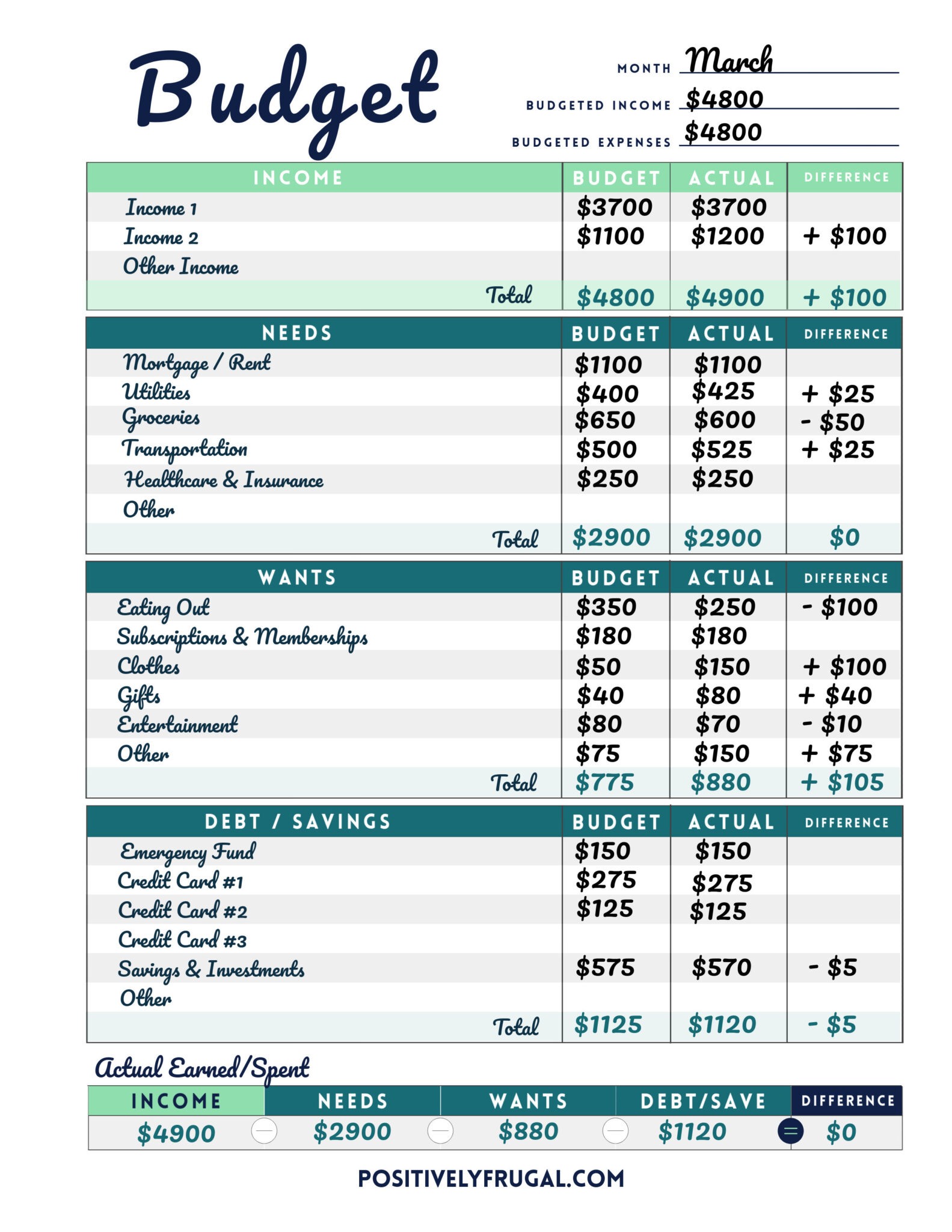
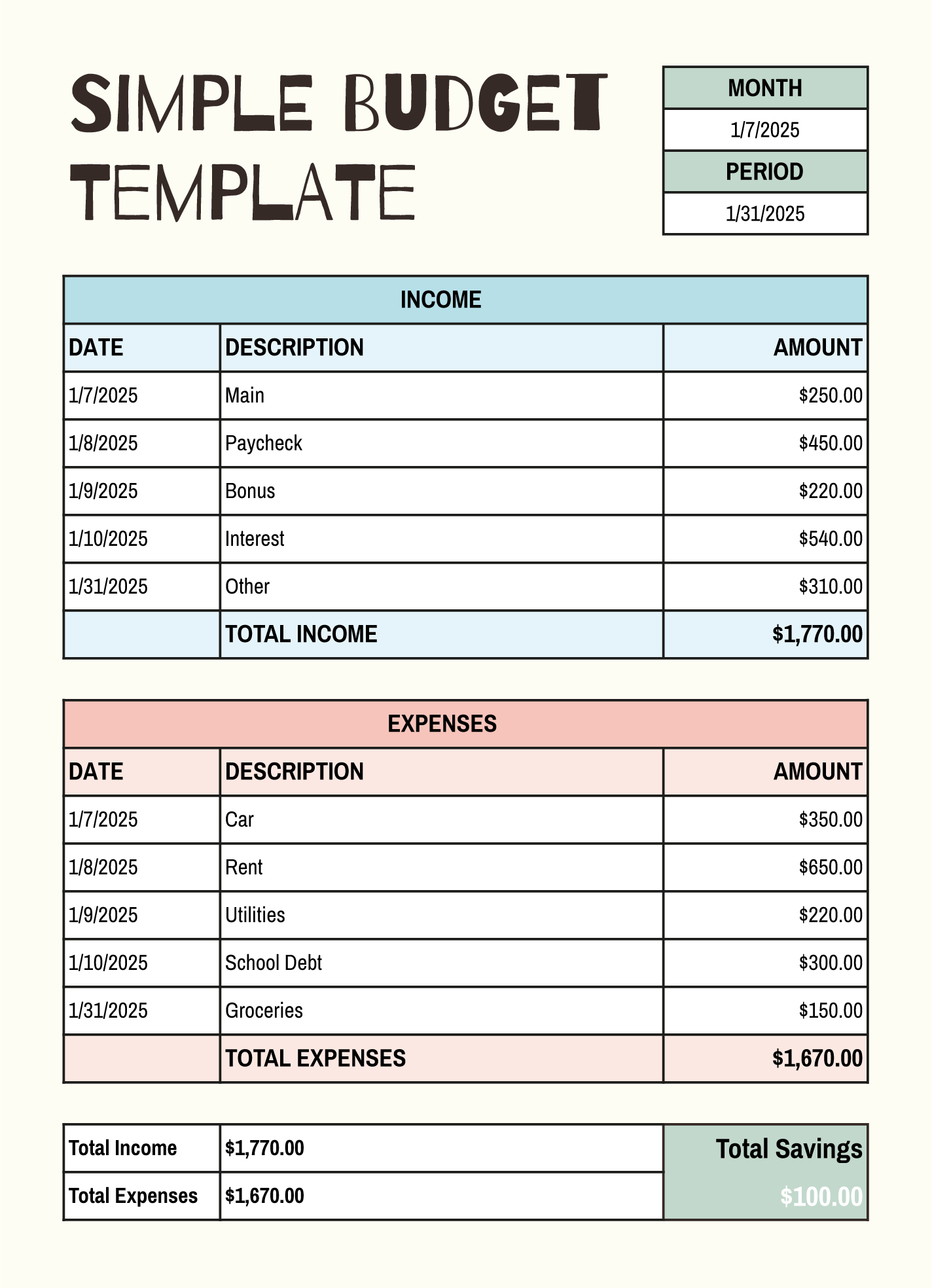
When considering how do you make a budget sheet, the layout is crucial. A well-structured sheet typically includes the following sections:
- Income: A space to list all sources of income, such as salaries, allowances, or fundraising.
- Expenses: This section should have subcategories for fixed (e.g., rent, utilities) and variable expenses (e.g., entertainment, supplies).
- Summary: A final section that tallies total income, total expenses, and calculates the remaining balance.
Portrait Vs. Landscape Orientation
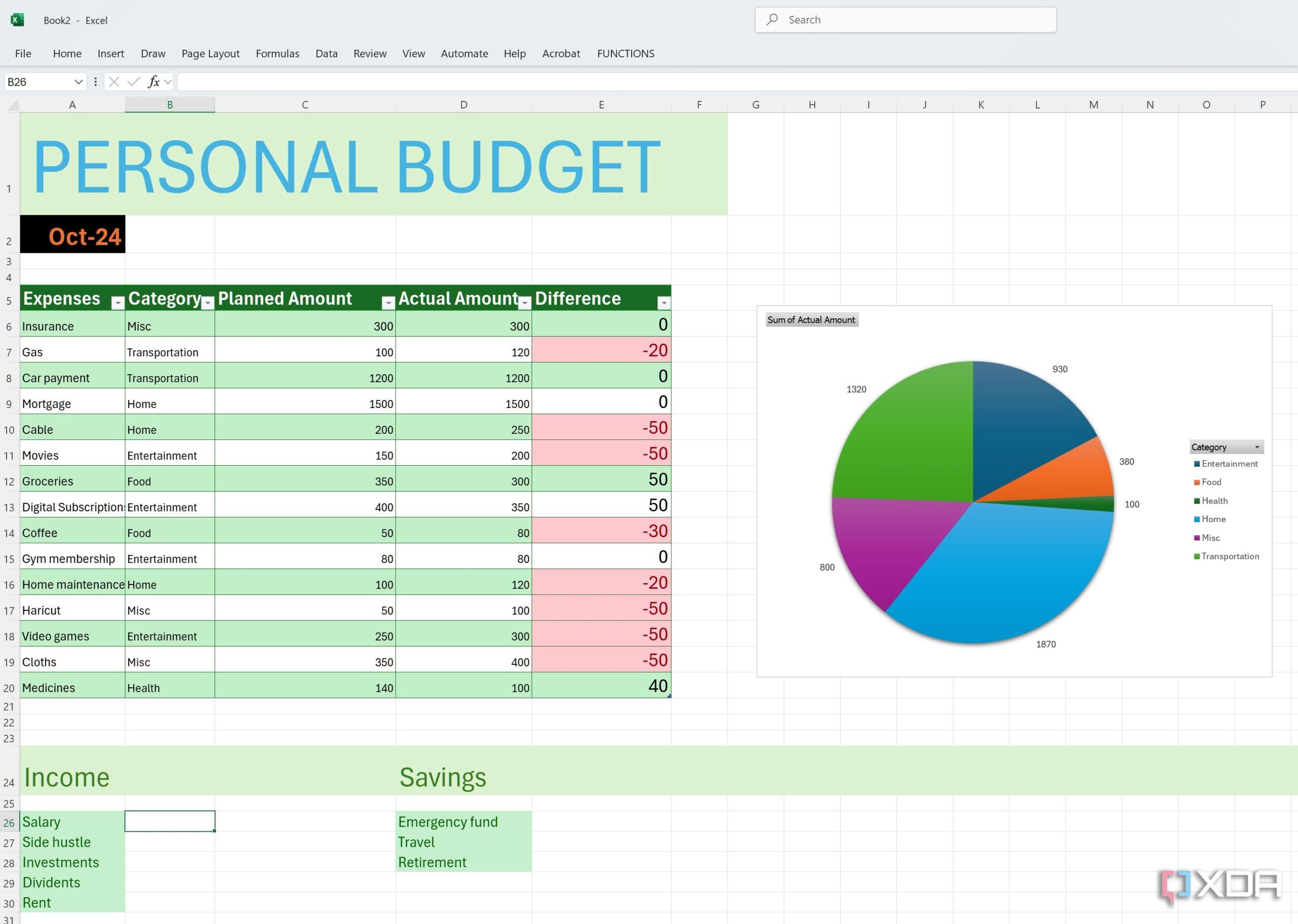
Most budget sheets work best in portrait orientation, which is easier to read and print on standard paper sizes. However, landscape orientation can provide more horizontal space for extensive lists. Consider your printer settings and the amount of information you need to include when deciding.
Key Sections to Include
Income Section
The income section should be straightforward. It typically contains:
- Source of Income: Here, you can list various income sources. For example, teachers might include salaries, grants, or fundraising totals.
- Amount: Provide a column for the amount received from each source.
This section allows students to understand the concept of income and its importance in budgeting.
Expense Section
The expense section is where the real budgeting happens.
- Fixed Expenses: List regular, predictable costs here. Examples include rent, utilities, and subscriptions.
- Variable Expenses: These can change month-to-month, such as groceries, entertainment, or classroom supplies.
Encouraging students to categorize their expenses helps them grasp the concept of fixed versus variable costs, which is essential for sound financial planning.
Practical Tips for Using the Budget Sheet
Color-Coding for Clarity
Using color-coding can make the budget sheet more visually appealing and easier to read. For instance, you could use:
- Green for income
- Red for fixed expenses
- Yellow for variable expenses
This method helps students quickly identify different sections, enhancing their understanding of budget management.
Regular Updates
Encourage students to update their budget sheets regularly. Weekly or monthly updates can help them stay on top of their finances before they spiral out of control. This habit not only fosters responsibility but also reinforces the skills learned in budgeting.
Printable and Downloadable Formats
Make sure to provide the budget sheet in various formats, such as PDF and editable Word documents. This flexibility allows users to choose the best format for their needs. PDFs are great for printing without format issues, while Word documents can be customized and adjusted as necessary.
Teaching Budgeting Skills
Incorporating the budget sheet into lessons can enhance financial literacy among students. Here are a few strategies:
Classroom Activities
- Group Projects: Have students work in groups to create a budget for a classroom event. This collaborative approach can facilitate discussion about financial priorities.
- Role-Playing: Assign students different roles, such as a teacher, a student, or a parent, to simulate real-life budgeting scenarios. This technique can deepen their understanding of various financial perspectives.
Home Use
Encourage families to use the budget sheet at home. This practice can help students see the relevance of budgeting beyond the classroom. Families can work together to set financial goals, fostering a community approach to financial literacy.