Managing your finances can often feel overwhelming, but using a structured approach like the Dave Ramsey Home Budget Worksheet can simplify the process. This printable resource is designed to help you track your income and expenses, ensuring you allocate your funds wisely each month. With a clear layout and easy-to-fill sections, this worksheet is perfect for anyone looking to take control of their finances, If you are new to budgeting or looking for a more organized way to manage your existing budget.
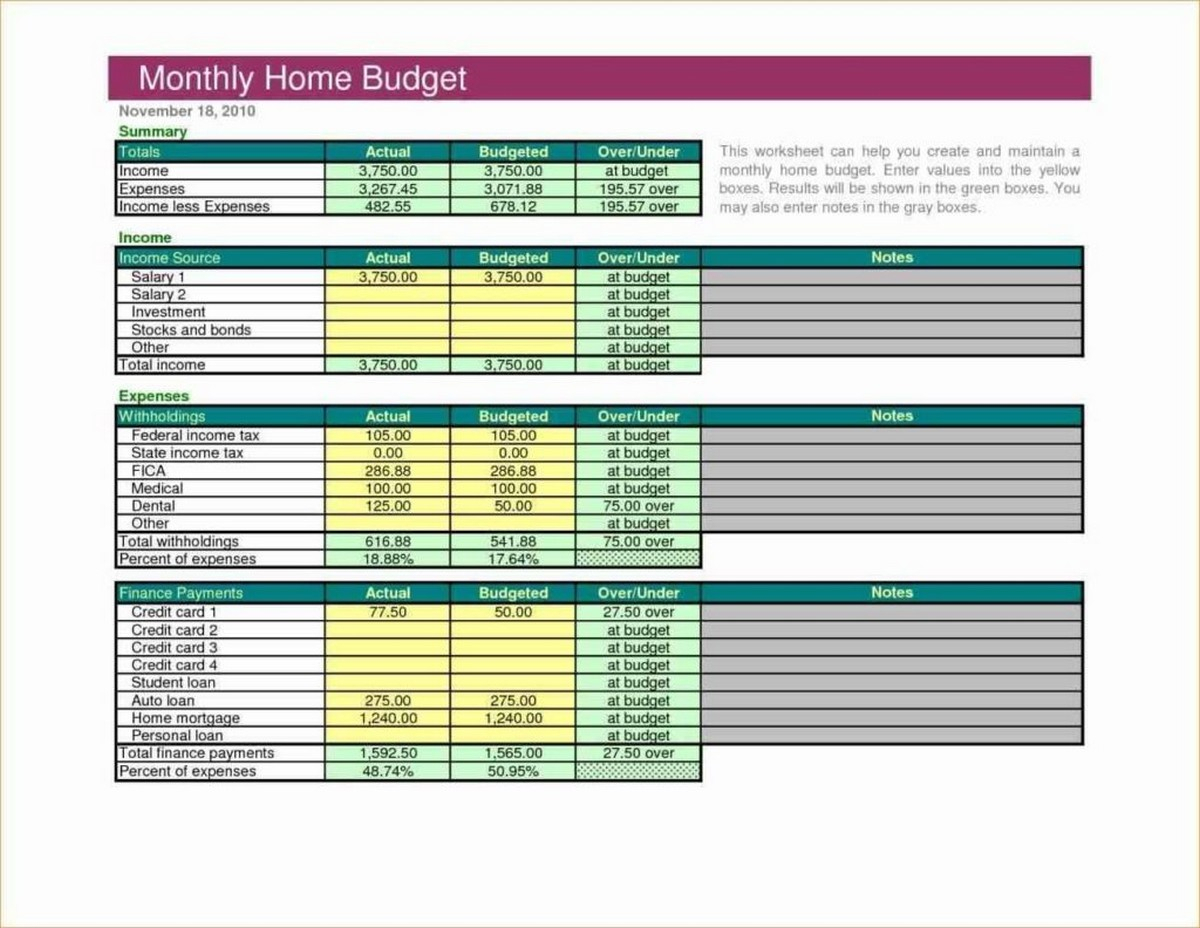
Understanding the Layout of the Worksheet
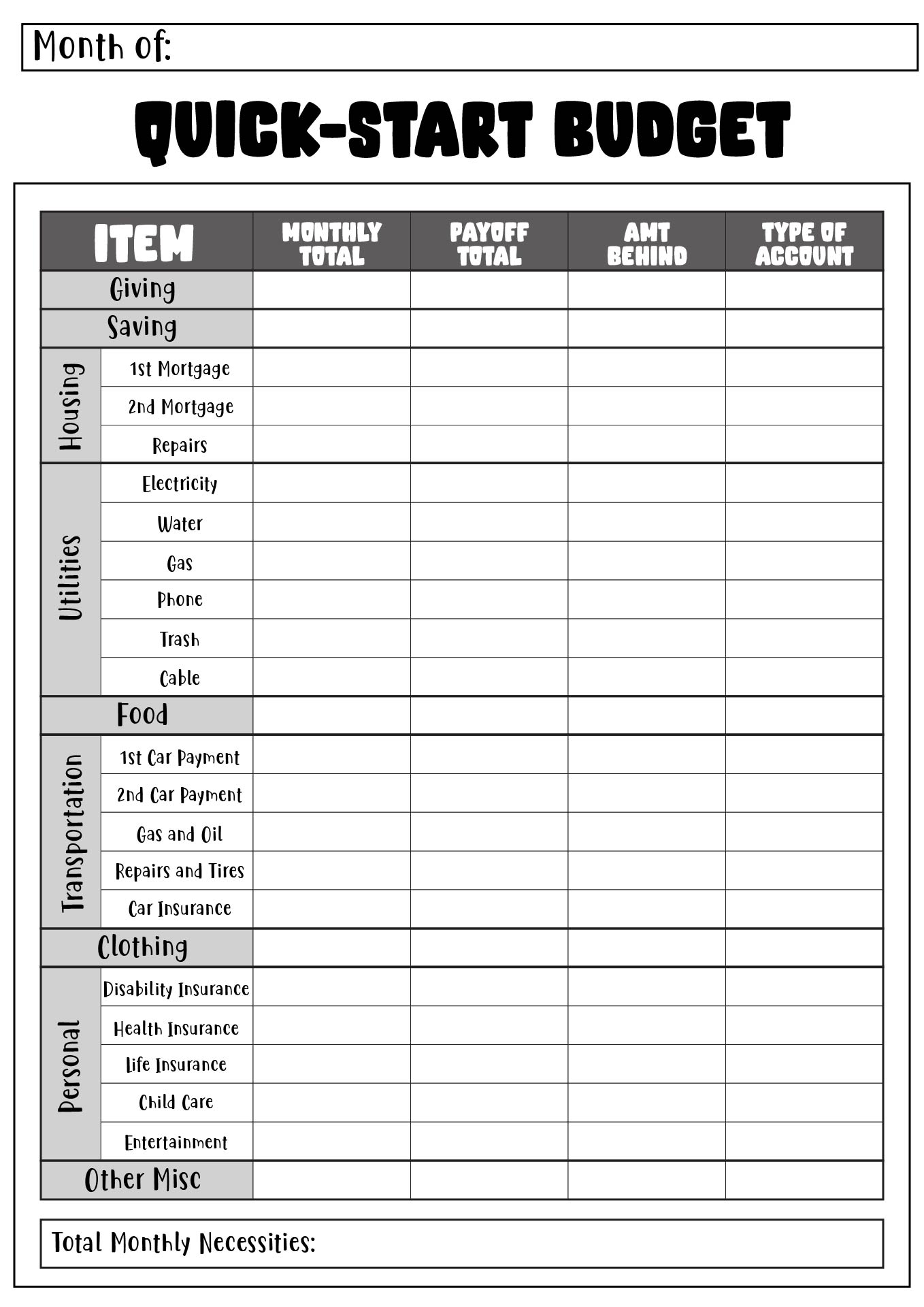
The Dave Ramsey Home Budget Worksheet typically features a clean, user-friendly design that divides your finances into clear sections. You’ll usually find the following components:
- Income Section: This is where you list all sources of income, from your salary to freelance work or side gigs. It’s essential to be thorough here, as your total income will dictate your budgeting capacity.
- Fixed Expenses: These are regular payments that do not change month-to-month, like rent, mortgage, insurance, and subscriptions. Having a dedicated space for these expenses helps you understand your baseline financial obligations.
- Variable Expenses: This section allows you to account for fluctuating costs such as groceries, entertainment, and dining out. Keeping track of these can help you identify areas where you might cut back.
- Savings and Debt Repayment: Here, you can allocate funds toward savings goals or debt repayments. This is crucial for following Ramsey’s principles, which emphasize living within your means and prioritizing debt elimination.
The layout is designed to help you see your entire financial picture at a glance, making it easier to adjust your spending habits and stick to your budget.
Utilizing the Sections Effectively
Each section of the Dave Ramsey Home Budget Worksheet plays a critical role in effective budgeting. To maximize its utility, here are some tips:
- Fill It Out Monthly: Set a specific time each month to update your worksheet. This could be at the beginning of the month when you receive your paycheck or at the end of the previous month. Consistency is key in maintaining accurate records.
- Review Past Months: Use your completed worksheets from previous months as references. This will help you identify spending patterns and adjust your budget accordingly.
- Be Realistic: When estimating your variable expenses, consider your actual spending habits. If you know you tend to spend more on dining out, don’t undersell that figure just to save money on paper.
- Prioritize Savings and Debt: Allocate a portion of your income to savings and debt repayment before you start budgeting for discretionary spending. This aligns with Dave Ramsey’s philosophy of living on less than you earn.
The Importance of Regular Practice
Using the Dave Ramsey Home Budget Worksheet isn’t just about filling in numbers; it’s a practice that can lead to long-term financial health. Regularly revisiting your budget allows you to:
- Stay Accountable: Knowing you’ll be regularly reviewing your finances can deter unnecessary spending. It instills a sense of discipline and accountability.
- Adjust as Needed: Life changes, and so do your financial needs. Whether you get a raise, change jobs, or have new expenses, your budget should evolve accordingly.
- Visualize Your Goals: Having a physical document that outlines your financial situation can help you visualize your goals, whether that’s saving for a vacation, buying a home, or paying off debt.
By integrating this worksheet into your monthly routine, you create a habit of financial awareness that can lead to more informed decisions.
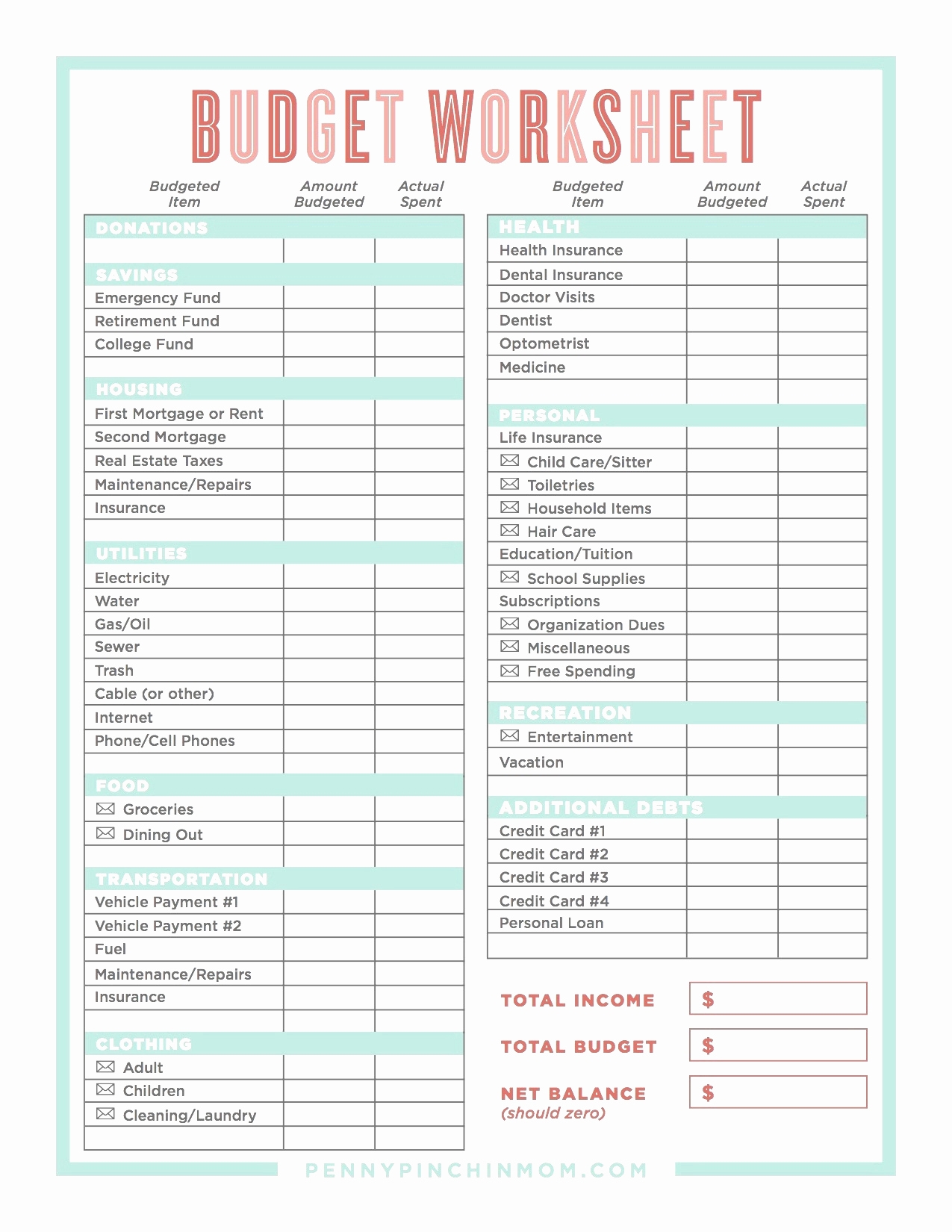
Downloading and Printing Your Worksheet
You can easily find and download the Dave Ramsey Home Budget Worksheet online. It’s often available in PDF format, which ensures that the layout remains consistent when printed. Here are some tips for printing and using your worksheet:
- Choose the Right Paper: Standard letter-size (8.5” x 11”) paper works best for most home printers. If you want something more durable, consider printing on cardstock.
- Portrait vs. Landscape: Most worksheets are designed in portrait layout, which fits well on standard paper sizes. However, if you find that you need more space for details, consider printing on larger paper, if available.
- Keep It Accessible: Once printed, keep your worksheet in a binder or a dedicated folder. This way, it’s easy to access when it’s time to review your finances.
- Consider Lamination: If you prefer a reusable option, you might laminate your worksheet and use a dry-erase marker to fill it out, allowing for easy adjustments month-to-month.