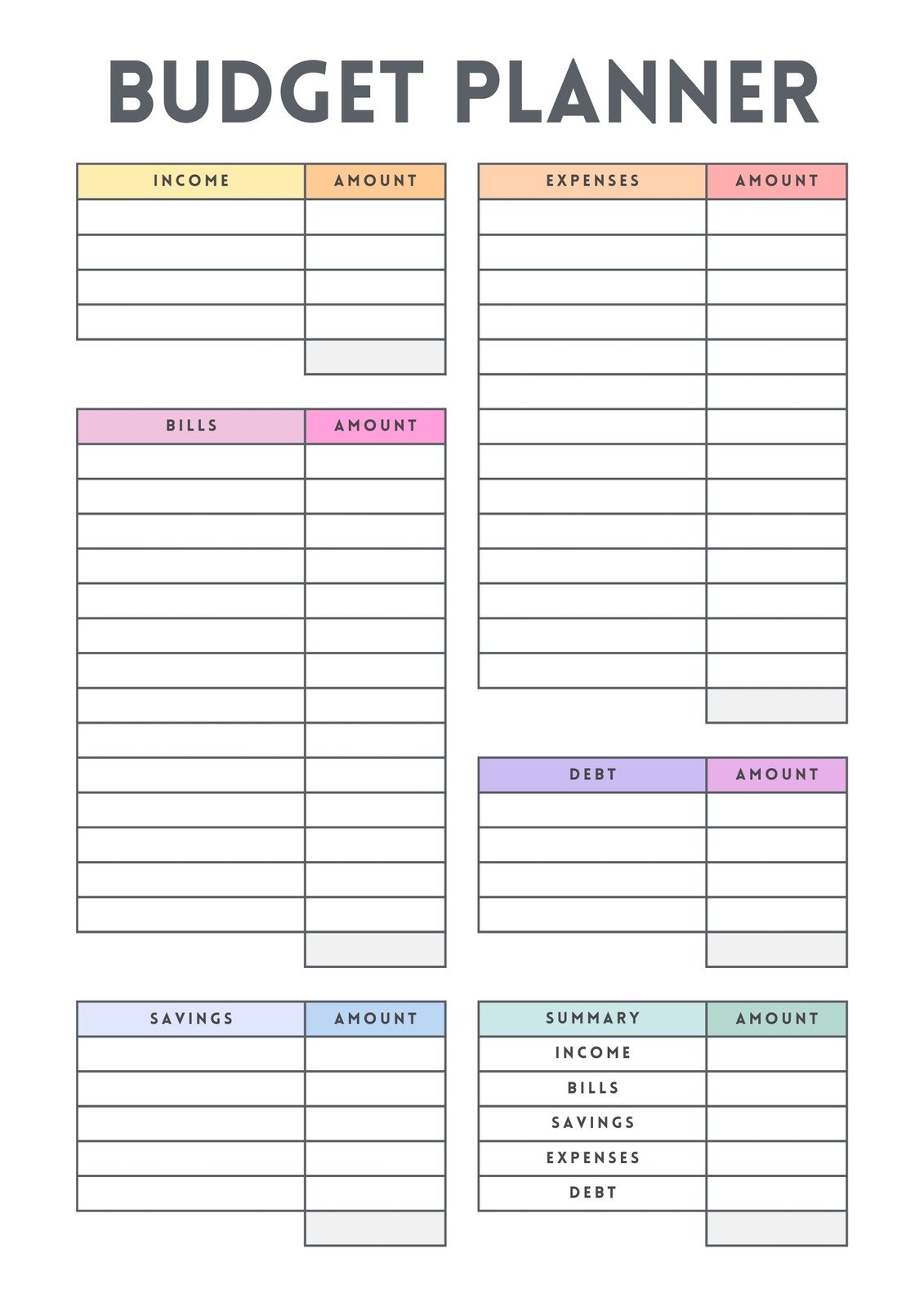
Creating a budget may seem like a daunting task, especially for younger students, but it’s an essential skill that can set them up for financial success in the future. A great way to introduce this concept is through a “Create Your Own Budget Worksheet.” This resource not only helps reinforce math and financial literacy skills but also encourages students to take ownership of their financial decisions. In this guide, we’ll explore how to effectively use this worksheet in various educational settings.
Understanding Budgeting Basics
Before jumping into the worksheet, it’s important to explain what budgeting is and why it’s crucial. A budget is essentially a plan for managing money, outlining income and expenses. For students, learning to budget can foster responsibility and provide insight into managing personal finances.
When using the Create Your Own Budget Worksheet, you might start by discussing common income sources like allowances, gifts, or small jobs. Then, transition into typical expenses such as snacks, toys, or extracurricular activities. This foundational understanding will make the worksheet more meaningful and relatable.
Age Appropriateness for the Budget Worksheet
The Create Your Own Budget Worksheet is suitable for various age groups, typically ranging from late elementary to middle school (grades 4-8). At this stage, kids are beginning to develop basic math skills, making it easier for them to handle calculations related to budgeting.
For younger students, consider simplifying the worksheet by using visuals or limiting categories. Older students can handle a more complex version that includes savings goals, monthly income, and even a section for reflecting on their spending habits.
Setting Up the Budget Worksheet Activity
To ensure a successful budget worksheet session, you should set up the environment to foster engagement and understanding. Here’s how you can prepare:
- Materials Needed: Provide printed copies of the Create Your Own Budget Worksheet, pens or pencils, and colored markers for personalization.
- Introduction: Start with a brief discussion about money management. You could ask questions like, “What would you do if you had $50?” to stimulate thinking about spending and saving.
- Group Work: If teaching in a classroom, consider having students work in pairs or small groups. This encourages discussion and collaborative thinking, making the task less intimidating.
- Guided Practice: Walk students through filling out the worksheet. Begin with income, then move on to expenses. Make sure to encourage them to think critically about their choices.
Using the Worksheet in Different Settings
Classroom Setting
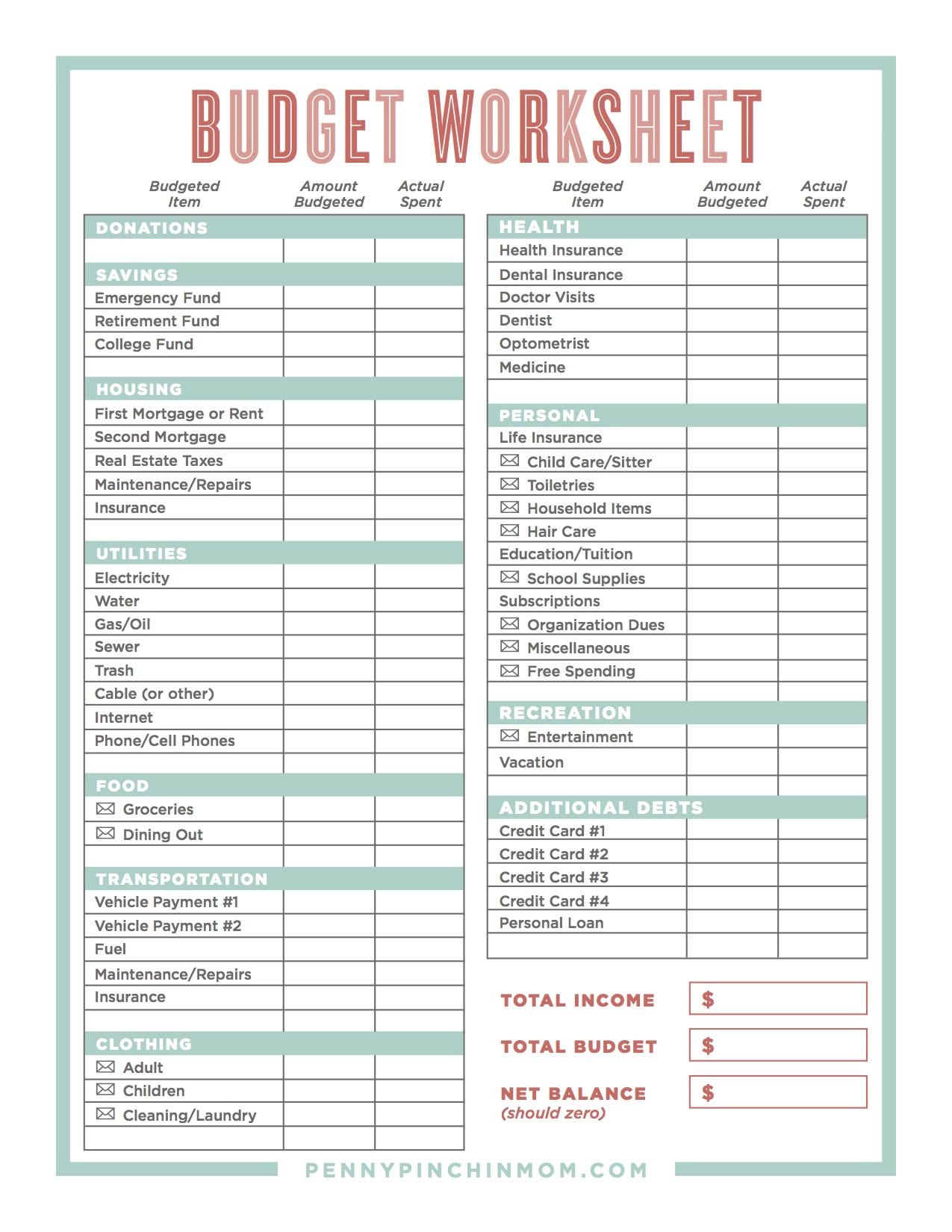
In a classroom scenario, the Create Your Own Budget Worksheet can be integrated into a financial literacy lesson. Here’s a structured approach:
- Lesson Duration: Allocate 1-2 class periods for the activity.
- Discussion: After completing the worksheet, have students present their budgets to the class. This promotes public speaking skills and allows for peer feedback.
- Reflection: End the session with a reflection on what they learned. You could ask, “How did your budget choices reflect your priorities?”
Homeschooling
For parents using the Create Your Own Budget Worksheet at home, the process can be equally enriching. Here’s how to incorporate it into your routine:
- Flexible Timing: Integrate the budget worksheet into your weekly activities, perhaps during a family finance night.
- Real-Life Application: Encourage children to track their real income and expenses, like their allowance or savings from chores.
- Family Discussions: Use the worksheet as a springboard for family discussions about financial values and priorities.
Enhancing the Budgeting Experience
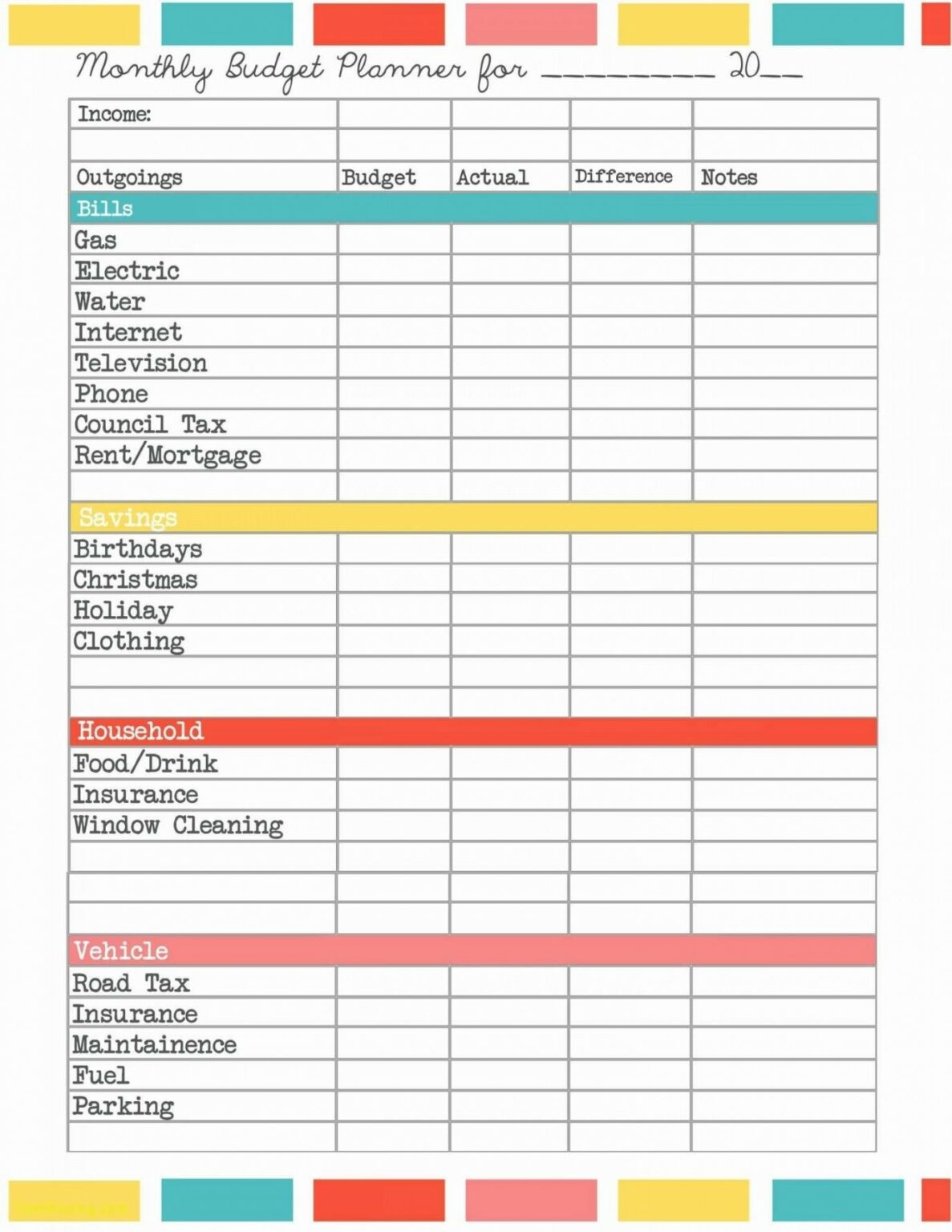
To make the Create Your Own Budget Worksheet even more engaging, consider the following enhancements:
- Incorporate Technology: Use budgeting apps or online tools to help older students manage their budgets digitally. This can provide a modern twist to traditional budgeting.
- Visual Aids: Use charts or graphs to help students visualize their spending versus saving. Seeing the numbers can often make concepts more tangible.
- Creative Projects: Allow students to design their own budget-related projects, like creating a poster that represents their financial goals.