Creating a budget sheet can be an essential step in managing finances effectively, whether for a household, classroom, or homeschool environment. A well-structured budget sheet provides clarity on income and expenses, helping users to track spending, save money, and plan for future financial goals. This guide offers practical insights on how to create your own budget sheet, along with considerations for various age levels and uses.
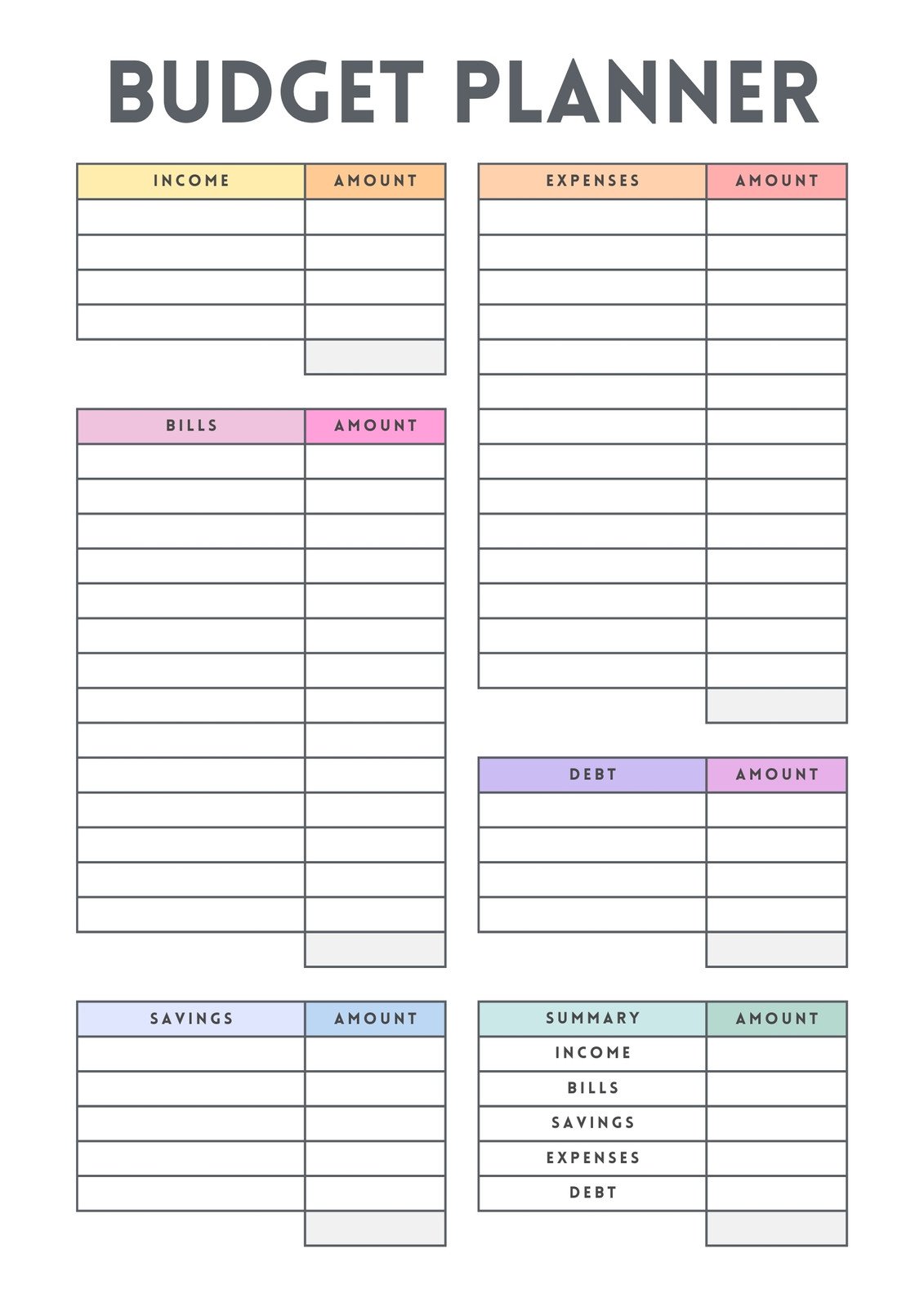
Understanding the Basics of a Budget Sheet
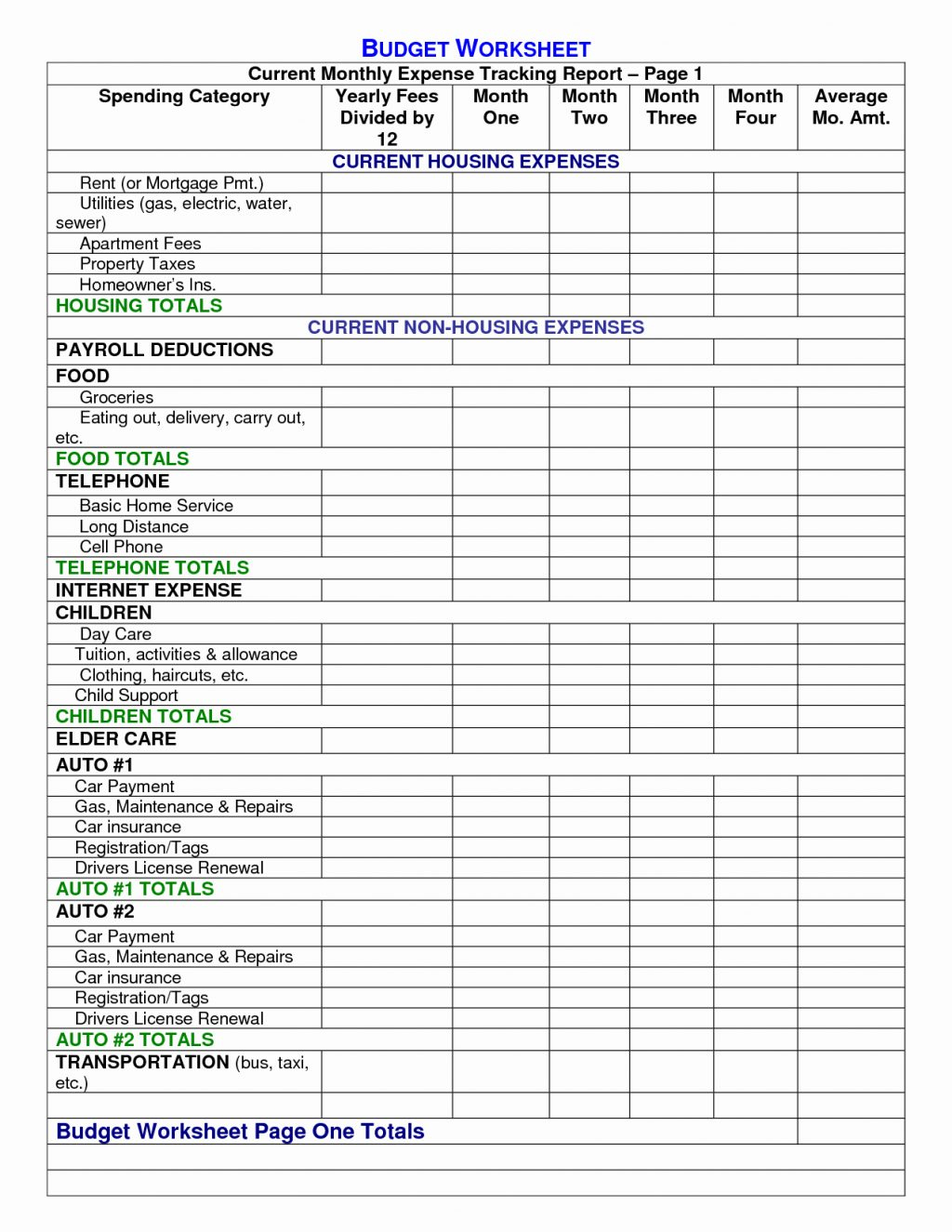
A budget sheet typically includes sections for income, fixed expenses, variable expenses, and savings. This format allows users to see at a glance where their money is coming from and where it is going. For teachers and homeschool parents, this resource becomes a vital tool for teaching children about financial literacy.
You can create a budget sheet using simple templates available for download or by designing one from scratch. Consider the following elements when creating your own budget sheet:
- Income Sources: This includes all forms of income, such as salaries, allowances, or any side jobs.
- Fixed Expenses: These are regular monthly expenses that do not change, such as rent, mortgage payments, and insurance.
- Variable Expenses: These expenses can fluctuate, including groceries, entertainment, and personal spending.
- Savings Goals: Allocate a portion of income to savings or investments to encourage good financial habits.
Choosing the Right Template
When deciding how to create your own budget sheet, selecting the right template is crucial. Several printable resources are available online that cater to different needs and preferences. Here are some factors to consider:
- Format: Budget sheets can be found in various formats, such as PDF, Word, or Excel. PDF versions are often preferred for printing, while Word and Excel formats allow for easy editing.
- Design: Choose a design that is visually appealing and easy to read. A well-organized layout helps in quickly identifying income and expenses.
- Customization: Look for templates that allow customization so you can add or remove categories based on your specific needs.
Implementing Budgeting in the Homeschool Environment
Using a budget sheet in a homeschool setting can introduce children to essential life skills. Here are steps on how to implement it effectively:
- Introduce Financial Concepts: Start with basic concepts such as income, expenses, and savings. Use real-life examples to illustrate these ideas.
- Hands-On Activity: Allow children to participate in filling out the budget sheet. This could involve using their allowance as a case study to track spending and savings.
- Goal Setting: Encourage children to set financial goals, whether it’s saving for a toy, a game, or an outing. This helps them understand the purpose of budgeting.
- Review and Adjust: Regularly review the budget sheet together. Discuss whether they are meeting their savings goals and what adjustments can be made in spending.
Tips for Maintaining Your Budget Sheet
Creating your own budget sheet is just the first step; maintaining it is equally important. Here are some practical tips to keep your budget on track:
- Regular Updates: Set a specific day each week or month to update the budget sheet. This ensures that it remains accurate and reflective of current financial status.
- Track Spending: Keep receipts or record expenses daily to avoid forgetting smaller purchases that can add up over time.
- Use Visual Aids: Incorporate charts or graphs to visualize spending trends. This can make it easier to identify areas where cutbacks can be made.
- Celebrate Achievements: When savings goals are met, celebrate these milestones. This could be as simple as a family outing or a special treat.
Additional Resources for Budgeting
In addition to creating your own budget sheet, various resources can enhance your budgeting experience:
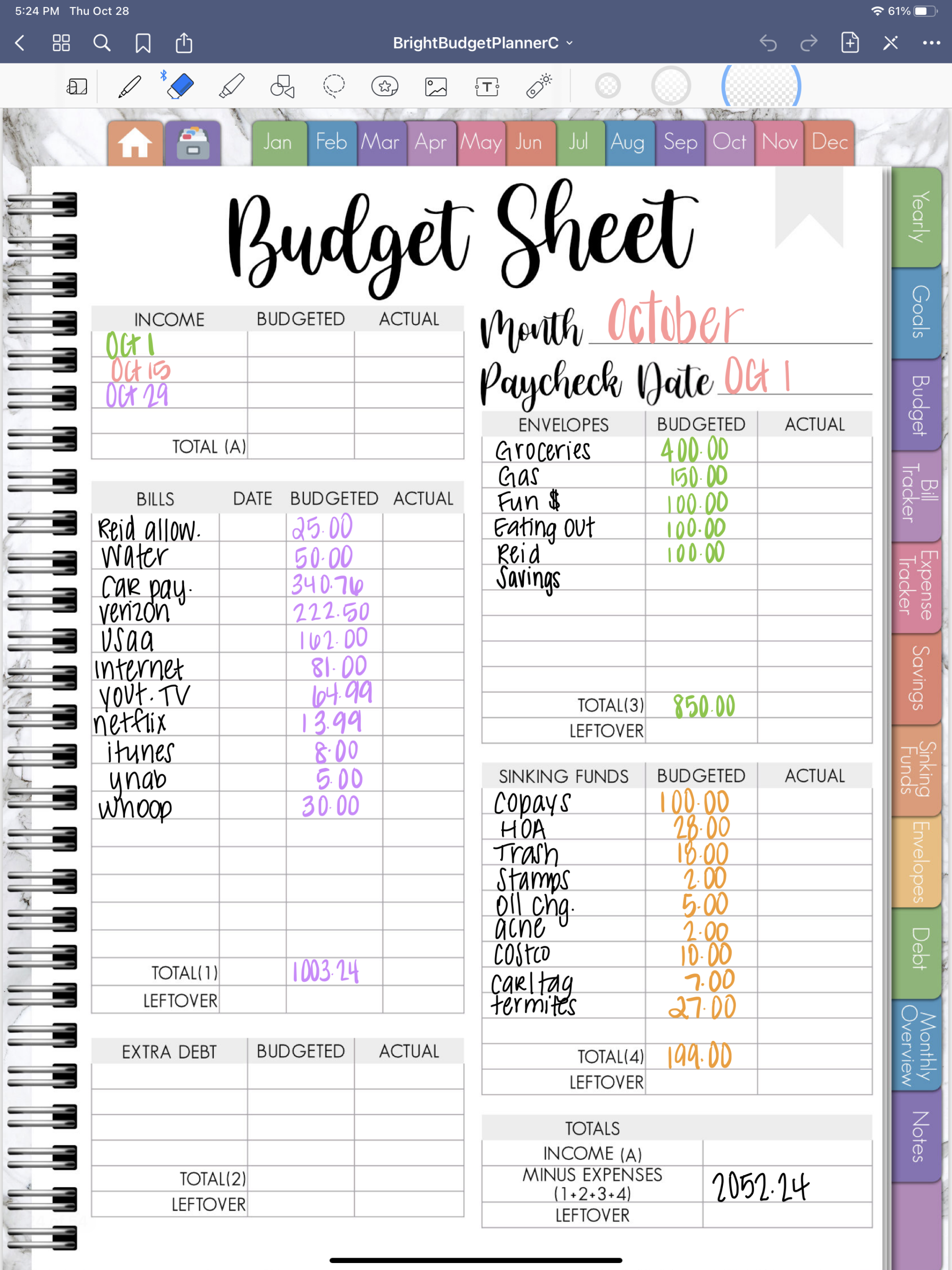
- Budgeting Apps: There are numerous apps available that help in tracking expenses and income digitally. These can be useful for older students to learn how to manage money using technology.
- Workshops and Webinars: Many organizations offer free resources and workshops on budgeting and financial literacy, which can complement your home education.
- Books and Guides: Consider investing in books that teach budgeting and financial skills tailored for children and young adults.
Creating your own budget sheet is not just about numbers; it’s about developing a mindset of financial responsibility. By implementing these steps and utilizing available resources, teachers and homeschool parents can foster important skills in their children, preparing them for a financially stable future.