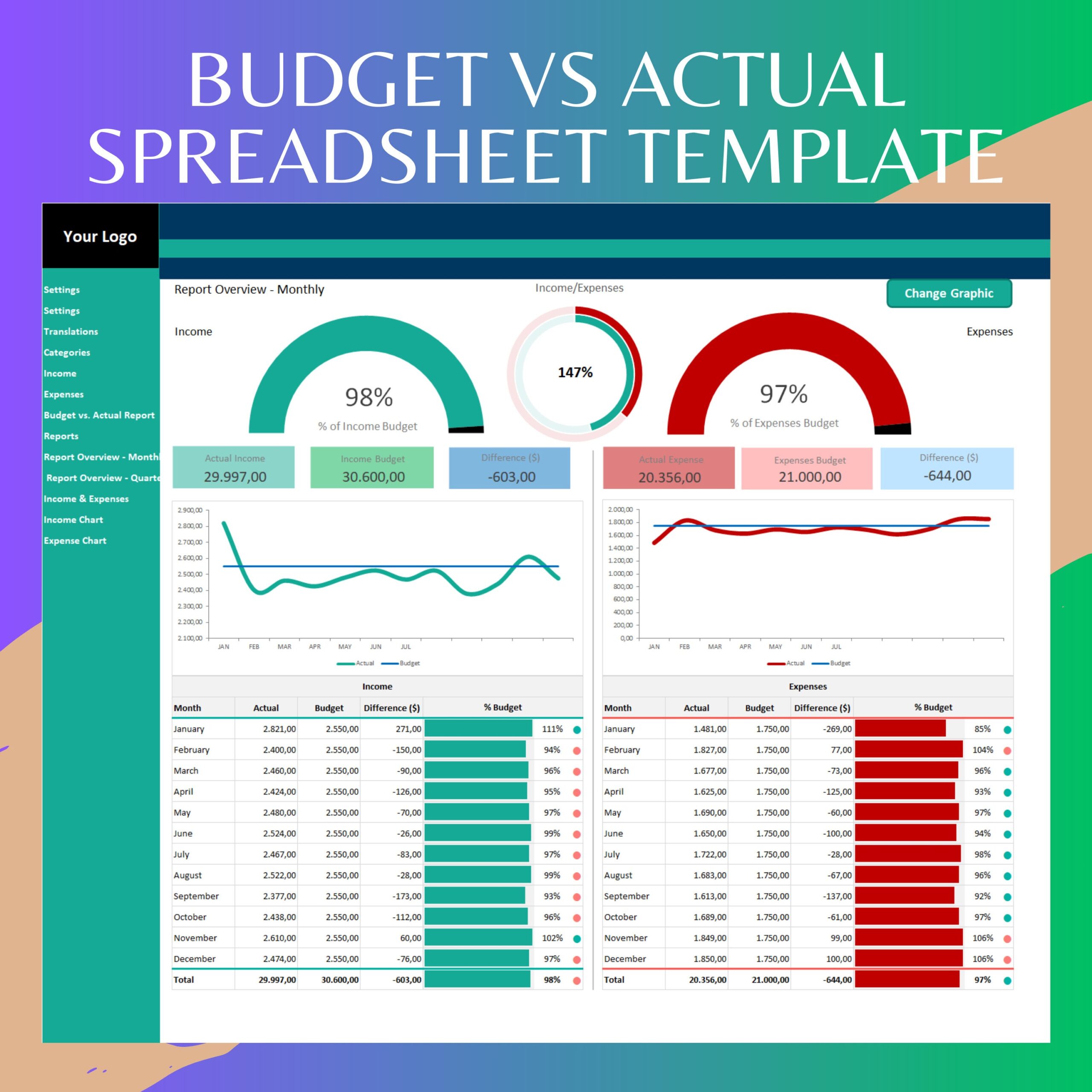
Managing your finances can often feel overwhelming, but having the right tools can make a significant difference. One such tool is the Budget – Ideal V Actual Worksheet. This worksheet helps you track your planned budget against your actual spending, allowing you to see where you stand financially. It serves as a practical way to identify spending habits and adjust accordingly, making budgeting a more manageable task.
Understanding the Budget – Ideal V Actual Worksheet
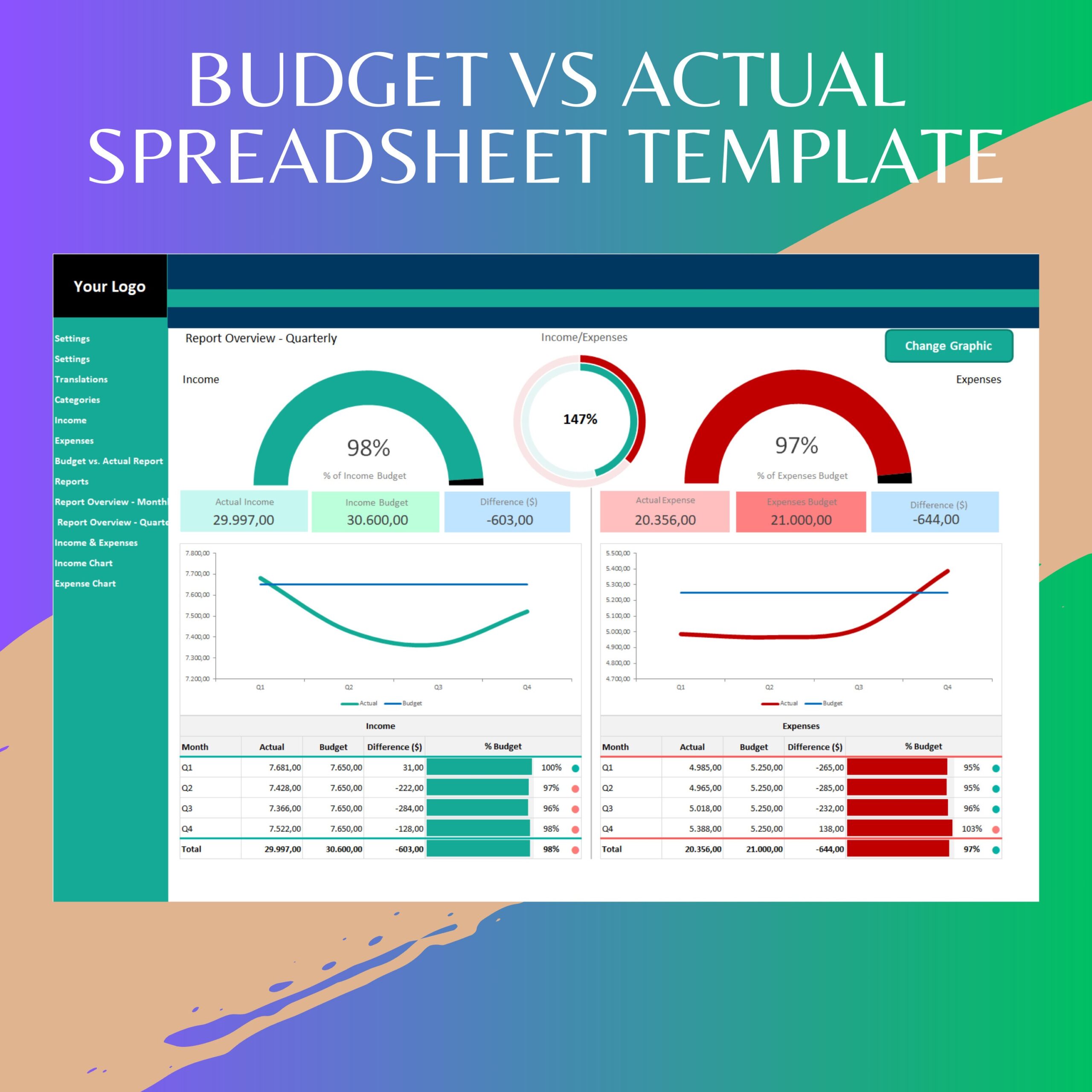
The Budget – Ideal V Actual Worksheet is designed for anyone looking to gain better control over their finances, If you are managing a household budget, planning for a big purchase, or saving for a vacation. This resource typically comes in a printable format, making it easy to use at home or on the go.
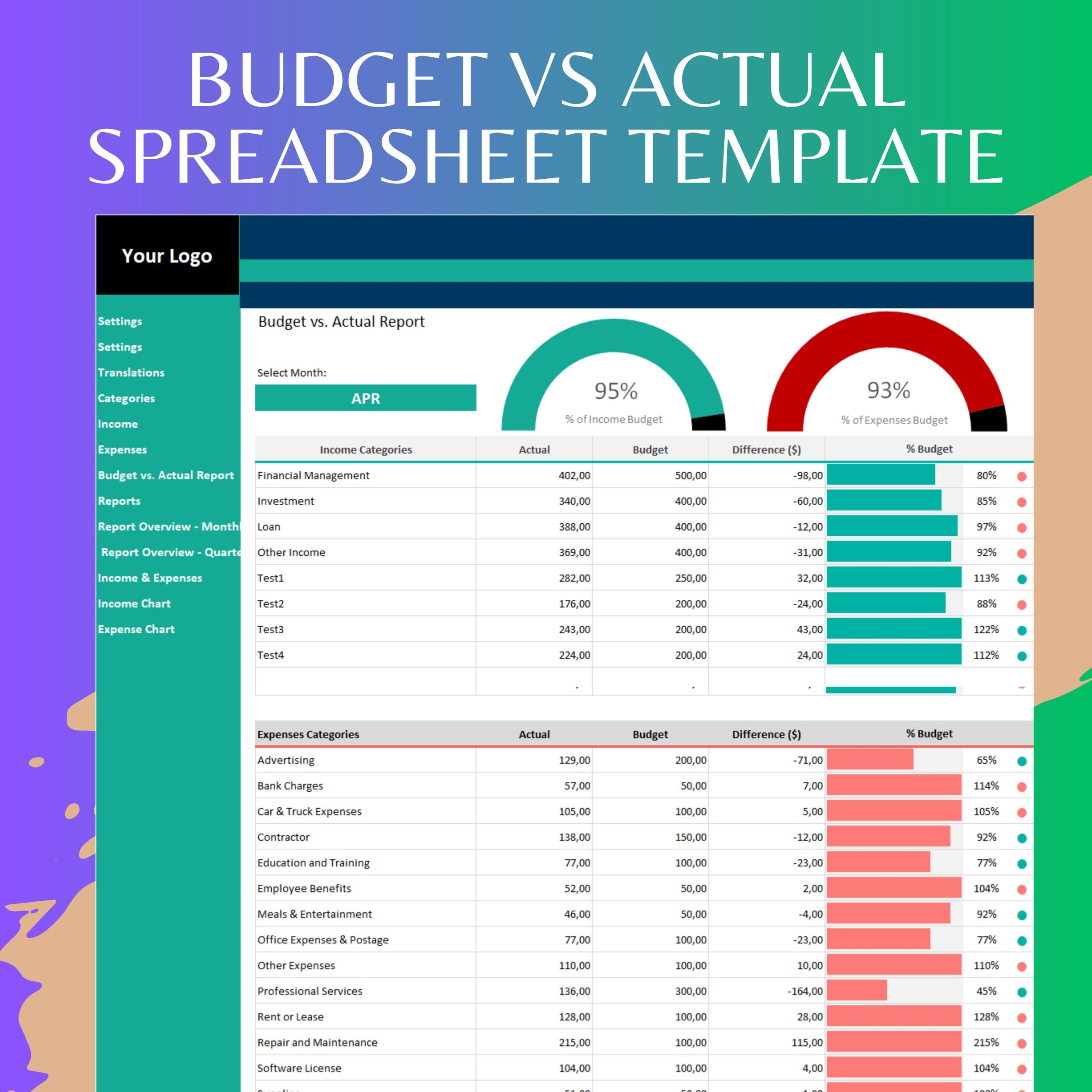
Here’s how it works: you set an ideal budget for various categories, such as groceries, entertainment, and utilities. Then, as you spend throughout the month, you record your actual expenses in the same categories. By comparing these two figures, you can gain insights into your spending habits.
How to Set Up Your Budget Worksheet
Setting up the Budget – Ideal V Actual Worksheet is straightforward, and it requires just a few steps:
- Download and Print the Worksheet: Look for a high-quality PDF version that fits standard paper sizes (like A4 or letter size) to avoid formatting issues. Printing on cardstock can help if you plan to use the worksheet repeatedly.
- Identify Your Categories: Before you fill out your ideal budget, think about the categories that matter most to you. Common categories include:
- Housing
- Transportation
- Food
- Entertainment
- Savings
- Set Your Ideal Budget: For each category, decide how much you want to spend. Be realistic—consider your past spending habits and any upcoming expenses that might affect your budget.
- Record Your Actual Spending: As the month progresses, jot down your actual expenses next to your ideal amounts. Be diligent about this step; it’s crucial for an accurate comparison.
- Calculate the Differences: At the end of the month, review your worksheet. Subtract your actual spending from your ideal budget for each category to see where you stand.
Analyzing Your Results
Once you’ve completed your Budget – Ideal V Actual Worksheet, it’s time to analyze the results. This step is essential for developing better budgeting habits:
- Identify Trends: Look for patterns in your spending. Are you consistently overspending in certain categories? This insight can help you make necessary adjustments.
- Adjust Your Ideal Budget: Based on your findings, consider adjusting your ideal budget for the next month. If you often overspend on groceries, for instance, you might need to allocate more funds to that category.
- Set Goals: Use the information from your worksheet to set financial goals. If you want to save for a vacation, for example, determine how much you need to cut back on discretionary spending to reach your savings goal.
Best Practices for Using the Worksheet
While the Budget – Ideal V Actual Worksheet is a powerful tool, there are best practices to enhance its effectiveness:
- Review Regularly: Don’t wait until the end of the month to review your spending. Regularly checking your worksheet can keep you on track and help you make adjustments in real-time.
- Be Honest: Accurately recording your spending is crucial. Avoid the temptation to underestimate your expenses, as this will lead to inaccurate budgeting.
- Celebrate Small Wins: If you manage to stay under budget in a category, celebrate that success. Positive reinforcement can motivate you to continue improving your financial habits.
Incorporating the Worksheet Into Your Routine
To truly benefit from the Budget – Ideal V Actual Worksheet, incorporate it into your daily or weekly routine. Here are some ideas on how to do this:
- Weekly Check-Ins: Set aside time each week to update your worksheet. This practice not only keeps your budget current but also helps you stay aware of your spending habits.
- Monthly Reviews: At the end of each month, review your worksheet with any family members involved in managing the budget. Discuss what worked, what didn’t, and how you can improve next month.
- Use Technology: If you prefer digital tools, consider creating a spreadsheet version of your worksheet. This can make calculations easier and allow for quick adjustments.
By integrating the Budget – Ideal V Actual Worksheet into your financial management routine, you’ll not only track your spending but also cultivate a healthier relationship with your finances.
The most useful detail to remember is that consistent tracking is key. The more frequently you engage with your budget, the more control you’ll have over your financial future.